Palma de Mallorca

With the summer ending I decided to throw caution and all fiscal responsibility to the wind and slip in a quick 48 hour visit to Palma.

The only thing disappointing about it was that I couldn’t stay longer. The climate was perfect, hot at the start of September, but with a nice sea breeze coming from the beautiful but quite bougie marina.

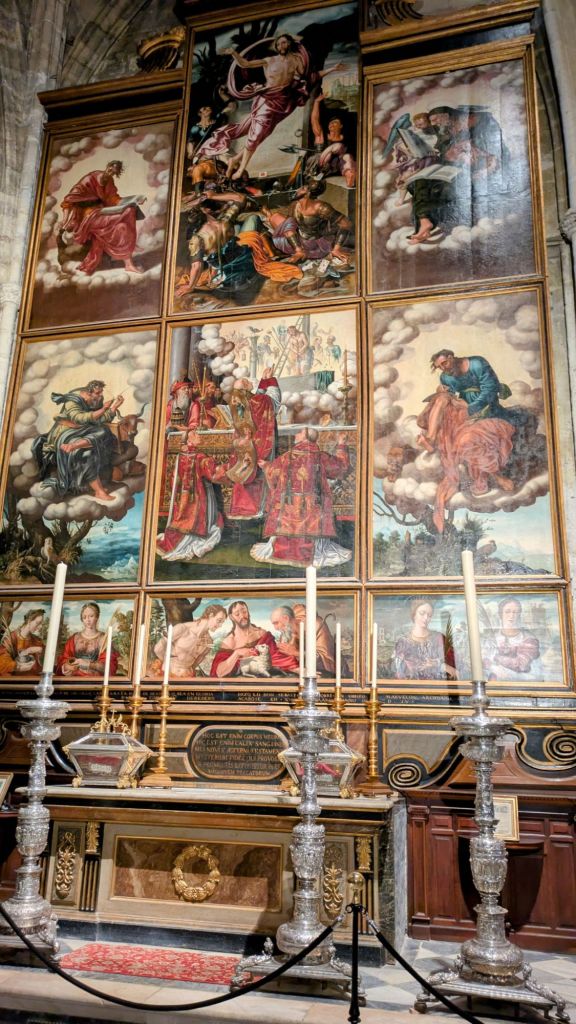
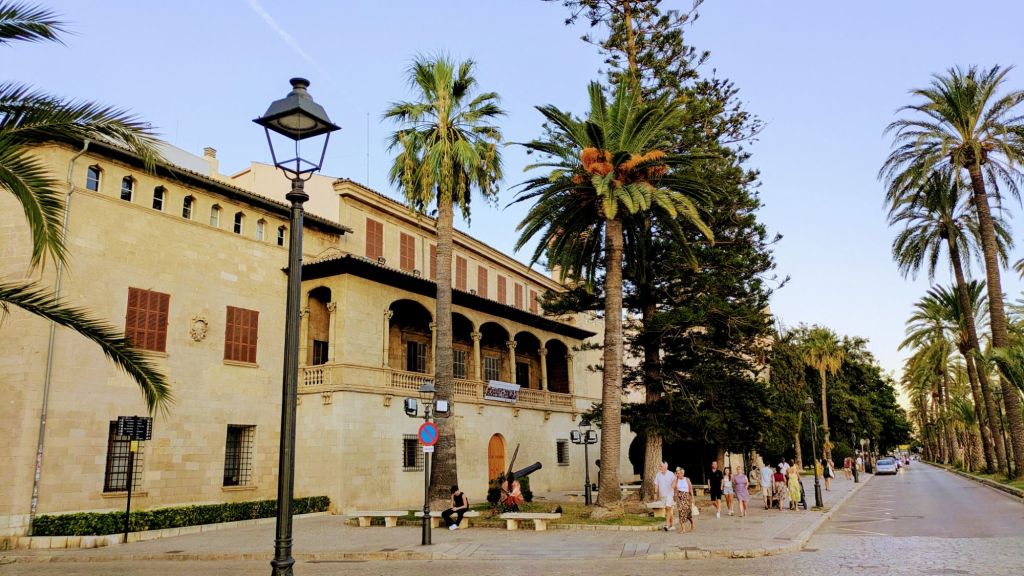
The old town has some spectacular honey coloured sandstone buildings, the most impressive of which is the cathedral. (Quick traveler tip, check opening times as the latest entry on the Saturday afternoon we visited was 2.30pm). You can also buy tickets online to avoid the queue at busy times. The ticket also gives access to the bishop’s house beside the cathedral.

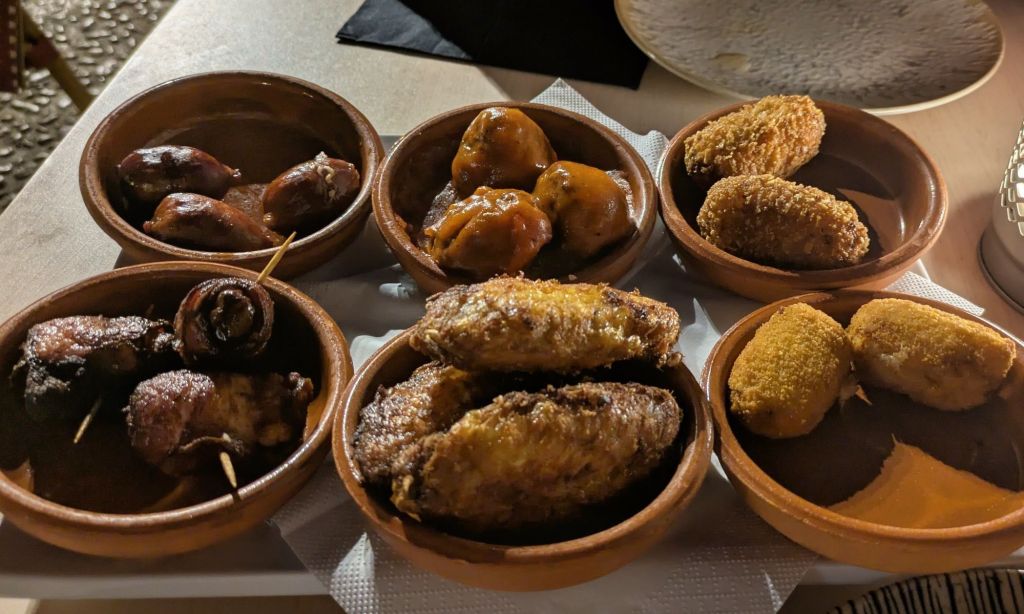
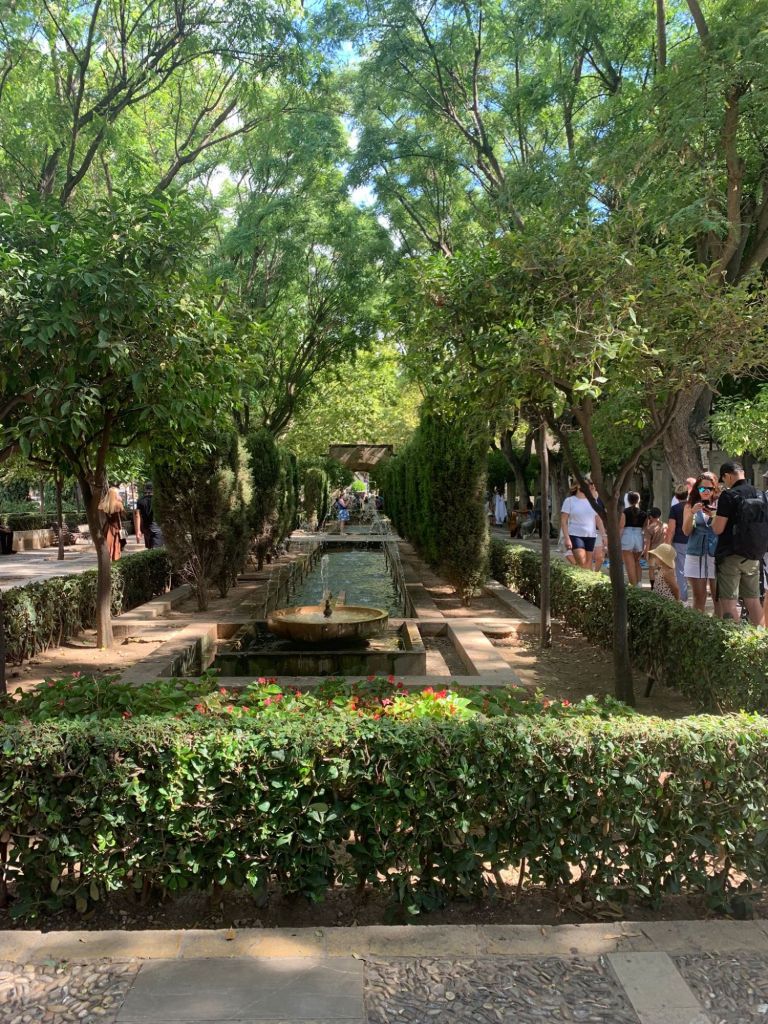
Why not squeeze in a little bit of culture, you can visit several Joan Miro exhibitions, he lived in Palma for several decades. I visited one the free exhibitions of sculptures (all the signs up saying don’t touch the sculptures just triggered my impulse control issues and made me want to do it more). The building itself was like a work of art. Situated in shaded square, lined with bars/restaurant were you can enjoy a glass of wine and some tapas. It was a very pleasant way to slip from afternoon to evening.
Palma is more of a working town than resort and you’ll see fewer tourists than in resorts along the coast, but English is widely spoken, which was useful as my rudimentary Spanish escaped me whenever anyone asked me a question.
Traditional Mallorcan food is hearty and they are very fond of meat and of different pastries, the most recognisable is the Mallorcan ensaimada. This is a super light spiral of pastry topped with icing sugar and can also come filled. A word of warning if you’re vegetarian, most pastries are made with pig lard, so it might be worth checking before you buy.

Good food and drink are easy to find, although prices are probably on a par with the UK. Its definitely more expensive than mainland Spain, but most islands are a bit more expensive due to the cost of having to import everything. Palma has a high-end feel. If you look at the price of real estate in the town, you’ll see why.

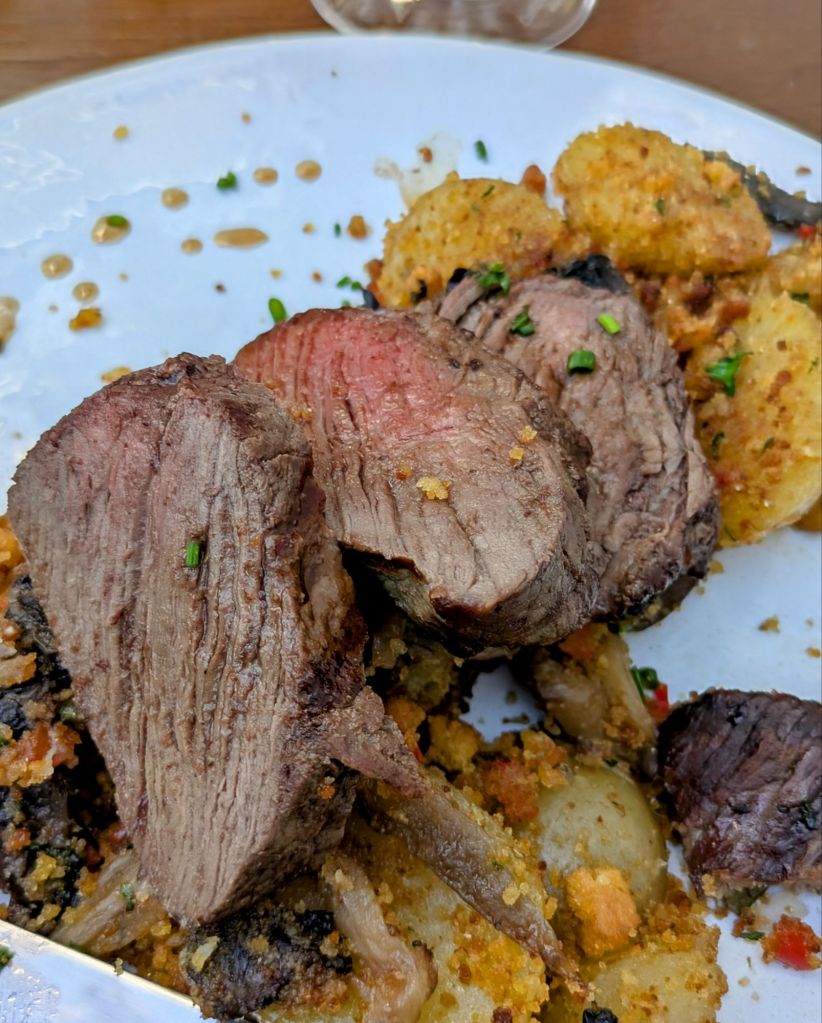
Local rabbit with a delicious but super pungent garlic and herb sauce.

After a glowing recommendation from a work mate we took a cute little wooden train to the town of Soller https://trendesoller.com/eng/whattosee/soller

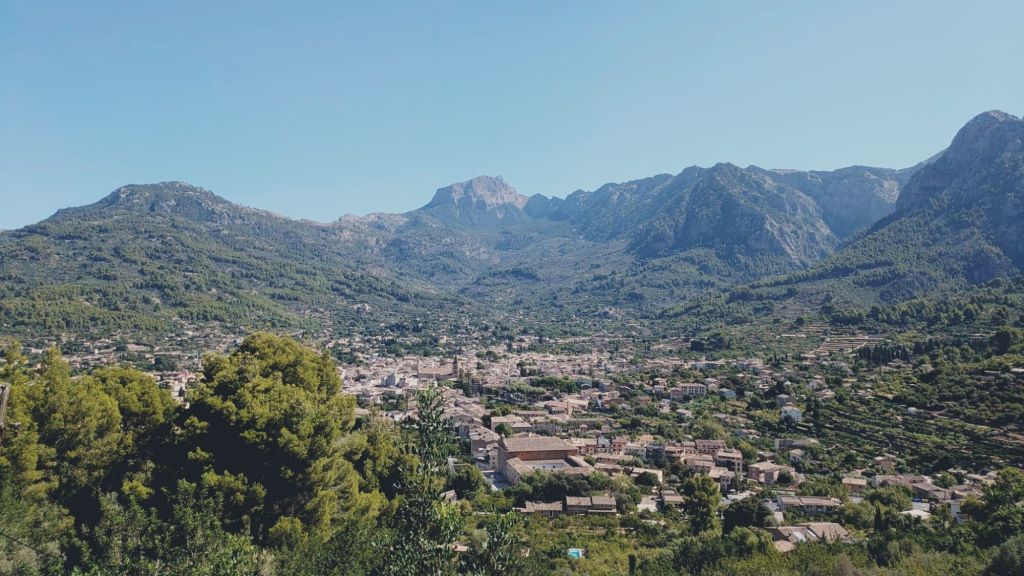
The train journey takes about an hour from Palma to Soller. It takes you overland past lemon and olive groves. The return fare costs 40 Euro. Soller is very quaint with a laid back Boho vibe with lots of cool artisan shops and surrounded by lovely countryside.
From the town square you can take a wooden tram out to Port de Soller which takes about 20 minutes. This is a gorgeous crescent shaped bay with a light house, marina and plenty of places to eat, drink and shoP. There is a good beach where you can hire a spot under thatched parasols with 2 sun loungers for about 18 Euro. Unfortunately I had a brain fart that day and didn’t charge my phone enough, so can’t post photos, but check the link attached and the pictures they use are accurate. I would definitely visit both Palma and Soller again and allow more time to enjoy them properly.

Porto and the Douro Valley- Portugal

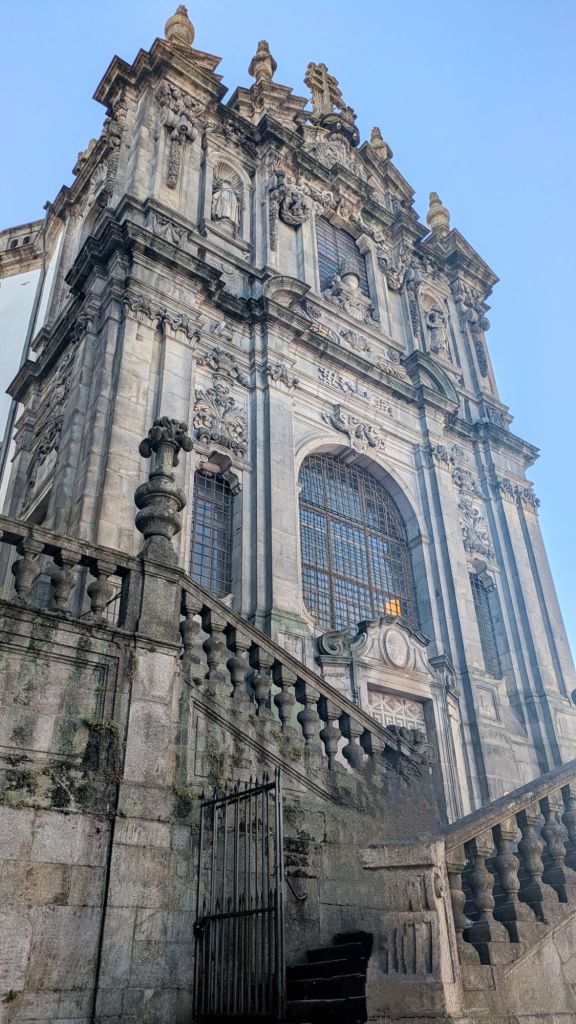
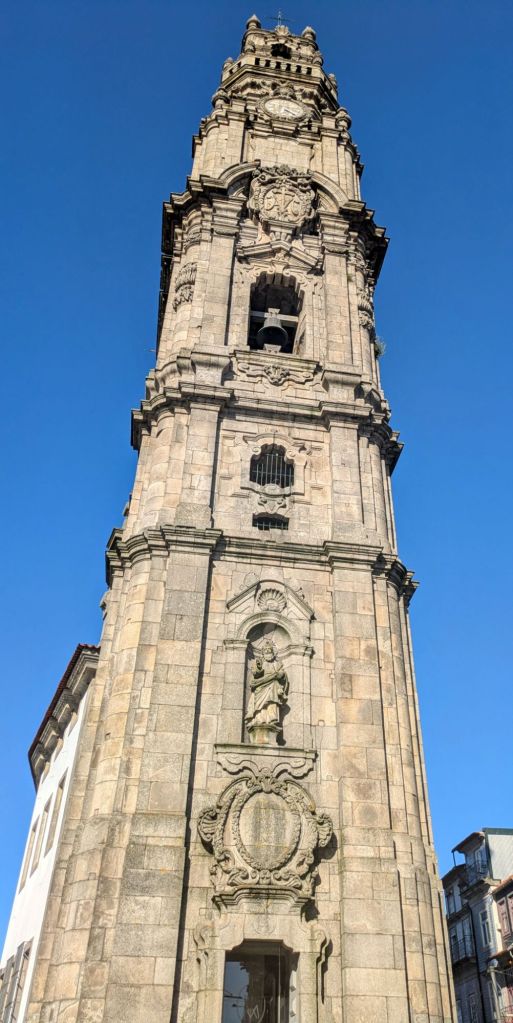
Porto had been on my list of places to visit for quite a while, and it didn’t disappoint. Filled with history, beautiful architecture, friendly locals and great food.

I knew very little about Portugal’s rich history and was surprised to find out that it endured Europe’s longest fascist regime in the 20th century (basically further education for all but the selected few and women’s rights were actively suppressed to keep the Salazar regime in power).  Rumour has it that this is where JK Rowling got the name of her baddie in the Harry Potter books from, as she lived in Porto for a short while, but more about that later.

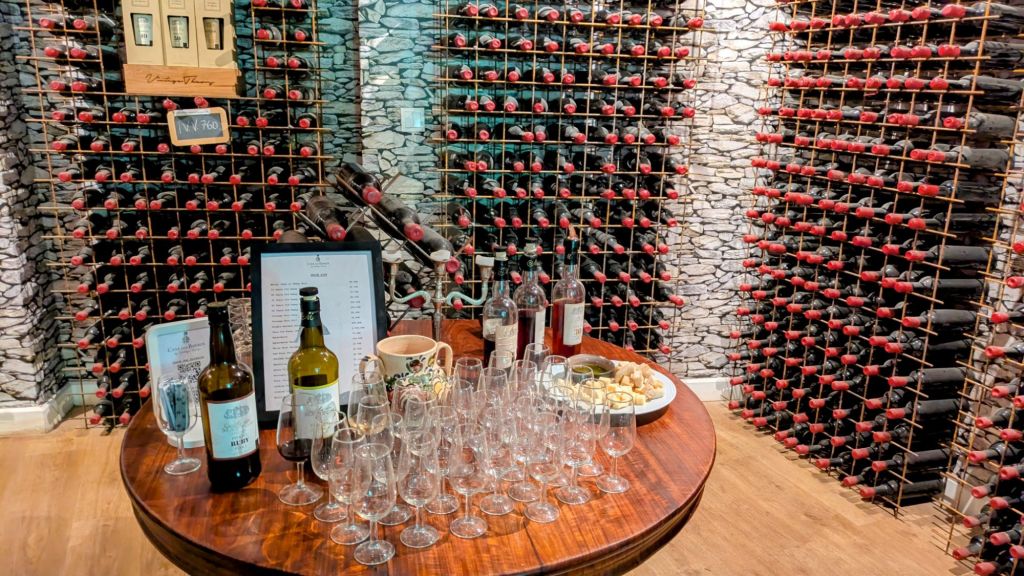
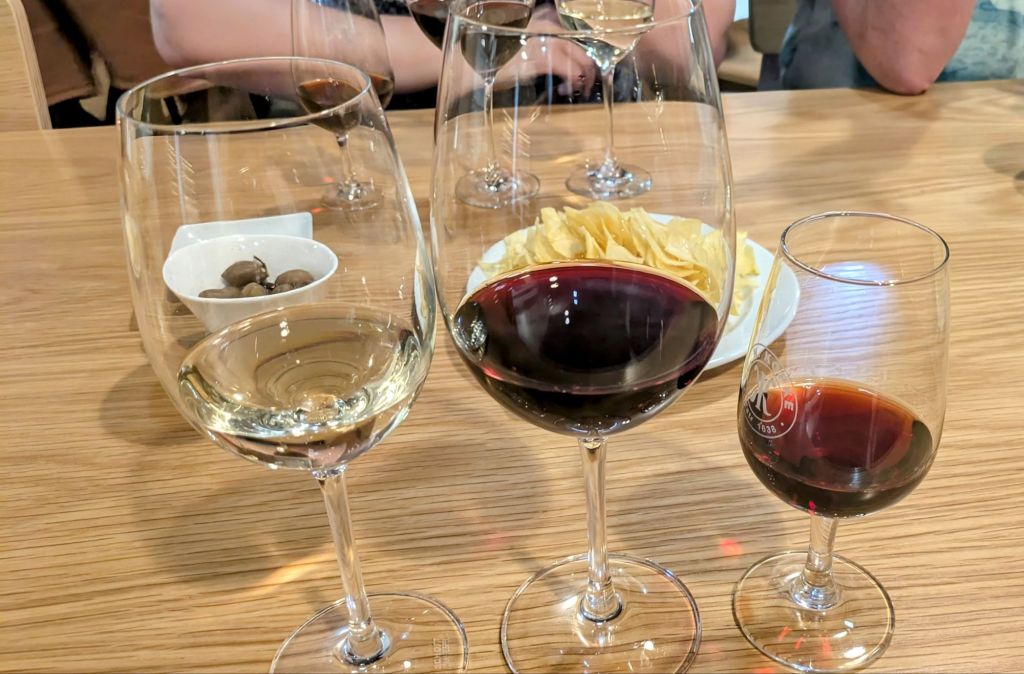
Porto gives its name to port wine, and along the port side you’ll see the historic warehouses that supplied port to the world for centuries.  If port is your thing there are plenty of bars and restaurants that have options for tastings.  I’m not a huge fan of it personally, but the other wines we had were tasty and inexpensive.

The city is fairly walkable, yes there are some hills, but if you’re ambling along at a relaxed pace they’re fine.  I’d recommend going on a walking tour on your first day to find out more about the place and get your bearings.guides are also a great source of ideas for good places to eat and  local attractions.   These tours often free and you tip the guide what you feel it was worth and I honestly have not been on a bad one.  I have to say that I was actually embarrassed this time when at the end of our tour a woman handed the guide pocket change.  These people work hard and bring the city alive for you, you don’t need to empty your bank account when tipping but think of a fair hourly rate if you hired an expert and pay it.

There is plenty to learn for history buffs, and Harry Potter fans can visit https://www.livrarialello.pt/ Livrariar Lello bookshop that was said to have inspired some of the imagery in the books (the author has said it didn’t, but people feel she might just be annoyed at people making money off this).  To get inside you’ll be charged 10 euros, and anytime I passed there were always massive queues of people to get in.  You can buy a skip the queue ticket online which gives you a time slot to visit for 15 euro.  In cooler weather you’ll also see some school kids in black cloaks with symbols embroidered on them, and it is clear to see that this is inspired the Hogwarts uniform.

You’ll see the popular blue and white tiles on many of the older buildings and quirky houses and the place is just incredibly pretty.  Food and drink is relatively inexpensive and excellent and Porto is home to some fantastic bakeries (top travel tip, hit these after walking up all the hills, not before like I did).

We also decided to take a day trip out to the local wine producing region, the Douro valley.  Booking a tour cost 100 euros but included an air-conditioned coach, a boat tour, visits to two port vineyards and a 3 course lunch, so all in not bad value.  I would definitely return and visit the Douro valley and you can take trains from Porto to some of the larger towns. 

It’s a beautiful area, but the locals warn that it’s 9 months of winter and 3 months of hell, this is because the unique micro climate that gives port it’s distinct flavor runs from -15 degrees in winter to 48 degrees in Summer.  I actually got sun burned for the first time in years because you’re up in the mountains or beside the river it didn’t feel that hot, so beware and slap on that SPF.

Porto and the surrounding area is definitely worth visiting.  The city has quite a laid back vibe, it’s beautiful, locals were lovely and English was widely spoken (as always, try to at least few words of the local language up your to sleeve).

Seville

Desperate to escape the leaden skies and constant drizzle of Belfast, I decided to take a quick well priced visit to the city of Seville in Southern Spain.

It was exactly what I needed, with a very pleasant 17 degrees (Celsius) and almost constant sunshine.

The first thing you’ll notice about the city is the orange trees you’ll see everywhere, adding to the general sunny feeling of the city.  Don’t be tempted to try one of the oranges, it’s illegal, but they’re also extremely bitter as they’re the type used to make marmalade.

Seville is the 4th largest city in Spain and was made rich through Spain’s colonies in the Americas and Indies.

I’d highly recommend booking one of the walking tours around the city.  Our tour guide Miguel was a fountain of knowledge and showed the historic sites and explained how the city had been formed by multiple influences by the many invaders from the Moors of north Africa through to the vikings (who by all accounts found the place too hot and after a few weeks pillaging decided to go home).  In Summer the city regularly sees temperatures of up to 45 degrees, and the locals struggle with this and often head to the coast.

We had planned to visit the historic coastal town of Cadiz which was around 90 minutes away by train.  Unfortunately there was a massive festival in the town and every bus and train was booked out (so worth checking in advance if you’re planning a visit and don’t just rock up at a train station like we did).

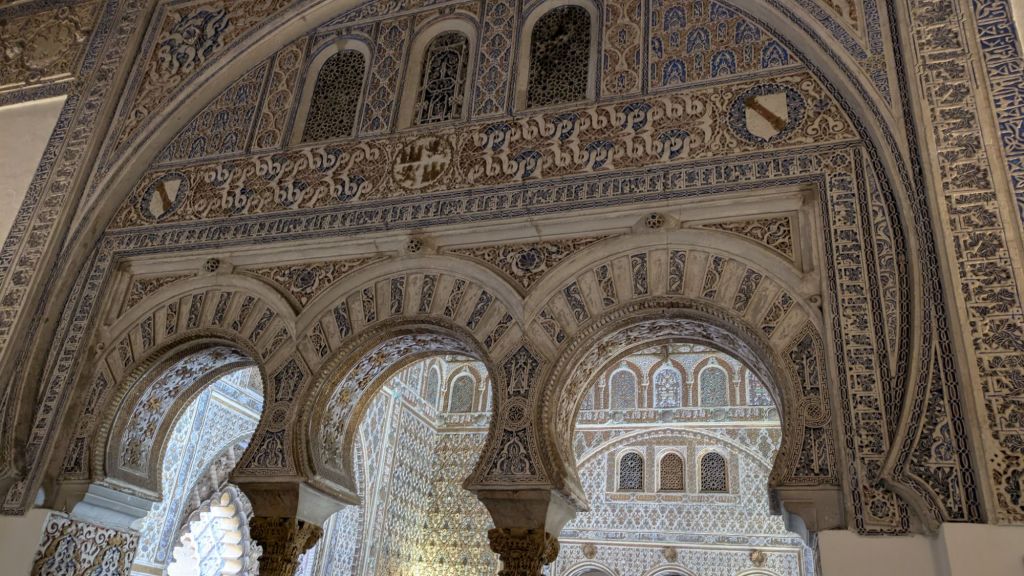
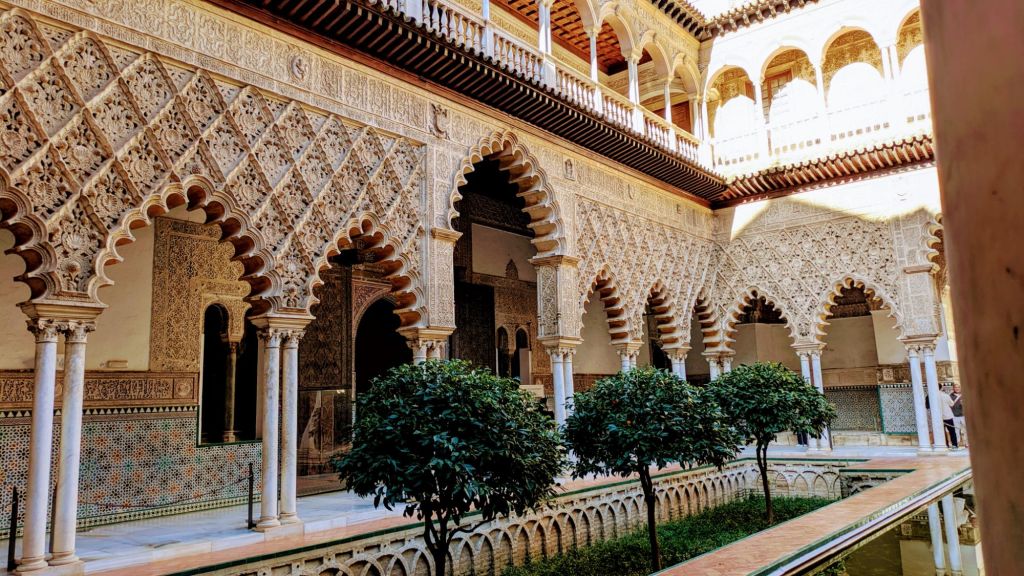
One of the best known places to visit is the Real Alcazar (Royal Palace), which is still one the official royal residences of the Spanish royal family.  A mixture of Spanish and Moorish architecture it also has stunning gardens that are cool and serene. (If you are buying a ticket on the day, you’ll need to show photo ID).
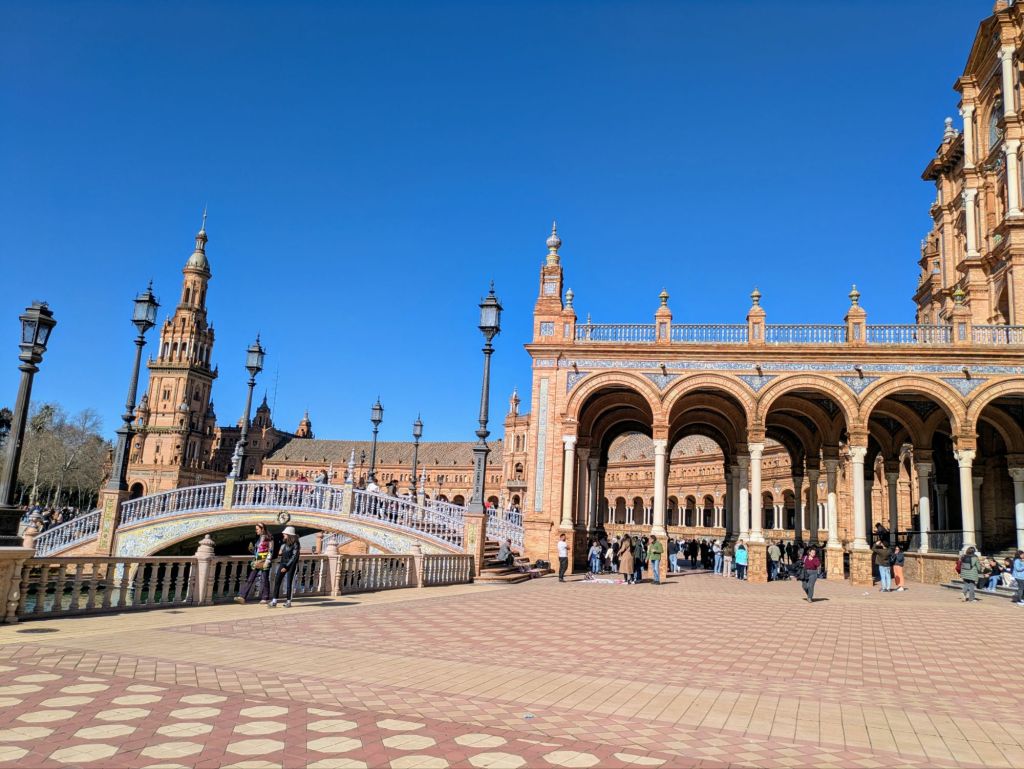
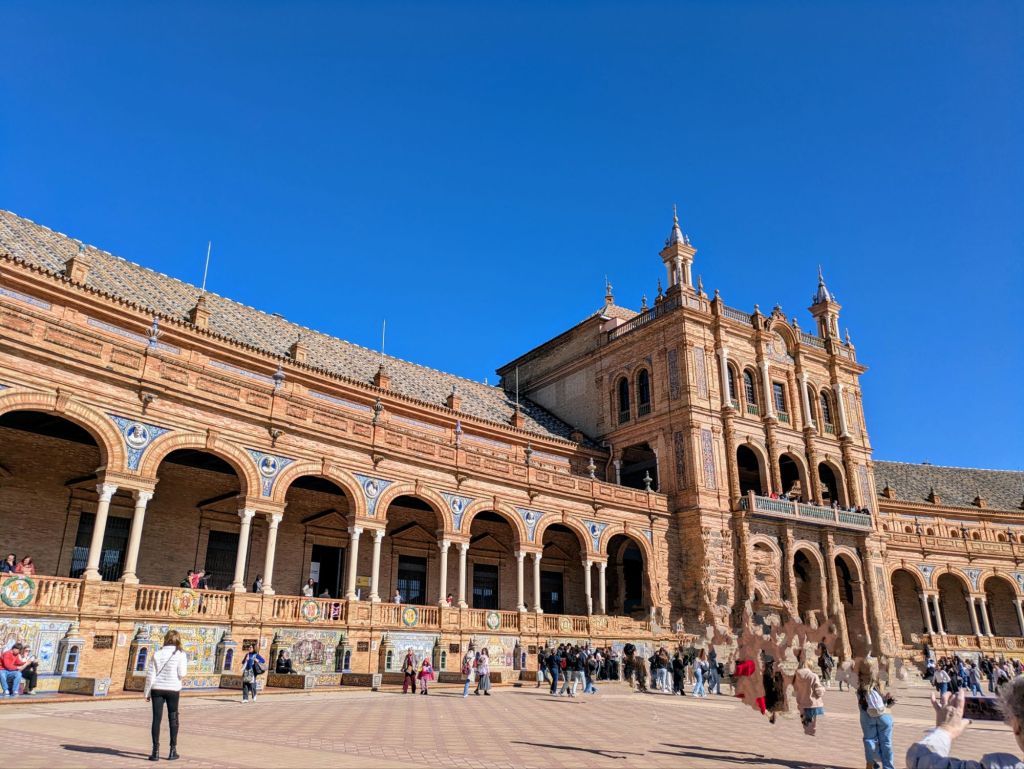
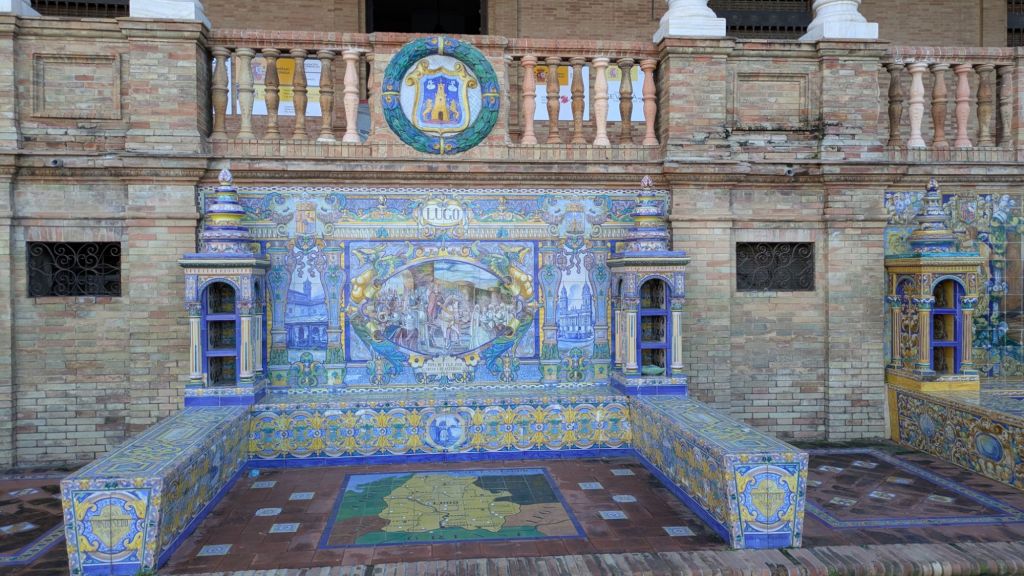
If you want a free activity and a bit of people watching the Plaza de Espania is also worth a visit.  The large plaza is lined on one side with beautiful colonnaded walkways and elaborate tiled benches (and were used as a back drop in one of the Star Wars films, I’m not a fan so I don’t know which one).  There’s also a little lake where you can rent small boats to glide around on.  You’ll probably also see flamenco dancers performing (or sometimes other street performances). 

Flamenco is a massive thing in Seville and there are multiple different shows in different venues every night, but these also sell out quickly so if you’d like to see one book in advance (it is very impressive).

The city is extremely walkable and feels very safe. You will probably  find everything you’re interested in seeing in the old town, so best to locate yourself there when booking accommodation.  You will definitely encounter women walking up to you trying to give sprigs of rosemary for luck and they may ask for a couple of coins (locals warn these women will never have change, so don’t give a note and expect money back, it’s also fine to politely say no, gracias and they will take no offence).

Iberian pork cheeks in a brandy, was the post delicious in thing I ate during the trip.

Another must see is Seville cathedral.  Richly decorated with a mixture of recoco chapels and Moorish carvings (it had previously been a mosque, but was taken over as a church when the Moors were driven out of Spain, and the large tower was used to call the faithful to prayer).  You can climb the tower if that’s your thing and you’ll be using ramps rather than steps (the Imams used to ride donkeys up the ramps to the top of the tower so they didn’t have to climb hundreds of steps five times a day).  If you want a relatively well priced cocktail with a rooftop view of the cathedral the hotel Donna Maria is a good spot.

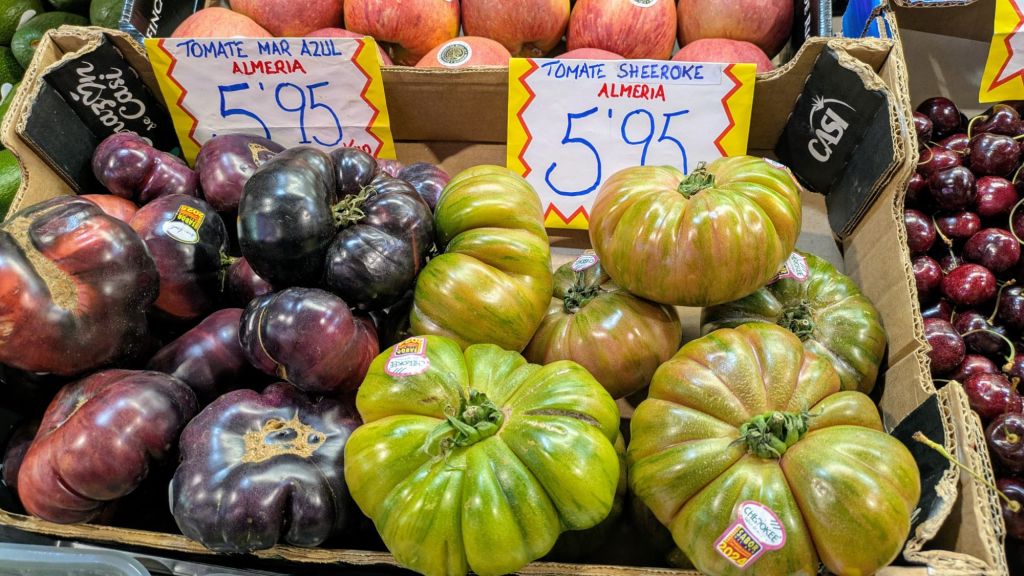
If you prefer more modern architecture the Metropole Parasol is also worth seeing.  With a viewing gallery offering great views of the city and a buzzing food market below selling fresh fruit and vegetables (beef tomatoes the size of a child’s head), as well as meat, fish and local delicacies.

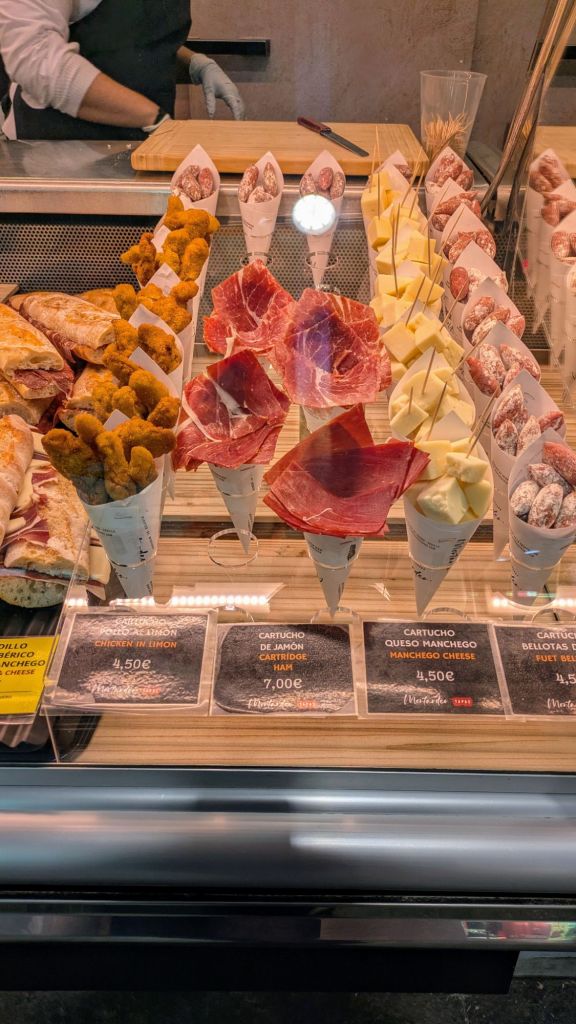
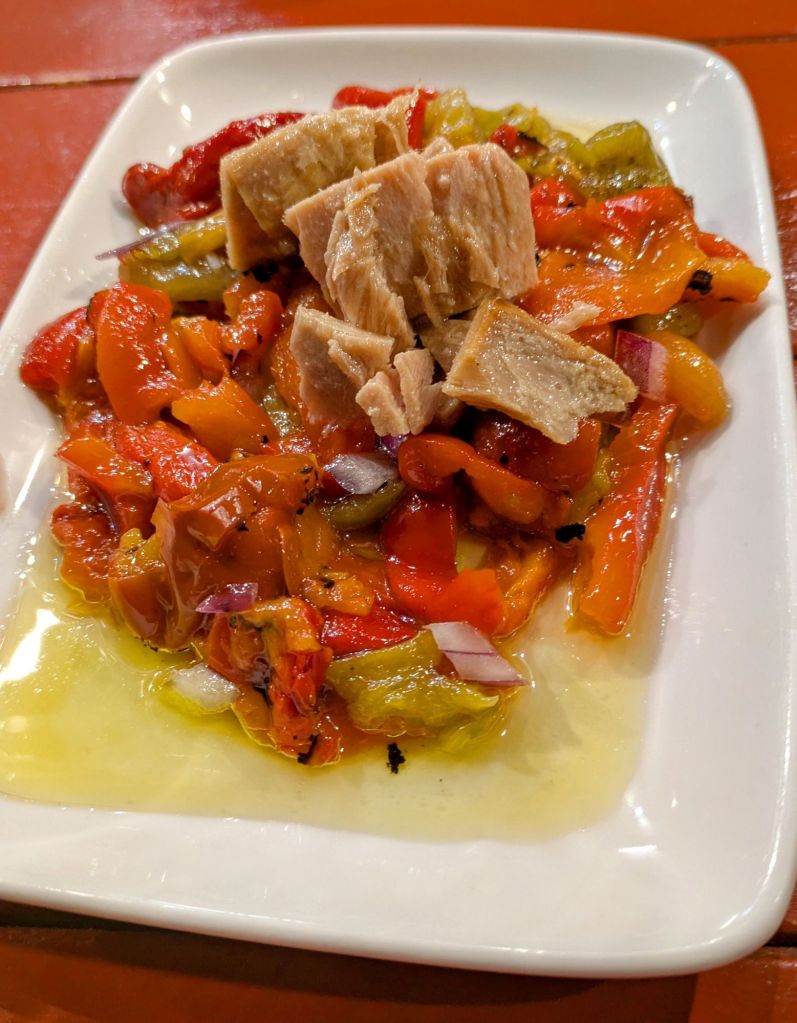
Food and wine in Seville was excellent as I expected, with great selections of tapas in most places.  I had visited Madrid before and a small complimentary tapas was served when you ordered a drink.  In Seville post places expect these to be ordered separately, and prices are from 4 euro for a small portion or you can size up if sharing.

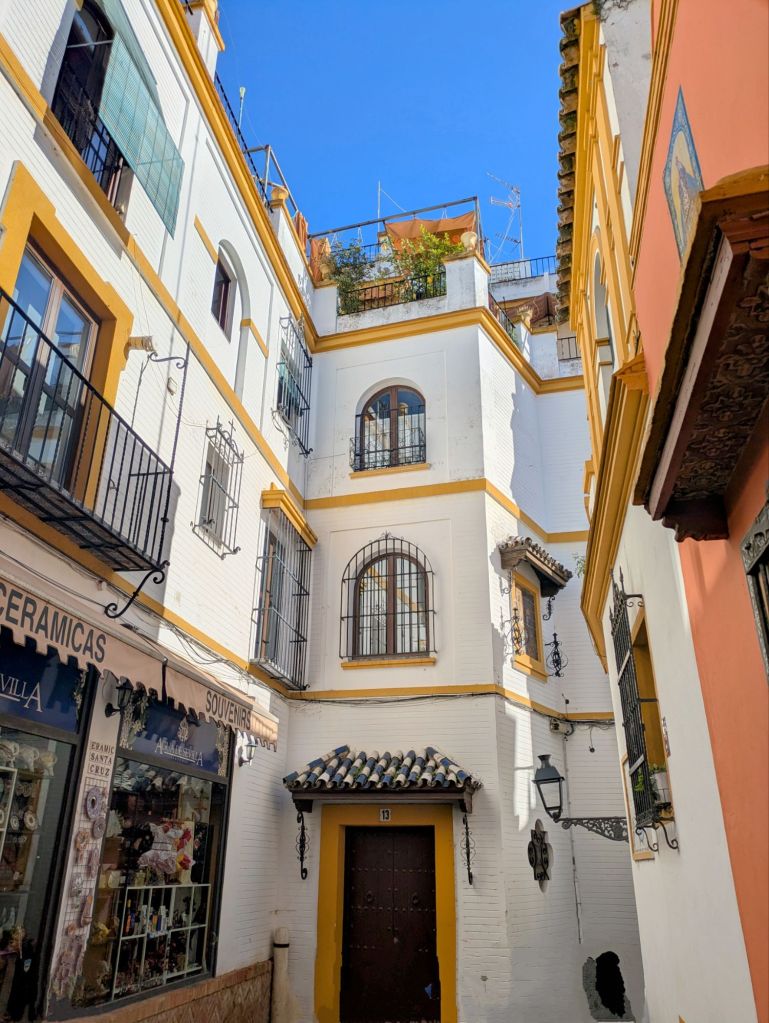
Seville is gorgeous with lots of history, beautiful little squares lined with orange trees to sit down and watch the world go by.
Hanoi – Vietnam

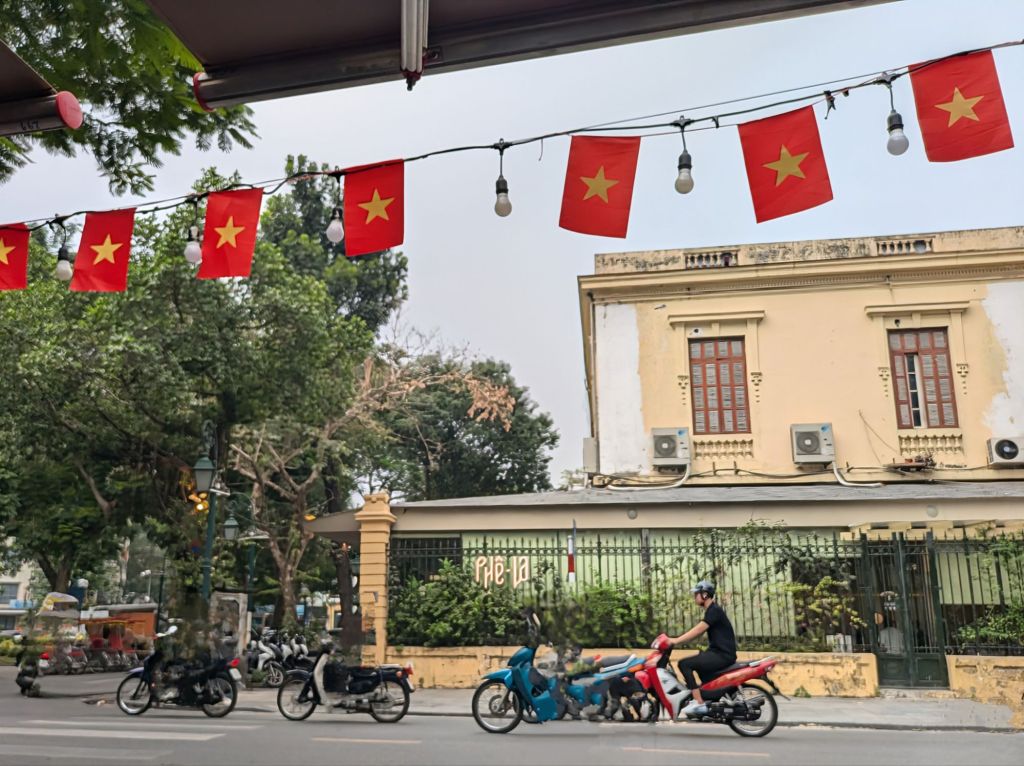
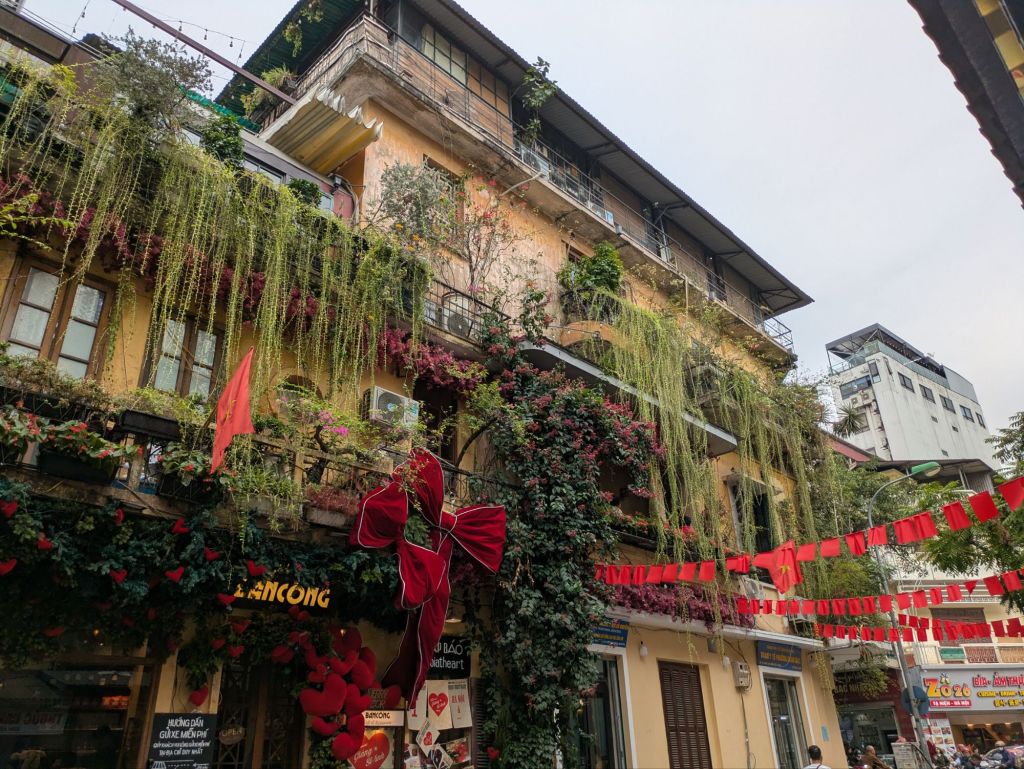
I’m not going to be coy, I absolutely loved Hanoi.

I didn’t know a huge amount about Hanoi or Vietnam so wasn’t sure what to expect (which is probably the best way to visit a place).

That being said Hanoi has a serious smog problem, so if you have serious respiratory issues, definitely wear a mask and keep an inhaler handy.  The city is home to more than 8 million people and has at least 6 million mopeds.  The country is working on building their own electric vehicles but the cost makes these inaccessible to most people. 

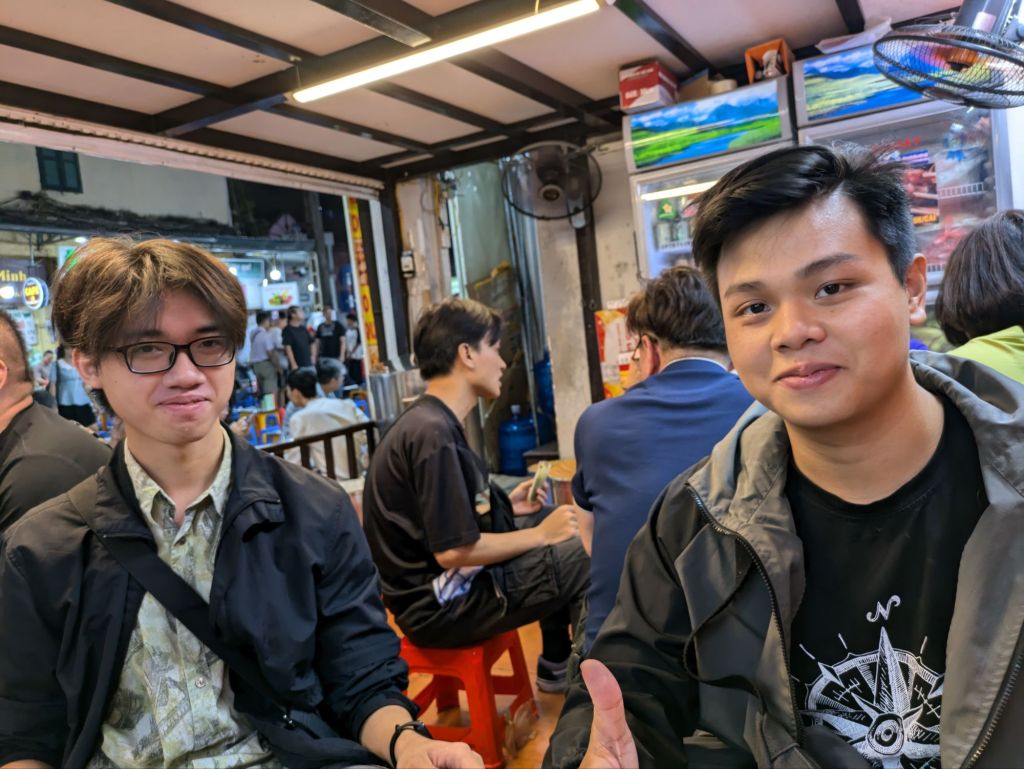
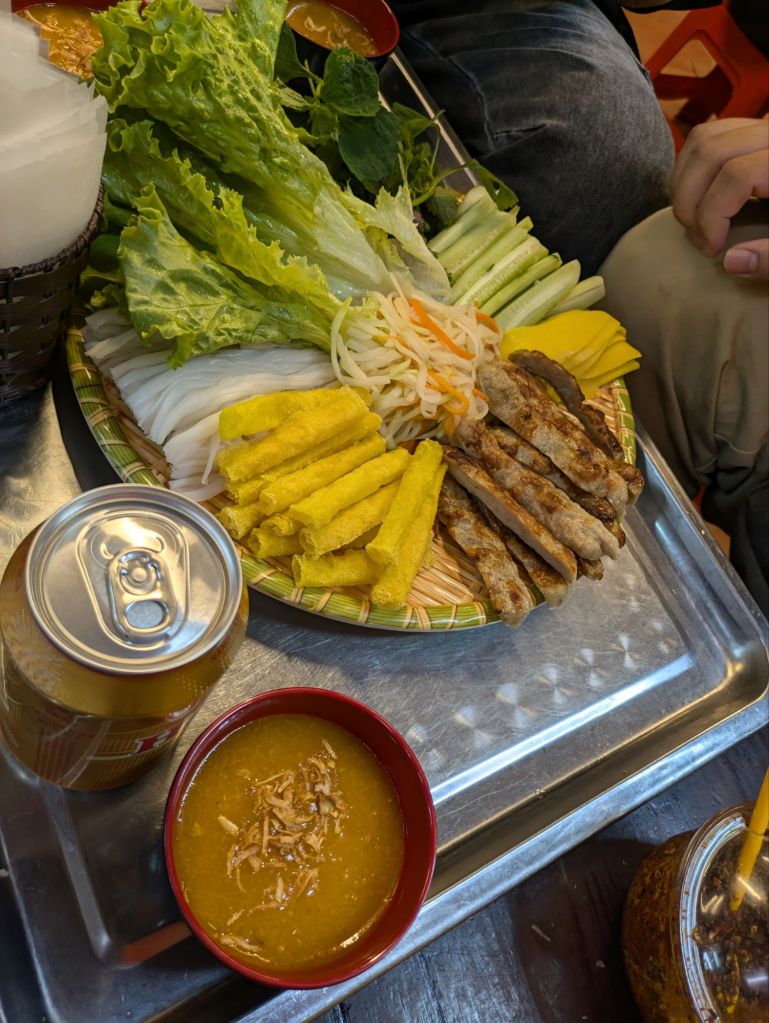
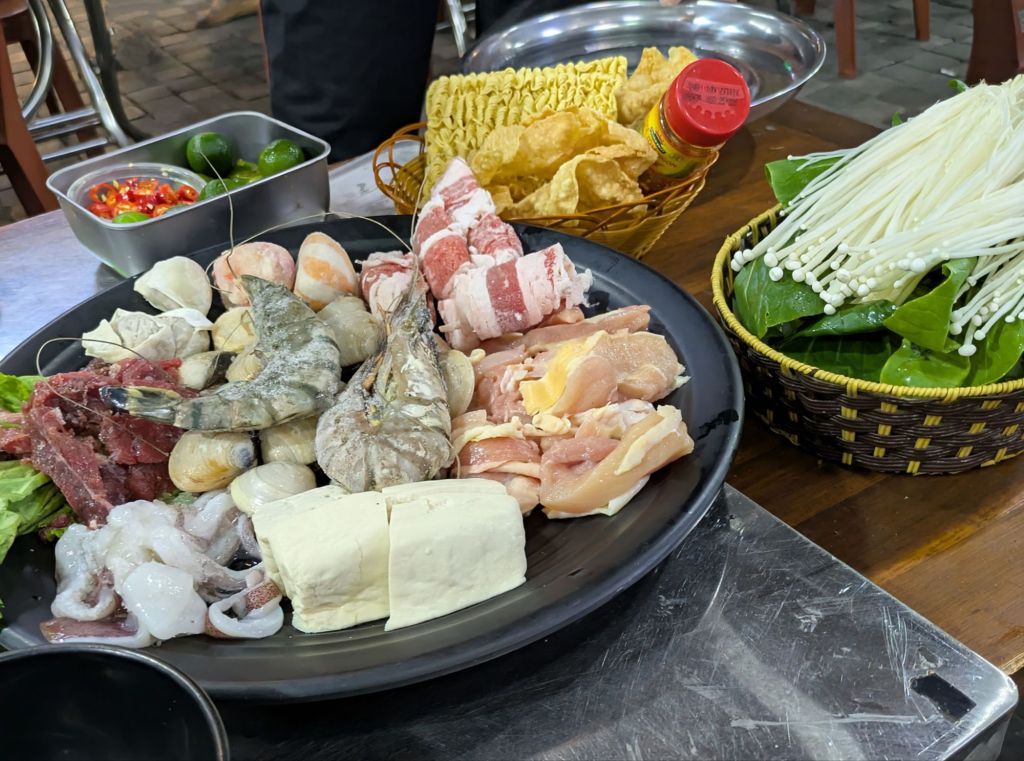
If you want to learn more about the food or culture of the city I would definitely recommend  getting in touch with Hanoi Kids, http://www.hanoikidsorg  This is a non profit organization where college students meet up with you and can show you around based on what your interests are (and also gives the students a chance to practice their already excellent English).  We met up with 2 fantastic students Tom and Noonn who were great company.  I wanted to know more about the city’s food scene and they took us to places we would never have ventured (I’m talking up back alleys to eat delicious Pho at the back of someone’s house).  There is no formal charge for this, but you should tip your guides well as they do an excellent job and this goes back into the club.

They also introduced me to Vietnamese egg coffee.  The thought of egg and coffee in the same cup didn’t sound too appealing, but it’s definitely worth trying (and doesn’t taste eggy).  It was invented after the war when dairy was scarce.  The coffee is almost a mousse and would remind you of tiramisu and the cup is served in a bowl of hot water to keep it warm.  Coffee with condensed milk is also popular and Vietnam grows and produces excellent coffee.

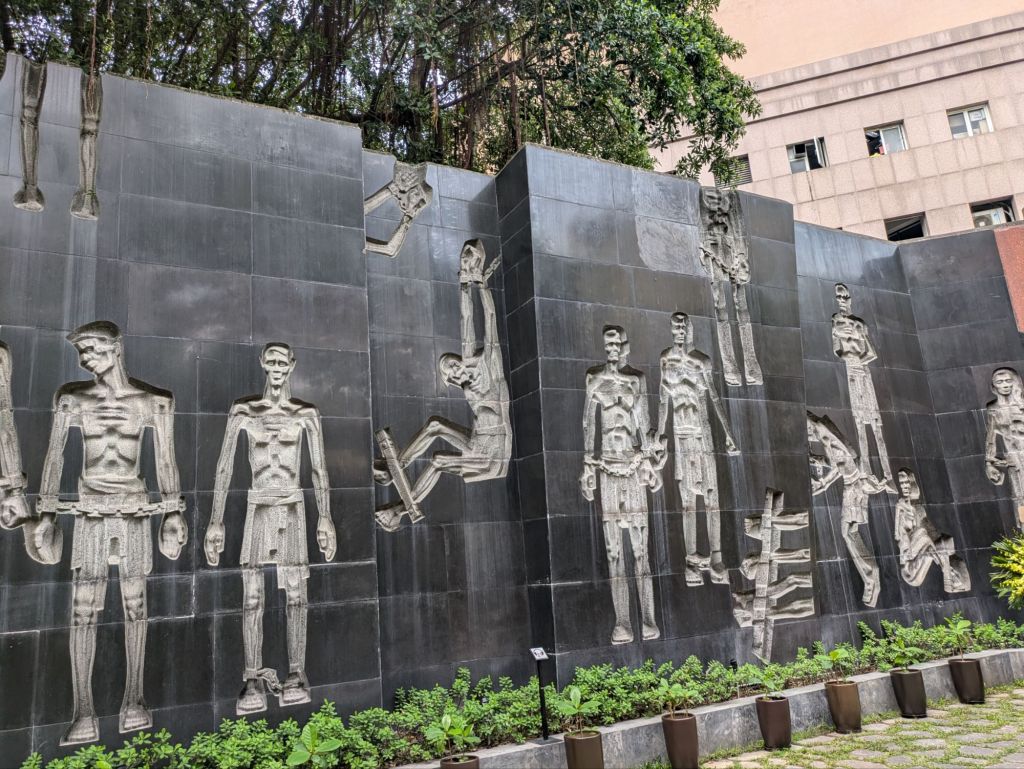
The city is full of history, and the Hao Lo prison should definitely be on your itinerary.  The prison was formally known as the Maison Centrale, and was a large foreboding prison expanded by French colonial forces when they invaded the country in the late 19th century.  Needless to say the French did some very bad shit and the Vietnamese people were treated appallingly while fighting for independence.  Being able to stand in the cells, see the guillotine used and hearing first hand accounts from prisoners brings a very dark period to light and shows the bravery and resilience of the people.  The prison was also known as the Hanoi Hilton and was home to captured US military pilots in the 1960s and early 1970s.  The exhibition showed some of the military personnel from both countries working together since the war to help identify and repatriate those who died in an attempt to reconcile the past.  This was a very moving place to visit and gave a good background on Vietnam ‘s more recent history.

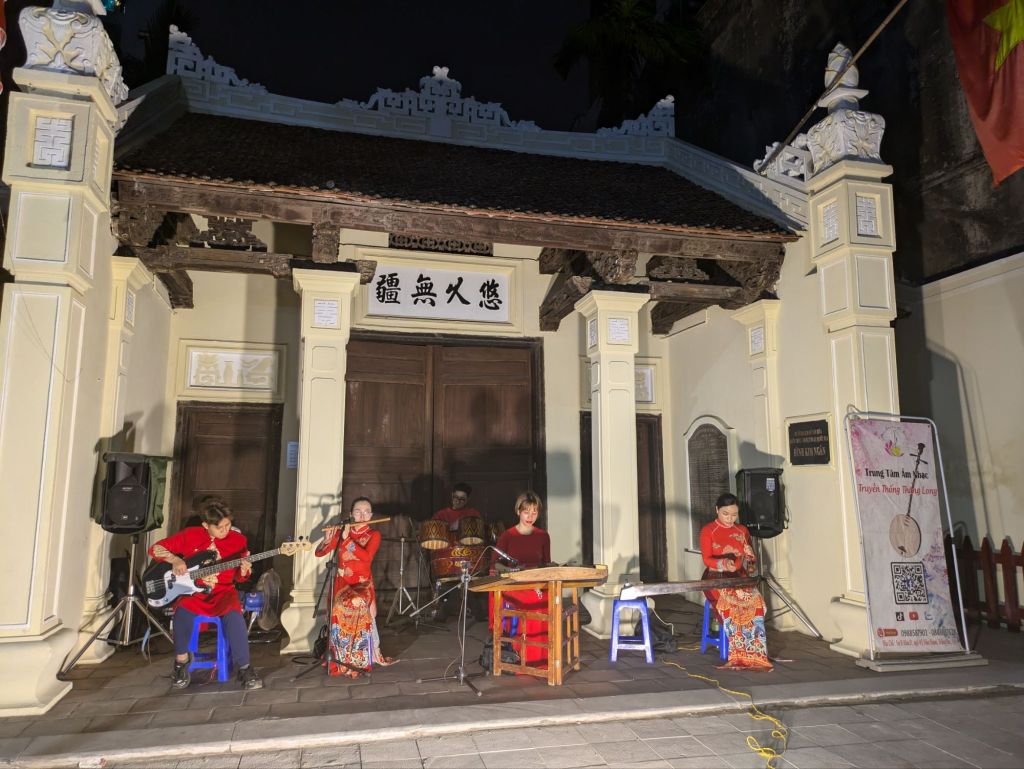
If you feel like a slightly lighter visit, the Thang Long Imperial Citadel is also worth a visit.   Located in central Hanoi, the citadel dates back to the 10th century and was home to different dynastic royal families and imperial administration.  Historically, doctorates and laureates were awarded at the citadel, so when we visited a lot of high school kids were graduating and it’s traditional to visit the site.  There were also several school field trips with younger kids visiting who were exceptionally sweet and well behaved, shouting hello and waving to us.  Education and literacy are extremely important to the Vietnamese and you will see book shops everywhere.

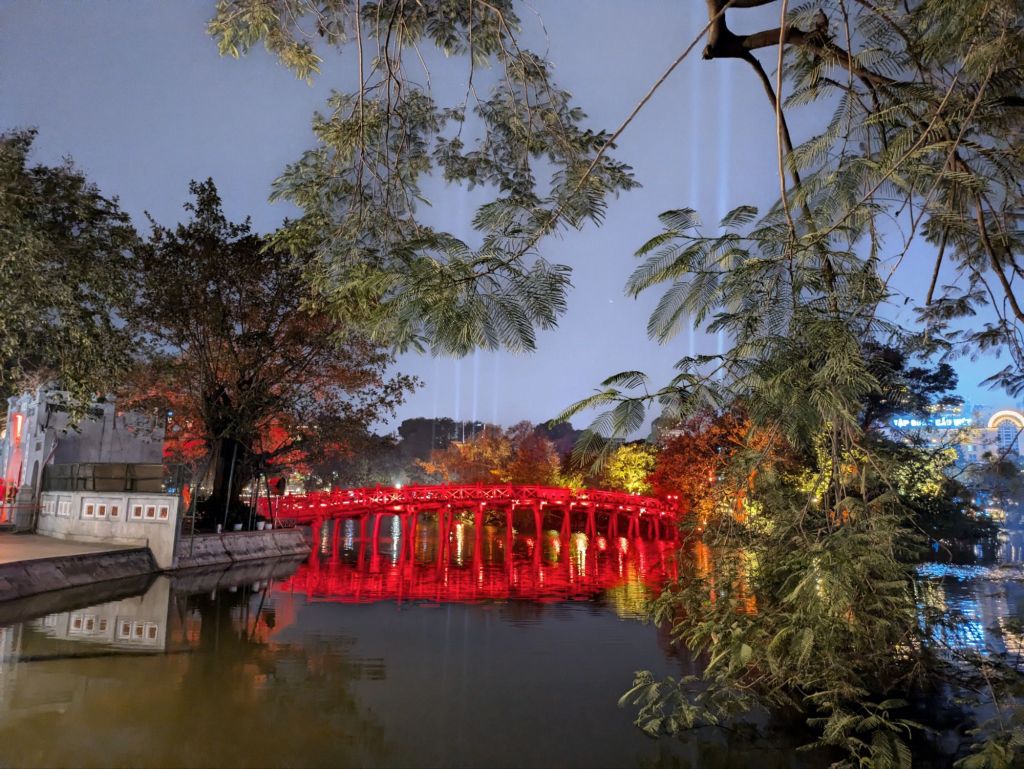
While the city is large, if you base yourself in either the old or French quarter you will probably be within walking distance of most of the sites worth visiting.  The area around the Thang Long lake is pedestrianised at the weekends and you’ll find families out with young kids enjoying street entertainment and night markets and it is a great way to kick back and enjoy the city.

 If you’ve had enough walking but aren’t going to far, you can also take one of the bicycle rickshaws you’ll see across to the city.   I’m still going to recommend using the ride service GRAB (not sponsored by them, but open to it).  You can use this to book a taxi, or hop on the back of a moped at a cheaper rate (no amount of money would pay me to do this, as traffic signals seem to be little more than a suggestion).

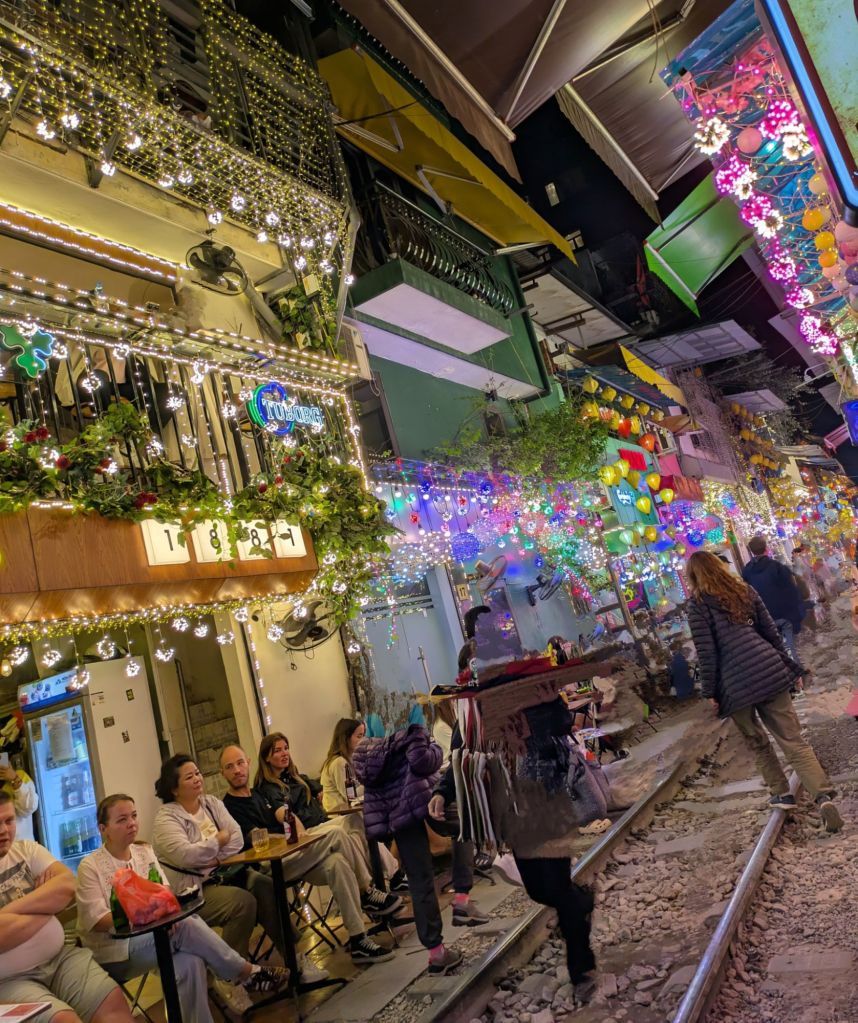
No visit to Hanoi would be complete without a visit to Train Street.  It is literally a narrow street lined with bars and cafes where you can watch a train cut right through the middle of the street.  It’s great fun and worth dropping by when a train is due and the surrounding streets also have great places to eat and drink.  Small low seats and tables right on the street are normal, but you can also find higher seats easily enough.

Hanoi is excellent value for money if you’re on a budget and you’ll enjoyed meeting the people who were warm, funny and friendly.

Bangkok – Thailand

I had never been to Bangkok before and the adjectives for it are enormous, crazy and scorching hot.

It’s a city of massive contradictions.  The traffic is like nowhere I’ve ever seen.  Apparently it has the second most congested traffic in the world, with more than 4.5 million people living in the city.  We spent over 2 hours trying to go 4 kms in rush hour.
There is public transport including an MRT train line, buses and the ever present tuktuks.  If you haven’t been on one before they are great fun on a night out, with bright neon bands and music pumping.  They are also slightly terrifying as the drivers also have a blatant disregard for the rules of the road, and I swear one went up on two wheels when we were going around a corner.  Like with taxis, a good tip is to agree a price before you set off.

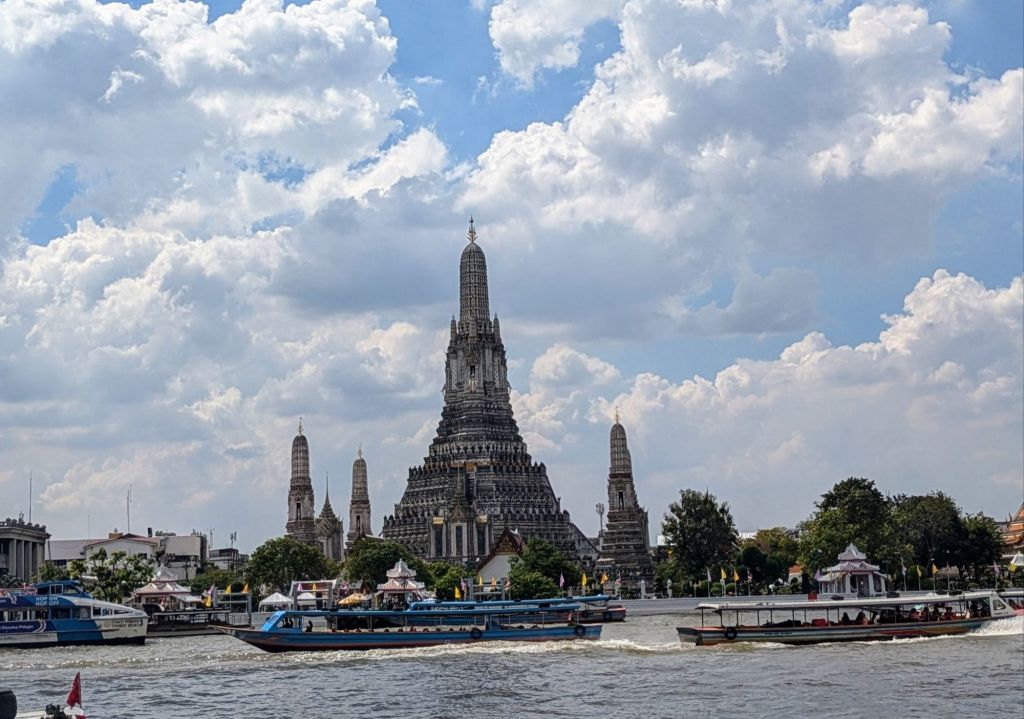
You can also get to where you need to go along the water, with ferries and river taxis being cheap and frequent.

You’ll be surrounded by food wherever you go, and you can’t walk more than a couple of metres without finding a food stall providing cheap and tasty food of every description or cold drinks that you will definitely need.  The food from the food stalls was great and cheap, as always look for stalls where the locals are eating and have a good turnover, and don’t get cocky with the chillies they are wickedly hot.  I guarantee you’ll become addicted to the mango and coconut sticky rice sold everywhere.

I was staying near the ICON SIAM Mall and if you want to enjoy a variety of Thai food with some air con it has one of the best and prettiest food courts I have ever seen, with sections offering food from each region of Thailand, as well as food from other Asian countries. You can also pick up pretty cool food related gifts here too.

As a keen cook I treated myself to a morning learning to cook Thai dishes and included a visit to a local food market and tuktuk ride back to the cookery school.  Ping, at the Sabeing cookery school was our guide/instructor and gave lots of really is interesting information about Thai cuisine and ingredients and if you get a chance to visit Bangkok I would definitely recommend it.

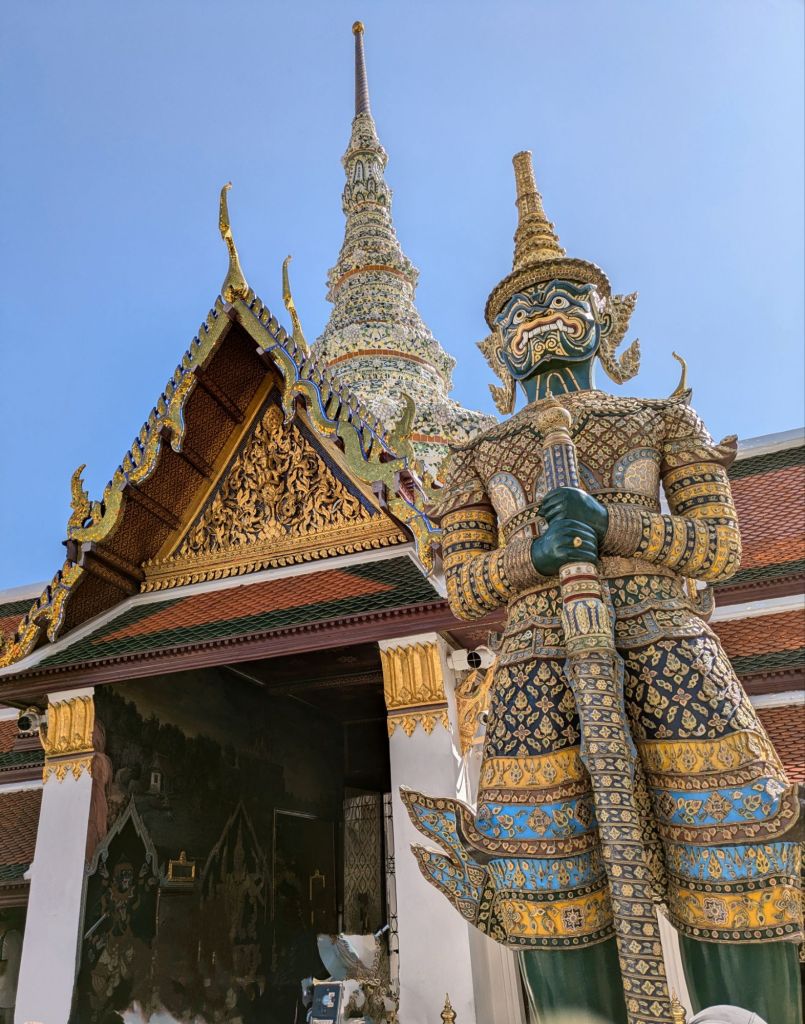
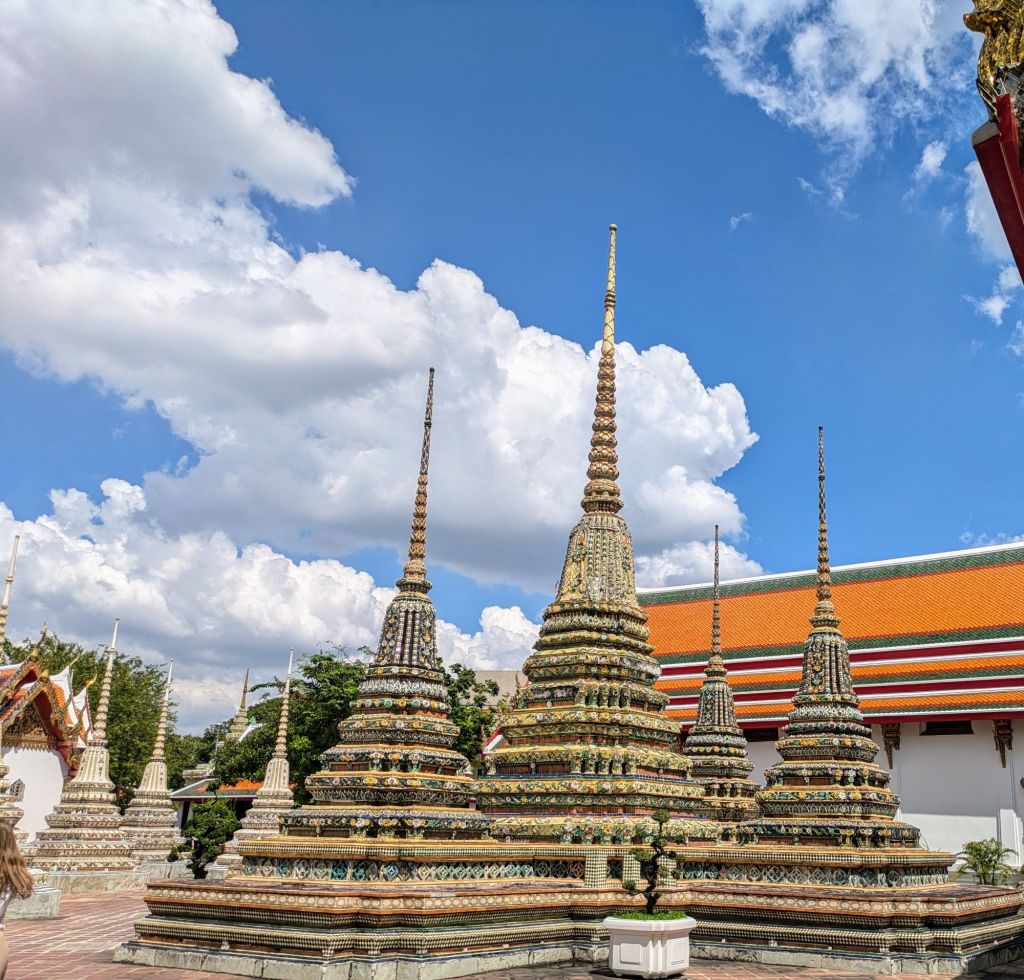
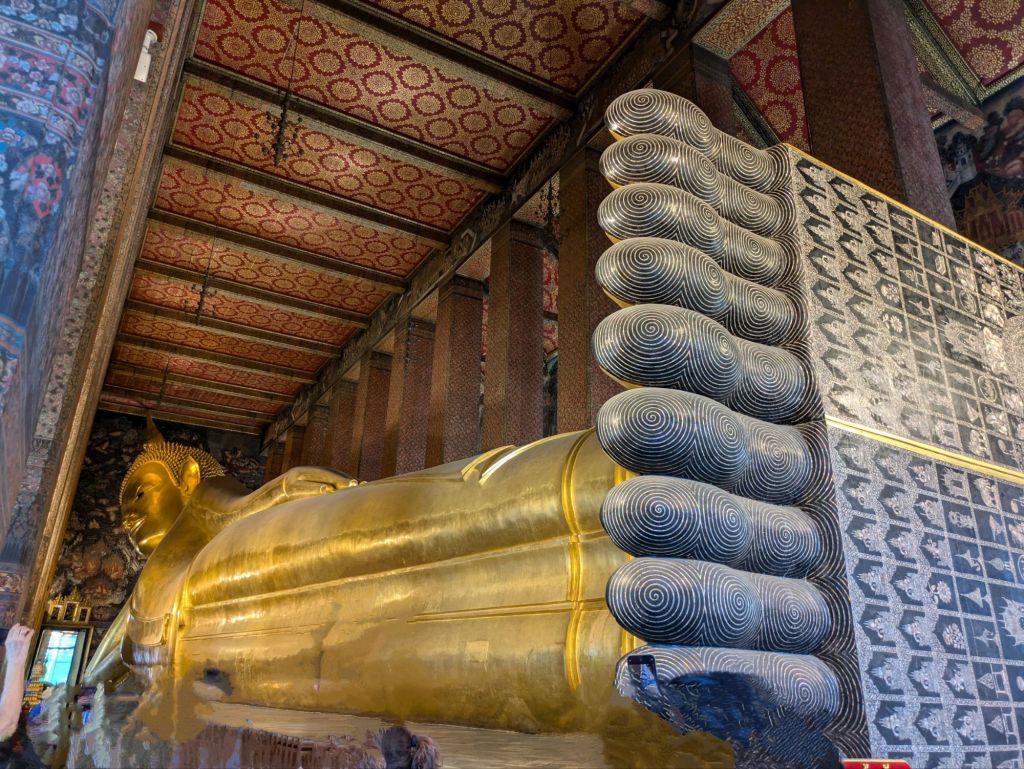
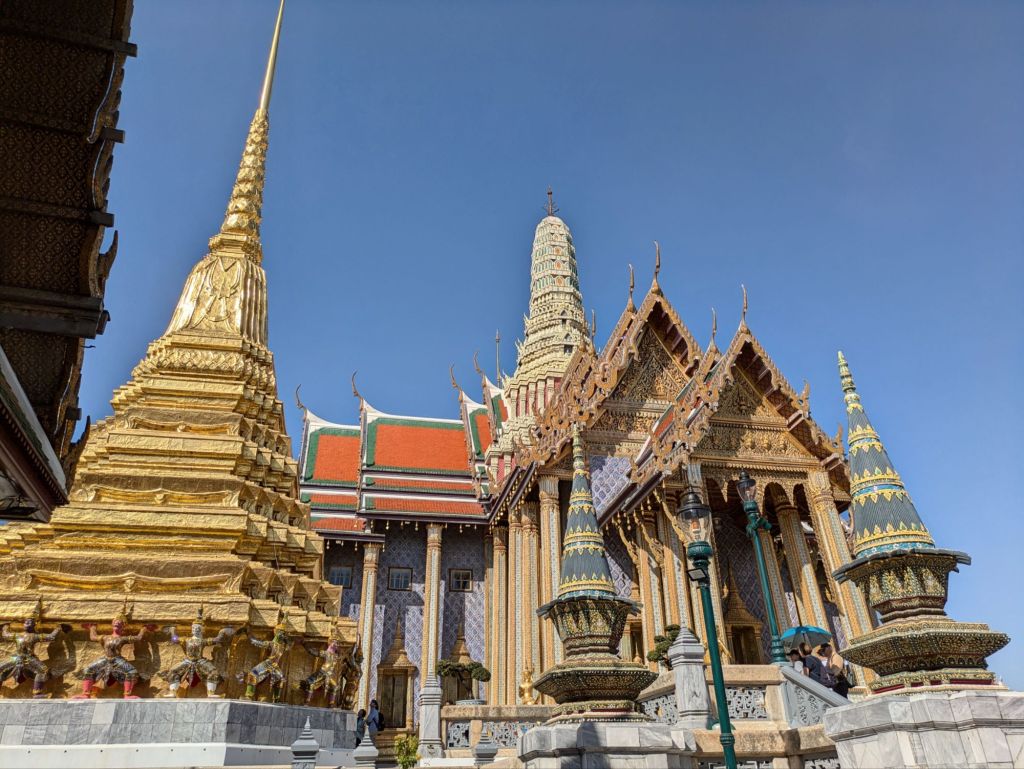
As a kid I was enthralled by the movie, ‘The King and I’  (I only learned recently that the Thai people are not fans of the film, and in hindsight I can understand why it is problematic) but still wanted to see the royal palace, which did not disappoint.  Richly decorated and full of history, it was everything I hoped it would be.  I also walked another 10 minutes along the river to Wat Pho, the temple is the site of the giant reclining Buddha.  (Quick traveller tip, on the way to Wat Pho you may be approached by tour guides telling you the site is closed today, but they can show you other sites, this is usually a scam)

 Like most sacred sites and in the palace you’ll be expected to cover up if you’re showing too much skin, and behave respectfully.    Within the grounds of the temple there is a massage school, and if you’re tired from site seeing, this is a perfect chance to rest and have an exceptional massage for around £10.

I would recommend everyone to treat yourself to an authentic Thai massage if you’re visiting, and prices seemed to range from £6-£10.  If you’ve never had an authentic Thai massage before you’ll probably be asked to change into loose pyjamas and you’ll lie on a low platform often in the same room as other patrons.   Then a very sweet smiley lady about the size of a nine year old boy will twist you like a pretzel and work you over like you owed her money, using her hands, elbows, knees and feet.  Don’t be surprised if they kneel on you, digging both their knees into your butt cheeks. However, stick with it because you’ll feel like a million dollars after it.

Bangkok is famous for its night life, and if you’ve ever watched The Hangover 2, it’s totally within the realms of possibility that some people could go totally wild.   I didn’t get a chance to visit Kaoh San Road (which by all accounts is the place to go if you’re interested in hard-core partying). I did visit the Pat Pong night market which was good for knock off clothes and tourist tat.  It also has a pretty vibrant bar scene.  Some hostess bars had worrying young looking girls enticing customers in (I’m trying not to be judgmental, as I was talking to a young Thai woman at my hotel who looked about 11 but was actually 22).  Street touts will also try to encourage you into drag shows  and “ping pong” shows (and we’re not table tennis!)

Bangkok is pretty hectic, but you should definitely be able to find something you’ll love whether it’s food, shopping, nightlife or history and culture.

Singapore -Simply Sensational

You know you’ve landed somewhere pretty special when even the airport has a waterfall, monorail and butterfly garden.  It’s also amazingly well run, efficient and pleasant to travel in and out of.  It’s a no announcement airport so it’s surprisingly calm without constant intelligible “bing bong” announcements so it’s important to check your flight details.

If you haven’t visited Asia before Singapore is an excellent entry way.  As a former British colony English is widely spoken, signs and announcements are also in English (they also drive on the left hand side of the road).

The city itself is a beautiful mix of historic buildings and iconic skyscrapers.  It’s a lot greener and less frenetic than cities like Hong Kong and Bangkok.  It is also an important financial and business and hub, and it’s clear there is also a lot of money floating about the place. But the city also has a fascinating history and has been a crossroads for multiple cultures. 

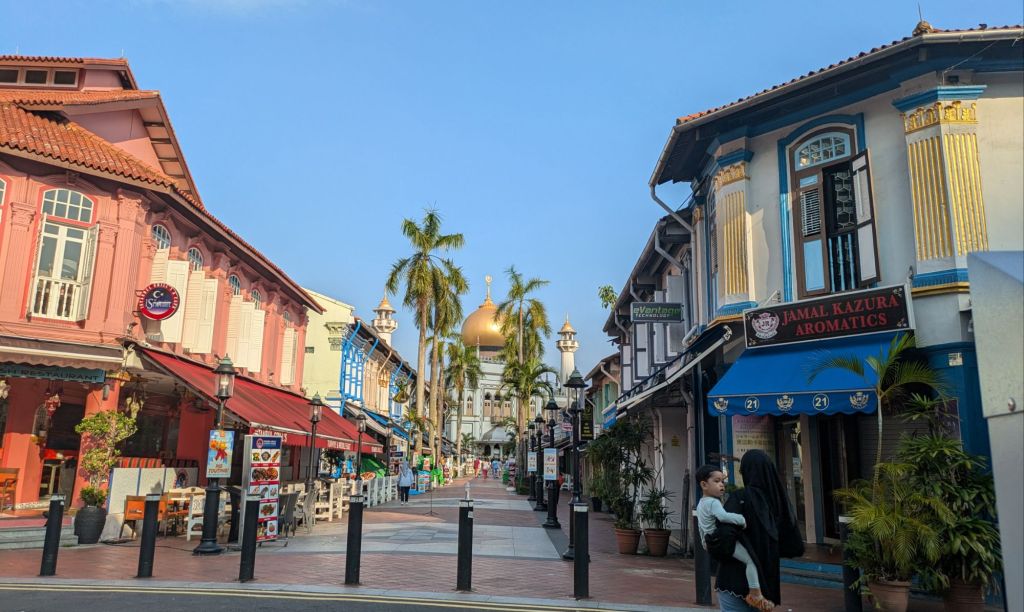
The local indigenous population refer to themselves as Hainese.   Throughout the city you’ll find other communities like Arab Street and Hagi Lane where you can find the beautiful Sultan Mosque, where Muslim merchants originally settled and you can find multiple pretty little Turkish, Indonesian and Malaysian restaurants. 

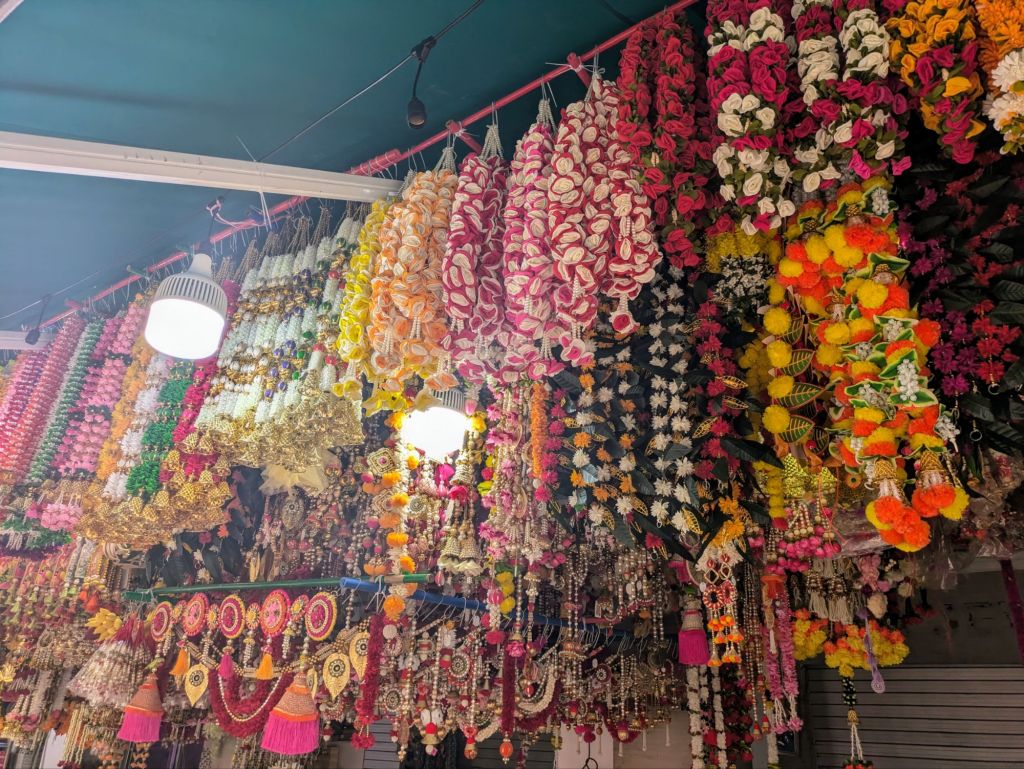
Walk about 10 minutes and you’re in Little India, there is also a sizable China Town, with endless places to eat, a night market and beautiful ornate Hindu temple.

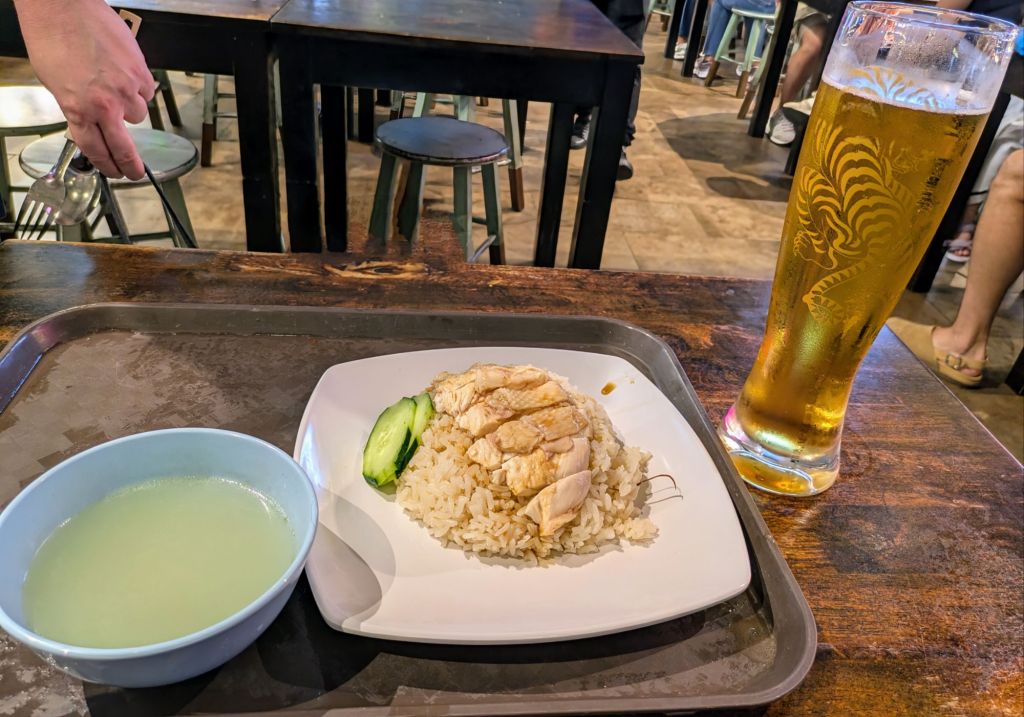
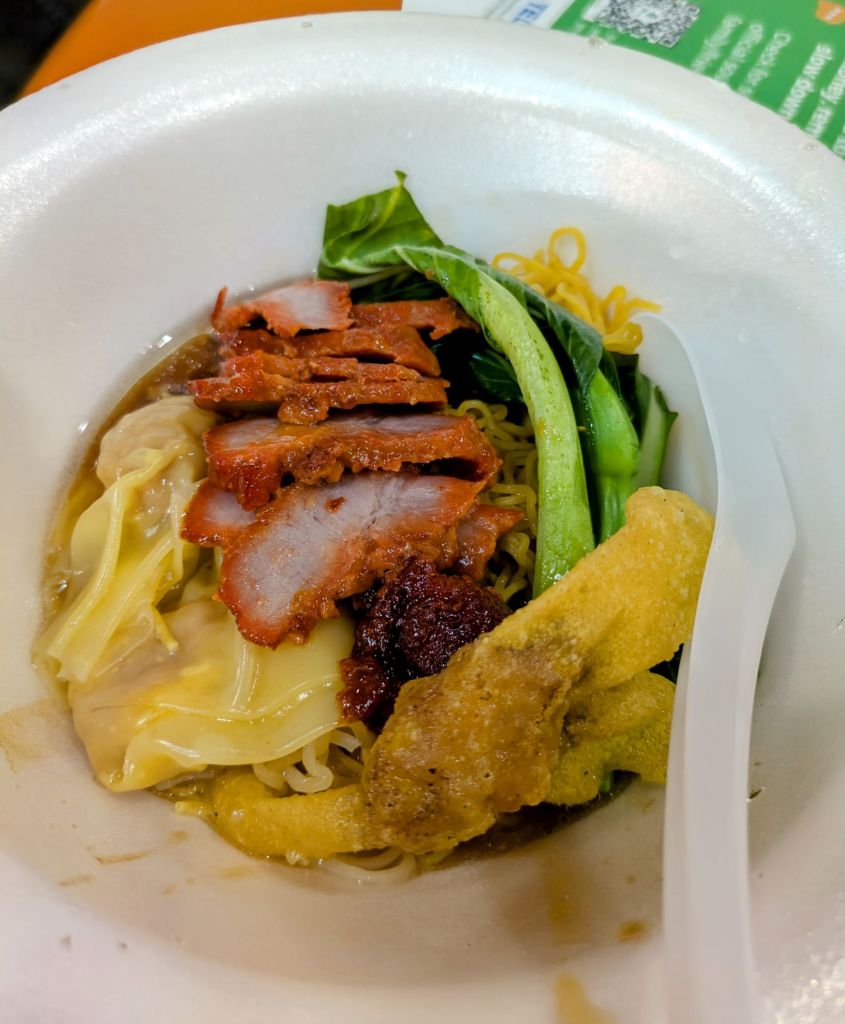
Hawker markets also play an important part in the food culture of the city, producing over 1 million meals daily, as it’s common for locals to eat out daily.  They are essentially food courts where you can buy everything from the local speciality of chicken and rice (poached chicken and rice served with a simple but tasty chicken broth and costs about £3.20), through to other dishes from all over Asia. 

The Lau Pa Sat hawker market was probably my favourite but is popular with tourists, it runs alongside what’s known as Satay Street.  As you’ve probably guessed you can find multiple vendors cooking and selling satay skewers with chicken and  prawn being the most popular, but frankly I thought it was overpriced, with food inside the hawker market being better value.  The Maxwell hawker market in Chinatown was probably more authentic but maybe less fancy.

Singapore is incredibly easy to get around, the airport is only 30 mins from the city centre, and it has an excellent underground railway system (MRT) with fares costing around £1, and you can just tap your debit card going through the turnstile, so no queuing for a ticket.  There is an option for a tourist pass depending on what you’re planning but I found it cheaper to just pay as I went.

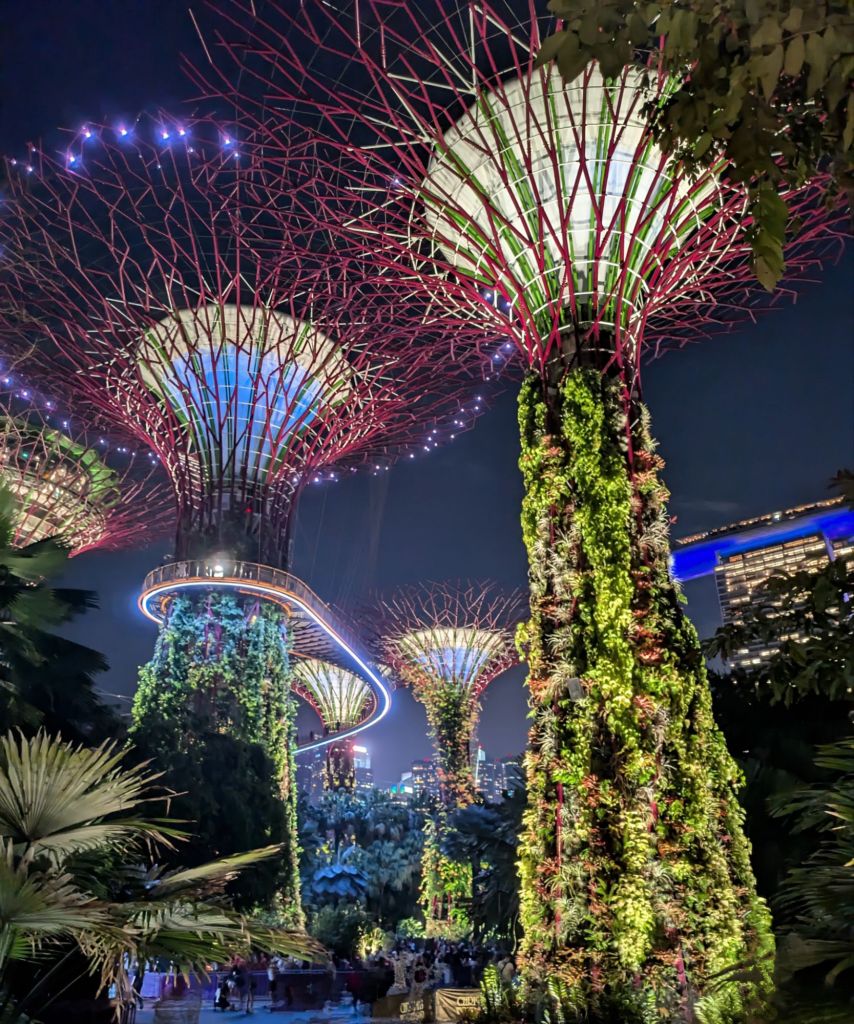
The one thing I would recommend to anyone visiting Singapore is to visit the Gardens on the Bay.  It’s a huge parkland that is free to visit and contains the iconic tree structures that resemble something from an alien planet or Jurassic park.  There is an amazing light show each evening on the hour (this was honestly my favourite thing I did), and if you’re visiting during the day you can visit the Cloud Forest, an indoor botanical garden specialising in exotic plants and orchids, as well as the Flower Dome.  You’ll need to pay in to see these as well as the viewing deck for the large tree (not to be recommended if you have a fear or heights). 

Ask anyone who has ever been to Singapore and they’ll tell you how clean it is.  Chewing gum is banned and smoking outside is banned except for designated areas with a green bin.  On more practical considerations, if you need to use your phone  lots of companies offer online Esim cards that work in several different Asian countries if you’re travelling, but ordinary sim cards can be purchased everywhere if your phone isn’t compatible with Esim cards.  While the public transport system is excellent, I used the Grab transport app a lot when travelling  in Asia (they haven’t sponsored me, but if they’d like to I’m definitely open to it).    A bit like Uber you can book pick ups, there is a translate function and you can also take a photo of where you are, which was really useful if you’re in a busy street and makes it easier for the driver to find you, as well as knowing what the fare is up front and avoiding the need to haggle to agree a fare.

Singapore is a beautiful city, but very hot and humid.  The best piece of advice I can give apart from staying well hydrated is to get up early and to see things, it’s less crowded and cooler.  You’ll also avoid the torrential thunderstorms that happened every afternoon when I visited and were pretty cool.

Bologna (not just Bolognese)

About 30 minutes by train from Florence you’ll find Bologna (arguably the food capital of northern Italy).

Most of us have eaten spaghetti bolognese, and the locals are slightly aghast at our version.  Firstly they use tagliatelle (never spaghetti), the sauce is more meat heavy, sometimes using a mix of pork and beef and only a small bit of tomato is used to make the sauce a more appealing colour.

What the locals are really obsessed with is tortolini in broth (compulsory at Christmas, with people putting their orders in to local pasta shops months in advance) and the larger tortoloni served with butter and sage and usually filled with the region’s famous cured meats like mortadella or salami.

The city offers various food tours and if you’re a foodie I’d highly recommend going on one.  You’ll be able to taste some outstanding food and wine, visit great places and meet cool and interesting people.  I’d recommend going hungry, as the samples are generous and I needed to go lie down after mine and was in a food coma for several hours.

The city’s history dates back to before the Romans, with the oldest university in Europe, in existence since the 11th century.  It still has a huge student population and there’s no shortage of good affordable places to eat catering to them.

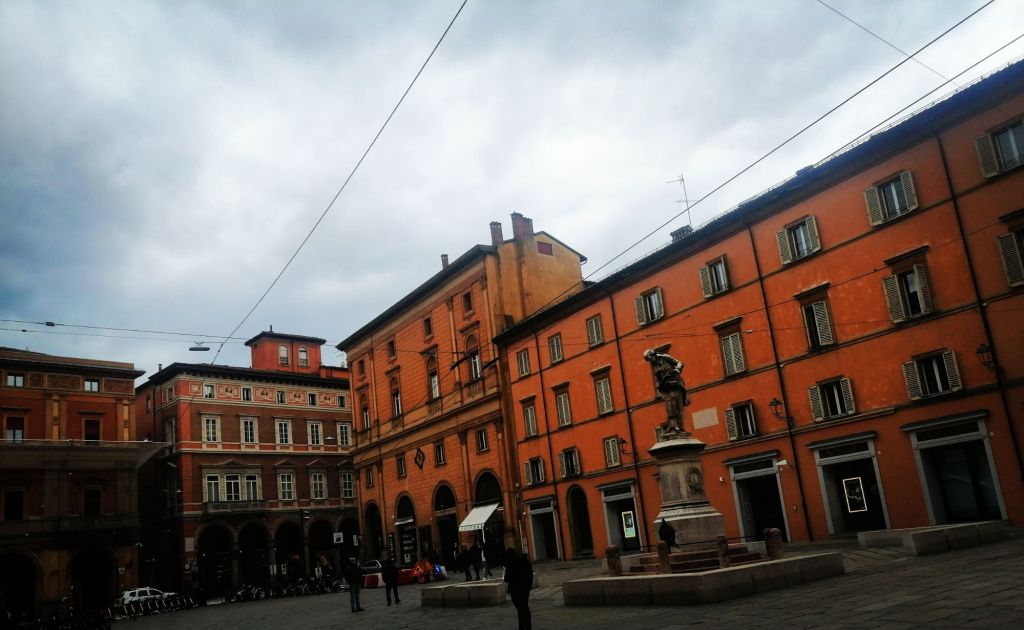
The city is definitely a bit rougher around the edges than other Italian cities I’ve visited but is probably more authentic and less touristy.  Bologna’s nickname amongst Italians is il Rosso (the red one).  Due to the colour of the buildings and the city’s history of left wing politics. In reality the city’s buildings are various shades of red, orange and deep yellow making it especially pretty in the evenings as the light begins to fall.

You’ll also find covered portico walkways all over the old city (40 km worth).  These were built from the medieval age onwards as a way of resolving the issue of accommodating all the students in the city.  The streets were already small and narrow and the town council didn’t want to use up any more valuable space.  So building owners could build up from the first floor and the street level was unaffected, as people could still pass below.  (Quick traveller tip, if visiting, research where you are staying.  I stayed on a street with 3 bars close by, all of which had outdoor seating. The bars here close at 3am, and the street scene afterwards can be “lively”.  My host left me a set of ear plugs which should have been my first clue).

There are plenty of different tours if you want to find out more about city’s history but if you’re a petrol head you can also book visits to the Ducatti and Lamborgini factories close by.  I got talking to a Dutch biker who had visited the Ducatti factory and he was quite misty eyed and super impressed by it.  There is even a police car Lamborgini donated by the factory.

Bologna is well worth a visit and has something for everyone.

Sienna and the Chianti Region

If you’re staying in Florence it’s easy to arrange day trips to neighbouring cities like Sienna and Pisa, with stop offs to visit local wineries (do your research as these can vary in quality depending on what you’re looking for).

I opted for that visited Montereggianni, Sienna and San Giammano.

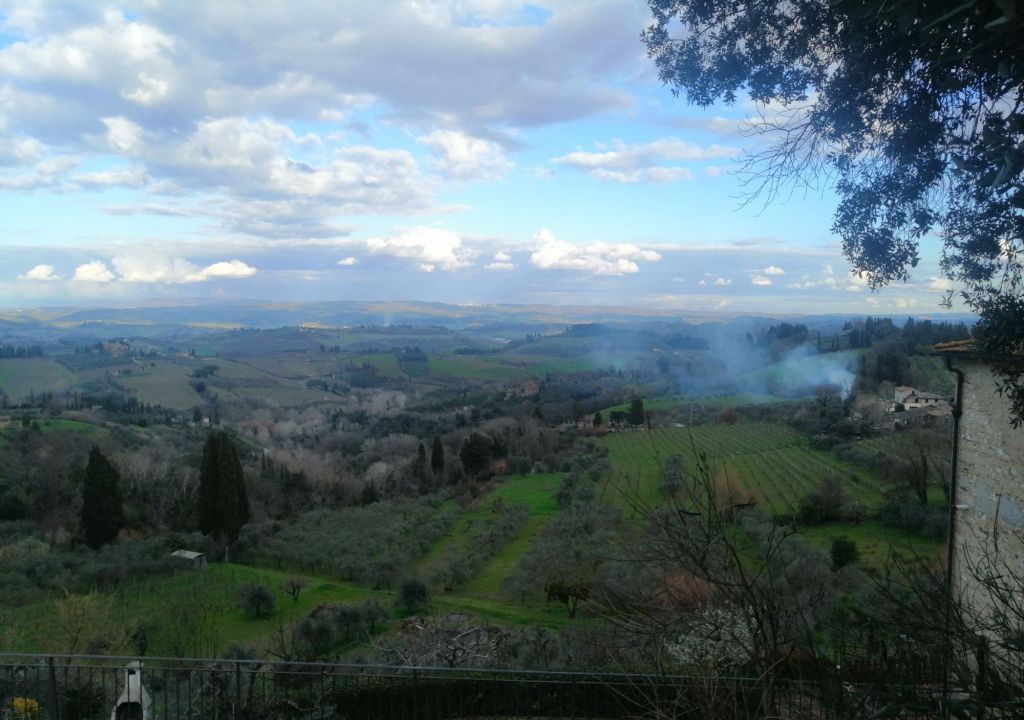
The medieval hill town of Montereggiani with its 14 towers was called the crown of Tuscany by Dante.  The town is tiny with currently only 40 inhabitants, but is worth a quick visit for its stunning views.

Sienna was Florence’s sworn enemy from the medieval period and like Florence has an abundance of history and beautiful architecture.  More hilly than Florence, the historic main square (site every summer of a super violent horse race dating back to the middle ages, jockies are still allowed to punch, whip and kick each other during the race). 

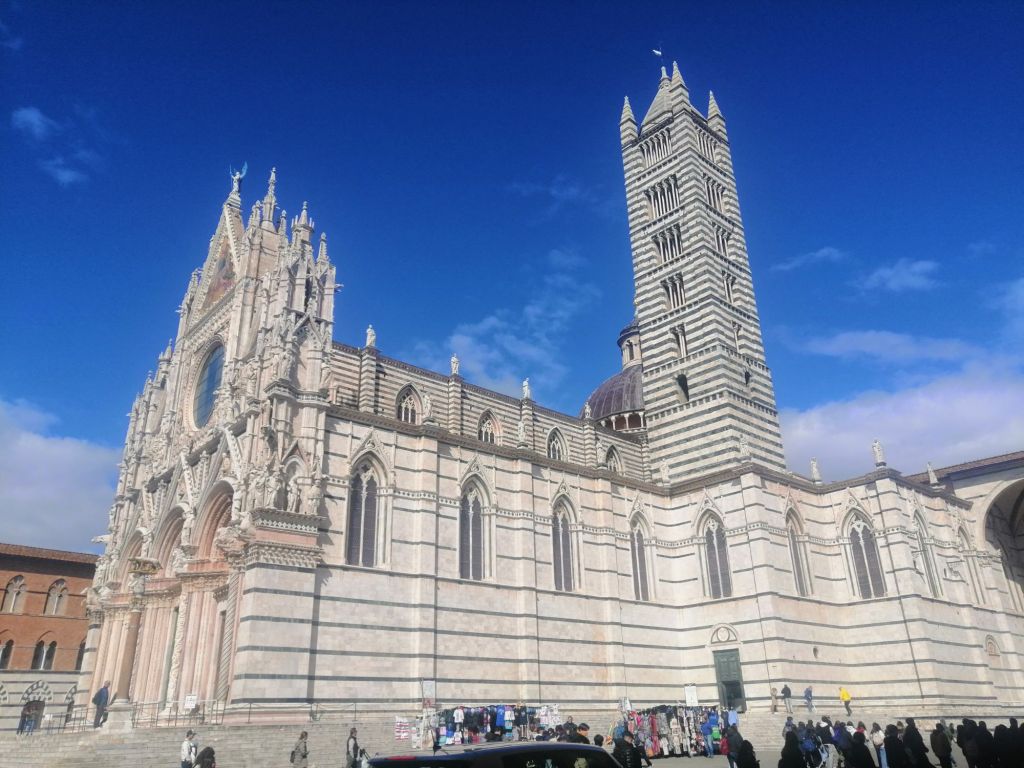
The gothic cathedral is also well worth a visit (entrance fee is €5) and is beautiful with its black and white striped columns, sumptuous paintings and library, displaying illuminated texts that are hundreds of years old, in a richly painted gothic hall.

(Quick Traveller Tip) Public bathrooms aren’t really a thing in Italy, so make sure to use the facilities if you stop in for a coffee or a meal.  If you do find a public bathroom you’ll probably have to pay to use, so always keep a couple of euro coins handy)

We moved on to visit San Giammano, a gorgeous hill fort that once boasted of having 77 towers (now there are only 12), built for defense but also to show off the wealth and status of prominent families.  The city boasts the world’s best gelateria, with saffron and pine nuts being their signature flavour (it was yummy).

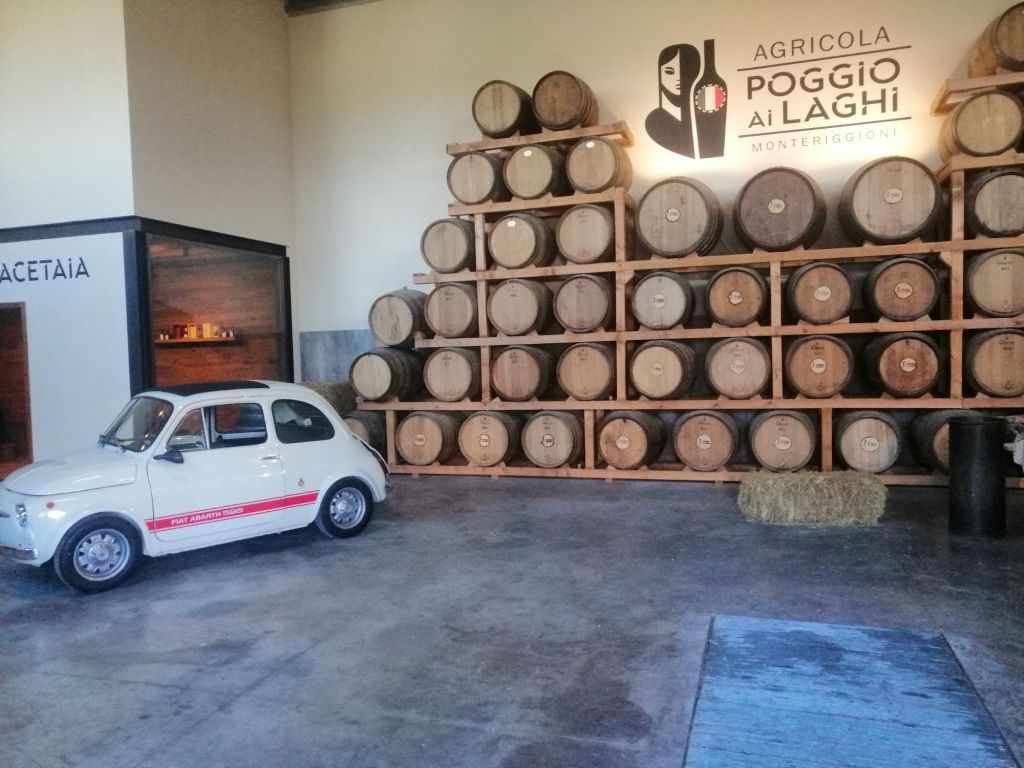
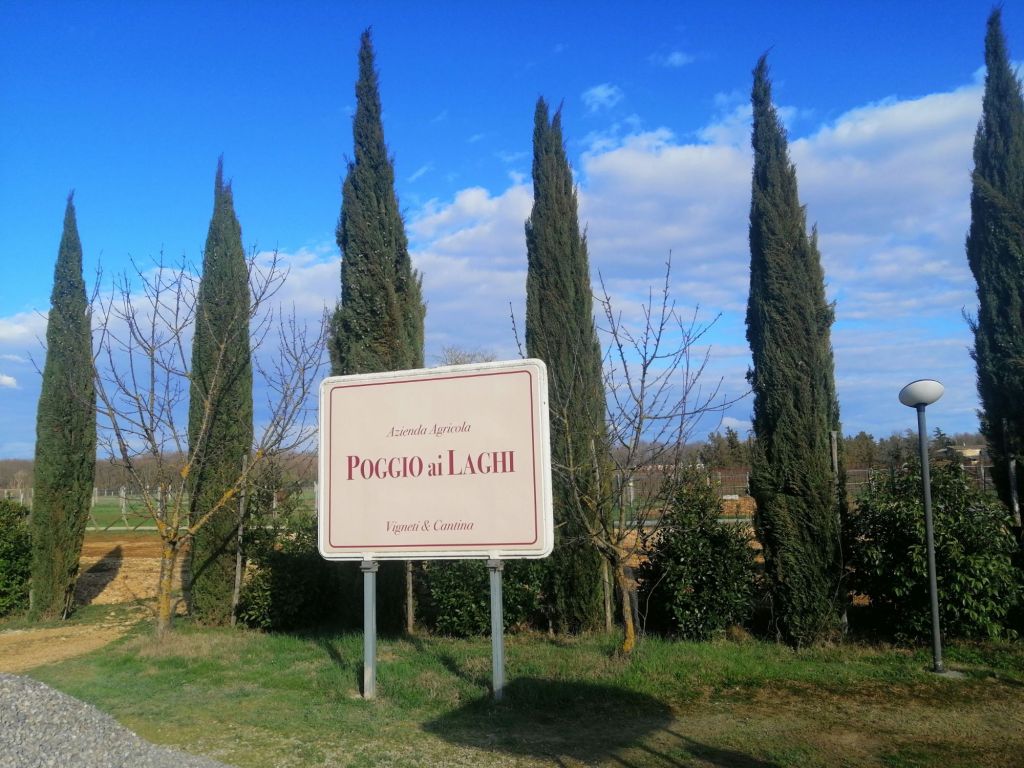
I also visited the Poggio ai Lachi winery, and learnt more about Italian wines (Chianti classico like champagne has to be from a specific region and can be recognised by a black rooster on the bottle).

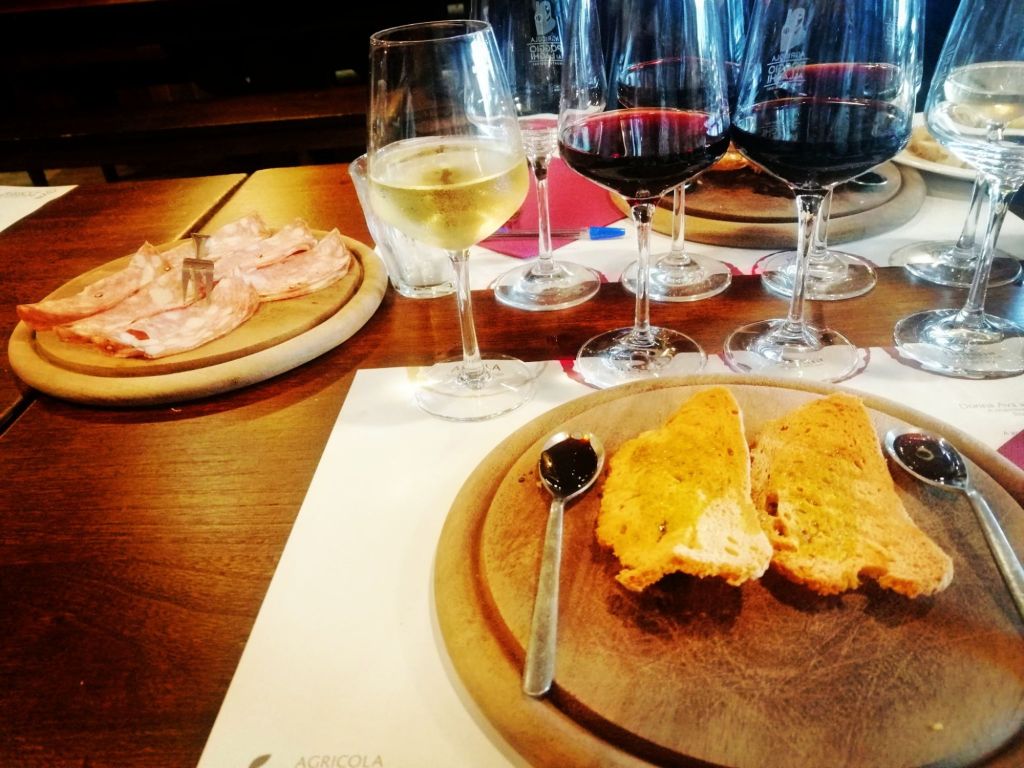
I tasted several of their fabulous wines along with local specialities like balsamic vinegar and olive oils. The hosts were also great fun.  Like many of these places you’ll be encouraged to buy the products you try, but there wasn’t a hard sell which was cool.

It’s hard not to fall in love with the romance of the Tuscan countryside.  My new life plan is to win the Euro millions lottery and retire to the region having bought a beautiful farm with an olive grove, vineyard and dog who’ll hunt truffles for me (just putting it out to the universe, (please and thank you).

Florence (Firenze)

This might be the most beautiful city I’ve ever visited and has been on my bucket list since I was a teenager.

The city is full of breathtaking architecture and history, with a total of 77 museums (all of which you’ll need to pay to visit) .  The best and most well known is theq Uffizzi. (tickets will cost €29 to book in advance, and you can get a combination ticket that will also allow you to visit the Pritti Palace and Bomboli gardens a short walk over the Ponte Vecchio).

A quick word of warning, even if you book your ticket online in advance you’ll need to queue to collect your physical ticket (no scanning QR codes) and then join another queue for entry.  Also don’t bring a heavy coat (the gallery gets really warm even on a cool Spring day) the cloakroom ironically   doesn’t accept coats or jackets but you can stash backpacks there.

The Birth of Venus

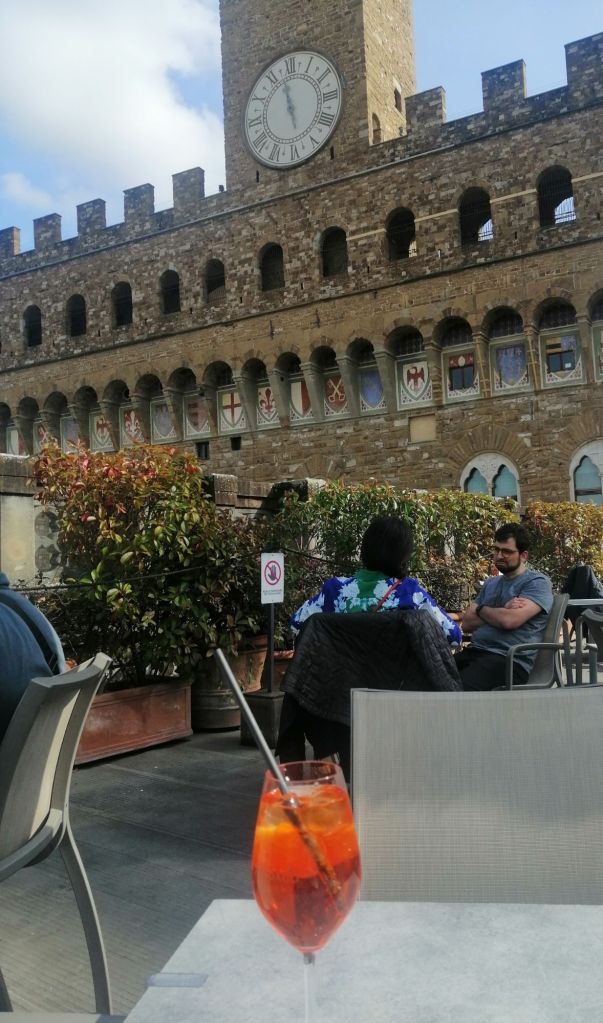
Once you get inside you’ll see arguably the best collection of Renaissance art in the world from Botticelli, Michael Angelo and Leonardo da Vinci among others.  If you need a break from all this fabulousness the museum has a cafe that serves drinks, snacks and lunch and if you take a table on the terrace you get an amazing view of the Palazzo Vecchio while enjoying your Aperol Spritz, with prices that are compatible with the surrounding bars and restaurants.

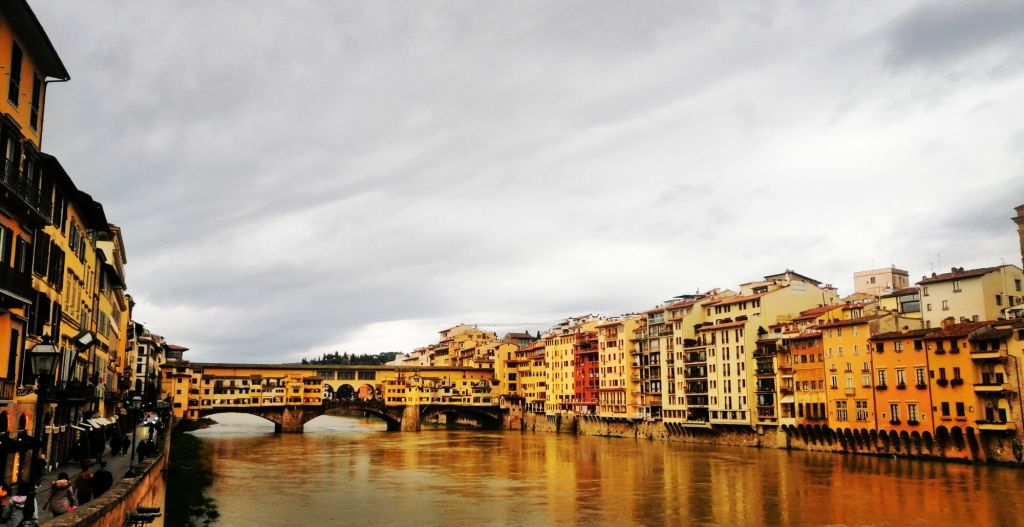
When you’ve finished with the Uffizi you can walk a short distance to the famous Ponte Vecchio lined with super expensive jewellers.  On the other side of the river you’ll find the Pritti palace (home of Elanora Di Medici who believed the air was better in that side of the river).

Enjoy Negronis with the locals.

If you cross the river Arno at the bridge before the Ponte Vecchio you’ll find yourself in the Santo Spirito district which is still inhabited by locals (virtually everyone has been priced out of the historic areas).  You’ll find authentic food, shops selling delicious mortadella, salami with fennel and great cheeses.  As this is still a local neighbourhood it’s less touristy and prices in restaurants are about 25-30% cheaper than in the main tourist drags.  You can try authentic dishes like gnudi (potato and ricotta dumplings) and ribolleta (a thick hearty soup, cooked to use up left over bread and vegetables which is incredibley tasty).

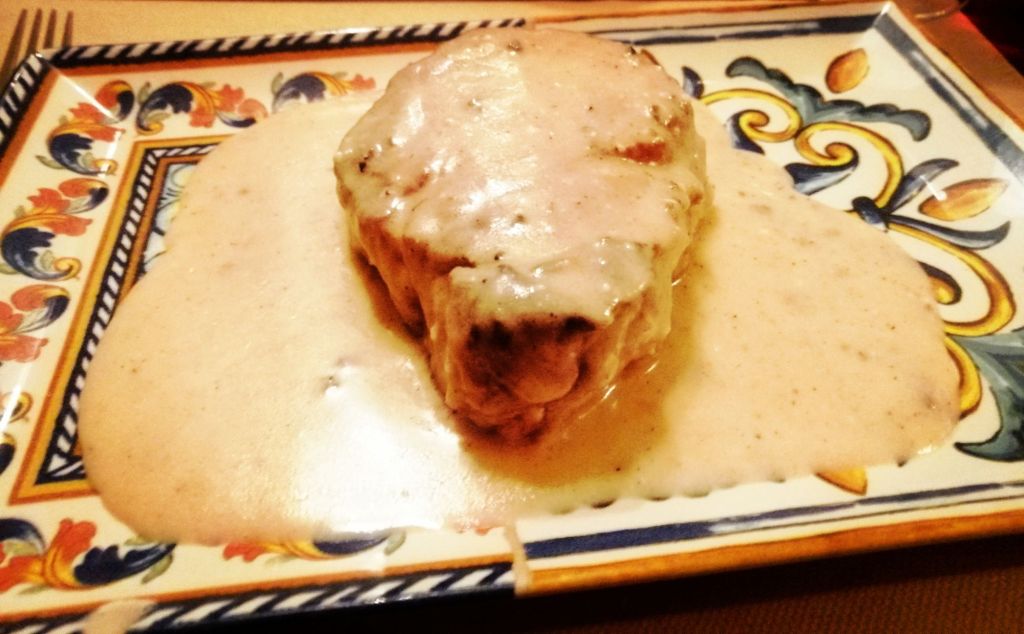
Food in Florence as you can imagine is amazing.  The city is a meat lovers paradise with the most famous dish being steak, the traditional cut is split between 2 people and officially needs to weigh at least a kilo and according to locals should be least 4 fingers wide and is served rare (you might be asked to leave the restaurant if you ask for a well done steak).  I had tried a regular steak served with a black truffle sauce (it was so good I think I may have left my body at one point) Wild boar stew cooked long and slow with red wine and lots of black pepper is also popular.  You’ll find great pasta everywhere and one of my favourite things we’re the huge schiaccatia (flat Tuscan bread) sandwiches filled  with the local cold cuts and cheese (don’t worry vegetarians won’t starve, you’ll find lots of tasty food, vegans may struggle a little).

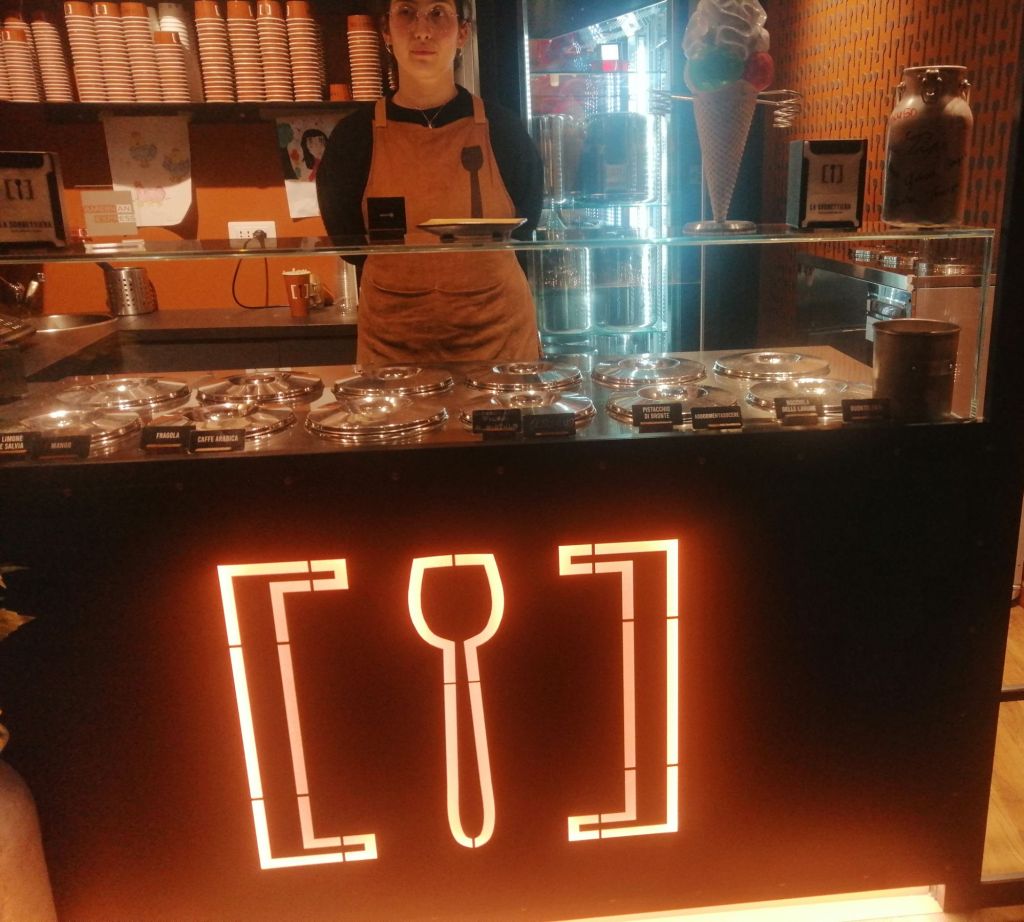
You’ll find gelato (Italian ice cream) everywhere, it was invented in Florence.  Local foodies say to avoid brightly coloured gelato (articial colouring is a no no) and you should also try to avoid shops where the gelato is not covered.

If you feel like treating yourself to something luxurious Florence is famous for its gorgeous perfumeries where you can pre book an appointment and they will help you make your bespoke fragrance in beautiful shops full of original polished wood and apothecary cabinets .  Leather goods are also really popular and the San Lorenzo market close to the Duomo is a good place to haggle with the stall holders for nice leather bags.  There are also some super fancy cafes and restaurants if you feel like pushing the boat out (the fancy little cake below was €8 but was indescribably delicious).

One of my favourite things in Florence were the walking tours.  Lots of companies offer “free” walking tours and simply ask that you tip the guide (usually a minimum of at least €10) and last between 2-3 hours .  These guys are great and you’ll learn so much.  Florence was founded by the Etruscans (pre Roman empire), but became famous mainly, due to the Medici family 5-6 hundred years ago.

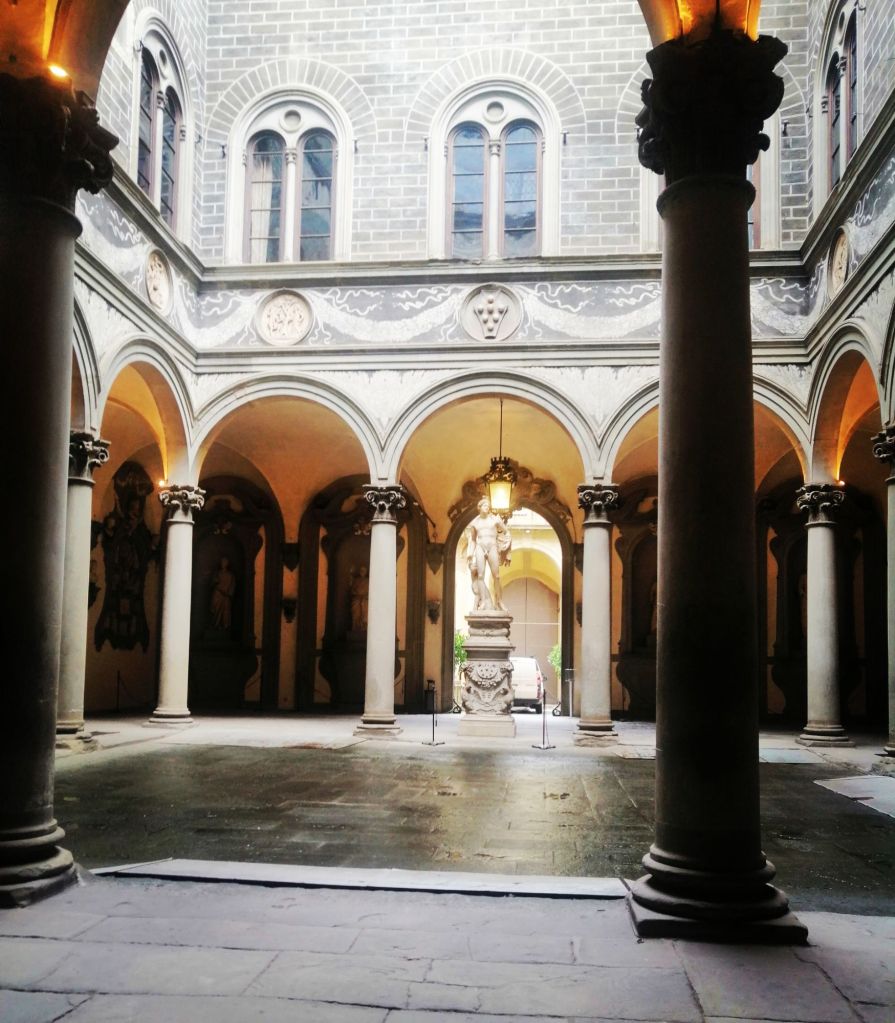
Medici Palace

If you’ve never heard of them try watching the series on Netflix.  They were a ruthless banking dynasty that invented the mortgages and cheques.  More interestingly they were probably the most important patrons of the arts in Italy, which kicked of the Renaissance along with other wealthy families.  It was probably the equivalent of the rivalry between today’s billionaires sponsoring space travel (basically guys with too much money getting into d1ck measuring contests with each other and being afraid of being forgotten after they die like the rest of us).   The Medici history is fascinating, full of betrayal, vandettas, intrigue and double crossing. But hey we got lots of stunning art and architecture out of it so it wasn’t all bad.

I’m sad to be leaving Florence and will definitely come back.  It’s an incredible city but very busy, so if possible avoid visiting during the Summer when the crowds and heat are meant be unbearable. (Quick traveller tip, if you’re staying in the historic part of the city many of the hotels aren’t based on street level which can make them hard to spot. You’ll also pay a premium for modern luxuries like elavators, air conditioning and en suite bathrooms.   But it’s worth foregoing these if you want to stay in a great central location at an affordable price).  I stayed in the Hotel Bavaria, which still had beautiful frescoes on the the outside of the building and a now defunct wine window (if you’ve watched Stanley Tucci’s Italian food adventure you’ll see more about these, they were used during times of epidemics to avoid contamination (if they’re good enough for the Tooch, they’re good enough for me).

Milano, Coffee and more.

I was lucky enough to have a short stop over in Milan.  Unfortunately due to the weather and a scheduling snafu, my original plan of taking a day trip Lake Como didn’t happen. But when things don’t work out as planned go to plan B.

It turned out to be a great plan B.   While I’m a bit of a history nerd, I’m also a confirmed caffeine fiend, so when I saw a tour combining both I was sold.  Maria our guide not only took us around the interesting historical areas of the city like the cathedral, royal palace,  the Galleria Vittorio Emanuele ll, La Scala opera house and the trendy Brera district, she interspersed these with stop offs for coffee in interesting coffee spots serving different styles of coffee (coffee is a big thing in Milan).

  (Quick traveller tip, museums in Milan are free on the first Sunday of the month, but expect long lines).  Leonardo Da Vini also moved to Milan when he was 30 and you can visit different museums to see his work.  You can also try to book to view his Last Supper but this can be booked up months in advance so be prepared.  If you feel like even more culture you can don your glad rags and visit the world famous La Scala opera house.  Performances can book out months in advance as well but you can try your luck and visit the box office at 1.30pm to see if any tickets are available.  You might be able to get a seat (with obstructed view) for €10.  It was a great way to get a feel for the vibe of the city and not just haul around historic buildings.

Remember to pace  yourself, I went all in and was pretty wired afterwards as I wasn’t used to having so many espressos in one morning (totally worth it though).  I would definitely recommend doing this tour and you can find out more by visiting @cliotales on Instagram.

Milan is kind of like a European version of New York but with more history and better architecture.  It’s famous not only as business and financial hub but as the fashion capital of Italy.  The super elegant Galleria Vittorio Emanuele ll is right beside the Duomo and has gorgeous high end designer shops like Prada and Dior (many of these you have to visit by appointment, to keep the tourist riff-raff like myself out).  If you feel the need for some refreshment you can visit the Camparinella bar just inside the Galleria.

Milan is the birthplace of Campari, so when in Milan! A Campiri and soda will set you back about €8 if you stand at the beautiful art deco bar being served by well appointed barmen in crisp white jackets.  You’ll pay a little more if you want to sit at a table. (Quick traveller tip, you may incur a small surcharge if you take a table in a cafe or bar in Italy) .  Instead many Italians prefer to eat and drink at a counter.  This is really common if you’re going out for breakfast, don’t expect bacon and eggs, as a common Italian version of breakfast is a quick coffee/cappuccino and pastry eaten standing at a counter.)

The are any number of great places to eat ranging from super filling sandwiches to grab and go, to very posh fine dining restaurants. Milan is famous for its risotto (risotto Milanese).  This is bright yellow, and coloured with saffron (although apparently less scrupulous restaurants will use turmeric or yellow food colouring because it’s cheaper). I had it for lunch one day and to be honest, while I enjoyed it, I wasn’t blown away (maybe I didn’t get a great version) .  Milan also has some amazing bakeries and I tried pistachio coffee for the first time (Italians love pistachios so much so, you can even them on pizzas), and that for me was my favourite taste of Milan.

Milan is pretty cheap to fly to, as a couple of different low cost airlines fly there.  I flew into Milan Bergemo airport and the bus transfer to the city centre dropping off at the central station was €10.  The city also has great public transport links with buses, trams and metro service. €2.20 will get you to most parts of the city and is valid for 90 minutes.  Day cards and multiple day passes are also very reasonably priced.  If you’re not staying Milan for a long time I’d suggest staying by the central station.  It also has metro stops and it’s a good base for seeing the city and the next leg of your trip.  It also has an amazing food court (go to the mercato side of the station).  You can get coffee and a pastry or select from pizza, sandwiches, aranccini, sushi or steak all while having a beer while waiting your train.