Bologna (not just Bolognese)

About 30 minutes by train from Florence you’ll find Bologna (arguably the food capital of northern Italy).

Most of us have eaten spaghetti bolognese, and the locals are slightly aghast at our version.  Firstly they use tagliatelle (never spaghetti), the sauce is more meat heavy, sometimes using a mix of pork and beef and only a small bit of tomato is used to make the sauce a more appealing colour.

What the locals are really obsessed with is tortolini in broth (compulsory at Christmas, with people putting their orders in to local pasta shops months in advance) and the larger tortoloni served with butter and sage and usually filled with the region’s famous cured meats like mortadella or salami.
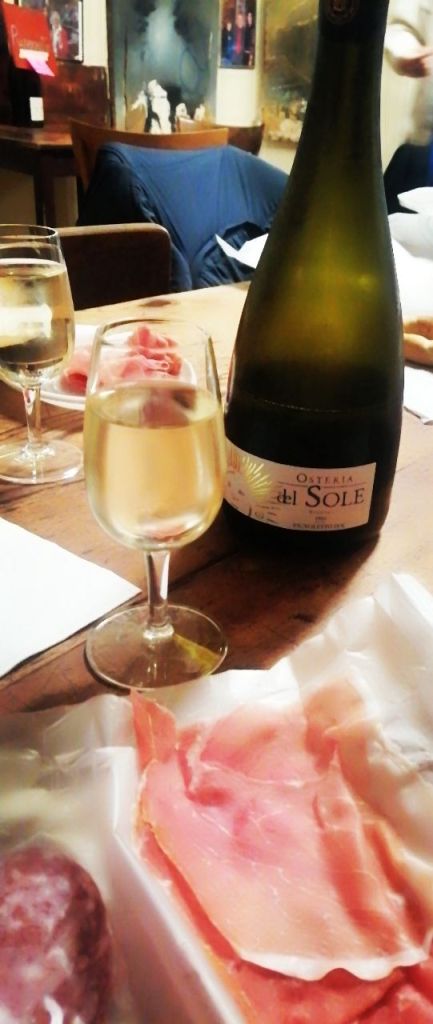
The city offers various food tours and if you’re a foodie I’d highly recommend going on one.  You’ll be able to taste some outstanding food and wine, visit great places and meet cool and interesting people.  I’d recommend going hungry, as the samples are generous and I needed to go lie down after mine and was in a food coma for several hours.

The city’s history dates back to before the Romans, with the oldest university in Europe, in existence since the 11th century.  It still has a huge student population and there’s no shortage of good affordable places to eat catering to them.

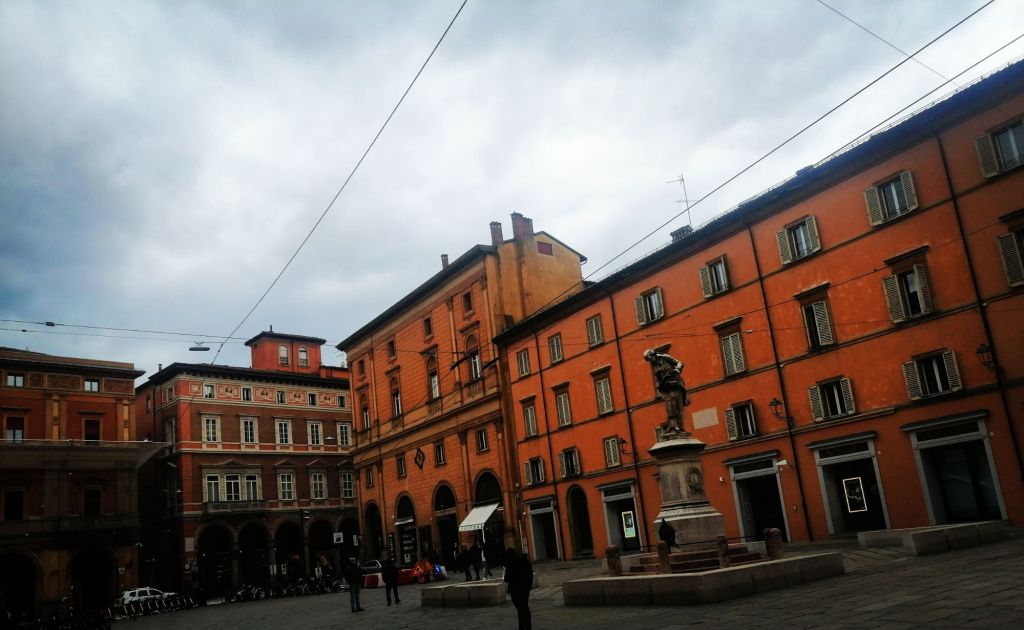
The city is definitely a bit rougher around the edges than other Italian cities I’ve visited but is probably more authentic and less touristy.  Bologna’s nickname amongst Italians is il Rosso (the red one).  Due to the colour of the buildings and the city’s history of left wing politics. In reality the city’s buildings are various shades of red, orange and deep yellow making it especially pretty in the evenings as the light begins to fall.

You’ll also find covered portico walkways all over the old city (40 km worth).  These were built from the medieval age onwards as a way of resolving the issue of accommodating all the students in the city.  The streets were already small and narrow and the town council didn’t want to use up any more valuable space.  So building owners could build up from the first floor and the street level was unaffected, as people could still pass below.  (Quick traveller tip, if visiting, research where you are staying.  I stayed on a street with 3 bars close by, all of which had outdoor seating. The bars here close at 3am, and the street scene afterwards can be “lively”.  My host left me a set of ear plugs which should have been my first clue).
There are plenty of different tours if you want to find out more about city’s history but if you’re a petrol head you can also book visits to the Ducatti and Lamborgini factories close by.  I got talking to a Dutch biker who had visited the Ducatti factory and he was quite misty eyed and super impressed by it.  There is even a police car Lamborgini donated by the factory.

Bologna is well worth a visit and has something for everyone.
Krakow – Jewish Quarter Food Tour

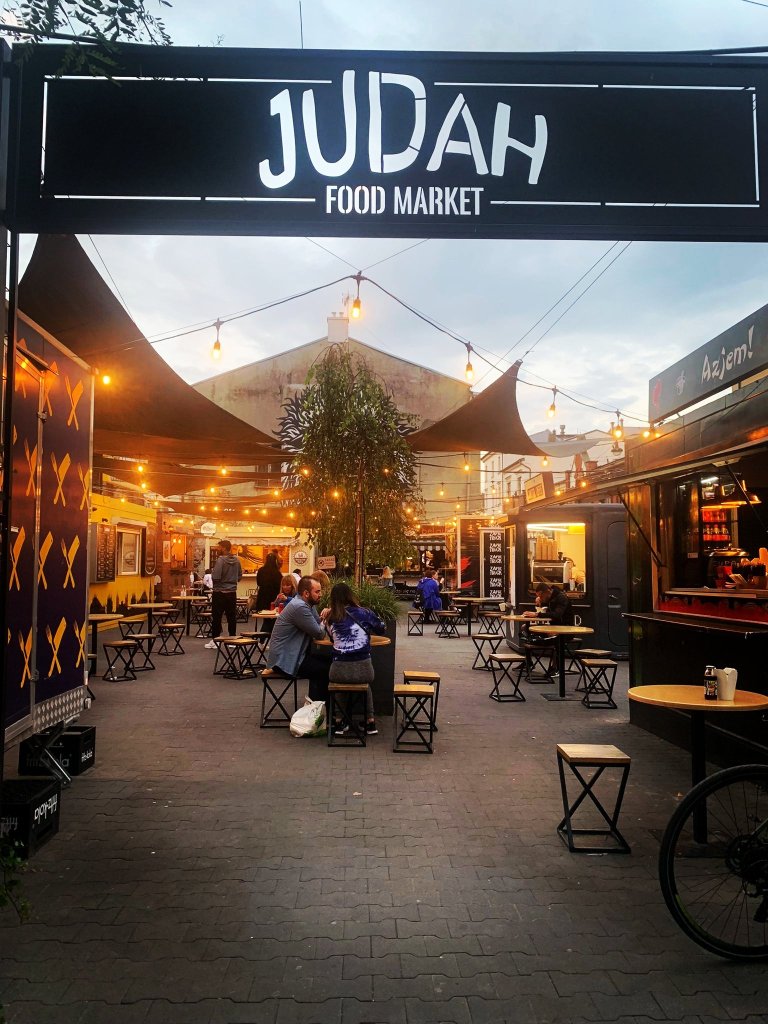
Just one of the little courtyards serving fantastic street food.

I have been seriously jonesing to travel again.  Having been fully vaccinated and gone through enough paperwork to keep a small government department busy, I was eventually able to set off.

I had heard great things about Krakow from anyone who had visited before, but wasn’t sure exactly what to expect.

With this in mind my travelling companions and I booked a food and history tour of the Kazimierz or Jewish quarter.  We placed ourselves in the very capable hands of George.  A trained chef originally from Turkey, he gave us a great tour discussing the history of the district and it’s up and coming food culture.

Hebrew street art

Before the second world war about 25% of those living in the district were Jewish having originally been encouraged to settle on the city by King Kazimierz centuries earlier.  The Jewish population was forced into a ghetto when Germany invaded and unfortunately we’re all aware of what followed.  Auschwitz concentration camp is within travelling distance of Krakow.  While I think it’s important that what happened at the camp shouldn’t be forgotten, honestly I’ve had a really tough year and just didn’t feel up to visiting.

Poland’s oldest synagogue

The Jewish population of the district is now less than 1% but the district still maintains it’s Jewish identity and the oldest synagogue in Poland is still located there.  In the main square there are lovely restaurants serving kosher food and drinks and offering traditional Jewish folk music at weekends.

After the war many of the buildings stood empty, so students and artists eventually moved in due to the low rents.  The area now has a bohemian feel and is becoming gentrified.

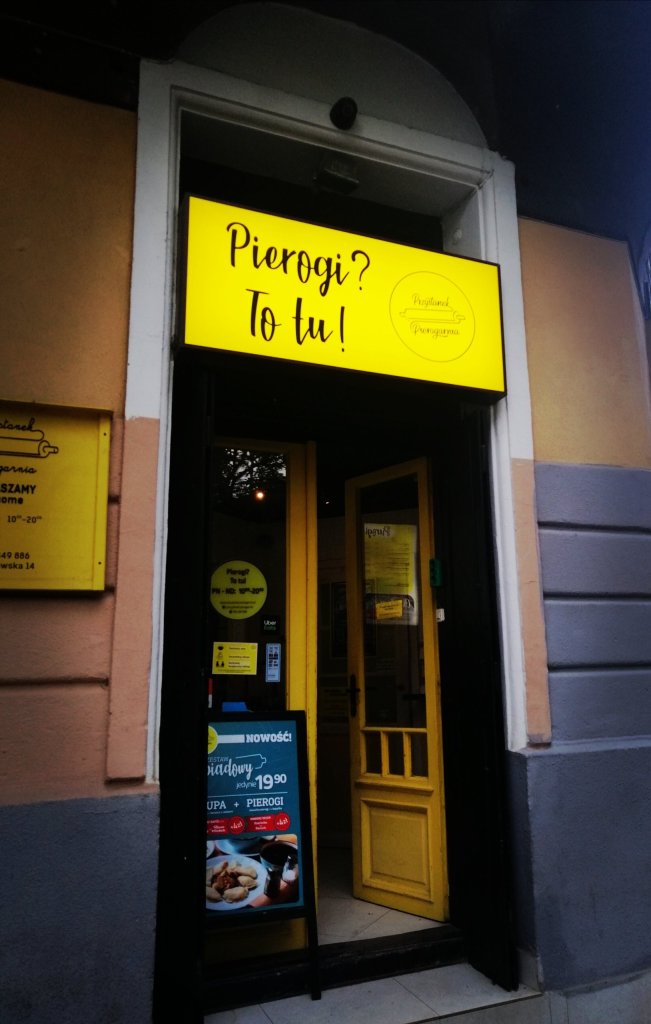
With such a young population the area is full of great places to eat and drink.  Our first stop was at a popular perogi shop.  If you haven’t had these before, they are little dumplings. The most common filling is potato, cottage type cheese and fried onion (my personal favourite).

Perogis with spinach and cheese.
Blueberry perogis with sour cream.

We also tried other versions including suarkraut and mushroom (traditionally eaten on Christmas Eve), spinach and cheese, and a sweet version made with blueberries and topped with sour cream.  Perogis are really common with most restaurants offering several different kinds.

The district has some great street art as well food.

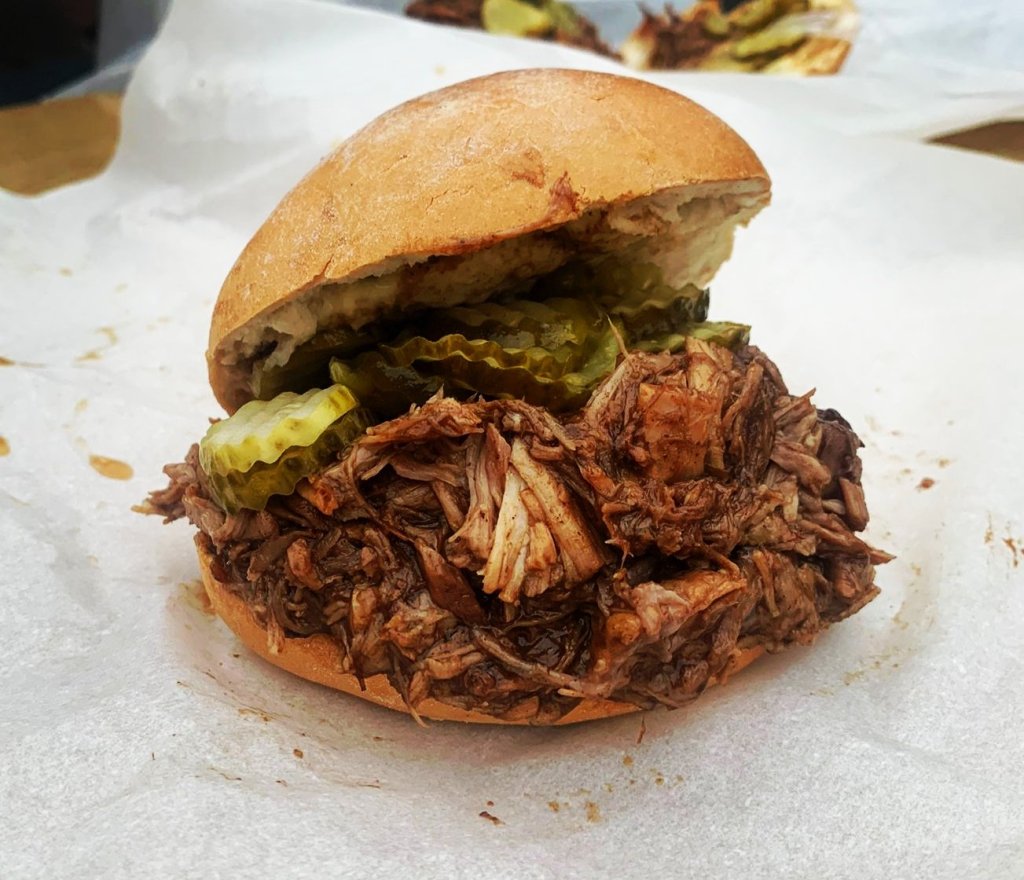
Small courtyards with little food trucks are popping up across the area, serving everything from traditional Polish pork dishes to Asian ramen bowls.  It was at one of these courtyards we had excellent traditional pulled pork rolls with pickles and fantastic bread.

The new square has a central hub of red brick buildings selling a range of different street foods.  It was here we tried the Polish version of a French bread pizza topped with spicy ketchup and lots of chopped chives.  Apparently these were made my Mothers who couldn’t get theirs kids to come in from playing outside, to make sure the didn’t starve.

Polish pizza

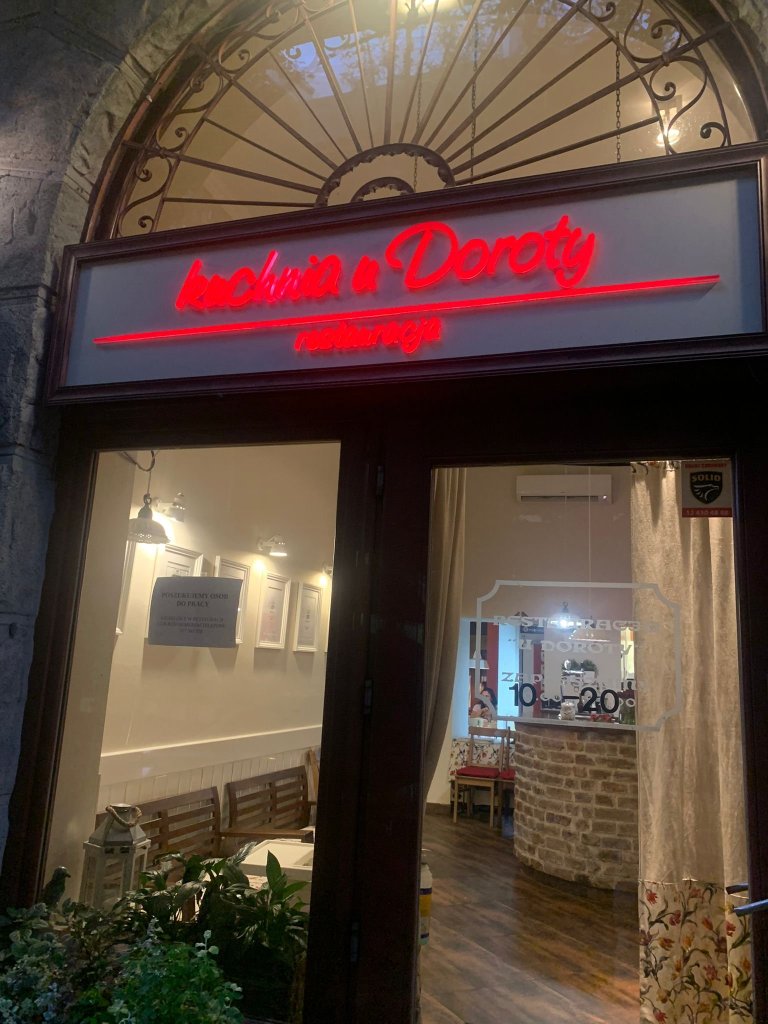
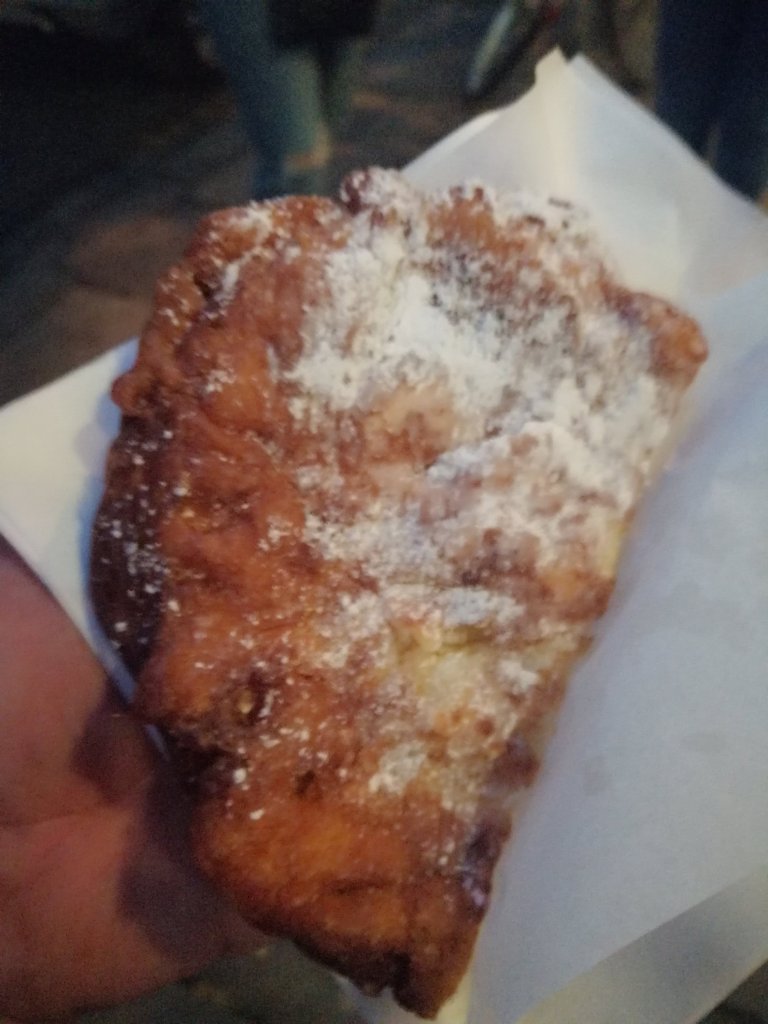
If you have sweet tooth, we also enjoyed excellent apple fritters at Kuchina Doroty.  Rich with vanilla these probably had 1 million calories, but were worth every single one.

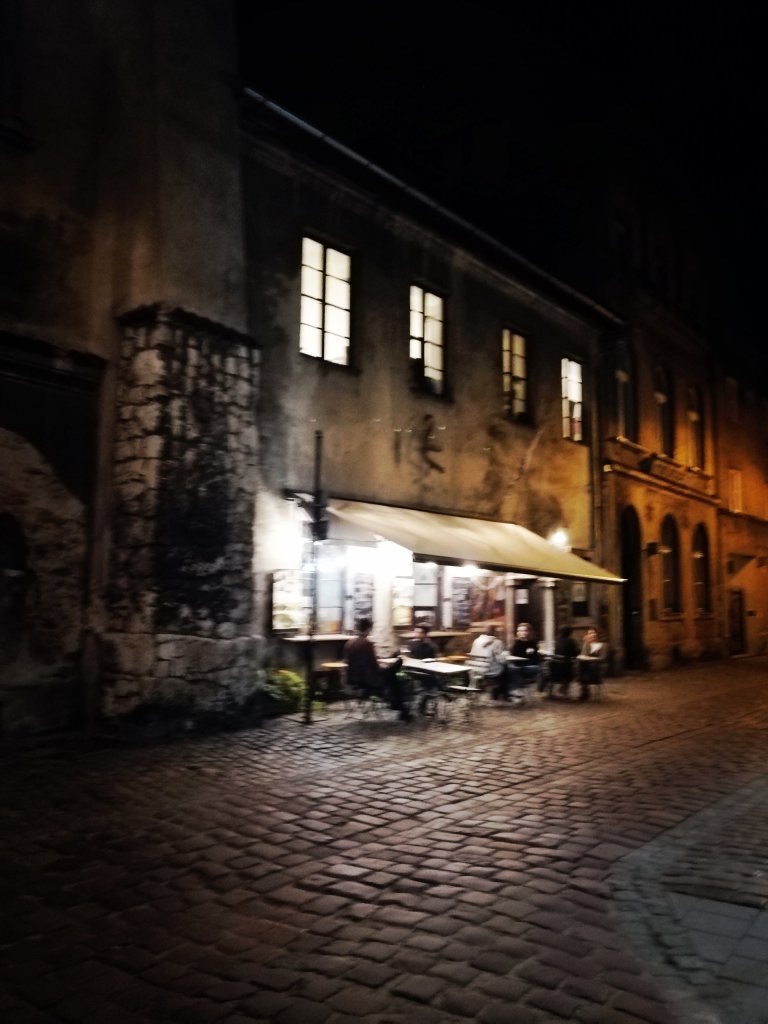
Krakow has great bars everywhere, these range from very dark but not unwelcoming local dive bars through to sophisticated cocktail bars. The most common beverages seem to be beer and vodka. Lots of bars are introducing small batch artisanal beers often brewed in people’s sheds (they are well worth trying). I’ve always had an aversion to vodka, (I think it tastes like hairspray). However, George our tour guide got us to try a shot of bison grass vodka which is popular in Poland, and it’s much more a agreeable than the normal stuff. If vodka is your thing there are several different tasting experiences available in the area.

Bison grass vodka, tastes fresh and almost sweet. It reminded me of the smell of hay.

To sum it up the area is well worth a visit, great food, lots of history and movie buffs can spot the different streets where Schindler’s List was filmed.