Palma de Mallorca

With the summer ending I decided to throw caution and all fiscal responsibility to the wind and slip in a quick 48 hour visit to Palma.

The only thing disappointing about it was that I couldn’t stay longer. The climate was perfect, hot at the start of September, but with a nice sea breeze coming from the beautiful but quite bougie marina.

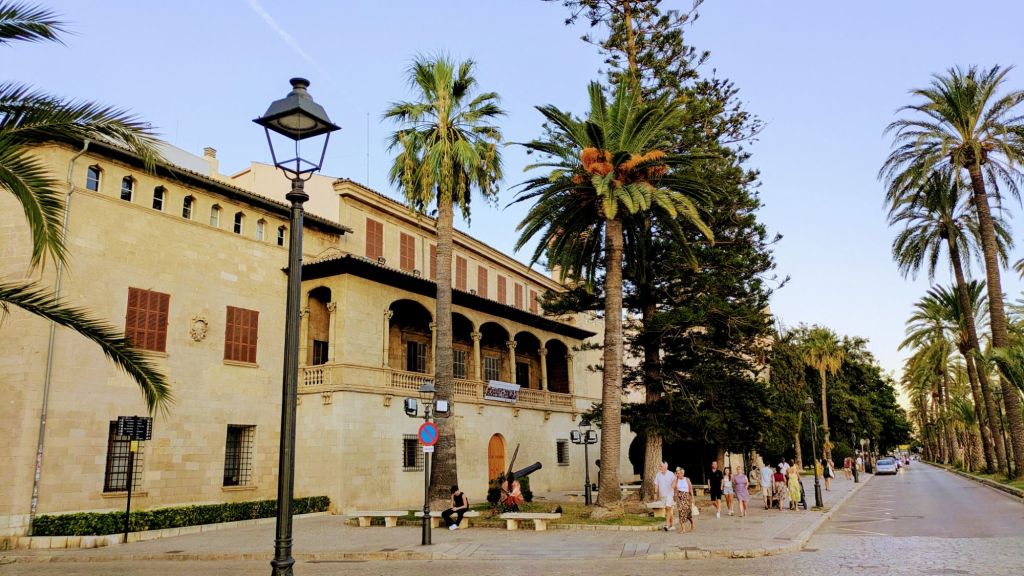
The old town has some spectacular honey coloured sandstone buildings, the most impressive of which is the cathedral. (Quick traveler tip, check opening times as the latest entry on the Saturday afternoon we visited was 2.30pm). You can also buy tickets online to avoid the queue at busy times. The ticket also gives access to the bishop’s house beside the cathedral.

Why not squeeze in a little bit of culture, you can visit several Joan Miro exhibitions, he lived in Palma for several decades. I visited one the free exhibitions of sculptures (all the signs up saying don’t touch the sculptures just triggered my impulse control issues and made me want to do it more). The building itself was like a work of art. Situated in shaded square, lined with bars/restaurant were you can enjoy a glass of wine and some tapas. It was a very pleasant way to slip from afternoon to evening.
Palma is more of a working town than resort and you’ll see fewer tourists than in resorts along the coast, but English is widely spoken, which was useful as my rudimentary Spanish escaped me whenever anyone asked me a question.
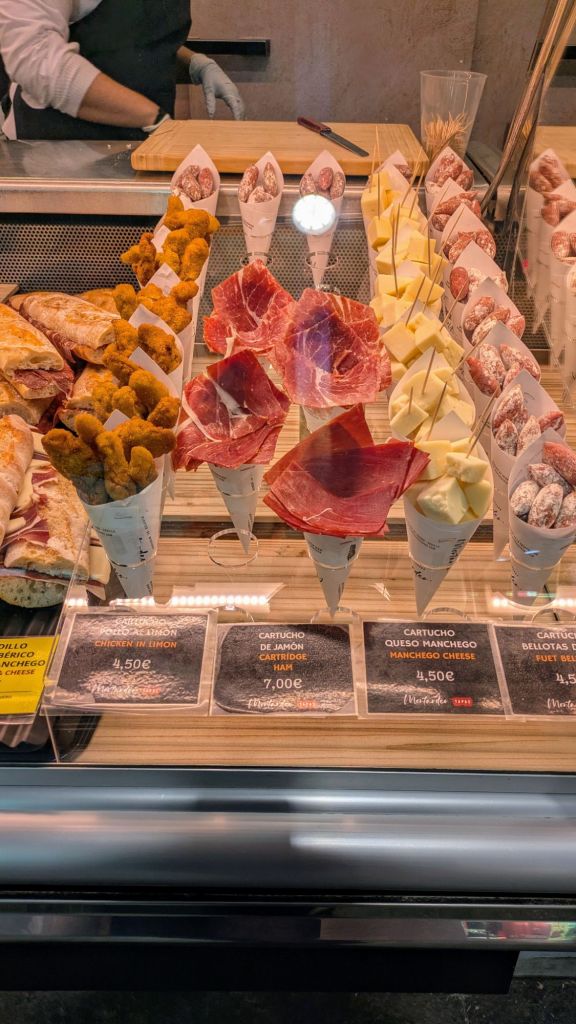
Traditional Mallorcan food is hearty and they are very fond of meat and of different pastries, the most recognisable is the Mallorcan ensaimada. This is a super light spiral of pastry topped with icing sugar and can also come filled. A word of warning if you’re vegetarian, most pastries are made with pig lard, so it might be worth checking before you buy.

Good food and drink are easy to find, although prices are probably on a par with the UK. Its definitely more expensive than mainland Spain, but most islands are a bit more expensive due to the cost of having to import everything. Palma has a high-end feel. If you look at the price of real estate in the town, you’ll see why.

Local rabbit with a delicious but super pungent garlic and herb sauce.

After a glowing recommendation from a work mate we took a cute little wooden train to the town of Soller https://trendesoller.com/eng/whattosee/soller

The train journey takes about an hour from Palma to Soller. It takes you overland past lemon and olive groves. The return fare costs 40 Euro. Soller is very quaint with a laid back Boho vibe with lots of cool artisan shops and surrounded by lovely countryside.
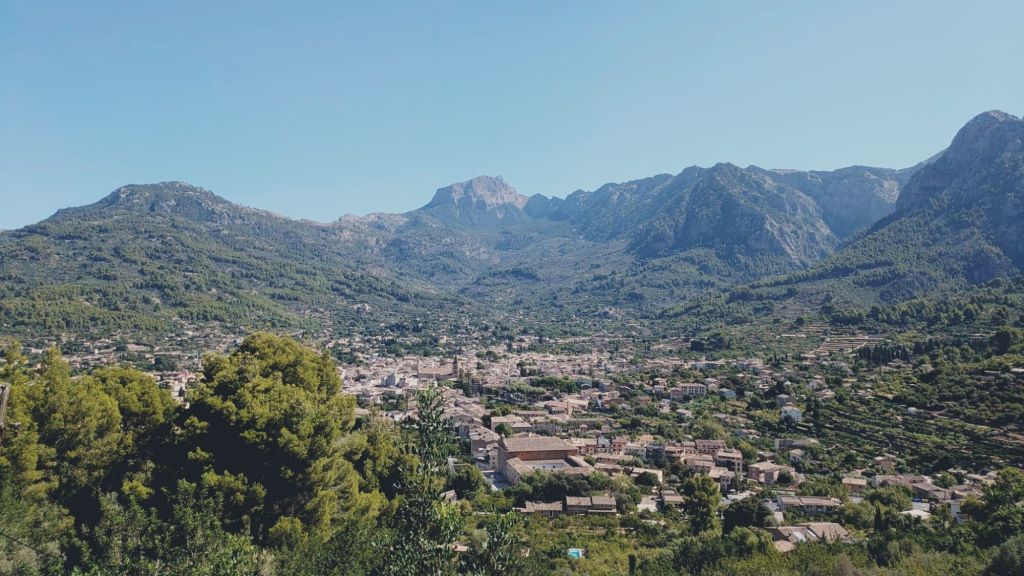
From the town square you can take a wooden tram out to Port de Soller which takes about 20 minutes. This is a gorgeous crescent shaped bay with a light house, marina and plenty of places to eat, drink and shoP. There is a good beach where you can hire a spot under thatched parasols with 2 sun loungers for about 18 Euro. Unfortunately I had a brain fart that day and didn’t charge my phone enough, so can’t post photos, but check the link attached and the pictures they use are accurate. I would definitely visit both Palma and Soller again and allow more time to enjoy them properly.

Seville

Desperate to escape the leaden skies and constant drizzle of Belfast, I decided to take a quick well priced visit to the city of Seville in Southern Spain.

It was exactly what I needed, with a very pleasant 17 degrees (Celsius) and almost constant sunshine.

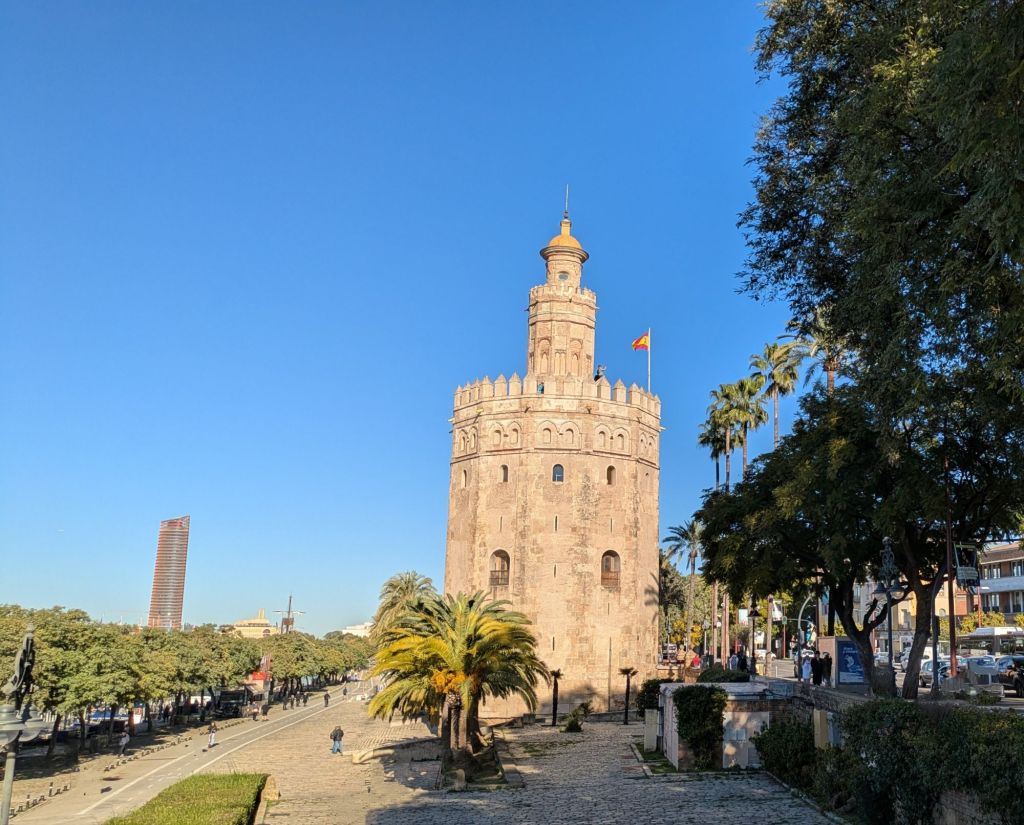
The first thing you’ll notice about the city is the orange trees you’ll see everywhere, adding to the general sunny feeling of the city.  Don’t be tempted to try one of the oranges, it’s illegal, but they’re also extremely bitter as they’re the type used to make marmalade.

Seville is the 4th largest city in Spain and was made rich through Spain’s colonies in the Americas and Indies.

I’d highly recommend booking one of the walking tours around the city.  Our tour guide Miguel was a fountain of knowledge and showed the historic sites and explained how the city had been formed by multiple influences by the many invaders from the Moors of north Africa through to the vikings (who by all accounts found the place too hot and after a few weeks pillaging decided to go home).  In Summer the city regularly sees temperatures of up to 45 degrees, and the locals struggle with this and often head to the coast.

We had planned to visit the historic coastal town of Cadiz which was around 90 minutes away by train.  Unfortunately there was a massive festival in the town and every bus and train was booked out (so worth checking in advance if you’re planning a visit and don’t just rock up at a train station like we did).

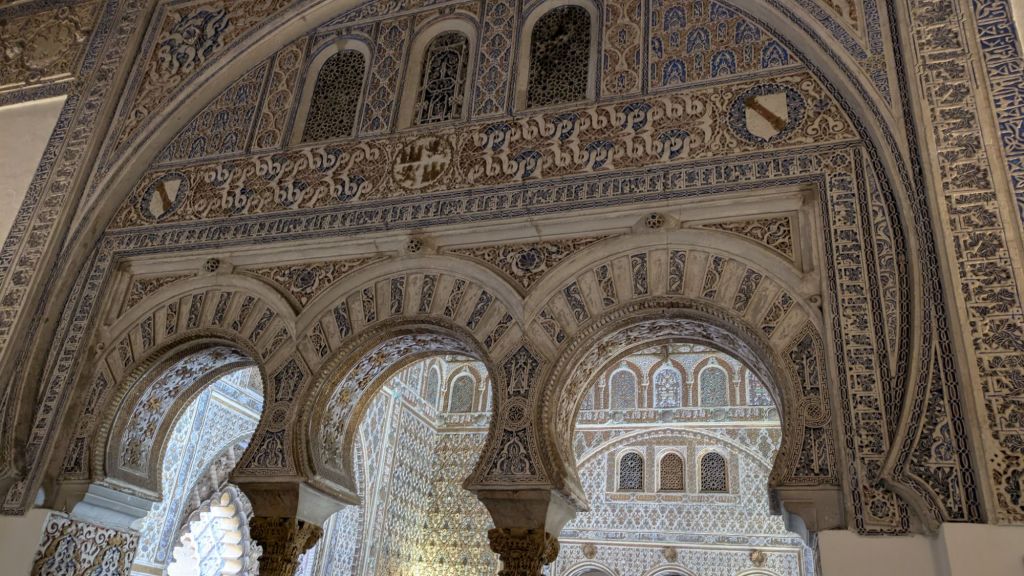
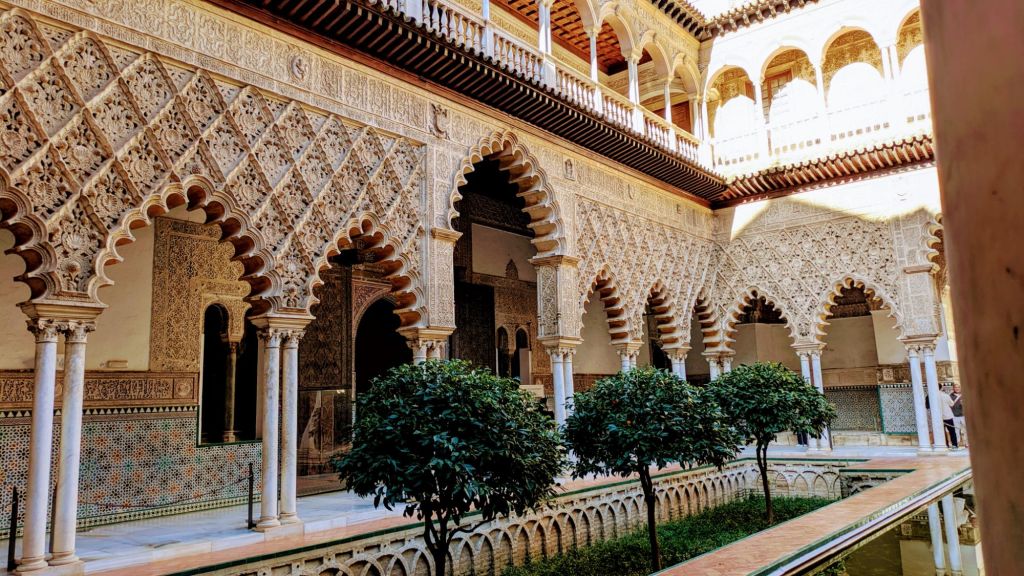
One of the best known places to visit is the Real Alcazar (Royal Palace), which is still one the official royal residences of the Spanish royal family.  A mixture of Spanish and Moorish architecture it also has stunning gardens that are cool and serene. (If you are buying a ticket on the day, you’ll need to show photo ID).

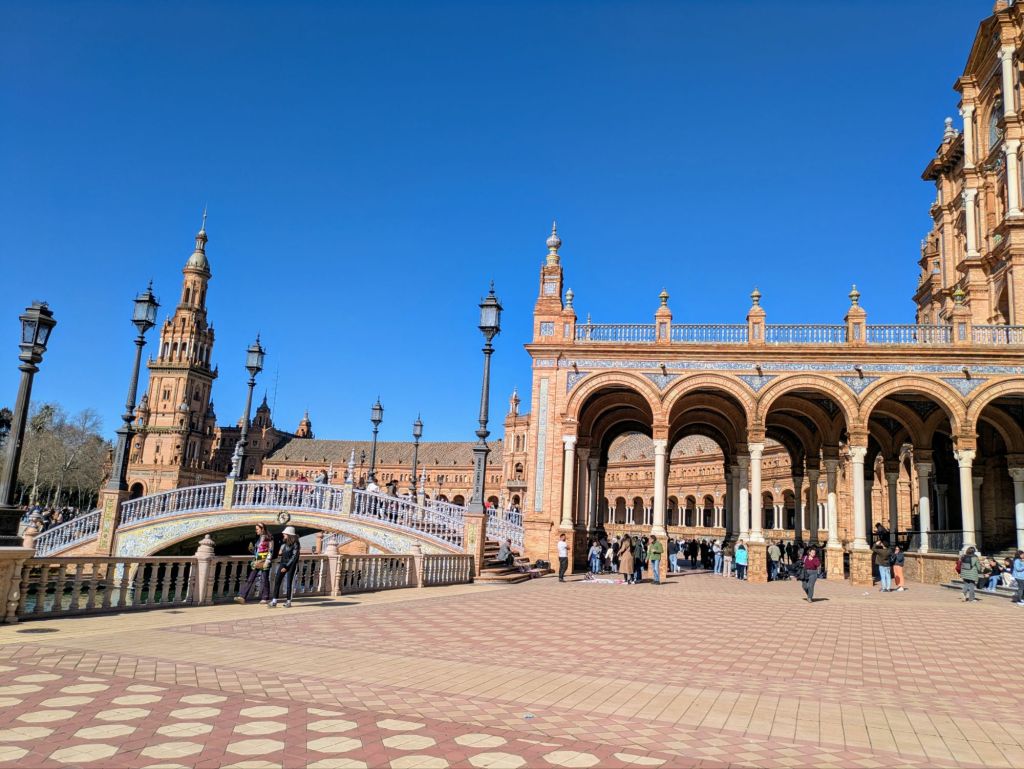
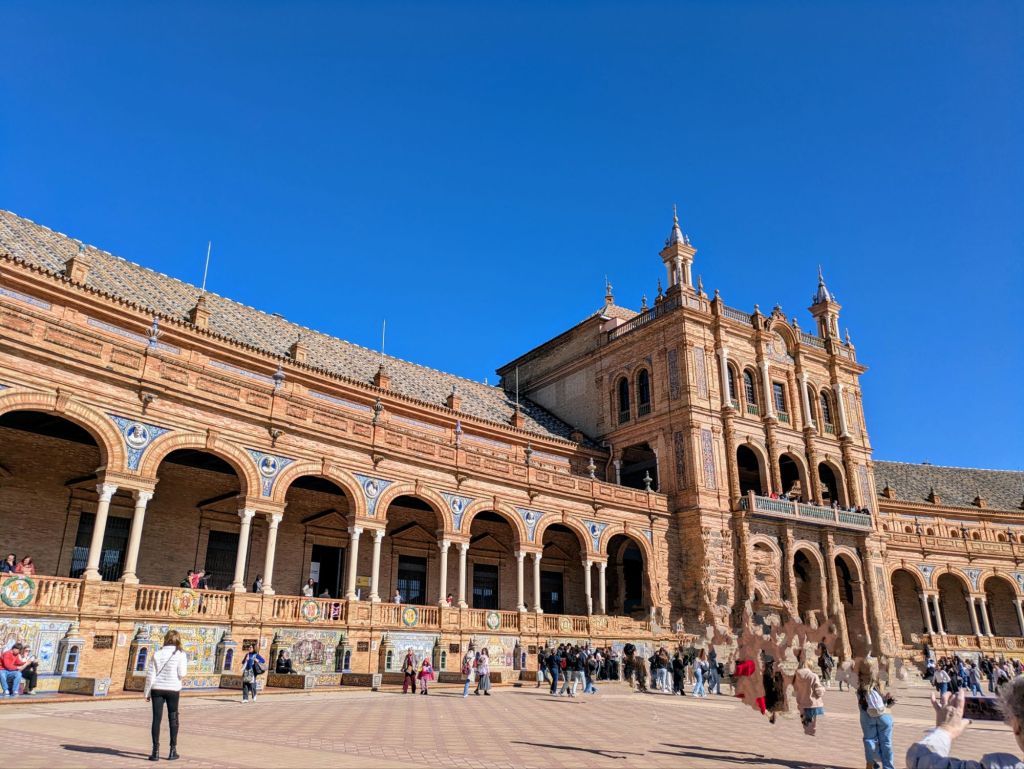
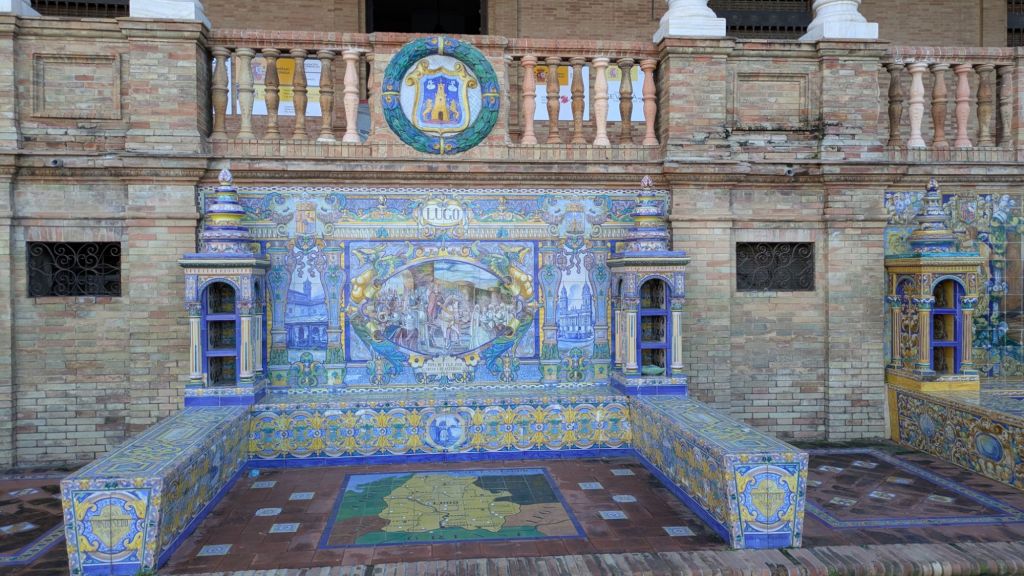
If you want a free activity and a bit of people watching the Plaza de Espania is also worth a visit.  The large plaza is lined on one side with beautiful colonnaded walkways and elaborate tiled benches (and were used as a back drop in one of the Star Wars films, I’m not a fan so I don’t know which one).  There’s also a little lake where you can rent small boats to glide around on.  You’ll probably also see flamenco dancers performing (or sometimes other street performances). 

Flamenco is a massive thing in Seville and there are multiple different shows in different venues every night, but these also sell out quickly so if you’d like to see one book in advance (it is very impressive).

The city is extremely walkable and feels very safe. You will probably  find everything you’re interested in seeing in the old town, so best to locate yourself there when booking accommodation.  You will definitely encounter women walking up to you trying to give sprigs of rosemary for luck and they may ask for a couple of coins (locals warn these women will never have change, so don’t give a note and expect money back, it’s also fine to politely say no, gracias and they will take no offence).

Iberian pork cheeks in a brandy, was the post delicious in thing I ate during the trip.

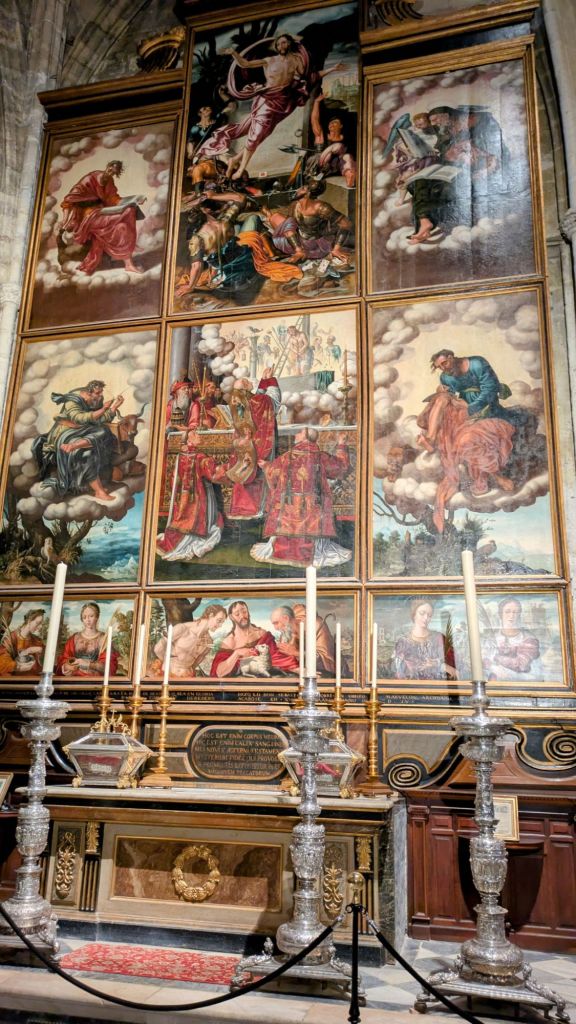
Another must see is Seville cathedral.  Richly decorated with a mixture of recoco chapels and Moorish carvings (it had previously been a mosque, but was taken over as a church when the Moors were driven out of Spain, and the large tower was used to call the faithful to prayer).  You can climb the tower if that’s your thing and you’ll be using ramps rather than steps (the Imams used to ride donkeys up the ramps to the top of the tower so they didn’t have to climb hundreds of steps five times a day).  If you want a relatively well priced cocktail with a rooftop view of the cathedral the hotel Donna Maria is a good spot.

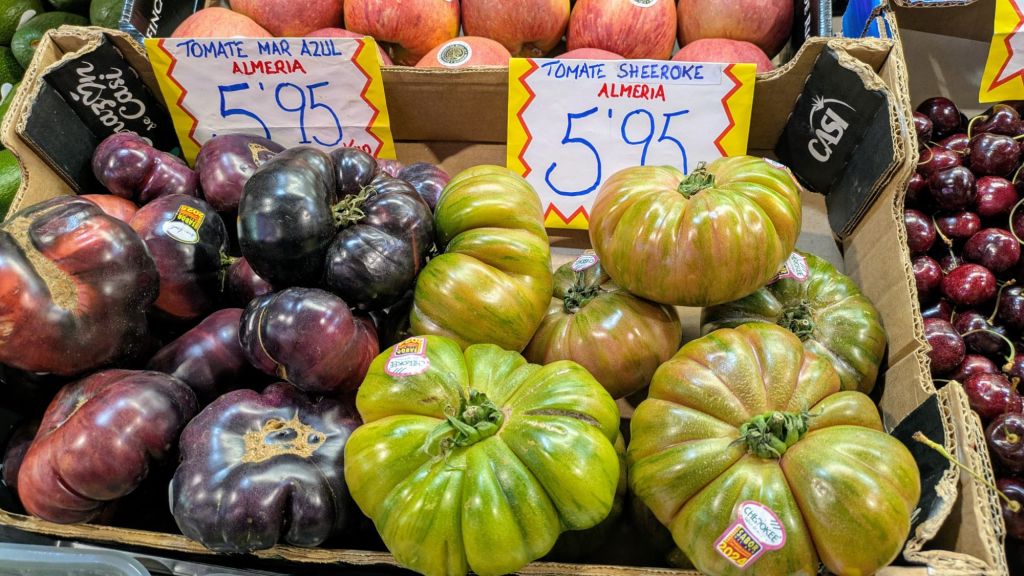
If you prefer more modern architecture the Metropole Parasol is also worth seeing.  With a viewing gallery offering great views of the city and a buzzing food market below selling fresh fruit and vegetables (beef tomatoes the size of a child’s head), as well as meat, fish and local delicacies.

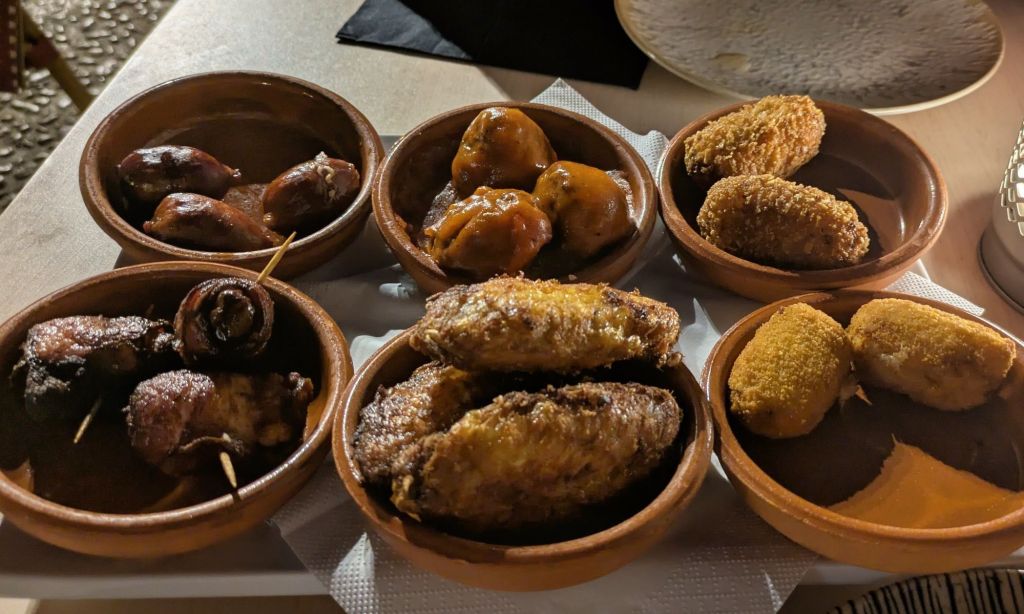
Food and wine in Seville was excellent as I expected, with great selections of tapas in most places.  I had visited Madrid before and a small complimentary tapas was served when you ordered a drink.  In Seville post places expect these to be ordered separately, and prices are from 4 euro for a small portion or you can size up if sharing.

Seville is gorgeous with lots of history, beautiful little squares lined with orange trees to sit down and watch the world go by.