Porto and the Douro Valley- Portugal

Porto had been on my list of places to visit for quite a while, and it didn’t disappoint. Filled with history, beautiful architecture, friendly locals and great food.

I knew very little about Portugal’s rich history and was surprised to find out that it endured Europe’s longest fascist regime in the 20th century (basically further education for all but the selected few and women’s rights were actively suppressed to keep the Salazar regime in power).  Rumour has it that this is where JK Rowling got the name of her baddie in the Harry Potter books from, as she lived in Porto for a short while, but more about that later.
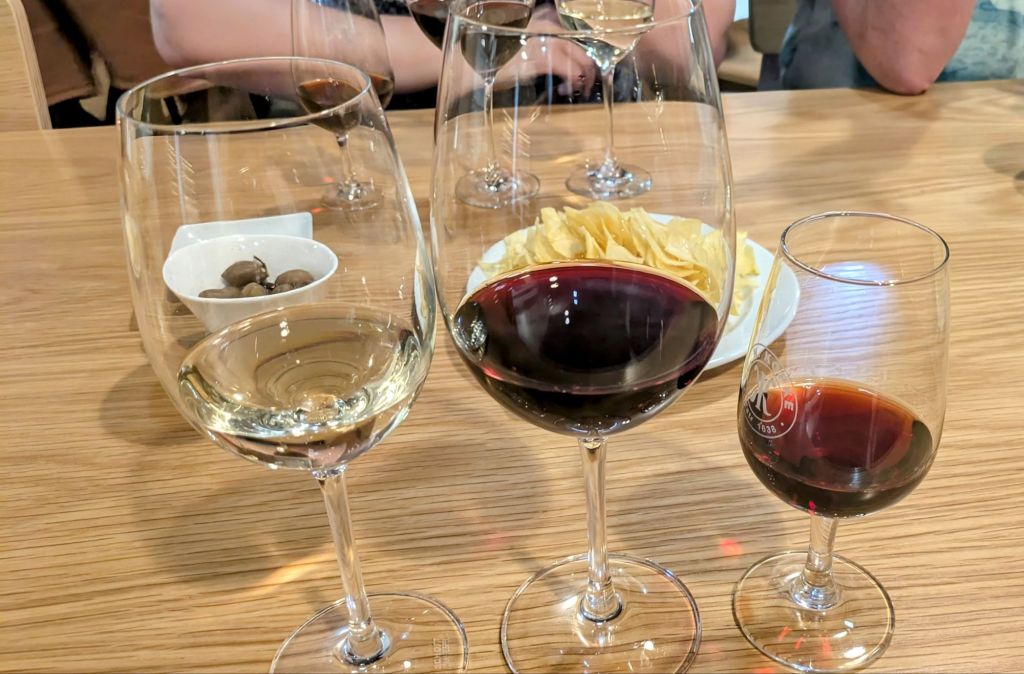
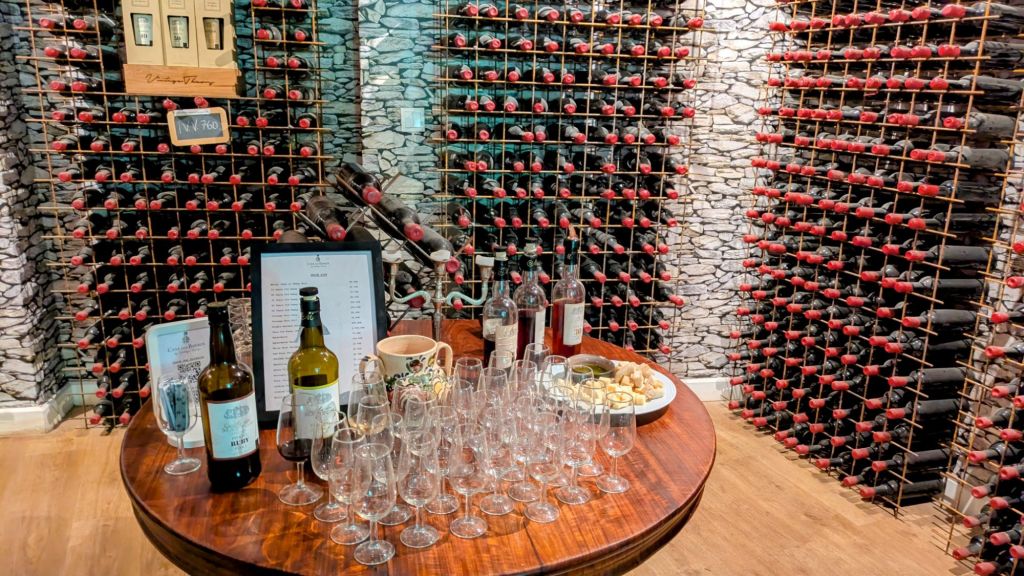
Porto gives its name to port wine, and along the port side you’ll see the historic warehouses that supplied port to the world for centuries.  If port is your thing there are plenty of bars and restaurants that have options for tastings.  I’m not a huge fan of it personally, but the other wines we had were tasty and inexpensive.
The city is fairly walkable, yes there are some hills, but if you’re ambling along at a relaxed pace they’re fine.  I’d recommend going on a walking tour on your first day to find out more about the place and get your bearings.guides are also a great source of ideas for good places to eat and  local attractions.   These tours often free and you tip the guide what you feel it was worth and I honestly have not been on a bad one.  I have to say that I was actually embarrassed this time when at the end of our tour a woman handed the guide pocket change.  These people work hard and bring the city alive for you, you don’t need to empty your bank account when tipping but think of a fair hourly rate if you hired an expert and pay it.

There is plenty to learn for history buffs, and Harry Potter fans can visit https://www.livrarialello.pt/ Livrariar Lello bookshop that was said to have inspired some of the imagery in the books (the author has said it didn’t, but people feel she might just be annoyed at people making money off this).  To get inside you’ll be charged 10 euros, and anytime I passed there were always massive queues of people to get in.  You can buy a skip the queue ticket online which gives you a time slot to visit for 15 euro.  In cooler weather you’ll also see some school kids in black cloaks with symbols embroidered on them, and it is clear to see that this is inspired the Hogwarts uniform.

You’ll see the popular blue and white tiles on many of the older buildings and quirky houses and the place is just incredibly pretty.  Food and drink is relatively inexpensive and excellent and Porto is home to some fantastic bakeries (top travel tip, hit these after walking up all the hills, not before like I did).

We also decided to take a day trip out to the local wine producing region, the Douro valley.  Booking a tour cost 100 euros but included an air-conditioned coach, a boat tour, visits to two port vineyards and a 3 course lunch, so all in not bad value.  I would definitely return and visit the Douro valley and you can take trains from Porto to some of the larger towns. 
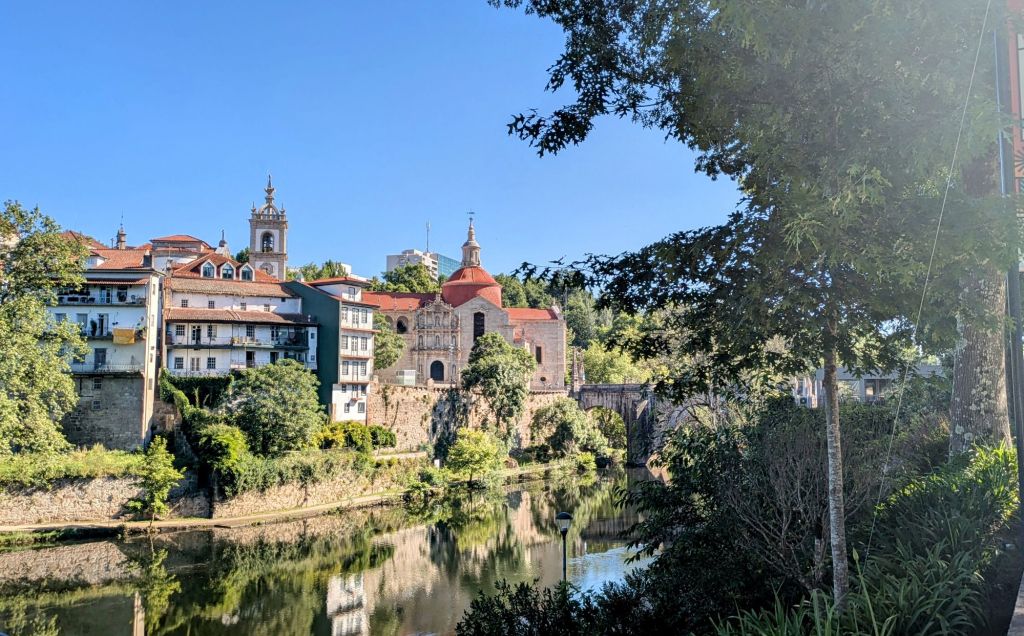
It’s a beautiful area, but the locals warn that it’s 9 months of winter and 3 months of hell, this is because the unique micro climate that gives port it’s distinct flavor runs from -15 degrees in winter to 48 degrees in Summer.  I actually got sun burned for the first time in years because you’re up in the mountains or beside the river it didn’t feel that hot, so beware and slap on that SPF.

Porto and the surrounding area is definitely worth visiting.  The city has quite a laid back vibe, it’s beautiful, locals were lovely and English was widely spoken (as always, try to at least few words of the local language up your to sleeve).
Hanoi – Vietnam

I’m not going to be coy, I absolutely loved Hanoi.

I didn’t know a huge amount about Hanoi or Vietnam so wasn’t sure what to expect (which is probably the best way to visit a place).

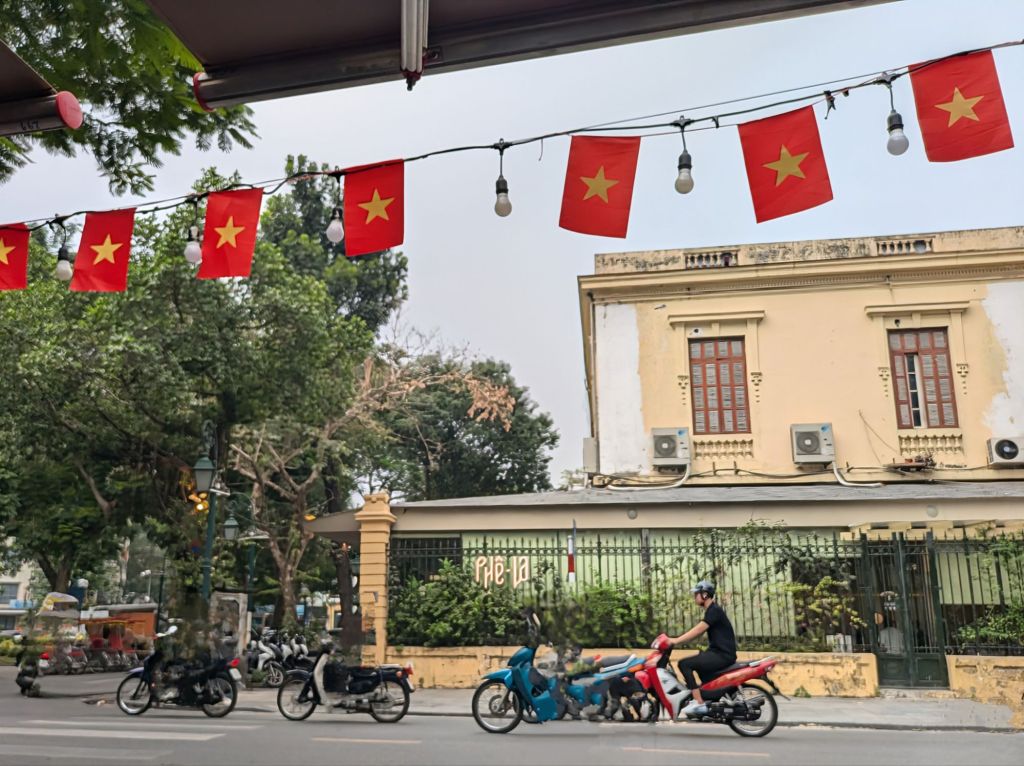
That being said Hanoi has a serious smog problem, so if you have serious respiratory issues, definitely wear a mask and keep an inhaler handy.  The city is home to more than 8 million people and has at least 6 million mopeds.  The country is working on building their own electric vehicles but the cost makes these inaccessible to most people. 

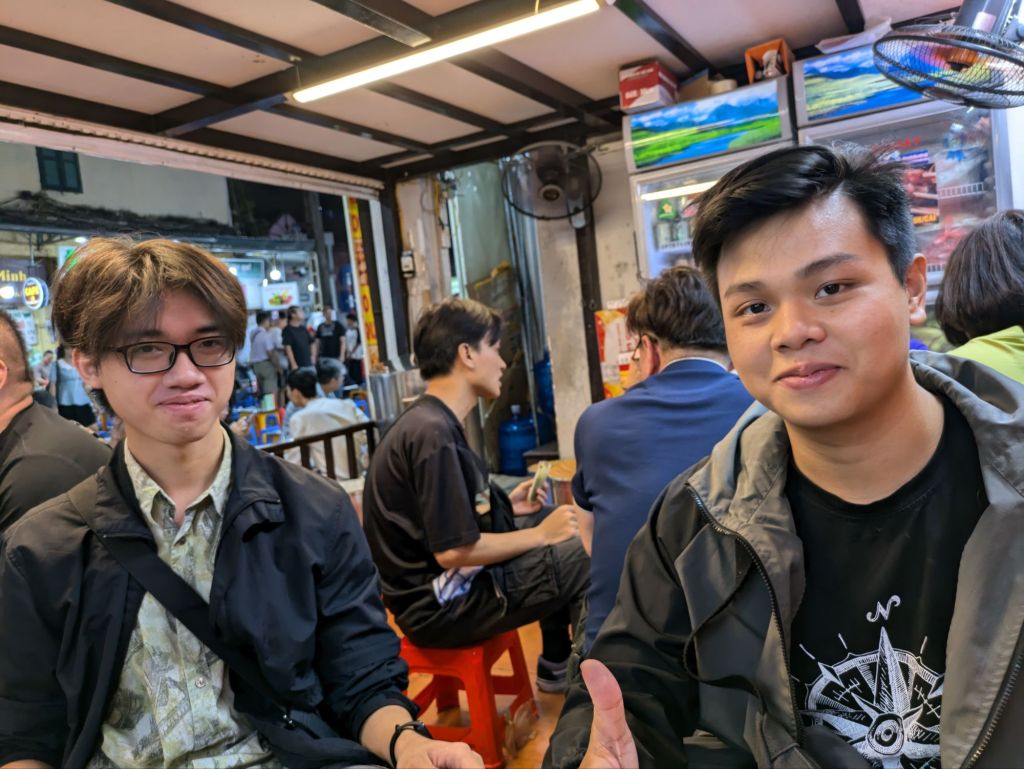
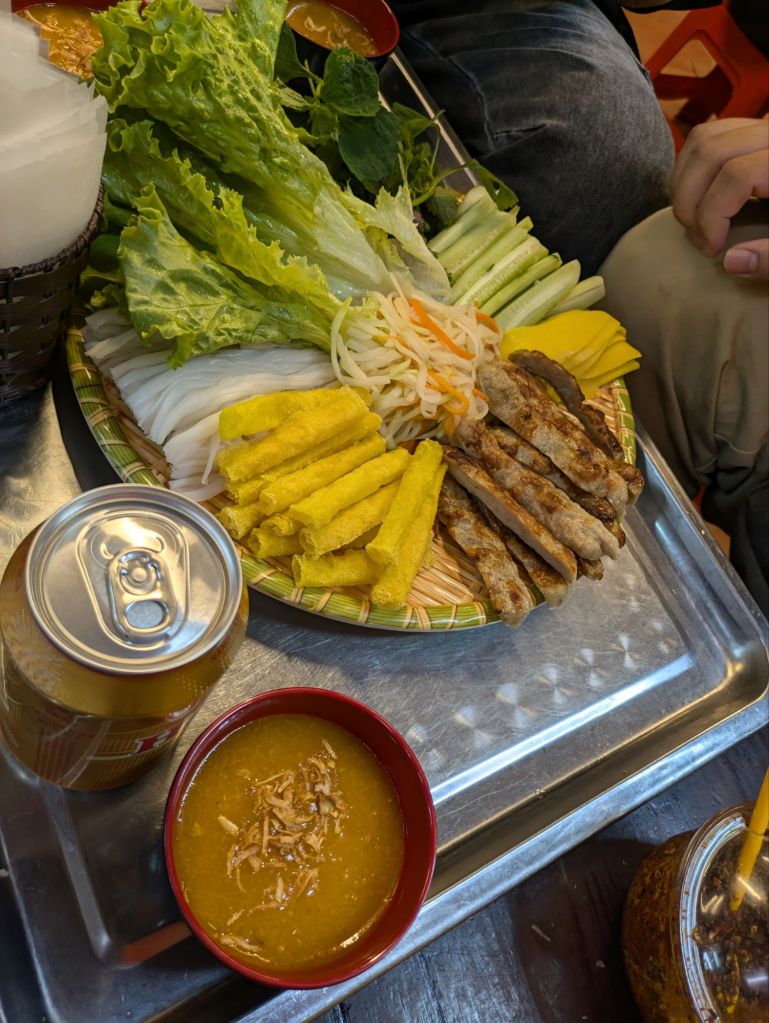
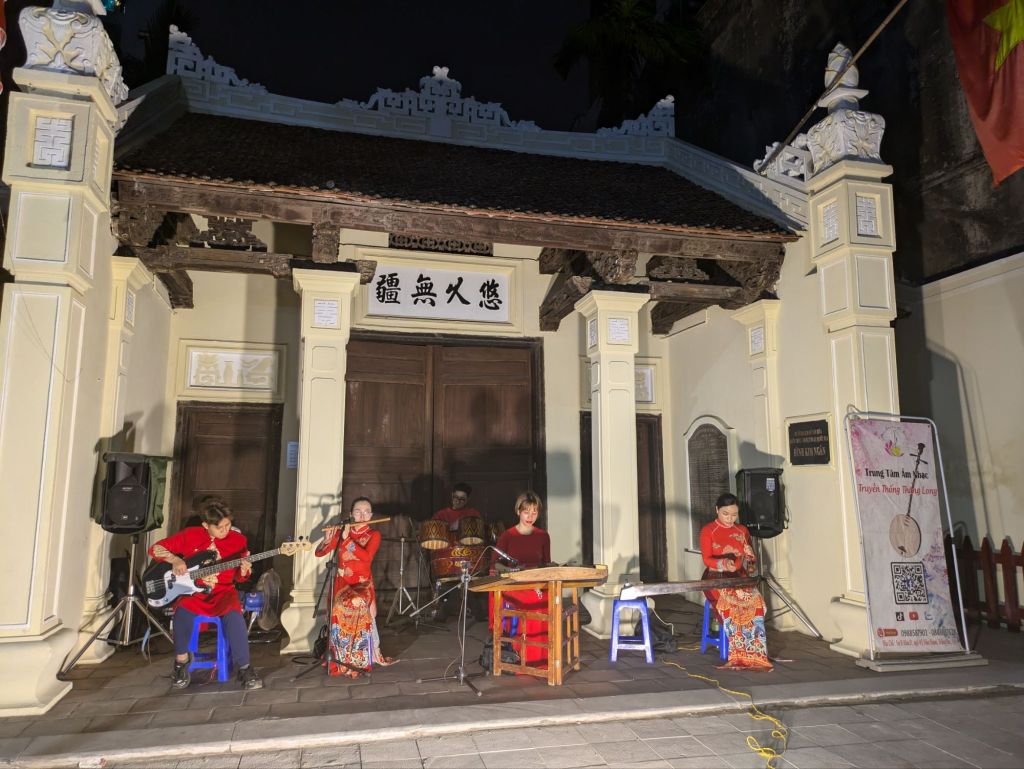
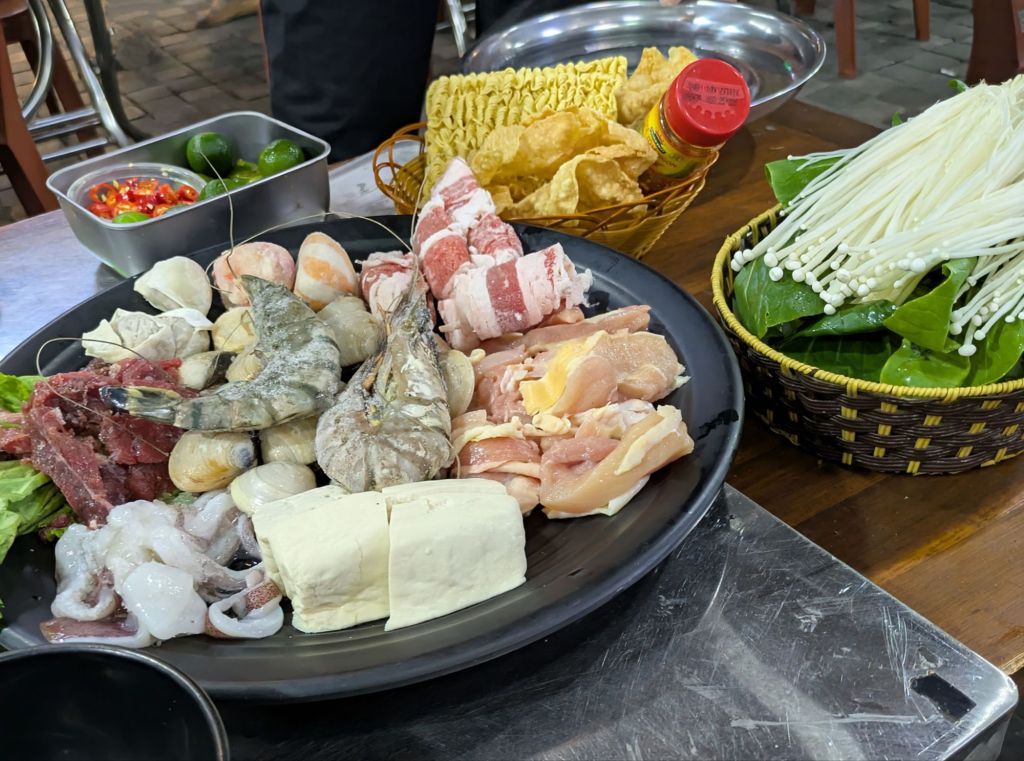
If you want to learn more about the food or culture of the city I would definitely recommend  getting in touch with Hanoi Kids, http://www.hanoikidsorg  This is a non profit organization where college students meet up with you and can show you around based on what your interests are (and also gives the students a chance to practice their already excellent English).  We met up with 2 fantastic students Tom and Noonn who were great company.  I wanted to know more about the city’s food scene and they took us to places we would never have ventured (I’m talking up back alleys to eat delicious Pho at the back of someone’s house).  There is no formal charge for this, but you should tip your guides well as they do an excellent job and this goes back into the club.

They also introduced me to Vietnamese egg coffee.  The thought of egg and coffee in the same cup didn’t sound too appealing, but it’s definitely worth trying (and doesn’t taste eggy).  It was invented after the war when dairy was scarce.  The coffee is almost a mousse and would remind you of tiramisu and the cup is served in a bowl of hot water to keep it warm.  Coffee with condensed milk is also popular and Vietnam grows and produces excellent coffee.

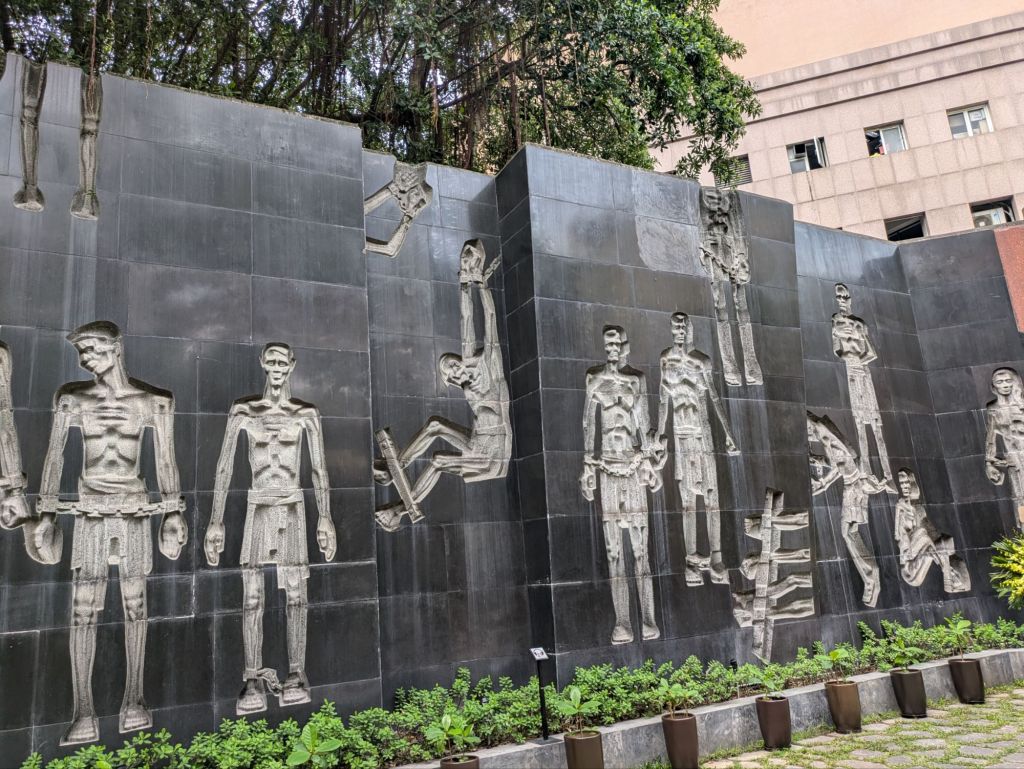
The city is full of history, and the Hao Lo prison should definitely be on your itinerary.  The prison was formally known as the Maison Centrale, and was a large foreboding prison expanded by French colonial forces when they invaded the country in the late 19th century.  Needless to say the French did some very bad shit and the Vietnamese people were treated appallingly while fighting for independence.  Being able to stand in the cells, see the guillotine used and hearing first hand accounts from prisoners brings a very dark period to light and shows the bravery and resilience of the people.  The prison was also known as the Hanoi Hilton and was home to captured US military pilots in the 1960s and early 1970s.  The exhibition showed some of the military personnel from both countries working together since the war to help identify and repatriate those who died in an attempt to reconcile the past.  This was a very moving place to visit and gave a good background on Vietnam ‘s more recent history.

If you feel like a slightly lighter visit, the Thang Long Imperial Citadel is also worth a visit.   Located in central Hanoi, the citadel dates back to the 10th century and was home to different dynastic royal families and imperial administration.  Historically, doctorates and laureates were awarded at the citadel, so when we visited a lot of high school kids were graduating and it’s traditional to visit the site.  There were also several school field trips with younger kids visiting who were exceptionally sweet and well behaved, shouting hello and waving to us.  Education and literacy are extremely important to the Vietnamese and you will see book shops everywhere.

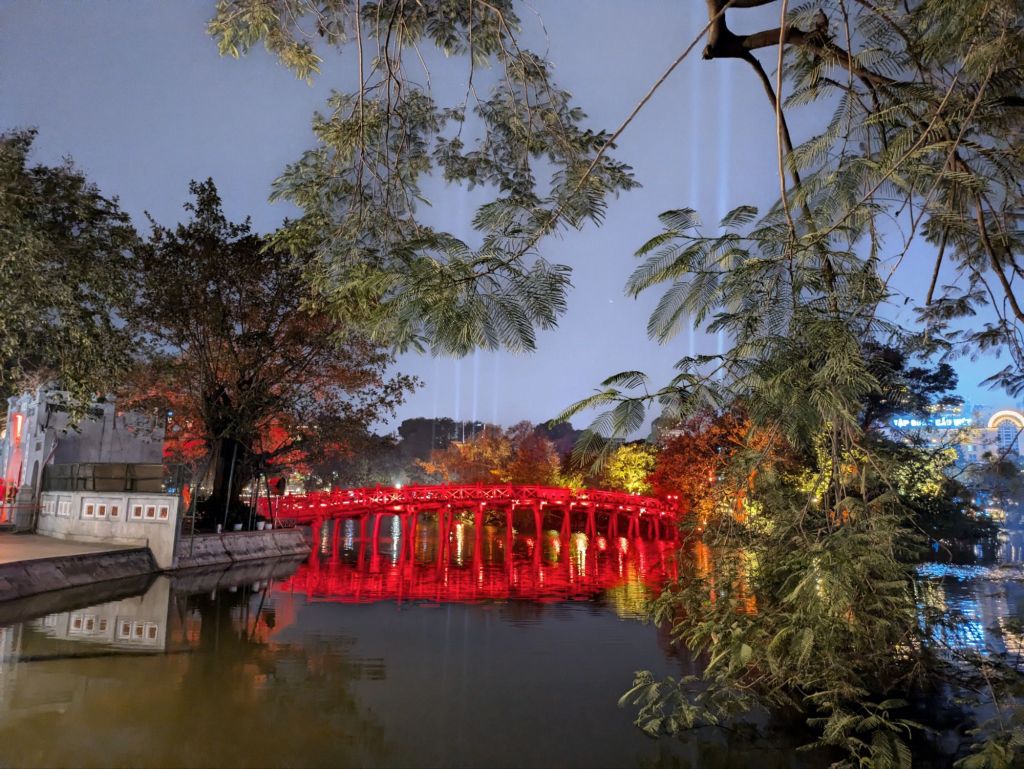
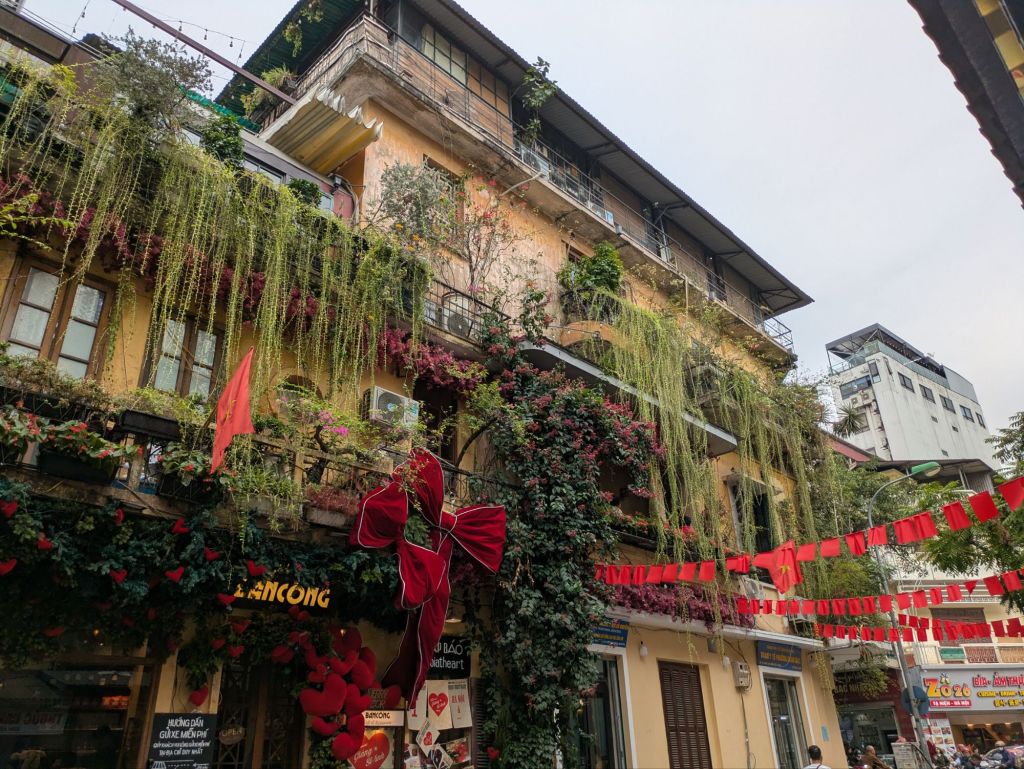
While the city is large, if you base yourself in either the old or French quarter you will probably be within walking distance of most of the sites worth visiting.  The area around the Thang Long lake is pedestrianised at the weekends and you’ll find families out with young kids enjoying street entertainment and night markets and it is a great way to kick back and enjoy the city.

 If you’ve had enough walking but aren’t going to far, you can also take one of the bicycle rickshaws you’ll see across to the city.   I’m still going to recommend using the ride service GRAB (not sponsored by them, but open to it).  You can use this to book a taxi, or hop on the back of a moped at a cheaper rate (no amount of money would pay me to do this, as traffic signals seem to be little more than a suggestion).

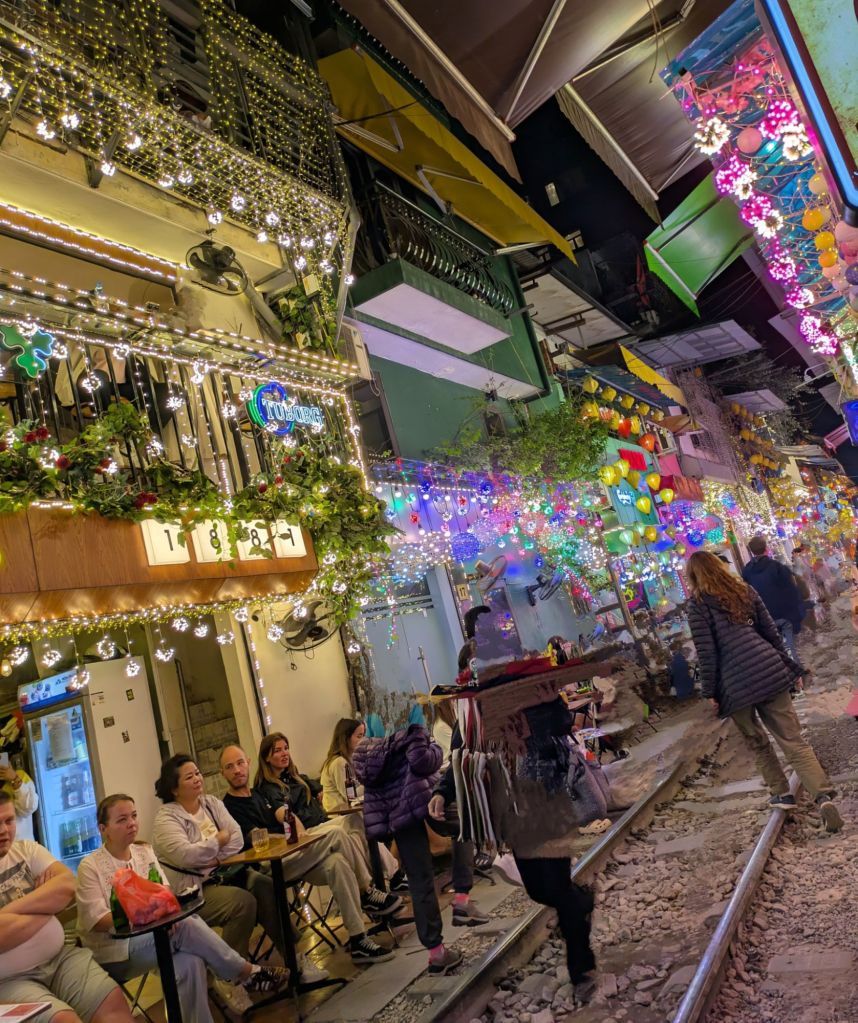
No visit to Hanoi would be complete without a visit to Train Street.  It is literally a narrow street lined with bars and cafes where you can watch a train cut right through the middle of the street.  It’s great fun and worth dropping by when a train is due and the surrounding streets also have great places to eat and drink.  Small low seats and tables right on the street are normal, but you can also find higher seats easily enough.

Hanoi is excellent value for money if you’re on a budget and you’ll enjoyed meeting the people who were warm, funny and friendly.

Singapore -Simply Sensational

You know you’ve landed somewhere pretty special when even the airport has a waterfall, monorail and butterfly garden.  It’s also amazingly well run, efficient and pleasant to travel in and out of.  It’s a no announcement airport so it’s surprisingly calm without constant intelligible “bing bong” announcements so it’s important to check your flight details.

If you haven’t visited Asia before Singapore is an excellent entry way.  As a former British colony English is widely spoken, signs and announcements are also in English (they also drive on the left hand side of the road).

The city itself is a beautiful mix of historic buildings and iconic skyscrapers.  It’s a lot greener and less frenetic than cities like Hong Kong and Bangkok.  It is also an important financial and business and hub, and it’s clear there is also a lot of money floating about the place. But the city also has a fascinating history and has been a crossroads for multiple cultures. 

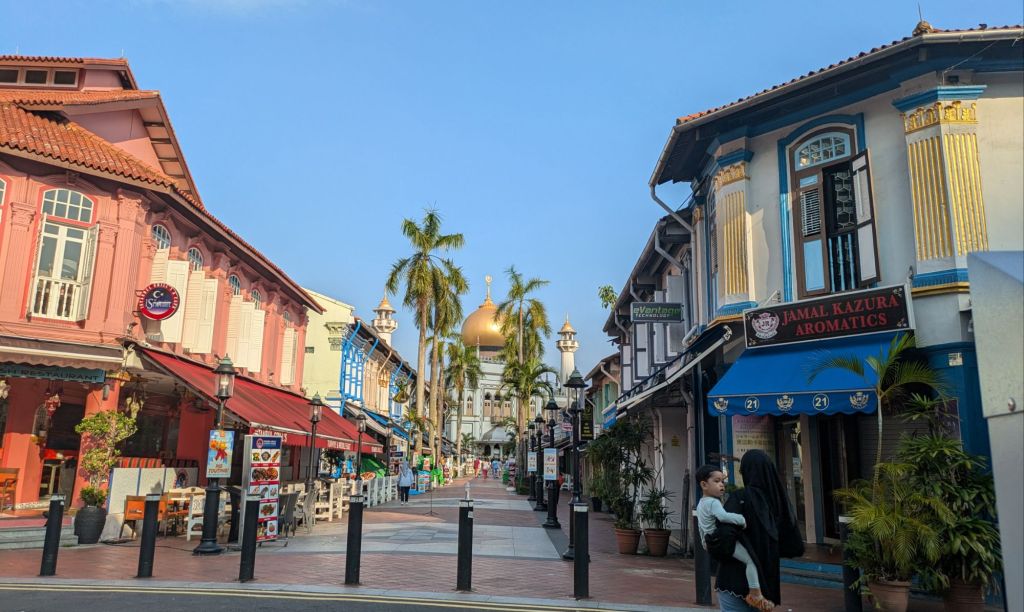
The local indigenous population refer to themselves as Hainese.   Throughout the city you’ll find other communities like Arab Street and Hagi Lane where you can find the beautiful Sultan Mosque, where Muslim merchants originally settled and you can find multiple pretty little Turkish, Indonesian and Malaysian restaurants. 

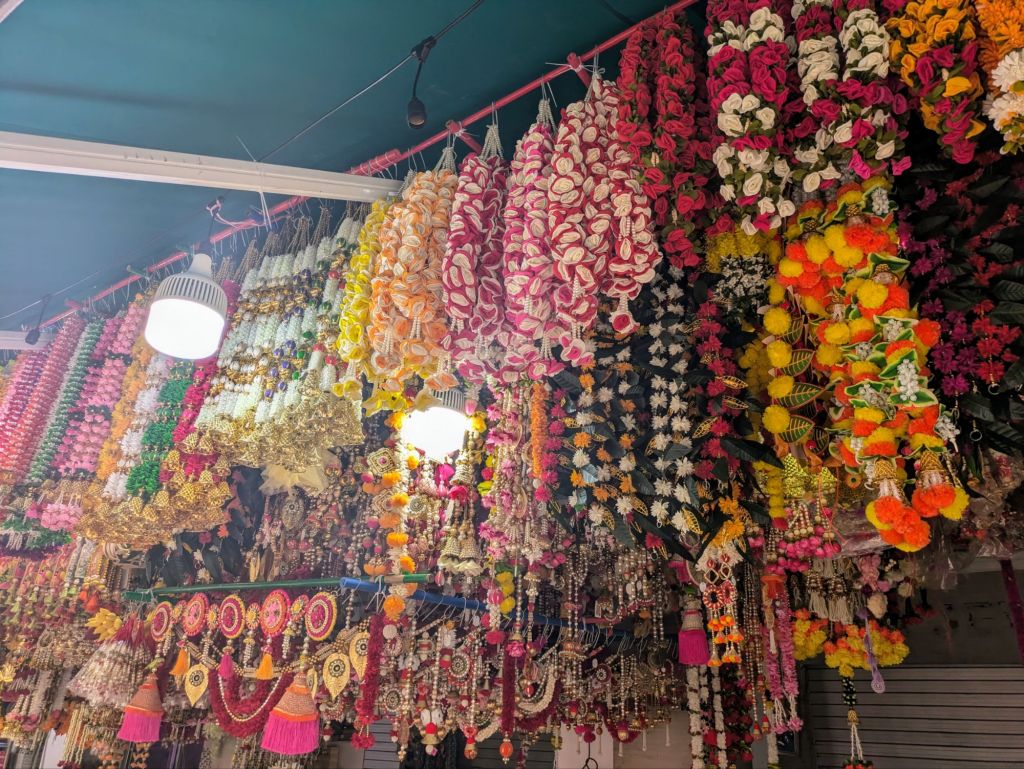
Walk about 10 minutes and you’re in Little India, there is also a sizable China Town, with endless places to eat, a night market and beautiful ornate Hindu temple.

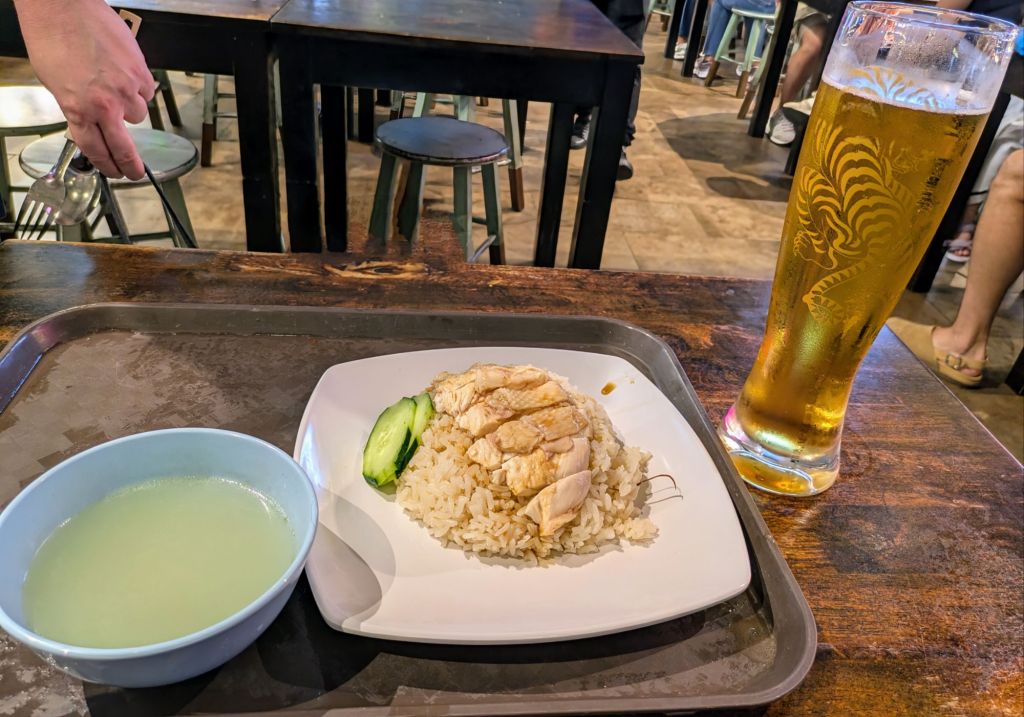
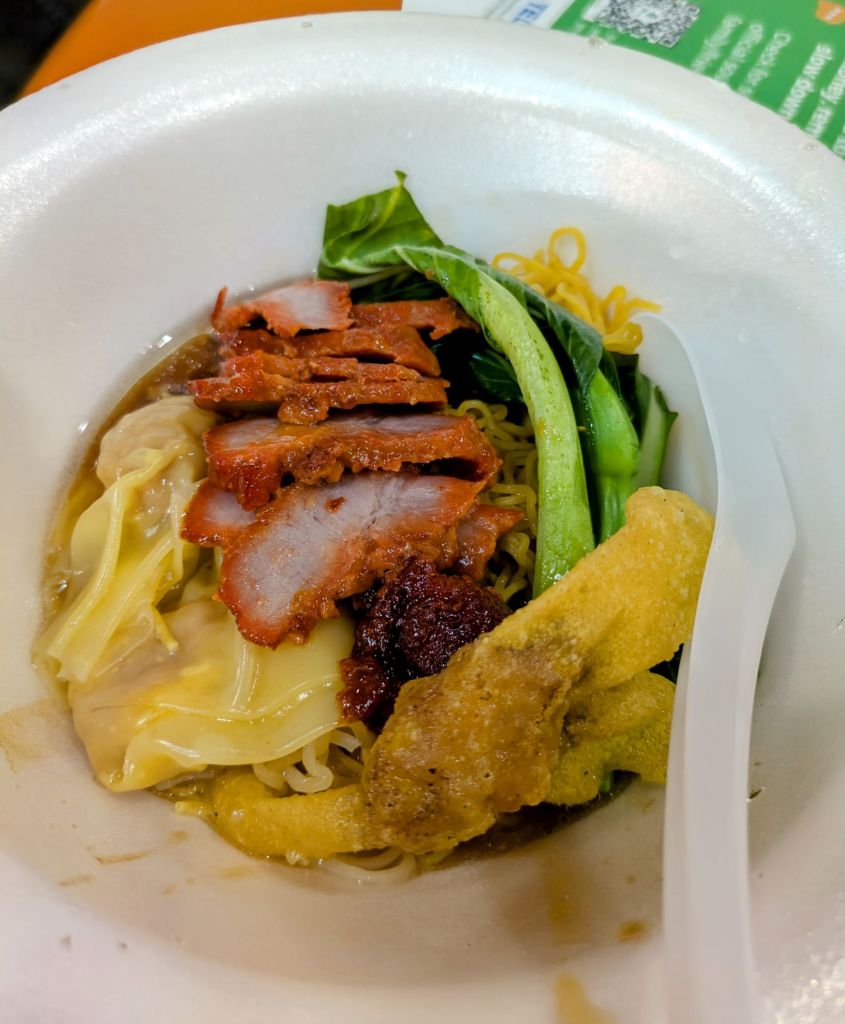
Hawker markets also play an important part in the food culture of the city, producing over 1 million meals daily, as it’s common for locals to eat out daily.  They are essentially food courts where you can buy everything from the local speciality of chicken and rice (poached chicken and rice served with a simple but tasty chicken broth and costs about £3.20), through to other dishes from all over Asia. 

The Lau Pa Sat hawker market was probably my favourite but is popular with tourists, it runs alongside what’s known as Satay Street.  As you’ve probably guessed you can find multiple vendors cooking and selling satay skewers with chicken and  prawn being the most popular, but frankly I thought it was overpriced, with food inside the hawker market being better value.  The Maxwell hawker market in Chinatown was probably more authentic but maybe less fancy.

Singapore is incredibly easy to get around, the airport is only 30 mins from the city centre, and it has an excellent underground railway system (MRT) with fares costing around £1, and you can just tap your debit card going through the turnstile, so no queuing for a ticket.  There is an option for a tourist pass depending on what you’re planning but I found it cheaper to just pay as I went.

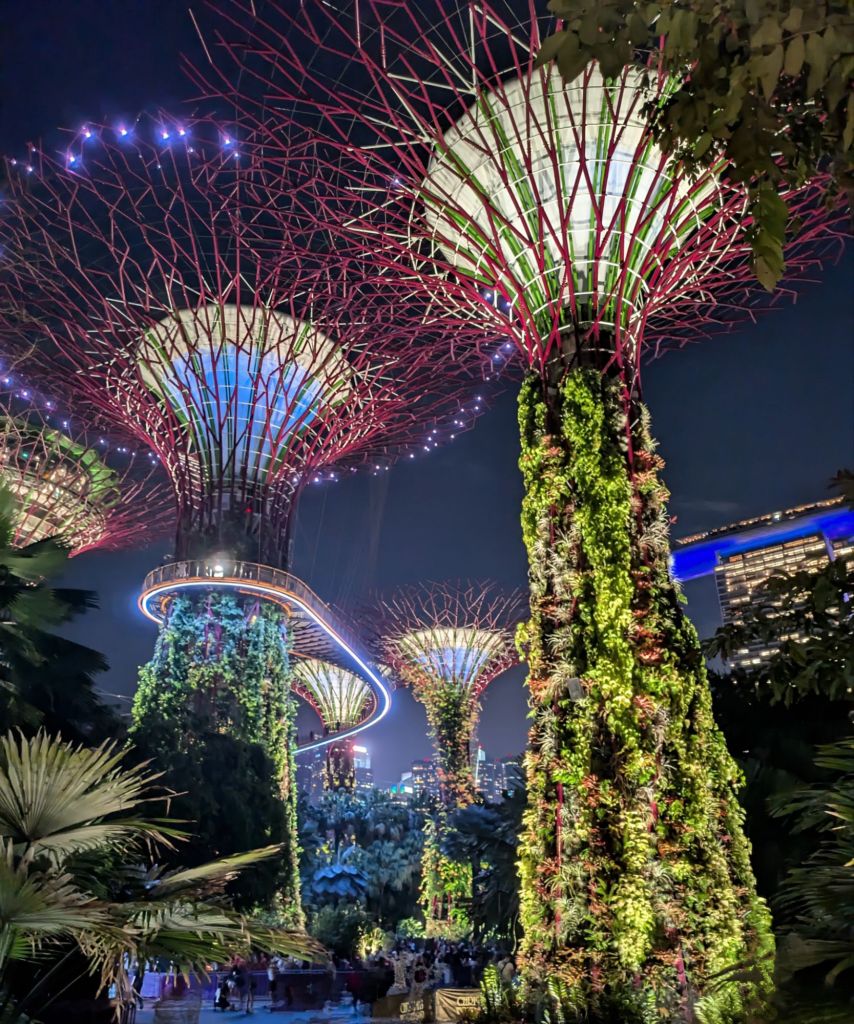
The one thing I would recommend to anyone visiting Singapore is to visit the Gardens on the Bay.  It’s a huge parkland that is free to visit and contains the iconic tree structures that resemble something from an alien planet or Jurassic park.  There is an amazing light show each evening on the hour (this was honestly my favourite thing I did), and if you’re visiting during the day you can visit the Cloud Forest, an indoor botanical garden specialising in exotic plants and orchids, as well as the Flower Dome.  You’ll need to pay in to see these as well as the viewing deck for the large tree (not to be recommended if you have a fear or heights). 

Ask anyone who has ever been to Singapore and they’ll tell you how clean it is.  Chewing gum is banned and smoking outside is banned except for designated areas with a green bin.  On more practical considerations, if you need to use your phone  lots of companies offer online Esim cards that work in several different Asian countries if you’re travelling, but ordinary sim cards can be purchased everywhere if your phone isn’t compatible with Esim cards.  While the public transport system is excellent, I used the Grab transport app a lot when travelling  in Asia (they haven’t sponsored me, but if they’d like to I’m definitely open to it).    A bit like Uber you can book pick ups, there is a translate function and you can also take a photo of where you are, which was really useful if you’re in a busy street and makes it easier for the driver to find you, as well as knowing what the fare is up front and avoiding the need to haggle to agree a fare.

Singapore is a beautiful city, but very hot and humid.  The best piece of advice I can give apart from staying well hydrated is to get up early and to see things, it’s less crowded and cooler.  You’ll also avoid the torrential thunderstorms that happened every afternoon when I visited and were pretty cool.