Roast Shoulder of Venison with Miso Butter

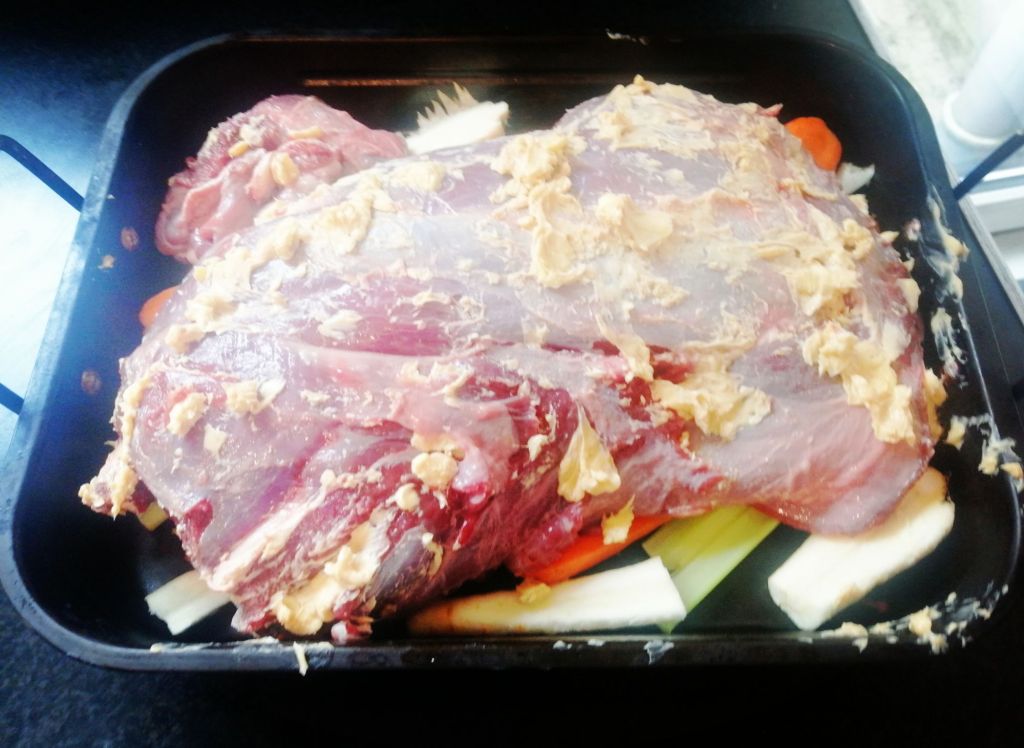
I’m lucky enough to have a friend who’s husband culls local deer.  She recently turned with a big of venison including a shoulder of venison (thank you Dermot and Bronagh). Apologies that the photos don’t do this justice, but we fell on this like a pack of animals and were too interested in feeding our faces with delicious roast meat to take decent photos.
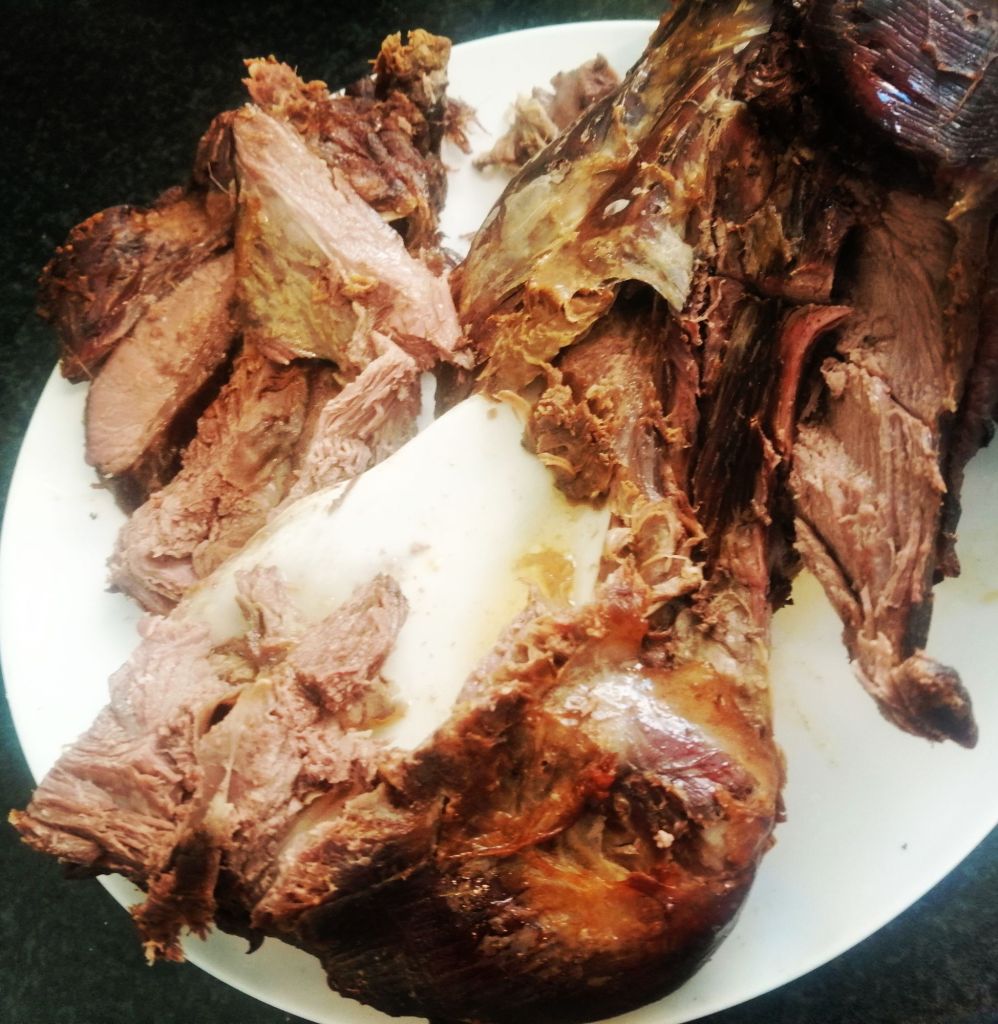
This was a bit of an experiment (I’ve never cooked with this cut before, but as its from a really muscular part of the animal so I knew to cook it long and slow, at least 4 hours, plus resting time). Because venison is so lean I wanted to keep it from drying out.  I did this by slathering it in miso butter (which tasted yummy but didn’t overwhelm the taste of the meat).
I served this as part of an Easter dinner with roast potatoes and vegetables, but you’ll have plenty of meat left over and it’s great in sandwiches, wraps etc.

Ingredients

2.5 Kg Shoulder of venison (including the bone

125 Grams Butter (softened)

1.5 Tbsp Miso paste

Carrots/celery/parsnips

1 Glass White wine (optional)

Method

  • Remove the venison from the fridge and allow to come to room temperature
  • Preheat your oven to 200 degrees (Celsius)
  • In a large roasting pan, cover the base with celery stalks, halved carrots or parsnips (this will act as a bed for meat to stop it sticking to bottom and will help flavour the meat juices.  I use old wonky vegetables that have hanging around the fridge, these won’t be eaten but are just to add flavour)
  • Mix the butter and miso paste together and rub all over the venison, making sure to get into all the nooks and crannies.
  • Set the venison on top of the bed of vegetables and add a class of white and a glass of water to the pan (or 2 glasses of water if you’re not using wine)
  • Cover the roasting dish tightly with aluminium foil and place in the oven
  • Cook at 200 degrees (Celsius) for 30 minutes before turning the heat down to 150 degrees for at 3.5 hours
  • After 2 hours remove the pan from the oven. Turn the meat over and baste with juices in the pan.  Cover again with foil and return to the oven
  • After 4 hours check on the meat, if it still feels a little tough, cook for another 20-30 minutes.  Remove from the oven and keep covered while the meat rests for at least 30-45 minutes (it’s important not to rush this part as it will help the meat stay tender).  Drain of the meat juices and use to make really delicious gravy, or spoon over any left over meat to help keep it moist

Daub of Venison with Red Wine

I was lucky enough to be given some venison by a friend who’s husband enjoys hunting.

I know looking at this, the meat might be a bit too rare for some people. Venison is super healthy and very low in fat. Due to this it can dry out very quickly and become tough if it’s over cooked. If you enjoy your meat well done you can make this dish with beef which had a higher fat content.

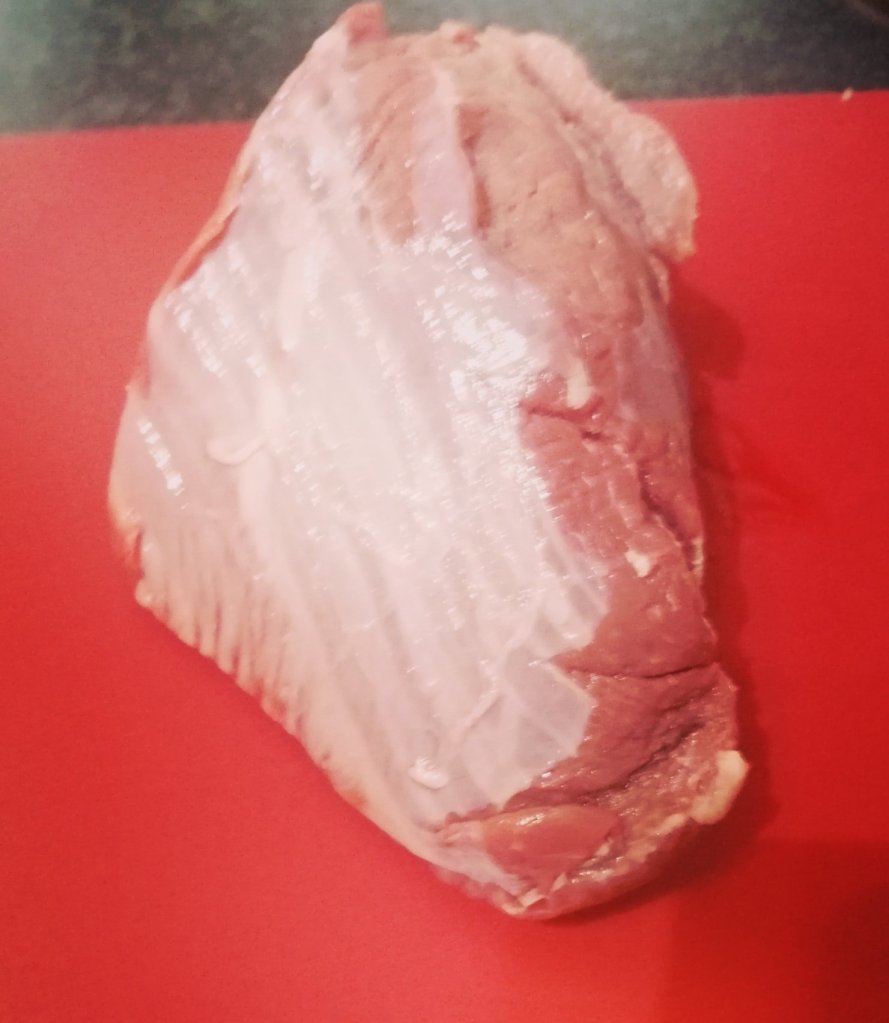
Opaque layer needs to be removed to prevent it toughening while cooking
Film is easily removed with a sharp knife

Sometimes you’ll see a filmy layer on the meat, it’s really important to remove this as it will toughen up when you cook it. The good news is that it’s easy to remove, just slip a sharp knife behind it, it should pull away without too much hassle.

Ingredients

0.75 Kg Daub of venison (allow to come to room temperature before cooking)

1 Large carrot (chopped finely)

1 Large Onion (chopped finely)

Half bottle of red wine (I recommend drinking the rest)

1 Tbsp Olive oil

25 Grams Butter

1 Tbsp Dried thyme

1 Bay Leaf

Method

  1. Heat the oil and half the butter in a large oven proof dish (one that has a lid)
  2. Add the meat and seal on all sides over a high heat
  3. Turn down to a medium heat and add the herbs, vegetables and wine and allow to come to a simmer
  4. Cover with a lid and put in a pre heated oven for 20 minutes
  5. Take the dish from the oven and remove the venison and allow the meat to rest for 10-15 minutes
  6. Over a medium heat the wine and vegetable mix and allow to reduce. Add the remaining butter and stir in until melted and the sauce is glossy
  7. Slice the venison and serve on top of the sauce and vegetables

Herb Walk at Helen’s Bay Organic

Red Dead Nettle

If you’ve followed this blog you’ll know I’m a bit of a foraging nerd. I was really lucky to go on an amazing herb walk with 2 fantastic and highly qualified herbalists (Sarah and Luke) down at Helen’s Bay Organic farm.

The weather was bracing to say the least, but Luke and Sarah were so passionate about their subject that you almost didn’t mind the rain showers and wind.

In my part of the world we’re fortunate to have a brilliant variety of wild plants that are delicious and amazingly good for you. To make things even better, they’re free!

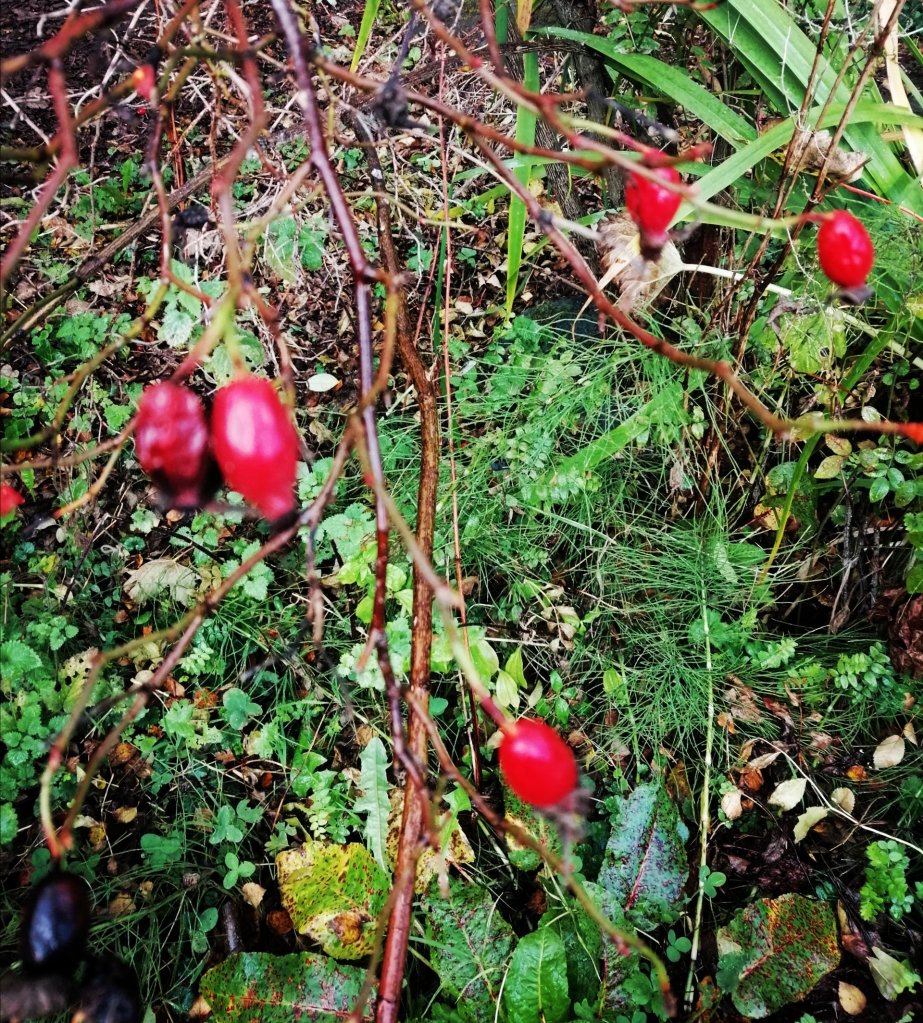
Rose hips

When picking wild food it’s advisable to not pick from roadsides (because of all pollution from passing cars). If you’re picking herbs at low level it’s also worth remembering that dogs might have pee’d on them (so give them a quick wash if you’re not sure).

Rose hips from wild roses

The first wild food we were shown were rosehips, the seedpods of wild roses. It’s not advisable to eat the whole thing as the seeds are an irritant. They make a tasty syrup packed full of vitamin C. In fact only 3 rose hips, has the same amount of vitamin C as a large orange.

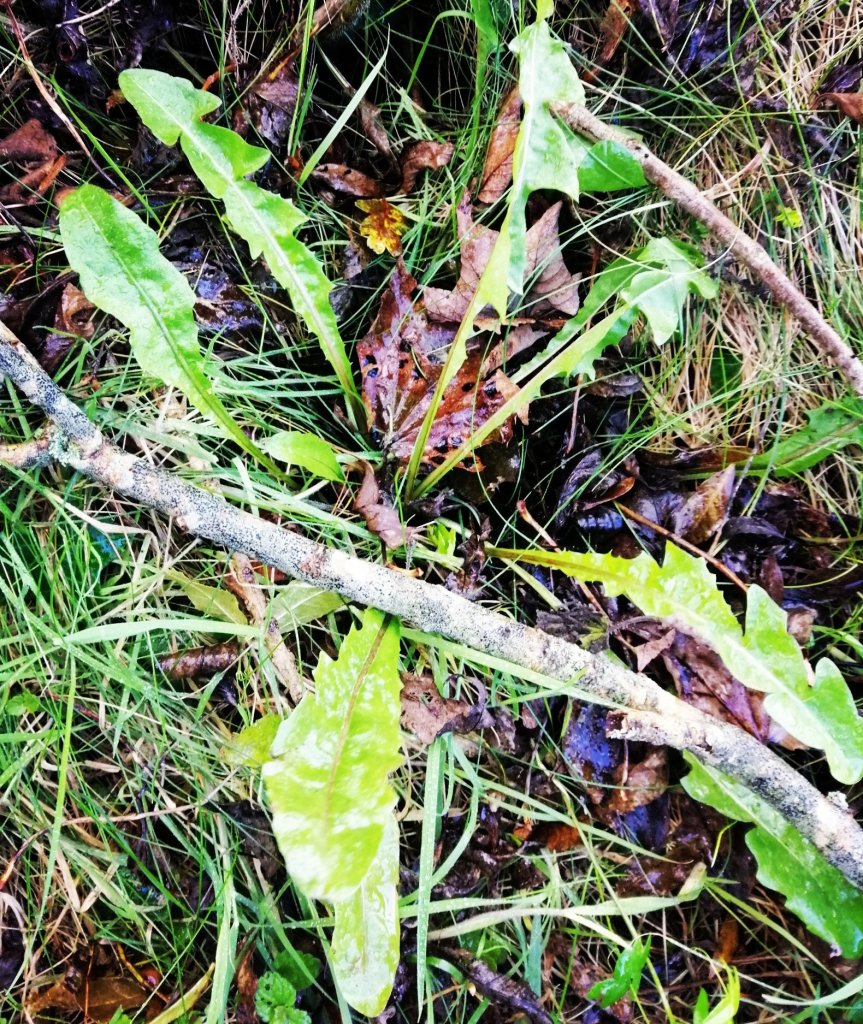
Raw dandelion roots produce latex that can be used to treat warts

Dandelions are seen as a scourge by most gardeners’ but has a range of uses. The young leaves can used in salads, the roots make a decent coffee substitute, and it makes a very good diuretic, that removes sodium but not potassium from your body.

Chick weed

Chick weed (so called because chickens go mad for it) is good in salads and tastes quite like spinach and packed full of vitamins. This herb is also great for your skin and can be used in baths as a little treat for your skin

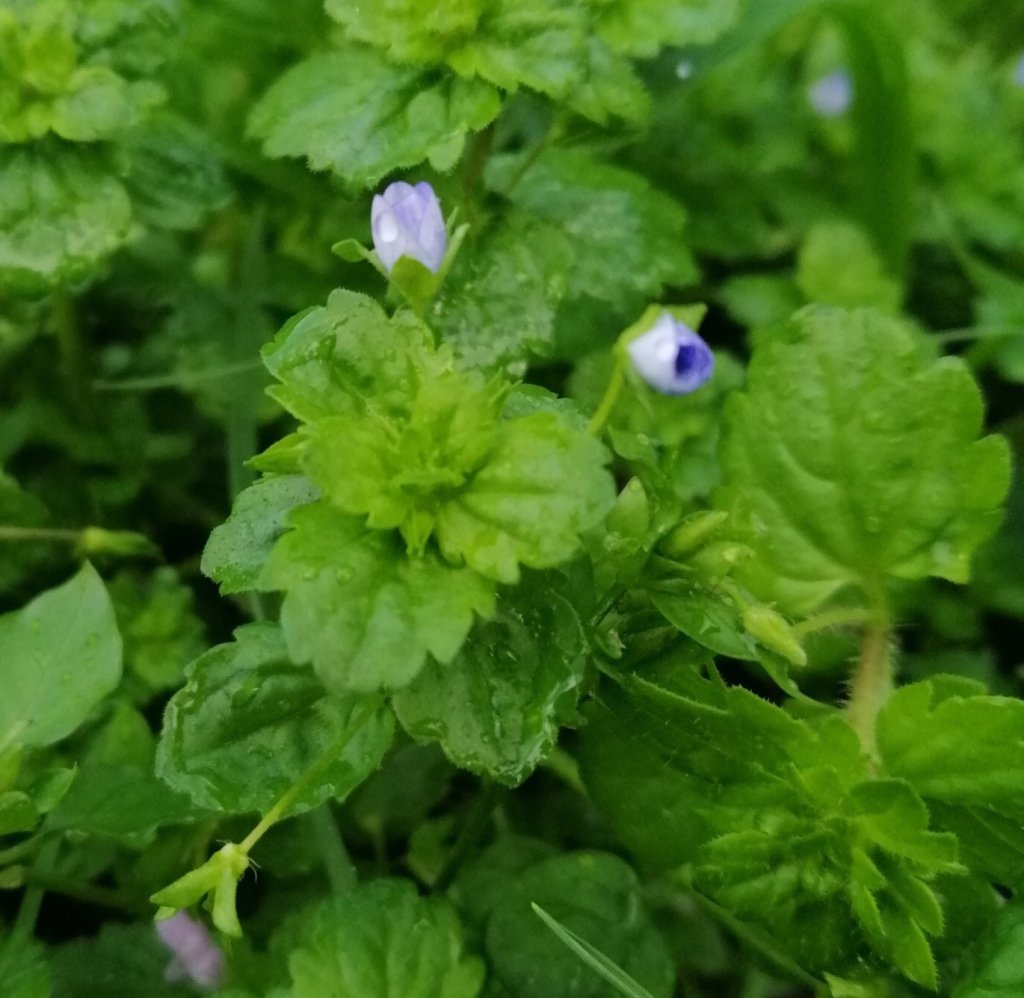
Speed well

Speed well was apparently used as far back as ancient Greece, and helps with muscle injuries and fatigue.

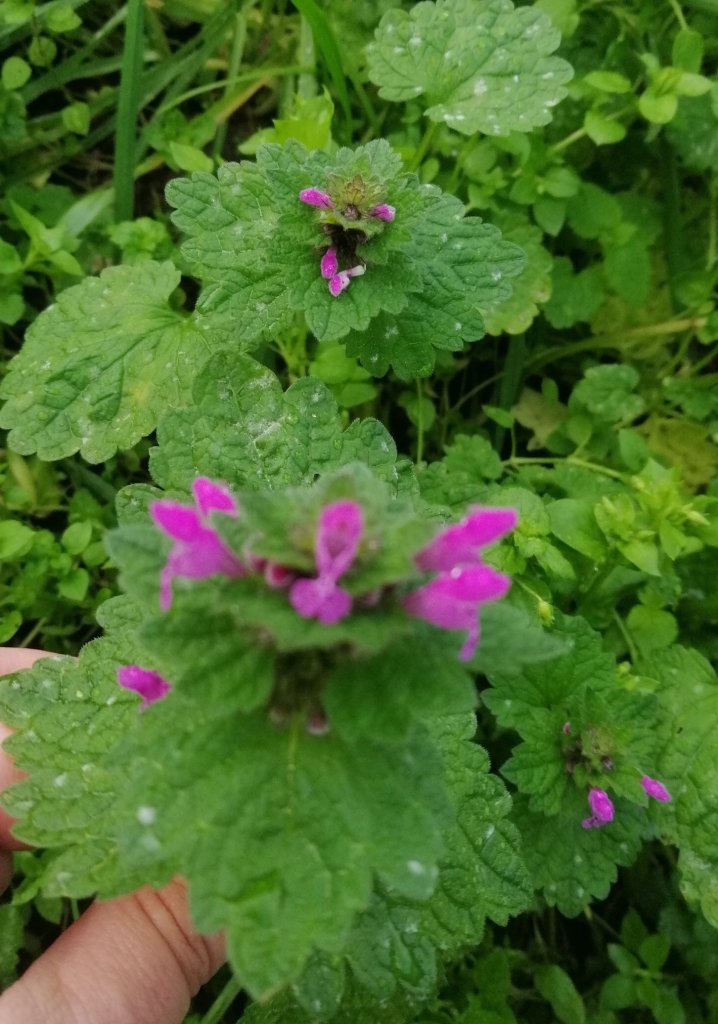
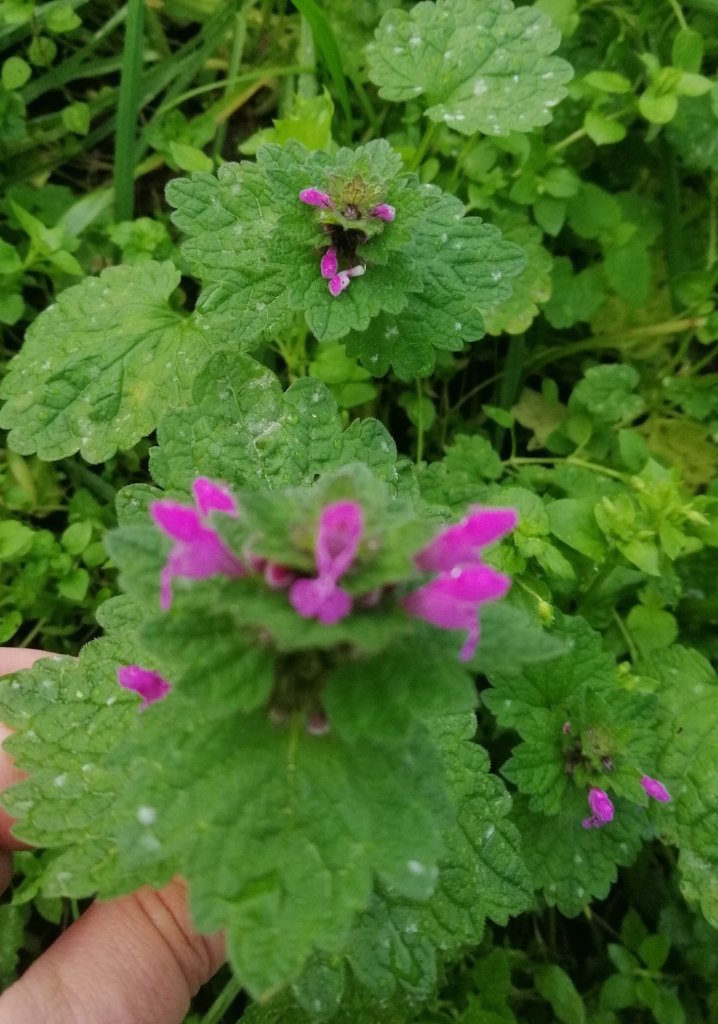
Red Dead Nettle

Red dead nettle (even though the flowers are pink) is a member of the mint family. A powerful anti spasmodic, it’s useful in the treatment of IBS and period cramps.

Shepherd’s Purse

Shepherd’s Purse, can be used to reduce inflammation and can help treat heavy periods and intestinal issues.

Stinging Nettles

Stinging nettles are a pain if you brush up against them, but are an almost perfect super food. Packed with vitamins, minerals and trace elements the young leaves can be picked all year round and eaten in soups and stews. Medicinally they are high in iron, and has proved effective in the treatment of rheumatoid arthritis and kidney problems.

Dock Leaf

As a kid I was always told if I was stung by nettles to rub my skin with a dock leaf, which proved to be absolutely no use. But it turns out there was something in the old wive’s tale that obviously got jumbled over time. If you ignore the big leaves and look towards the root there are little new almost spiky leaves. If you pick these leaves they release a gel similar to aloe vera, which as it turns out can sooth skin irritation. The roots can also be dried and used to treat skin conditions like eczema and psoriasis.

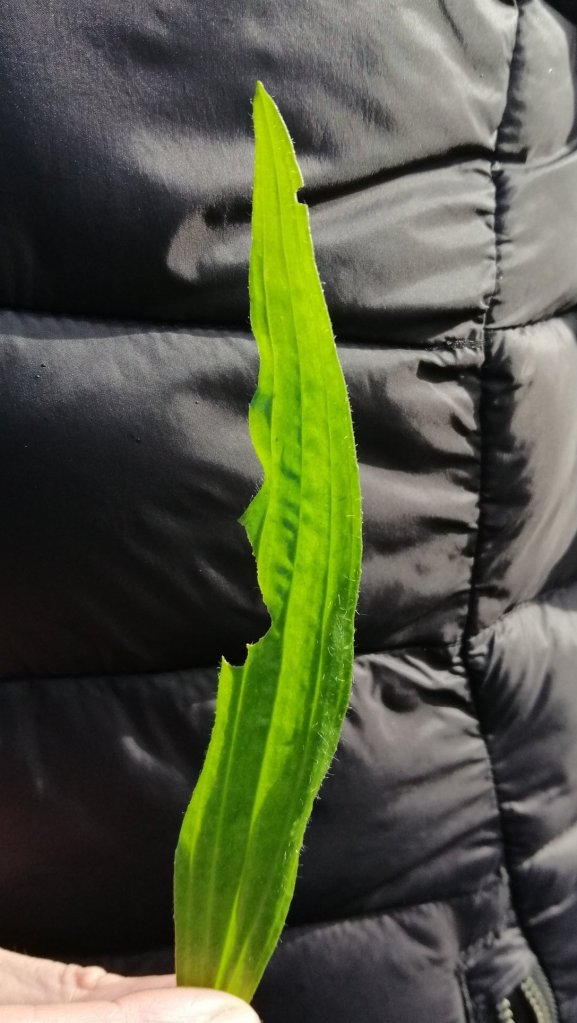
Plantain

My favourite herb of the day was plantain, which tastes a little bit like dried mushroom, but in a good way. This was traditionally made into a poultice to help wounds heal more quickly. If drunk as a tea about 20 minutes before taking certain antibiotics it can boost their effectivness by 3-4 times.

Ivy

Ivy is also seen as a pest by most gardeners’ but can also be used to make a tea. The tea helps treat lung problems like hooping cough and bronchitis.

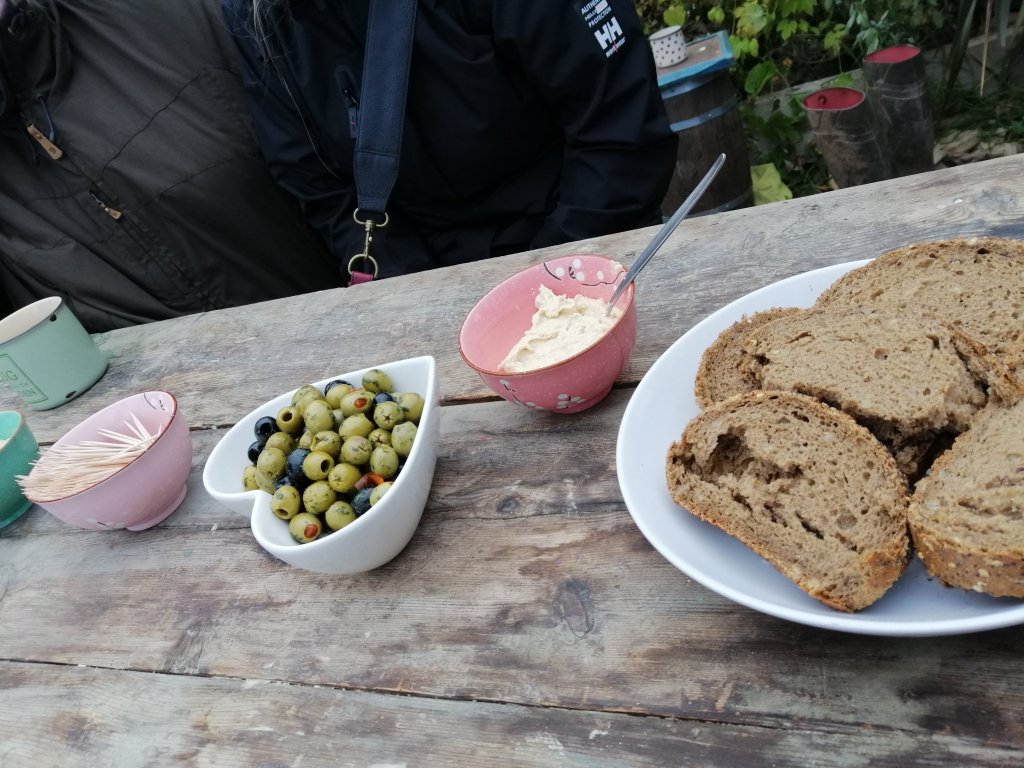
Just part of our yummy lunch

We were also treated to a tasty lunch of home made nettle soup and nibbles. Sarah and Luke run these walks several time a year based on the seasons. I’m not including a quarter of the fascinating stuff they told us. If you like to geek out a little bit about foraging, this is the experience for you. I would definitely recommend it.

Foraging at Navan Fort and walking through history.

Even though I was raised in the city, one of the things my Dad loved to do was to take us on nature walks. During these he would point out trees and plants and let us pick wild blackberries and hazelnuts.

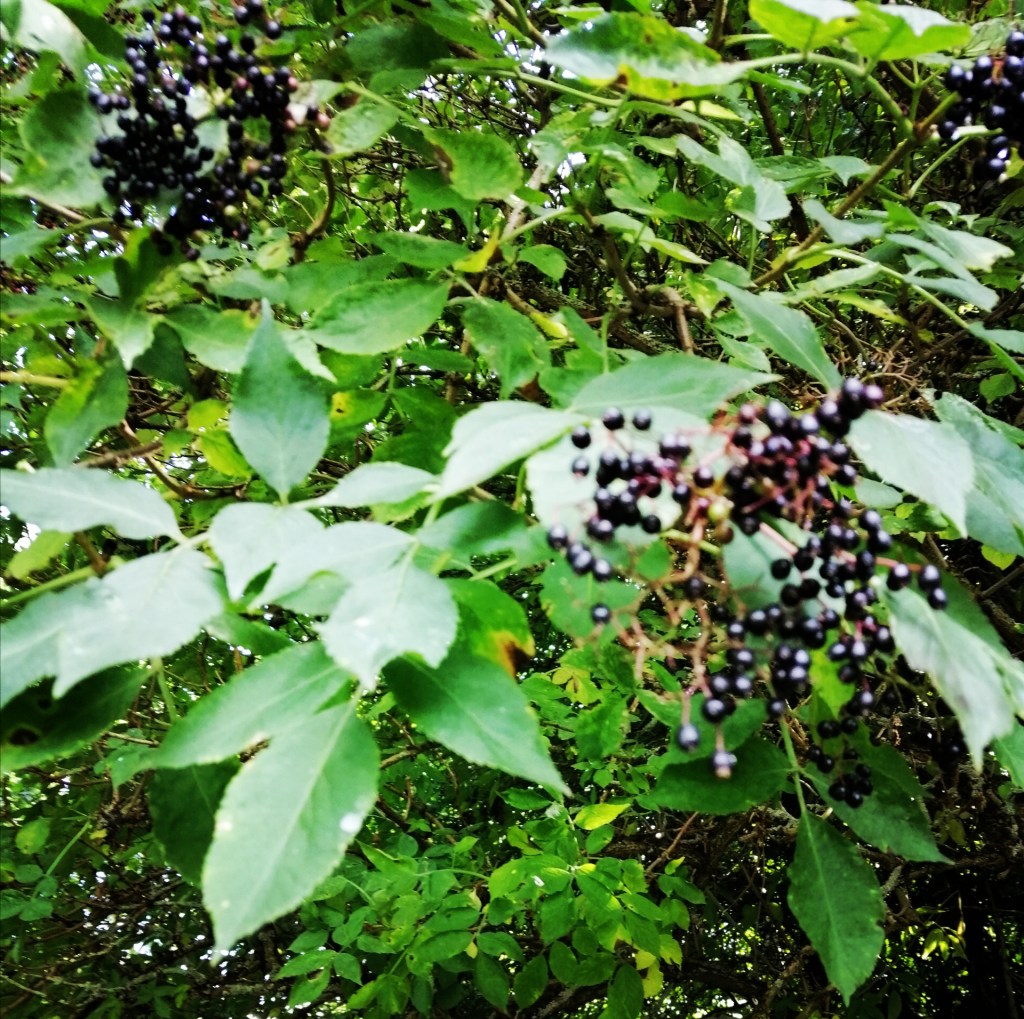
Elderberries, packed with vitamins and antioxidants

Foraging isn’t practical for everyone but when you get the chance I would recommend it. It helps ground you to where you live, and best of all it’s free. It’s also a fantastic activity to do with kids (just make sure to watch what they’re eating).

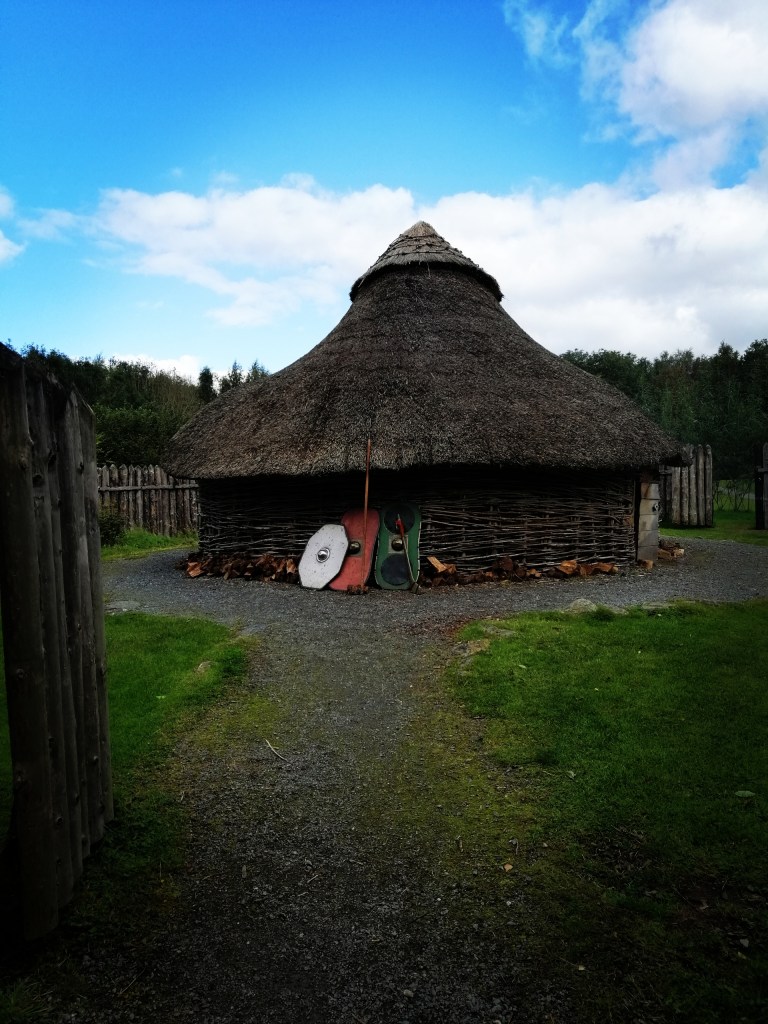
Celtic round house

Recently Navan Fort and Visitor Centre in Co. Armagh, ran an event which provided a guided foraging walk and demonstration of the food and cooking methods our Celtic ancestors would have ate. I’m a big history nerd, so this was right up my street.

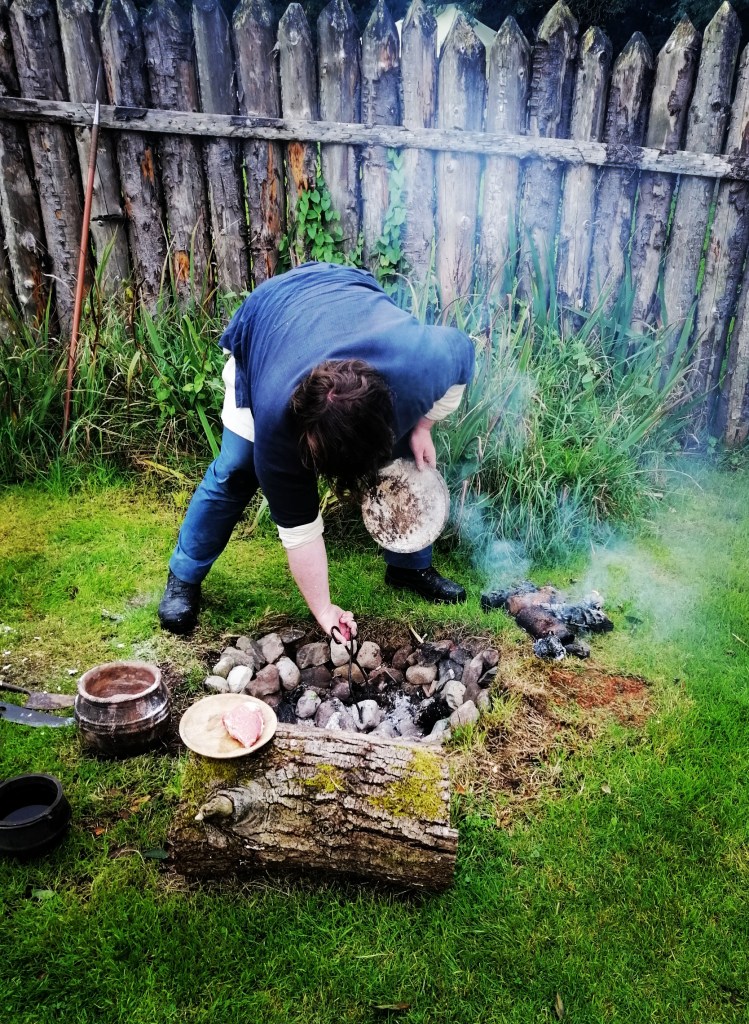
Iron Age fire pit

The staff in full Celtic regalia complete with spears really brought history alive, showing not only what the Celts ate, but how they cooked and lived, complete with a genuine Iron Age round house.

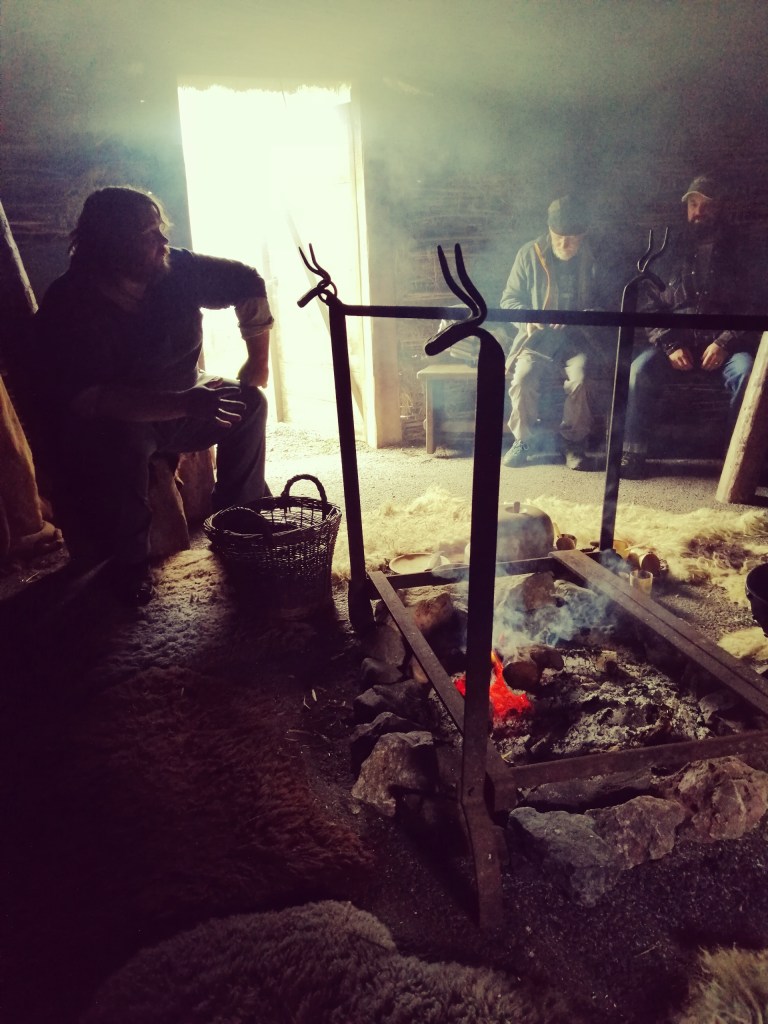
Inside an Iron Age round house

The staff were brilliant at getting younger visitors involved and having banter with the participants. They’re also extremely engaging, knowledgeable , and were really interesting.

Tripod cooking
Celtic bread oven

We were then treated to the foraging element led by Fergal. It was great to be back in nature and learn the history and use of local plants.

Robert’s plant or herb Robert

I have to admit in being remiss at not taking more photos of the edible berries like haws, rosehips, and sloes (yes the things they make sloe gin with). One of the more interesting plants was Robert’s plant/herb Robert. Apparently this will be one of the most important cancer fighting drugs in the next decade. If you want to put it in a basin of warm water and soak your feet it also has great antioxidant properties.

I honestly couldn’t recommend the place highly enough. We were also treated to nettle soup (packed with iron and surprisingly tasty), pork and apple stew (we were in the orchard county after all), and a dessert of toasted oats and nuts, local honey, and berries and cream. The charming and entertaining Ita not only cooked all this but demonstrated how our ancestors would have made bread. The foraging events are coming to an end due to the time of year, but the place has different events all year round and is still well worth a visit at any time.