Budapest was one of the jewels of the Austro-Hungarian empire. You can still find grand boulevards and impressive architecture. But unlike some other Eastern European cities it hasn’t enjoyed the same amount of investment. It’s original glory may have faded a little but it’s beautiful city with something for everyone.
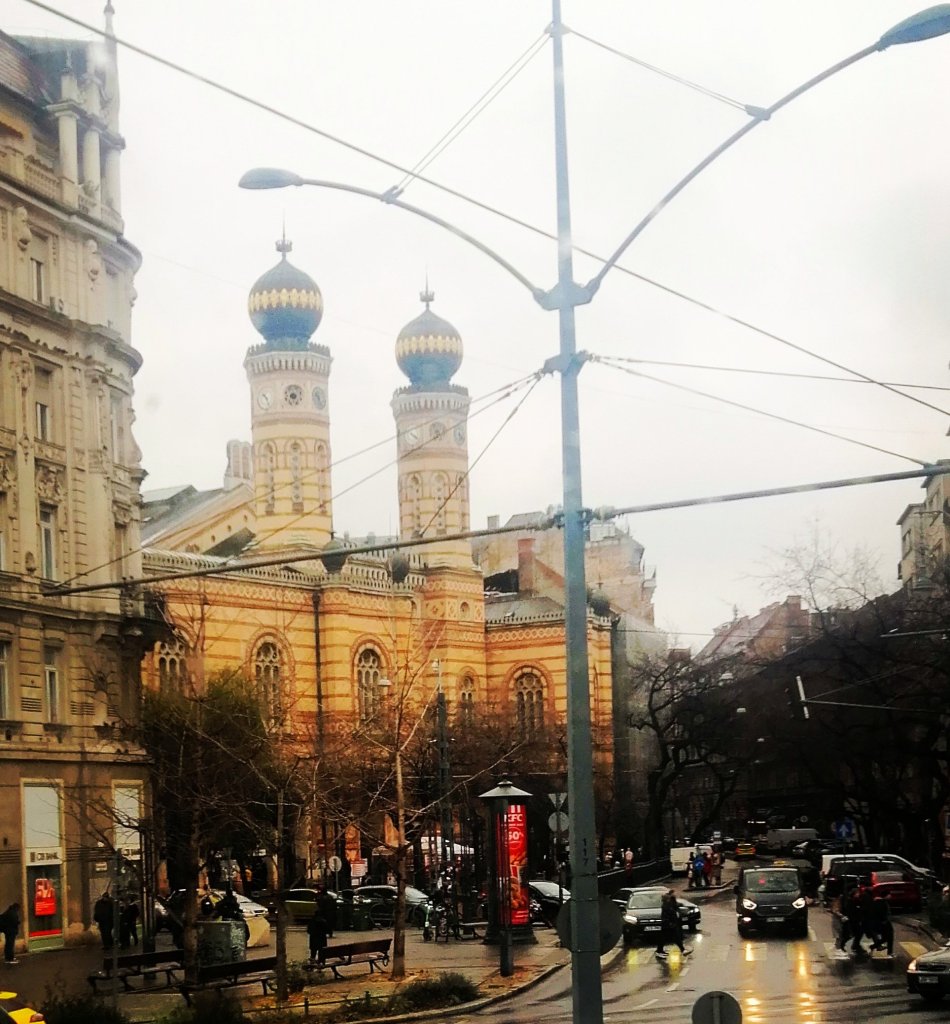
Central synagogue
We went with a view to enjoying the Christmas markets, and I was left a little underwhelmed, as they tended to sell the same overpriced tourist tat as other Christmas markets that are franchised out to most major cities. However, I was really impressed by the great market hall. You can rub shoulders with the locals doing food shopping, and pick up gifts and handicrafts much more cheaply than in many of the over priced tourist shops.
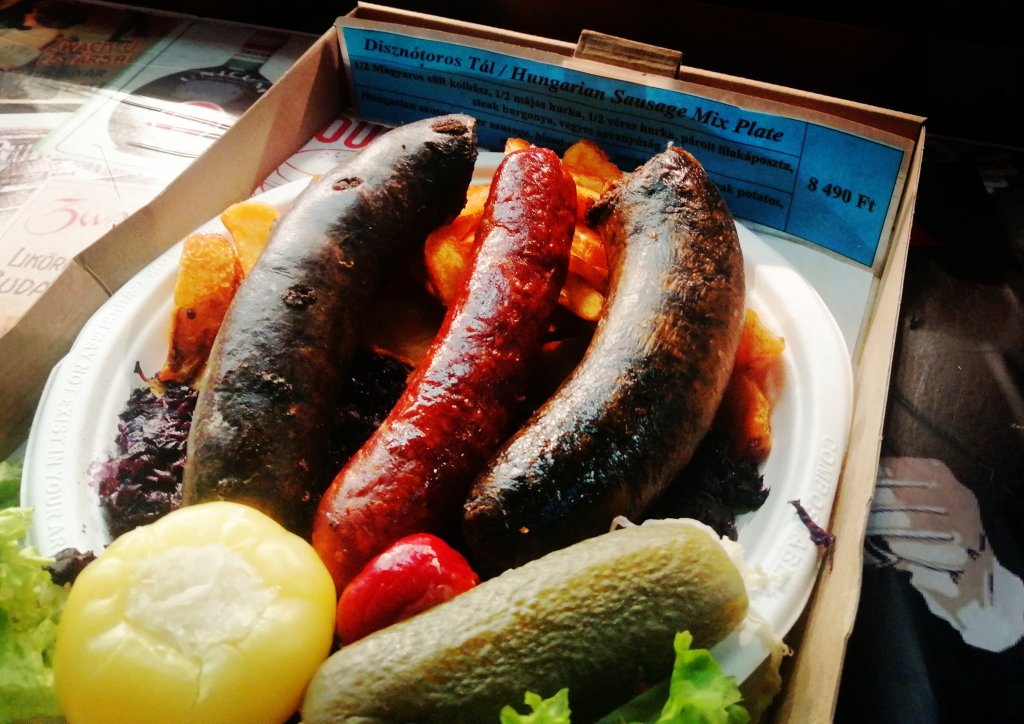
The upper floor sells proper stick to your ribs tradional Hungarian food (although there is very little in the way of seating, you’ll probably end up eating at one of the counters that surround it)
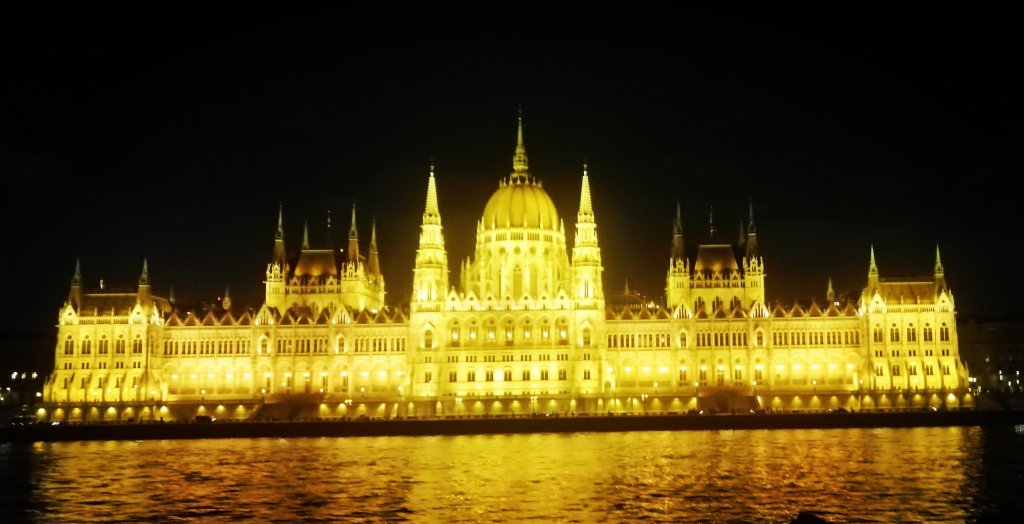
Budapest is quite spread out and split in two by the river, one side being Buda and the other Pest. I opted for one of the hop on hop off buses as the most efficient way to see the city. A one day ticket with a Danube cruise included was €32. This was good way to learn more about the city and get warmed up in between stops (wrap up warm it gets really cold). The river cruise at night was also one of my highlights. You should also consider downloading the Bolt app (similar to Uber) if public transport isn’t your thing.
If you’re looking for night life the south of the city is where it’s at. Prices are cheaper than other western European cities. Like anywhere you’ll pay a bit more if you’re in a touristy area
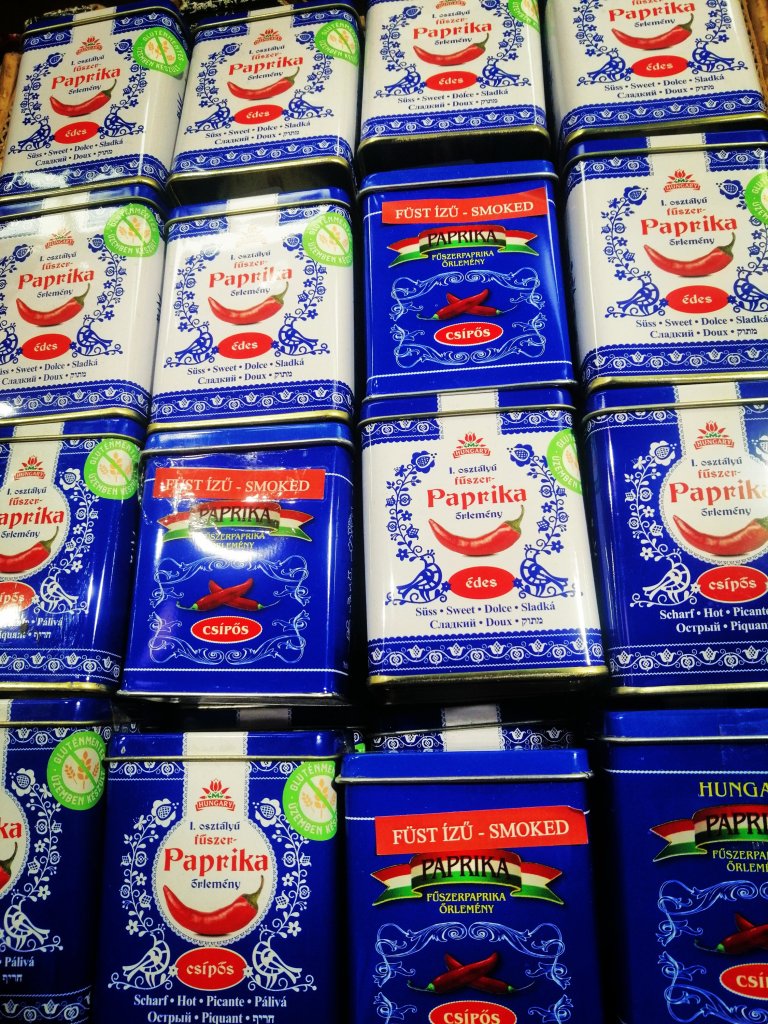
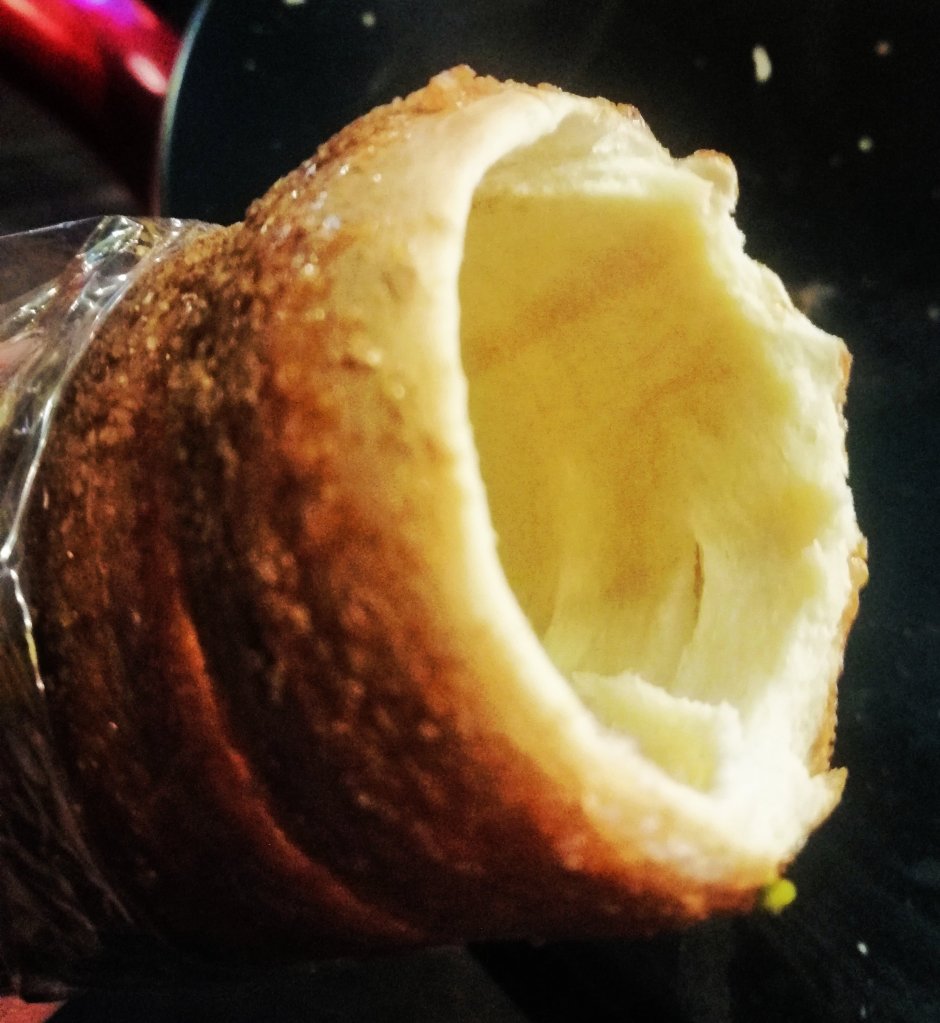
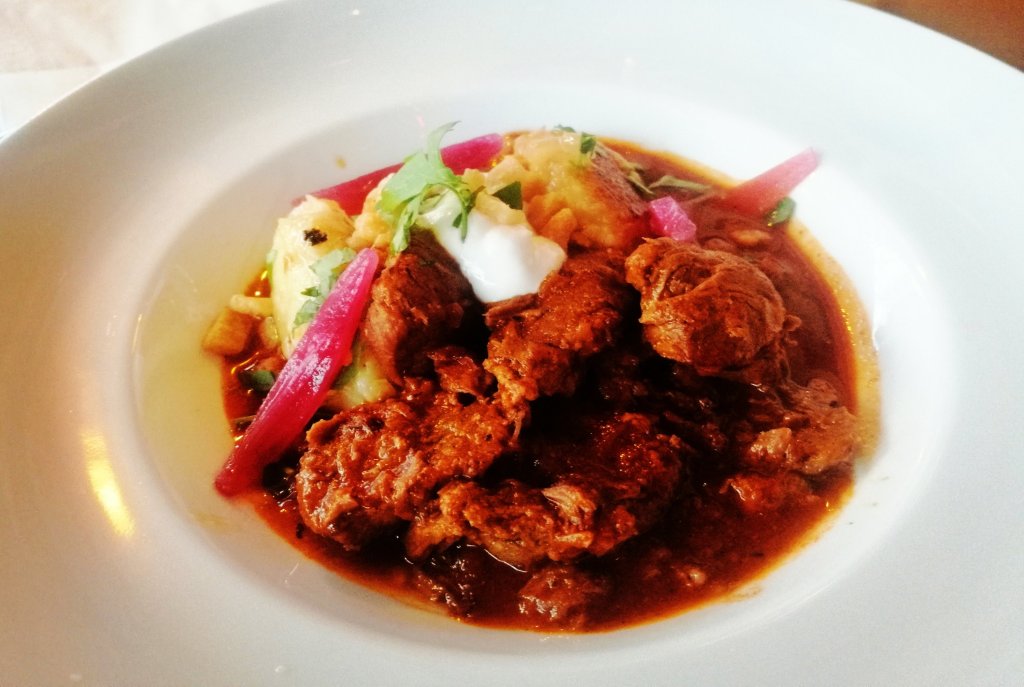
The food was excellent, paprika is widely used, and brilliant bread and pastries are easy to find. Vegetarians might struggle as most of the dishes we found were meat heavy to say the least (but delicious).
I last visited Amsterdam a lifetime ago. When the chance to came to revisit it again, I was on it like a car bonnet.
The place is just effortlessly cool and I can recommend staying in the Vondlespark district, with its beautiful parkland, gorgeous houses, great restaurants and about a 10-15 minute walk for the Museumsplein.
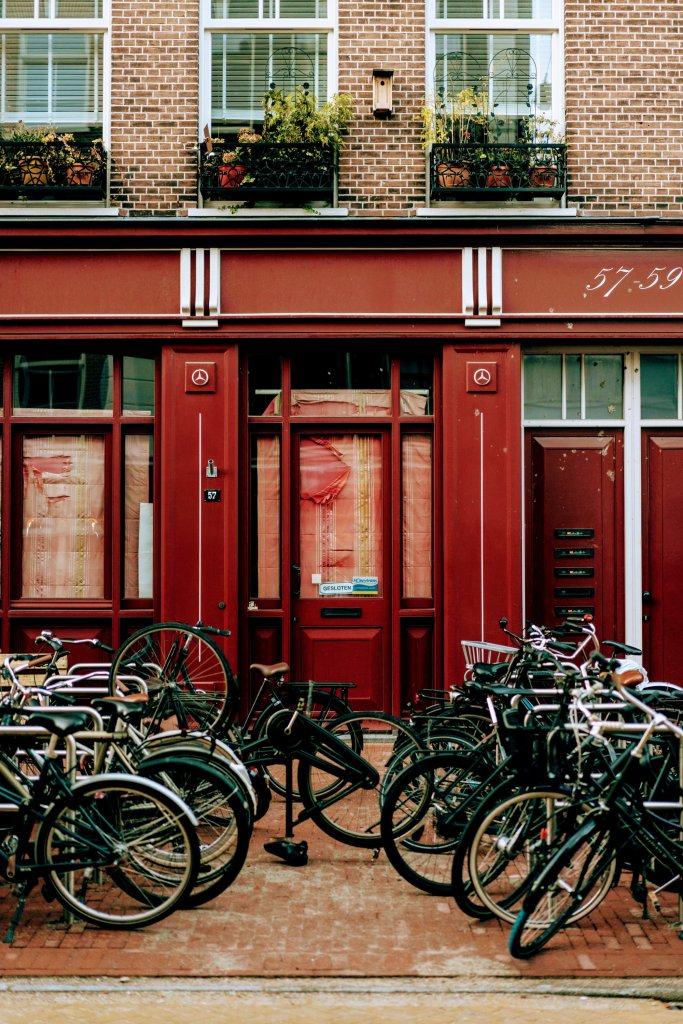
You can also rent bikes easily and the city has extensive bike lanes, with the majority of locals opting cycle for most day to day trips.
The Museumplein is a square containing multiple world class museums including the Rijksmuseum, which has some amazing works by old Dutch masters and another museum dedicated to Vincent Van Gogh.
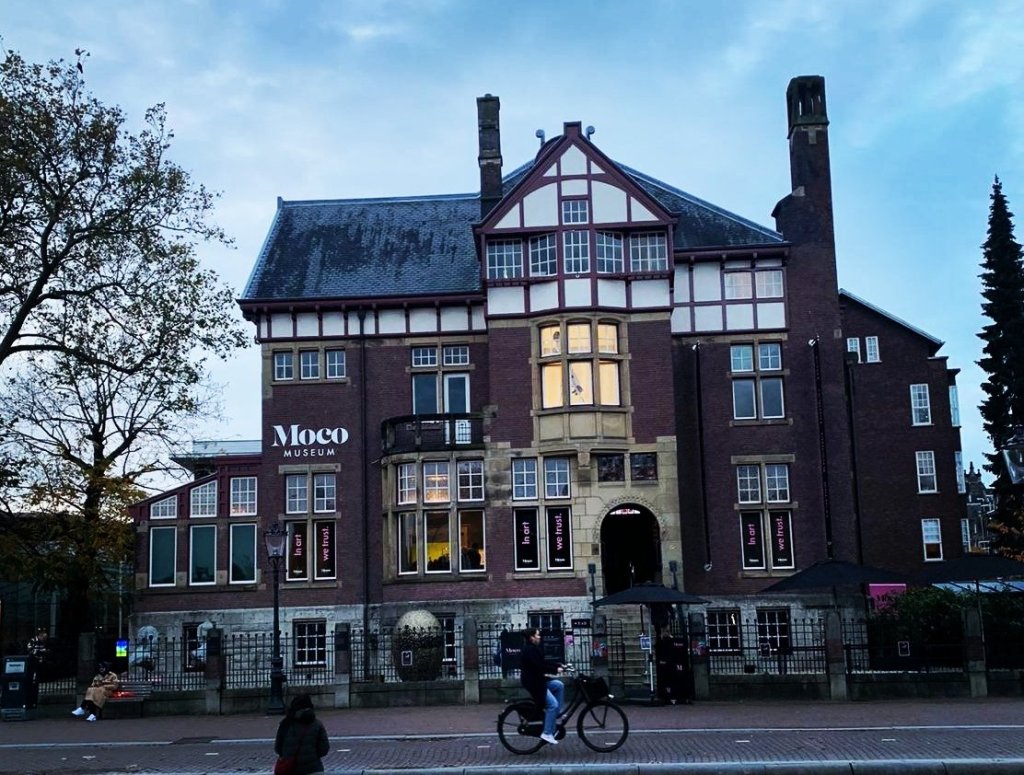
You could spend an entire day in either of these museums. Since I had visited them both before and didn’t have the luxury of endless amounts of time I decided to visit MOCO, which was originally built to resemble a hunting lodge between the two larger museums.
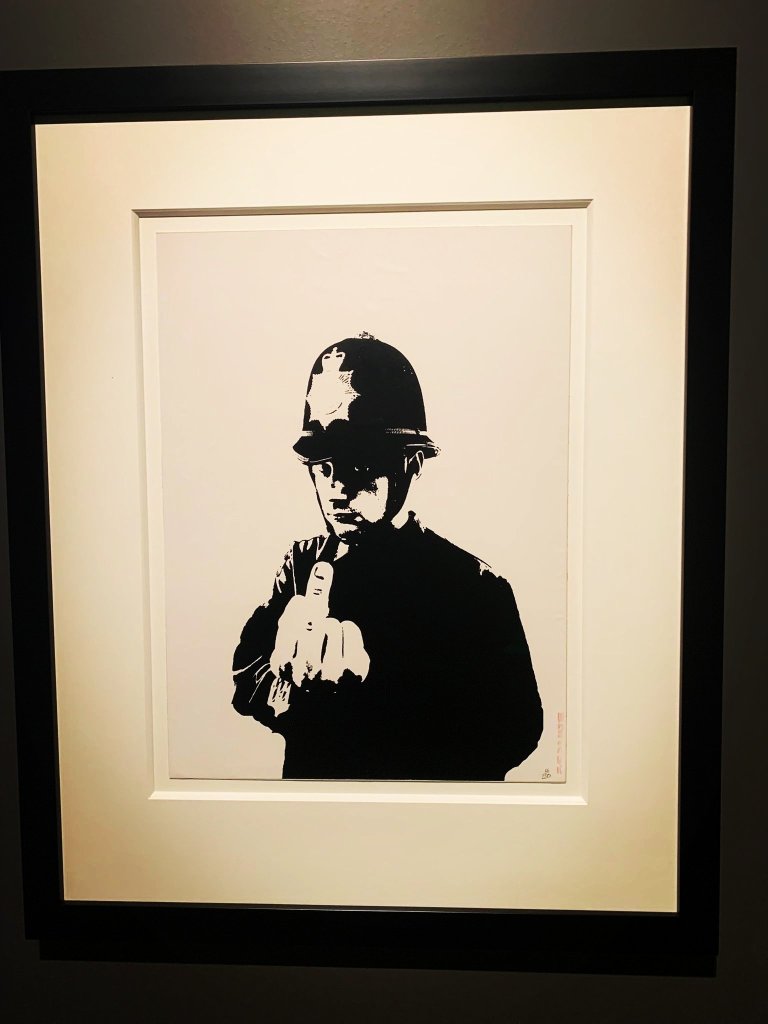
This was my favourite part of the trip, it’s exhibits included works by contemporary artists like Banksy, Andy Wharhol, and Damien Hirst.
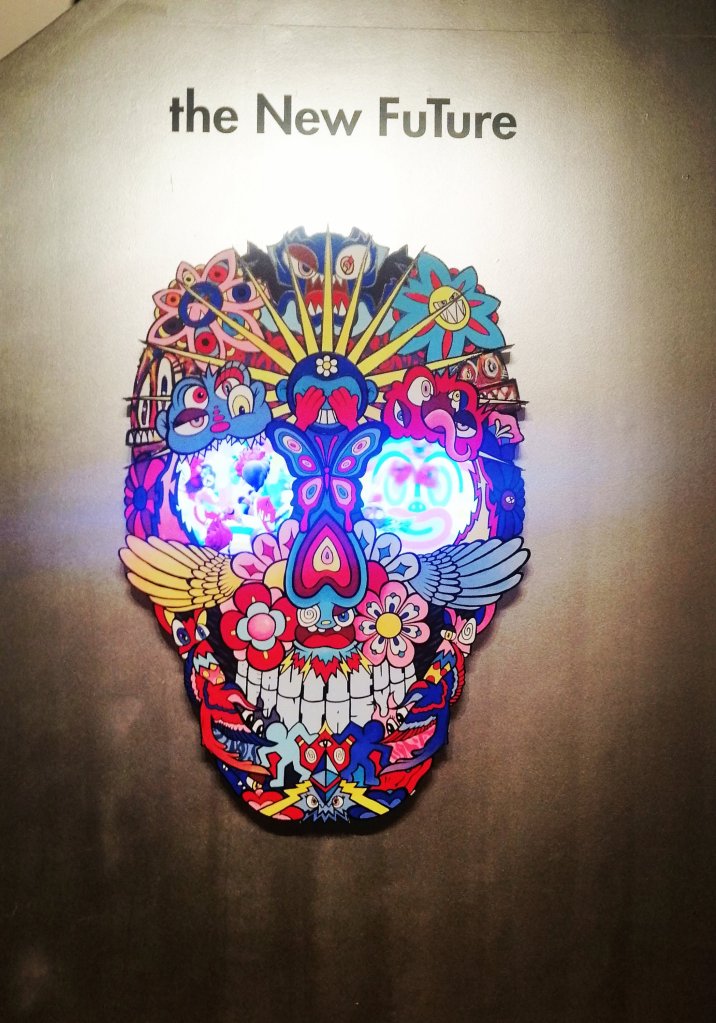
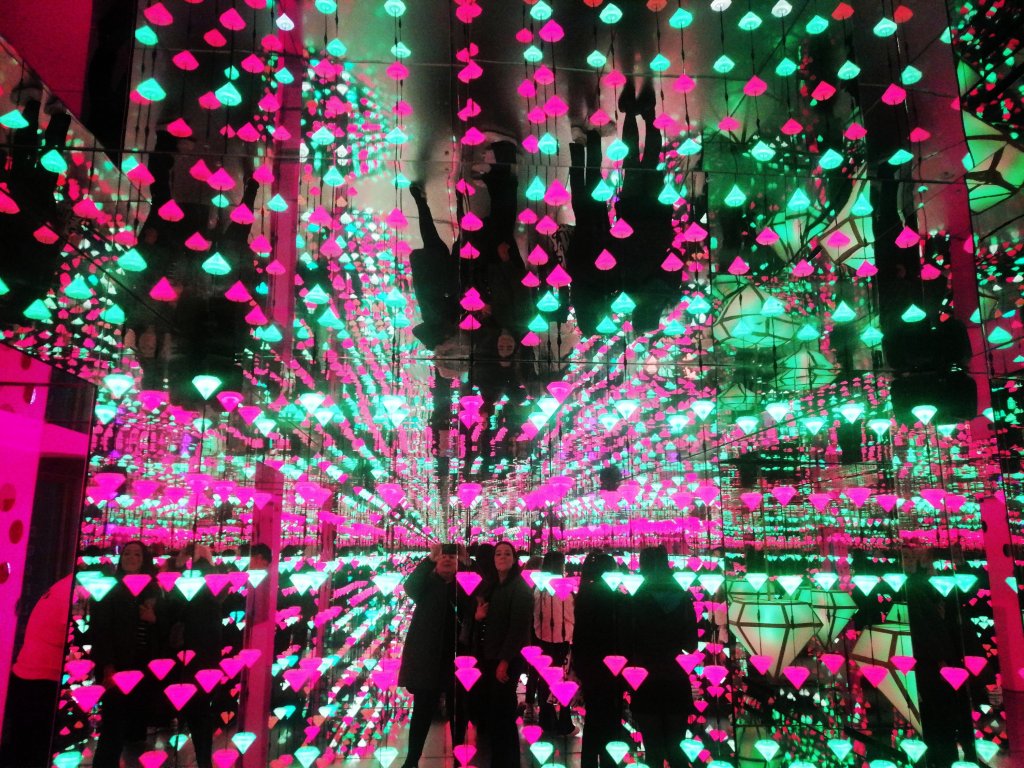
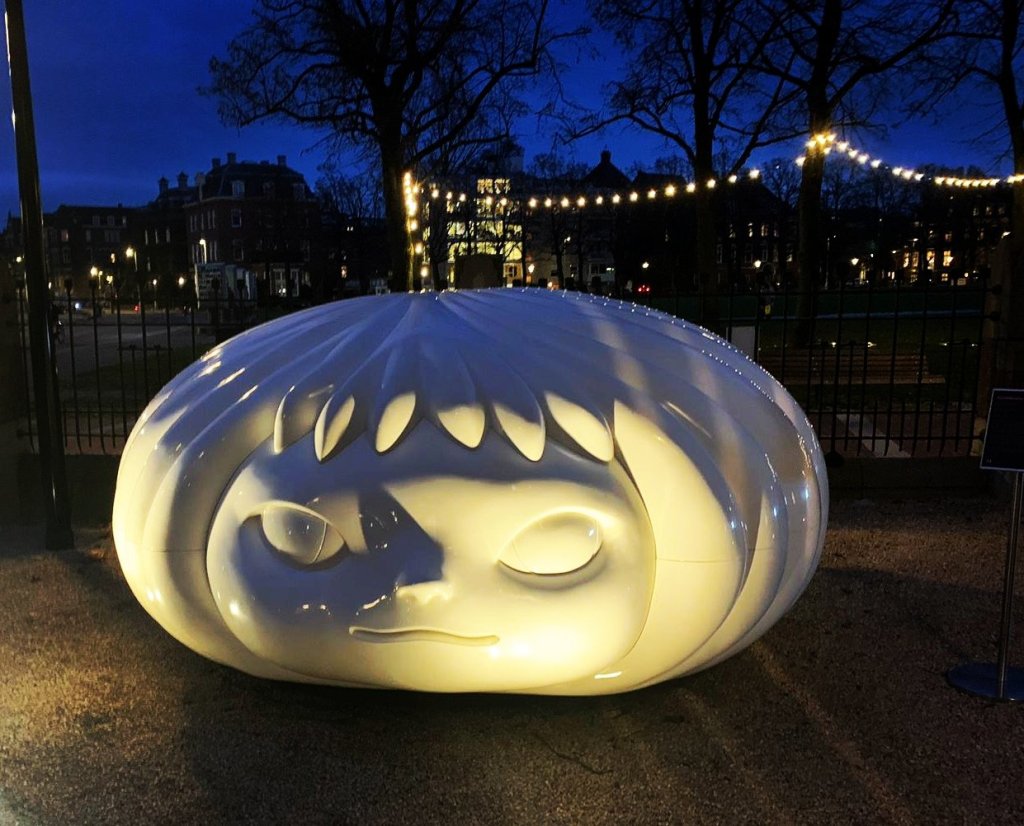
Other exhibits included mind bending digital light installations, and a sculpture garden. MOCO’s exhibitions are quirky, lighted hearted, easy to navigate and well worth a visit. The entrance fee is €22.50 and has a pretty cool gift shop.
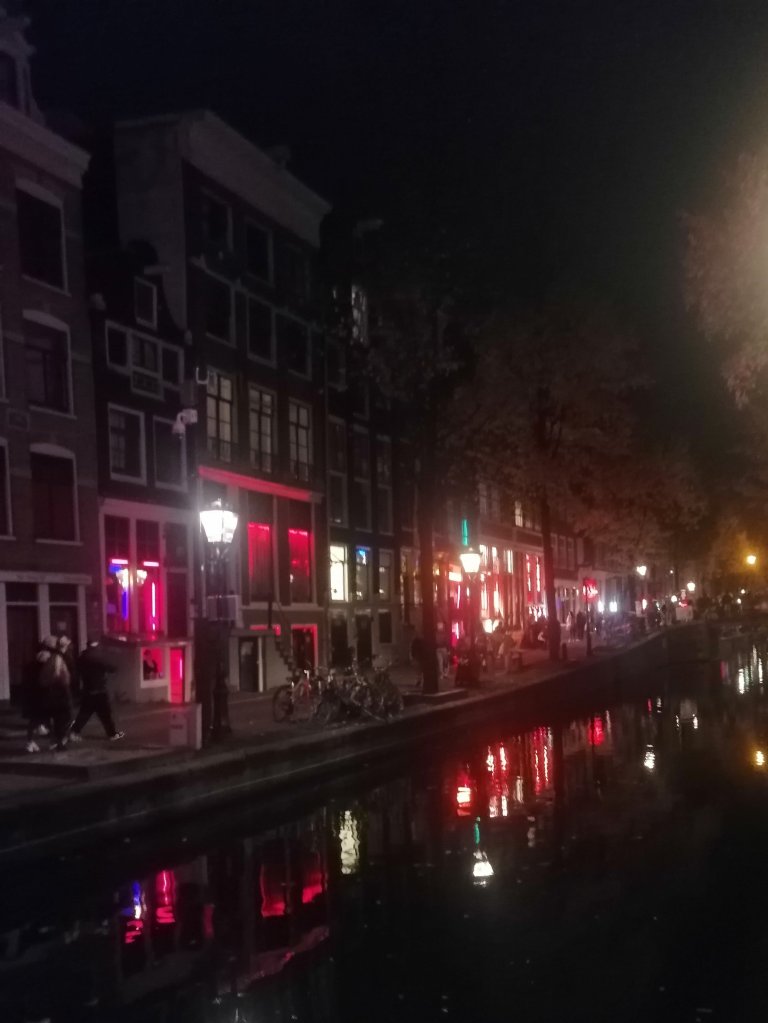
If you’ve had your fill of culture and want to see an “earthier” side of the city, you can visit the De Wallen district. This is home to the city’s legal red light district, with sex workers posing in windows facing out onto the street to entice customers. It’s a busy area and didn’t feel unsafe when I visited, but it’s also popular with stag parties and things can get a bit leery late at night.
You’ll also find any number of legal “Brown cafes” or coffees shops selling an eye watering variety of hashish, edibles and cannibas products. You’ll probably leave the place with a contact high as the smell of weed is everywhere for a couple of streets (quick traveller tip, don’t use the taxi rank in De Wallen, we were quoted €45 for a short trip that ended up costing €14 with an Uber).
A short walk brings you onto Dam Square where can sit outside in cool cafes and people watch, before window shopping in the high end designer shops.
If you walk a short distance towards the central train station you’ll find lots of companies offering canal cruises starting from €16. You can also take cruises that include drinks and dinner if you want something fancier.
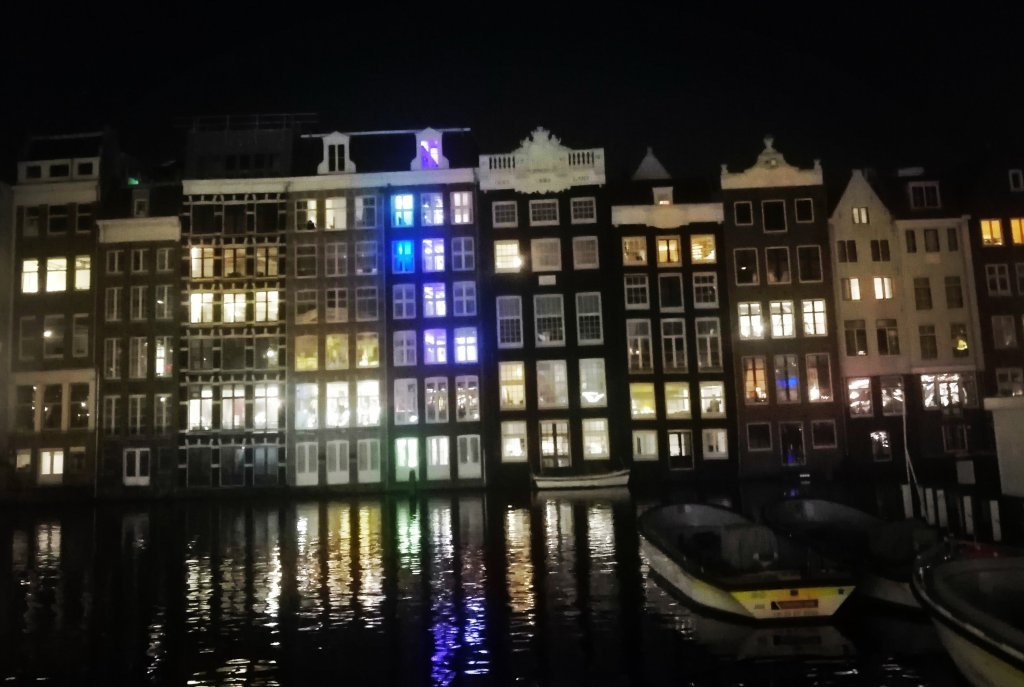
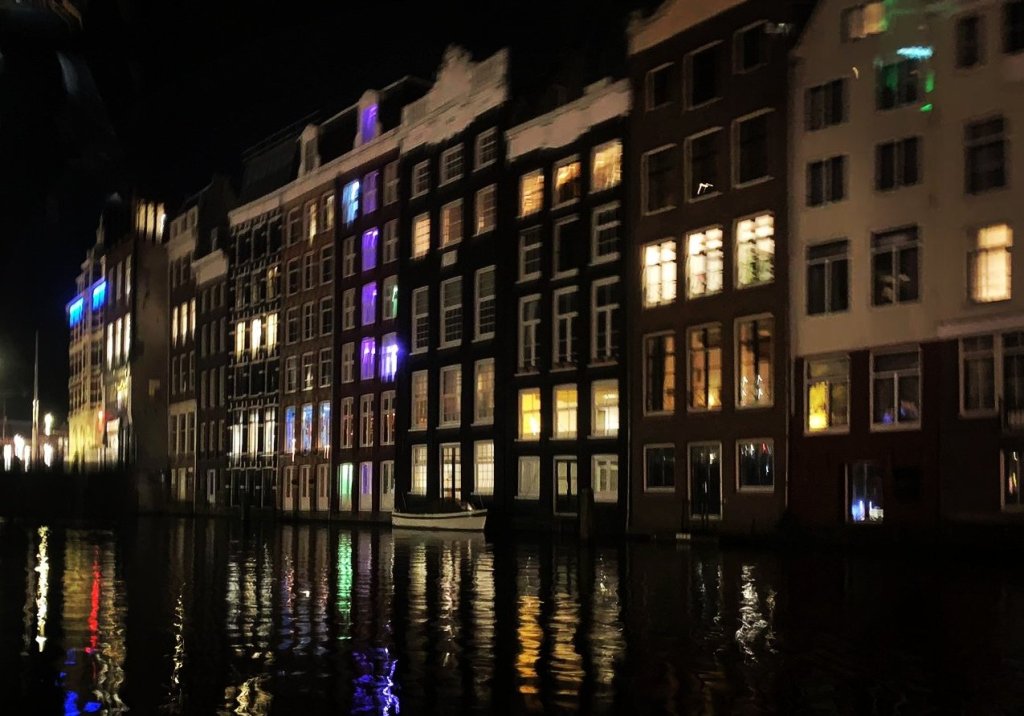
We took an evening cruise which was a fantastic way to see the city’s unique architecture with the elegant 17th and 18th century buildings beautifully flood lit at night. You’ll learn more about the massive wealth that was accumulated by Holland’s merchant class that turned a small village into a cultural and financial hub. You’ll notice homes in Amsterdam don’t tend to close their curtains at night. This is meant to hark back to a Reformation tradition that you left curtains undrawn to show you had nothing to hide, (it’s also great to be able to get a looky loo inside some of the houses)
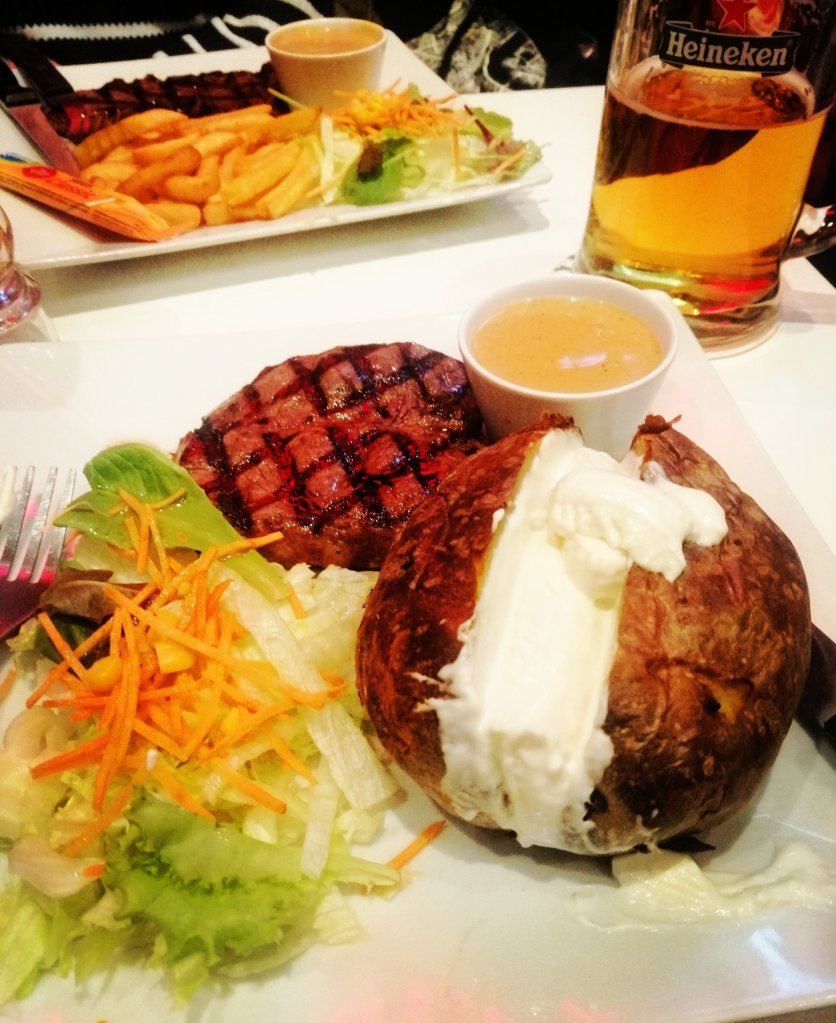
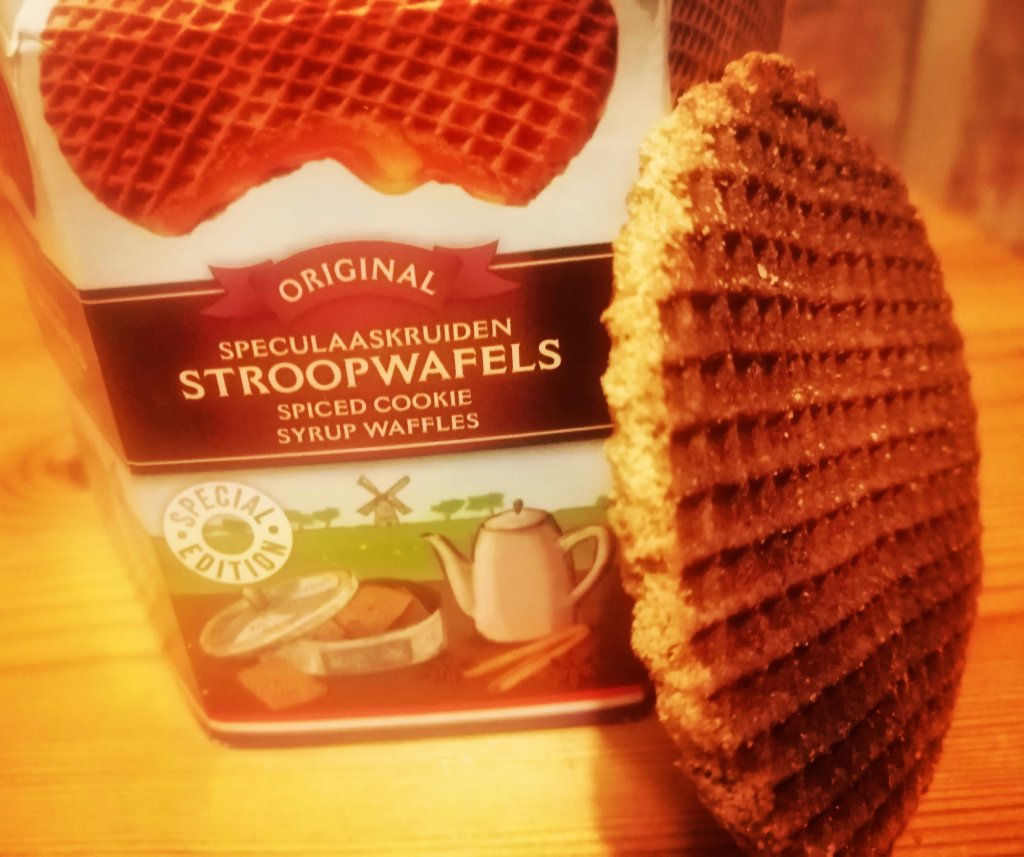
The locals are friendly and customer service is great, and excellent English is spoken virtually everywhere. It’s easy to find great places to eat. Prices for food and drink vary depending on how close you are to tourist attractions (like most cities). If you are visiting don’t forget to try the local specialities like chips with mayonnaise (you’ll burn those calories off when you’re walking/cycling around the city). Don’t forget to stock up on some stroopwafels for coming home.
Bali has something for everyone and Ubud is a great example of this.
About 1 hour, 15 minutes from the airport, the main town is always busy with legions of mopeds. It’s not unusual to see a family of 5 on a single moped. If you’re visiting Bali, renting a moped is a popular way to get around. The law is currently changing to require foreigners to have a motor bike licence before renting a moped (largely due to tourists renting them without any experience of driving and getting in accidents).
Ubud has a beautifully carved historic palace, where you can buy tickets in the evening to see entertainment from Balinese folklore and amazingly graceful dancers. Parts of the entertainment can be a bit surreal with fantastical creatures and costumes, but well worth experiencing. In the hub of the town there is also a large market and the surrounding streets sell all manner of clothes, shoes, jewellery, handicrafts and assorted tourist tat. Locals also offers taxi rides on every street. Haggling at the stalls and for taxis is expected, but as always give a fair price, as the Covid lock down hit the Balinese extremely hard.
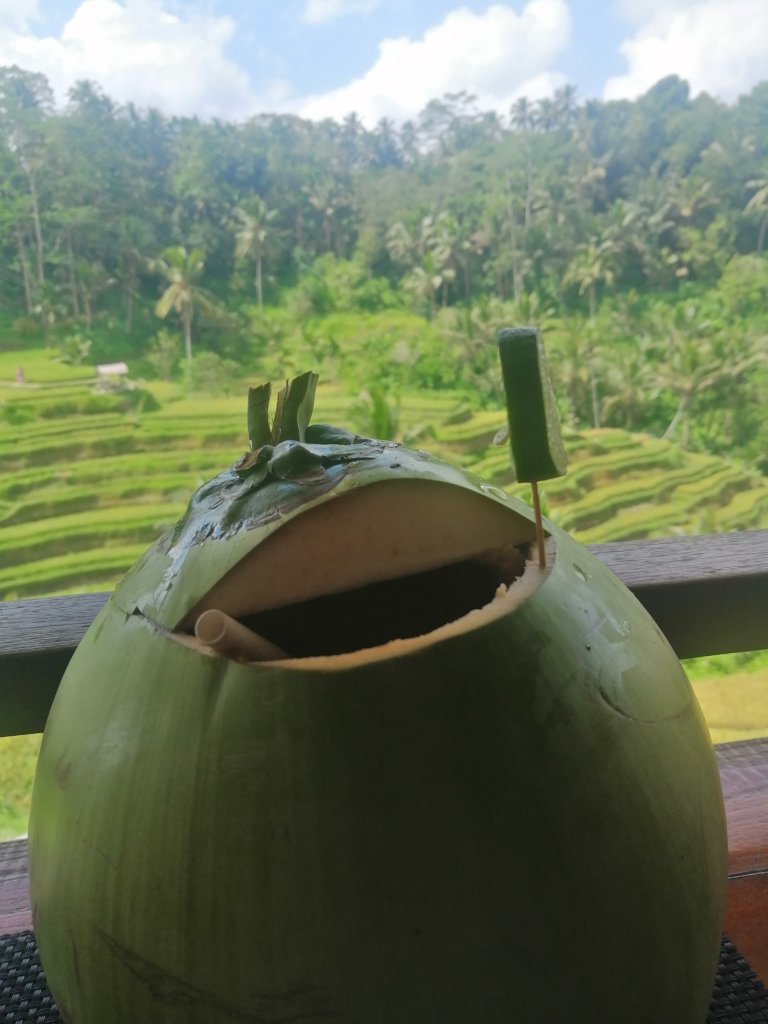
The town is a good base to visit sites like the Tegallalang rice terraces (about a 20-30 minutes taxi ride away). If you’re an Instagram fan there are numerous back drops specially designed for the Gram. For thrill seekers you can use specially designed swings or zip lines to traverse the deep tropical ravine. There are also plenty of cute cafes/warungs where can enjoy lunch or a few drinks and take in the exceptional views. If you plan to visit Ubud, I need to recommend Wayan Sutika, who is an exceptional driver/tour guide, as well as being super nice and fluent in English. He and his family also have their own beautiful home stay (B & B accommodation) on the the outskirts of town. Wayan has acted as a guide/driver for us each time we visited Bali and has always shown us new and fascinating places and is extremely knowledgeable about the history of the fabulous places he’ll show you.
Ubud attracts visitors from all over the world. Visitors range from backpackers and old hippies, through to those who enjoy the high end ultra luxury resorts on the outskirts of the town. With such a diverse range of people you will find any type of food/drink you can think of. Many visitors are interested in health and fitness, and there are fantastic spots all around Ubud if you want to join yoga or mediation classes. There are also plenty of vegetarian/vegan/raw food restaurants and cafes if you enjoy clean eating.
If you feel like kicking back for an afternoon or encounter a rainy day the Pondock Library is well worth a visit. It’s a not for profit organisation that has a library and also runs classes were local artisans can teach you local crafts or skills. Classes include Balinese cookery, woodcarving, dance, music, and painting. You can join a group class or arrange for private class, and costs are very reasonable.
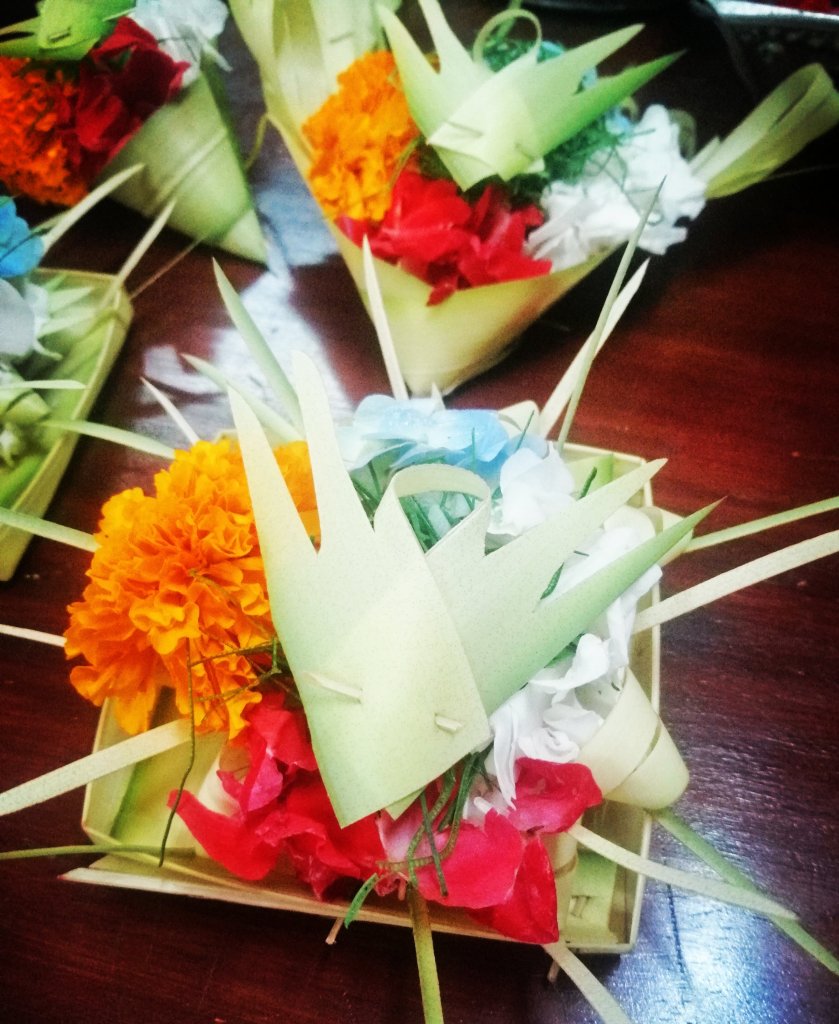
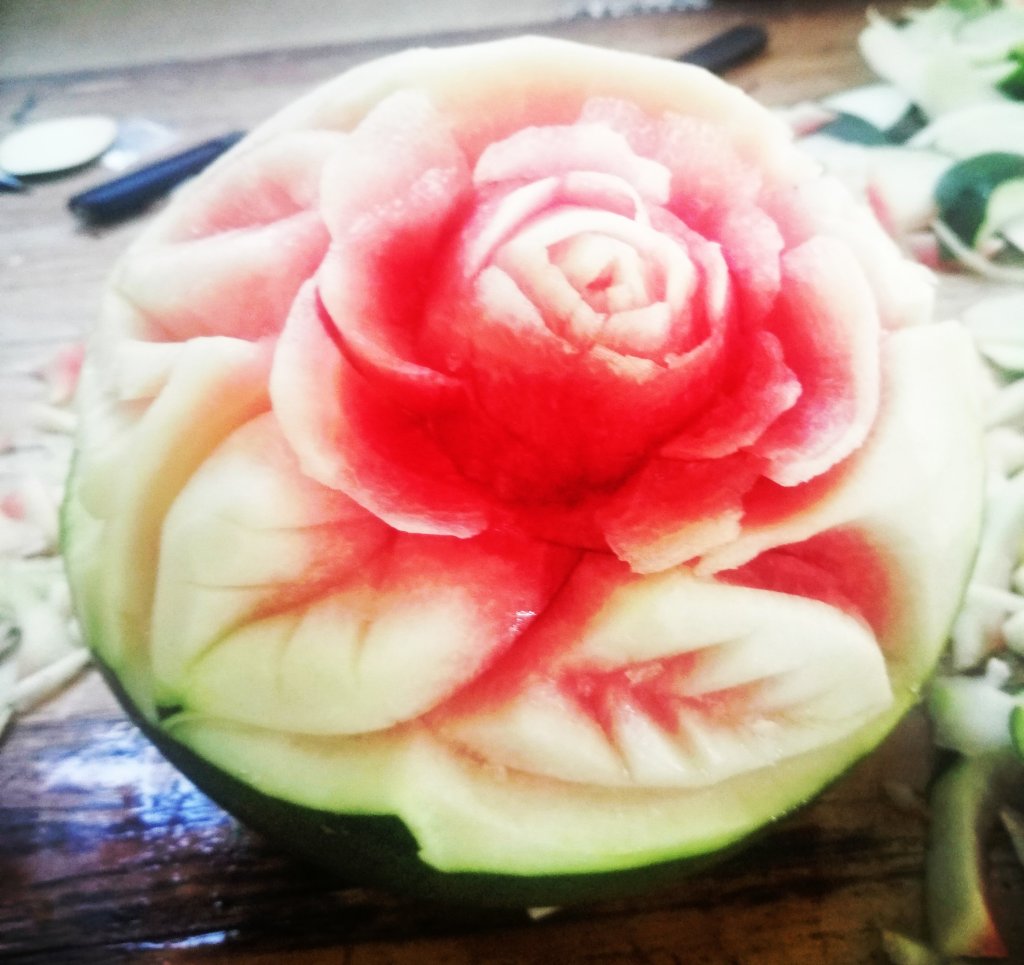
I had a couple afternoons when I just wanted to relax and learned how to make traditional offerings you’ll see everywhere you go, and another class to learn fruit carving (I was beyond of proud myself and will never leave a melon uncarved again).
I’d definitely recommend trying local Indonesian food. One of the best restaurants I’ve visited is Cafe Wayan which is very atmospheric and you can choose to sit at traditional low tables or at western tables and chairs. The place also has the prettiest bathrooms you’ll ever see and are always adorned with fresh flowers.
The other thing you’ll find around Ubud are beauty salons or spas, offering all sorts of treatments, with massages being the most popular. Prices in salons are usually set, so I would advise against haggling. One of the best I have ever visited is Karsa Spa. It’s about a 10 minute taxi ride from the centre of town, or if you’re feeling athletic you can go on a 40 minute trek along the Campuhan Ridge to it (It’s uphill, but not too challenging, I would advise against doing it at midday like I did).
Karsa Spa offers different packages and I would recommend getting one that includes their flower baths if you want to indulge yourself. The spa is set in beautiful gardens and you can’t help but feel bougee having your nails done sitting in a garden looking out on rice terraces.
While the town has expanded and got busier from when I last visited 4 years ago, there are still plenty of beautiful walks 5 minutes from the town centre. You can also visit the monkey forest, about a 5-10 minute from the town centre (Personally I find monkeys terrifying, but if you like them you can go visit and quite possibly have your sunglasses stolen by the cheeky little sh1ts). My one word of caution is that the Balinese have a bit of a laissez-faire attitude to health and safety. Footpaths around the town centre are often uneven so watch your step. Zebra crossings also seem to be more a suggestion than the actual law so be careful crossing busy streets.
Bali is my happy place, and I was lucky enough to visit a new area in the eastern part of the island called Sideman (syd-a-min).
We arrived at night, not knowing much about the area, apart from it was still pretty rural. We stayed in the gorgeous Bebek Biru, which is a home stay (a Balinese bed and breakfast) which had two terraces to sit and enjoy the breathtaking views. Sideman village is still very traditional with a daily food market.
About 5-10 minutes walk outside the village, the area caters more to tourists and is dotted with home stays and warungs (traditional Balinese cafe/restaurant). When travelling to Bali you can only exchange money into the local currency once you are inside the country. Sideman didn’t seem to have any currency exchange shops, so remember to exchange cash before arrival, as most small local businesses still only operate with cash.
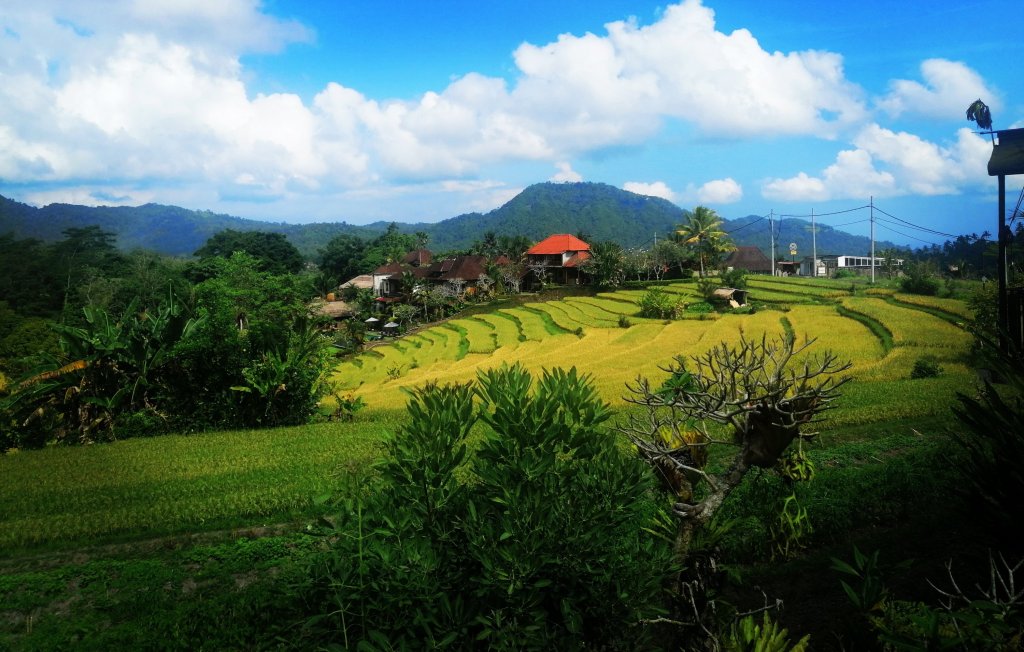
My first morning I was woken to a sensory overload of local nature. Cicadas were thrumming, water buffalo mooing, bullfrogs croaking, roosters crowing and geckos chirping, as well as the ever present drone of small vespa mopeds that both locals and tourists use to get around. Everywhere you go you’ll be treated to amazing views over the lush mountain forests and expertly manicured rice terraces.
The views from all over Sidemen are spectaclular. Bali is especially reliant on the tourist trade and the Covid lock down hit small local businesses especially hard. Many businesses have numerous side hustles, as making a living is so tough. While you may be in a home stay they can also arrange escorted tours, beauty treatments, cooking classes, moped hire etc. The locals are incredibly hard working and industrious.
I’ve always been impressed by the sweetness and generosity of spirit the Balinese have. Their warmth and kindness, after the cynicism and self centeredness of the west is disarming. This was very much the case when I visited Bukit Artha Warung. Komeng, the owner was funny and totally adorable and took great pride in making sure his guests enjoyed their food and even insisted we take an umbrella on an evening when it rained. Warung Deva also became a favourite.
Sideman is still very rural, so if you’re looking for bustling nightlife it maybe isn’t for you. However, you can still find plenty to do. The local warungs offer excellent Indonesian food and also western dishes, and can provide traditional Balinese cooking classes. If you feel like treating yourself there are any number of local beauty shops where you can enjoy all manner of beauty treatments at extremely reasonable prices. A 1 hour traditional massage costs between £6-9, if you haven’t had one of these before then you are definitely in for a treat.
If you enjoy a more active holiday, locals can arrange guided treks of the rice terraces and local mountains, white water rafting and visits to local places of interest such as beautifully decorated temples and waterfalls. Tukad Cepung waterfall is especially lovely, but it’s quite a physical climb up and down some very steep stairs, so bare this in mind if you have dodgy knees etc, when you get there its worth it, but go early to avoid the Instagrammers, posing for ages. In the last couple of years there have been issues with Instagrammers trying to do things like pose naked, or refusing to wear sarongs when visiting sacred sites. While I struggle to understand this sort of moronic behaviour, it’s important to be respectful of local culture and behave accordingly.
It’s possible to hire a guide and driver for a very fair price. We got to see stunning temples like Pura Kehen, carved with stunningly beautiful craftsmanship. A little bit of haggling might be acceptable, but please remember that the locals had nearly 3 years without any income at all, surviving only on what they could grow in the fields. So be a good guest and pay fairly for the excellent service you’ll invariably receive.
Sideman feels a bit like stepping back into a simpler time. Locals still thresh rice manually in the fields. If you live in the West and have ever complained about how hard you work, trust me, you haven’t seen hard work until you have seen rice farmers toiling in the heat. It was also refreshing to see a group of boys probably about 10 – 13 laughing and joking, out flying kites (which the Balinese love) and huddled together under a tree to try get some shade. If they were in the West, they would mostly likely be inside on a Xbox or some other screen.
If you get a chance to visit Bali and want a break from the hustle and bustle of some of the busier resorts, you’ll love Sidemen. It may be one of the most beautiful places I’ve ever visited.
London is one of my favourite cities in the world. It has everything, history, architecture, fashion, and entertainment.
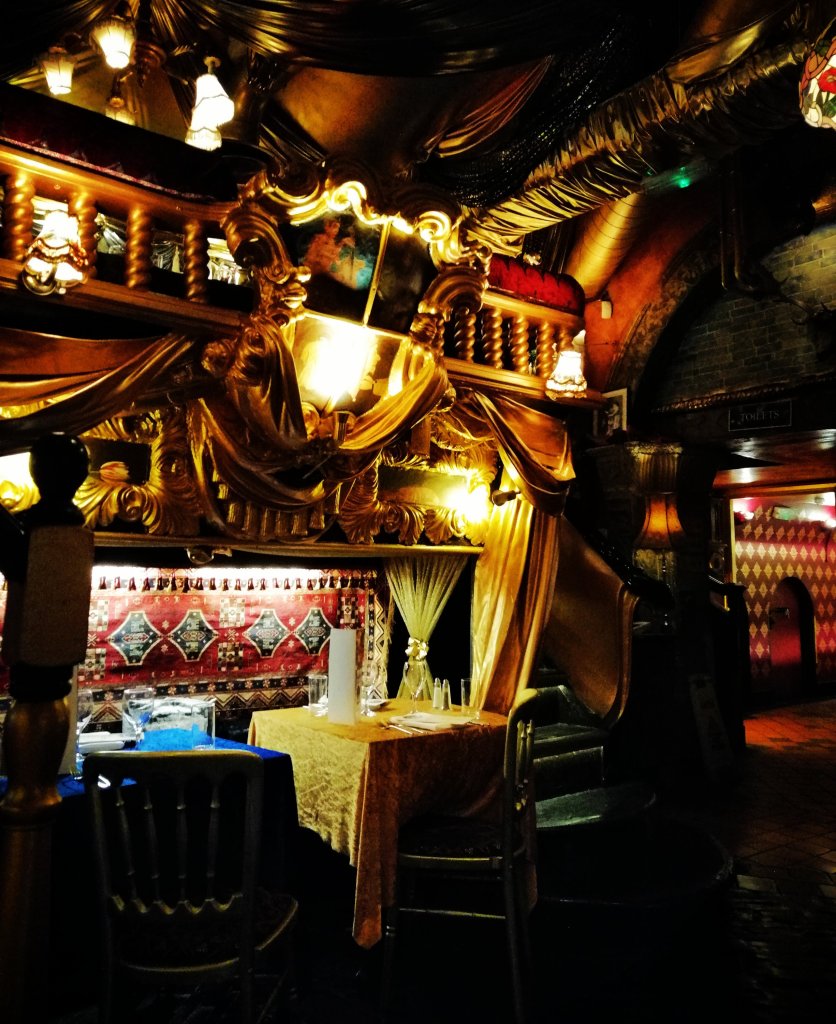
I visited recently with a friend who has a love of all things dramatic. With this in mind we visited Sarasto in Drury Lane. The restaurant was decorated by a set designer and its super theatrical from the moment you walk in the door, with kitsch swathes of gold and velvet and booths designed like opera boxes. They also have opera singers and musicians at weekends and being in the theatre District they refer to themselves as “the show after the show”.
I have loved the musical Cabaret since I first watched it, so we treated ourselves to tickets for current run. I don’t have photos, as all photos and vidography is banned in the theatre. If you are lucky enough to attend the show you’ll understand why. From the moment you walk through the door you’re transported to louche decadent 1930s Berlin. The show is performed in the round and you can actually sit at the side of the stage like it’s a nightclub (these were the expensive seats, we were up in the nosebleeds). Regardless of where you sit, it will blow your socks off. I think it’s the best live production I’ve ever seen. If you find yourself in London, give yourself a treat and go see Cabaret.
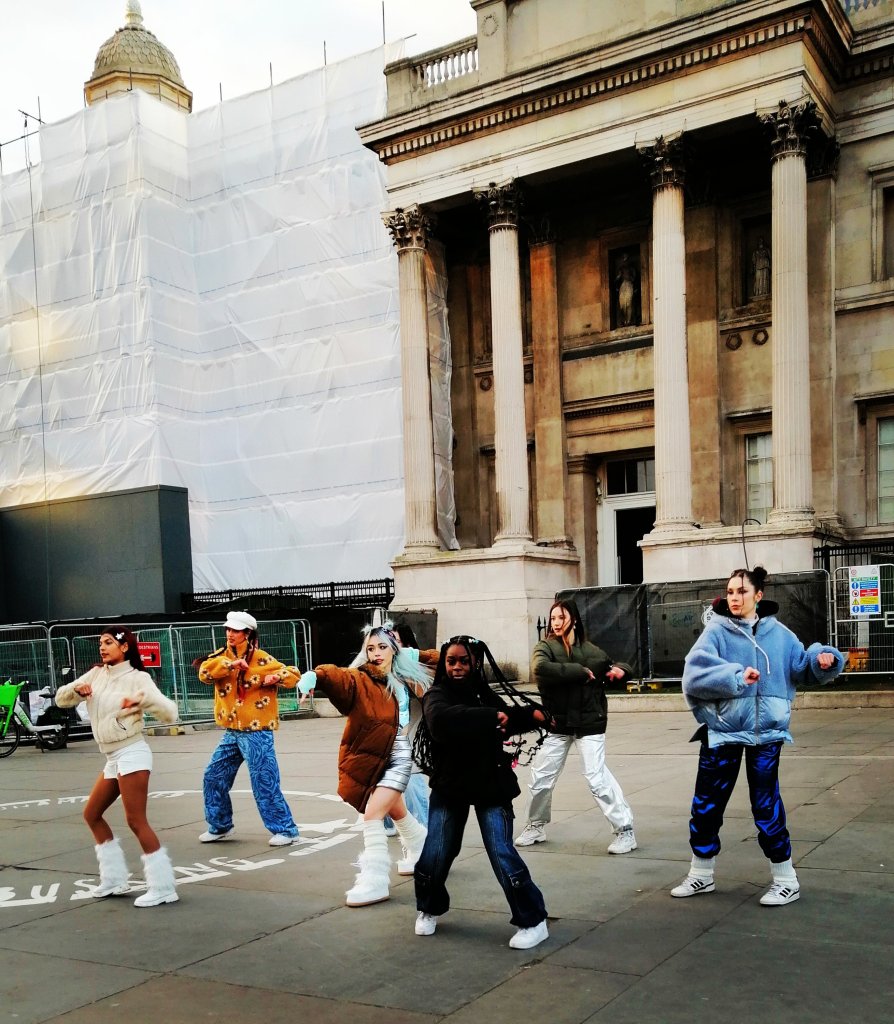
The other great thing thing about London is just soaking up the atmosphere. You can stumble across a girl group filming a music video or wander into China Town for lunch.
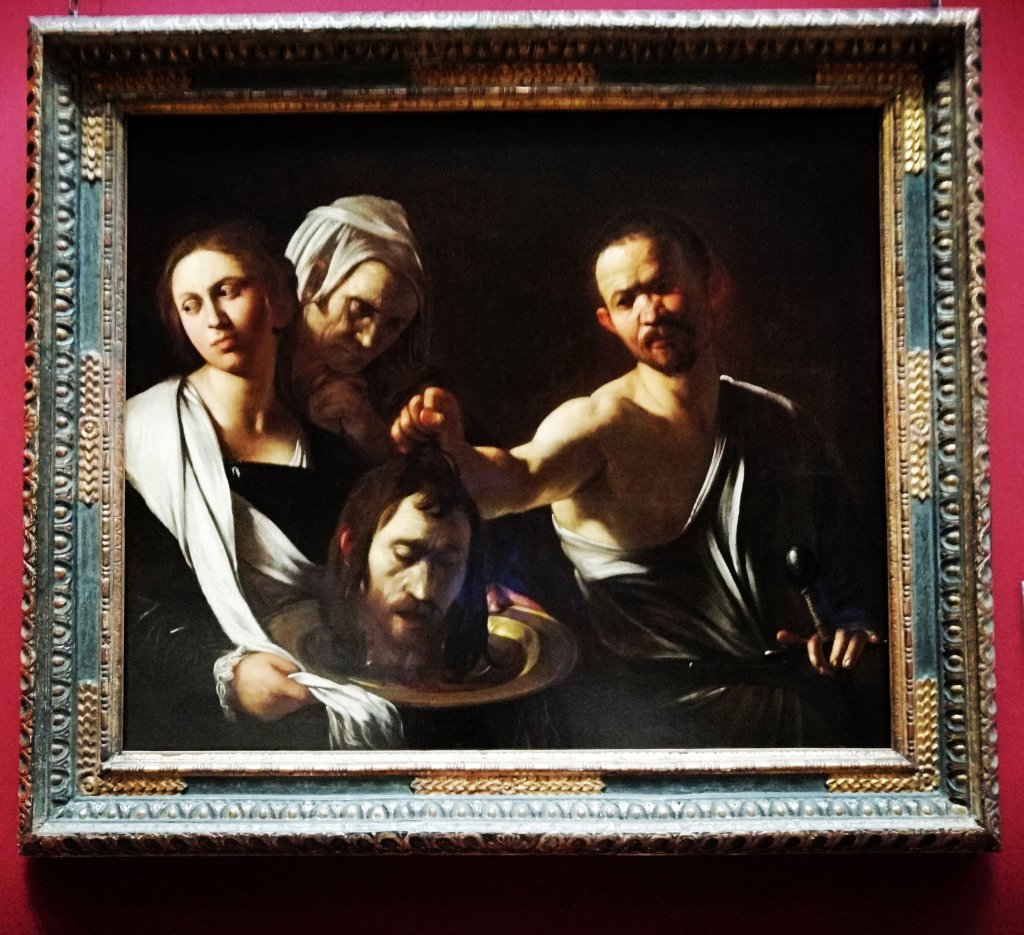
While London isn’t the cheapest city you’ll ever visit there is plenty of free stuff to do. We spent a very pleasant morning in the National Gallery. You can see everything from beautiful delicate paintings by impressionists like Monet and Manet, through to the dark violence of Caravagio. A week in the place wouldn’t be long enough to see the amazing range of works on display.
London never gets old, and like the saying “if you’re tired of London you’re tired of life”
Low cost airlines sometimes have flights to destinations you maybe hadn’t considered before. Always up to try something new, I arrived in Riga, the capital city of Latvia and stayed in a very affordable AirB&B in the city centre. English is widely spoken and it only cost 12 euro to get from the airport using a Bolt (car ride service)
Split between and old and new city, we stayed the beautiful and compact old town.
Riga was settled 800 years ago and has been ruled by the Germans, Poles, Scandinavians and Russians during this time. I would recommend booking on to one of the walking tours, which will help get your bearings and a chance to learn more about the city and it’s inhabitants.
The city became rich as a Balkan trading hub and buildings like the Black Head House was built by the wealthy merchant guilds (so called because their patron saint was the dark skinned Egyptian Saint Maurice).
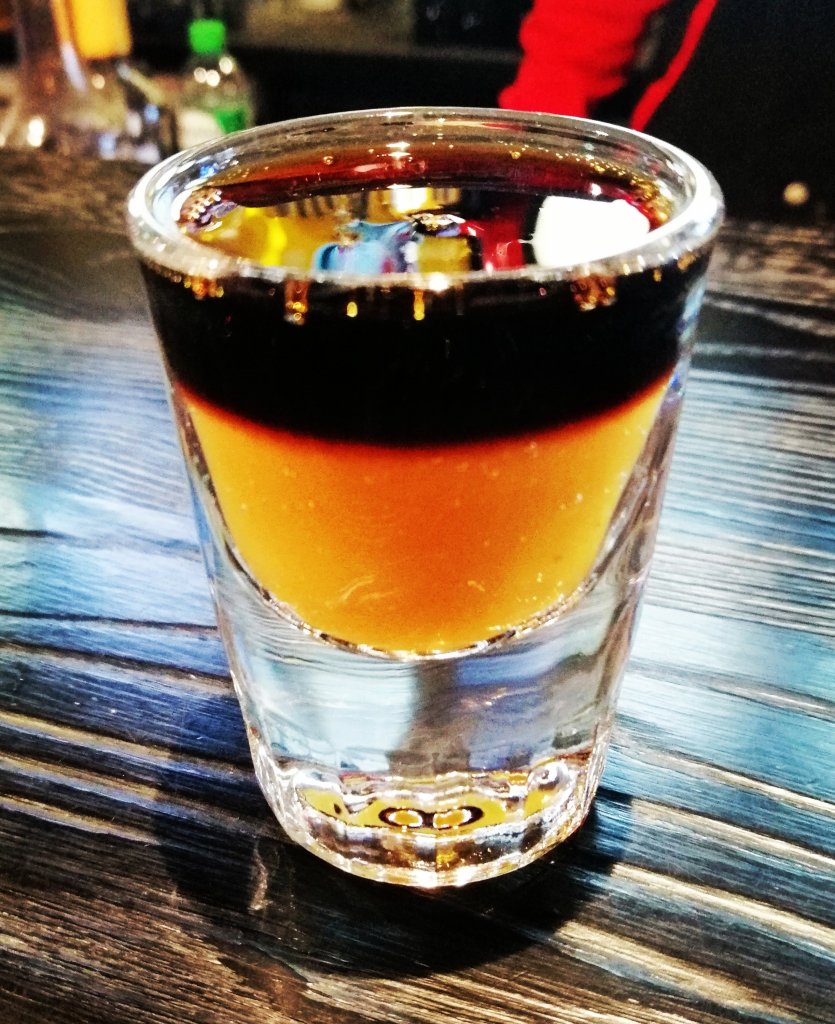
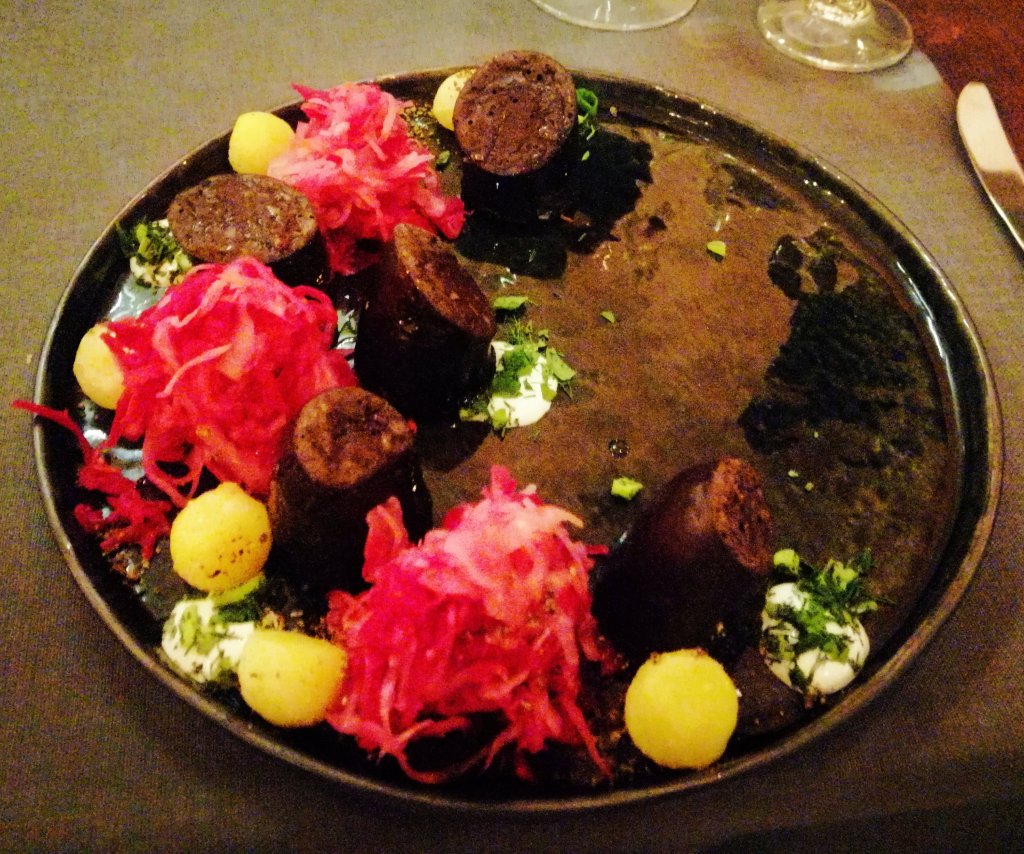
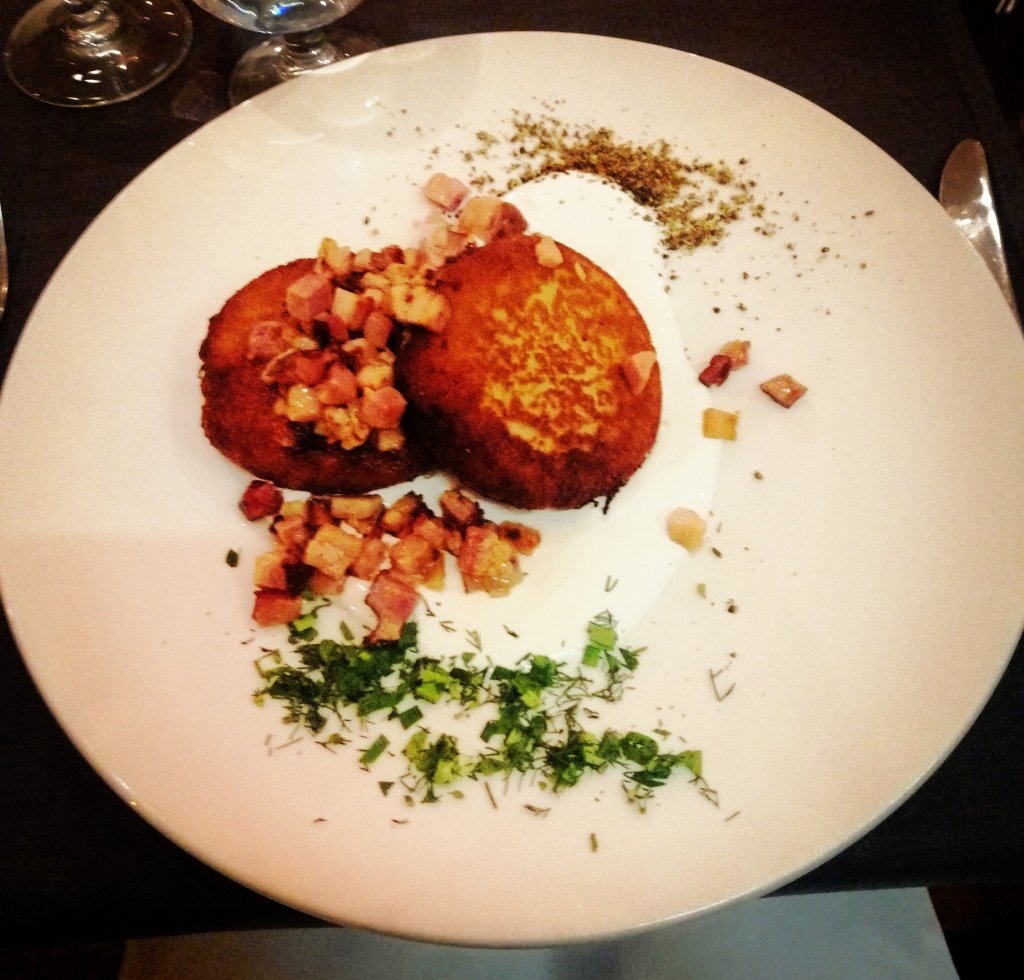
Local food, like a lot Eastern European countries is big on dark dense breads, potatoes and pork (vegetarian offerings are available but you might need to look around). The local pototo pancakes, served with creamy mushroom sauce was the perfect meal after being out in the cold sightseeing. (word of advice, the old town is mainly paved with sometimes uneven cobblestones, so be sure to wear flat thick soled shoes). The local drink you’ll find everywhere is called black balsam and was originally brewed as a medicine. It tastes like a cross between cough syrup and Jeager Meister and is 45% proof, and drank either in shots or cocktails and will blow your socks off.
For foodies Riga has a really excellent food market, selling local smoked fish, caviar, cheese, vegetables, sweets, pastries, bread and honey. It’s housed in old zeplin hangars close the river and you can also find places inside to have lunch
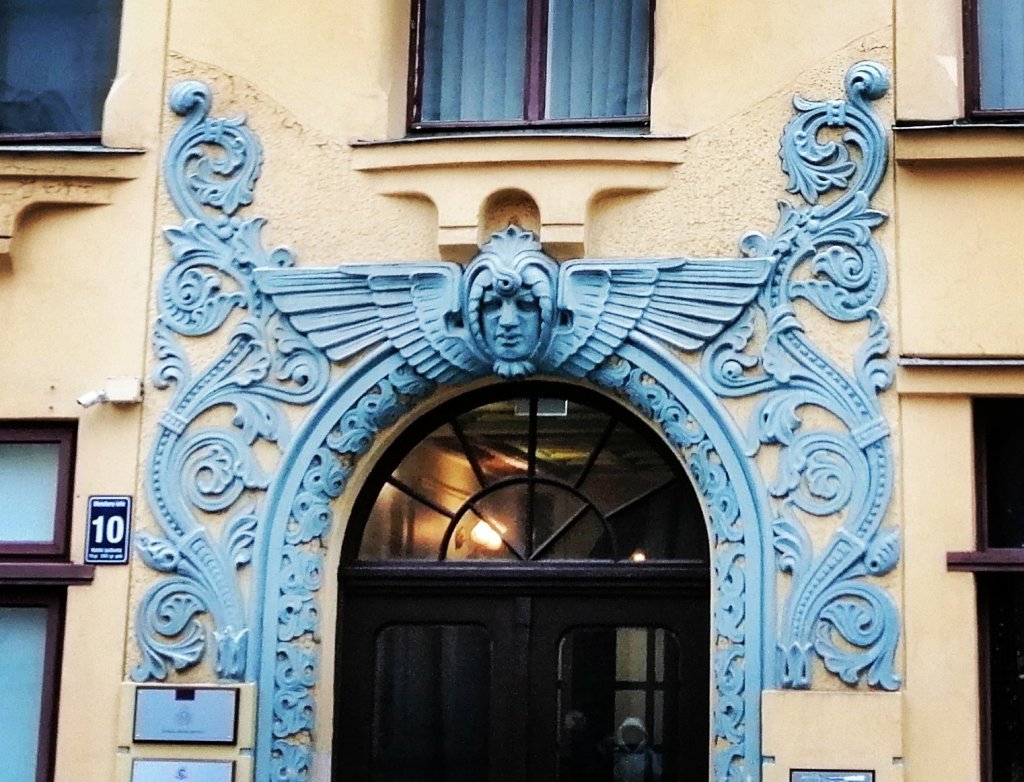
As you head to the edges of the old town you’ll some amazing Art Nouveau buildings (if you’re an architecture nerd, Riga is the place for you).
I knew very little about Riga and during conversations with some locals and visiting Lithuanians it was interesting to learn about their concerns over the current war in Ukraine. I had no idea of how badly both countries had been treated during the Stalin era. 45,000 Latvians, mainly the intelligencia and professionals were sent to Siberian gulags after the second war and the survivors were only allowed to return after Stalin’s death. Those who were able to return were kept under surveillance and forced to live 100km from main cities, meaning they could not practice their professions or gain an education.
National Library
Stalin also moved 600,000 Russians into Latvia, completely changing the demographic of the country. Currently Riga is made up of 60% people of Russian descent and 40% Latvian (in the rest of the country it’s 60% Latvian and 40% Russian). In Riga both communities live separately, living in different areas, attending separate schools etc. I got the sense that there is under lying tension between the communities.
Both the Latvians and Lithuanians spoke about how they are sending support to Ukraine and how they’re stock piling food, fuel etc, or have escape plans in place if Ukraine is completely over run by Russian forces. It was sobering to consider the knock on effect the Ukrainian conflict was having on its neighbours, and is one of the reasons why it’s important to travel and learn a bit more about the world and what’s happening in it. . Despite this I would encourage anyone to visit the city, it’s a beautiful place with great people.
Kyoto was the historic capital of Japan, and is pacted full of history but is also incredibly modern. This is where Super Mario was developed!
There are lots of fab places to see a short train ride from the city but the city itself has plenty to keep you occupied, largely because it escaped bombing during WW2
.
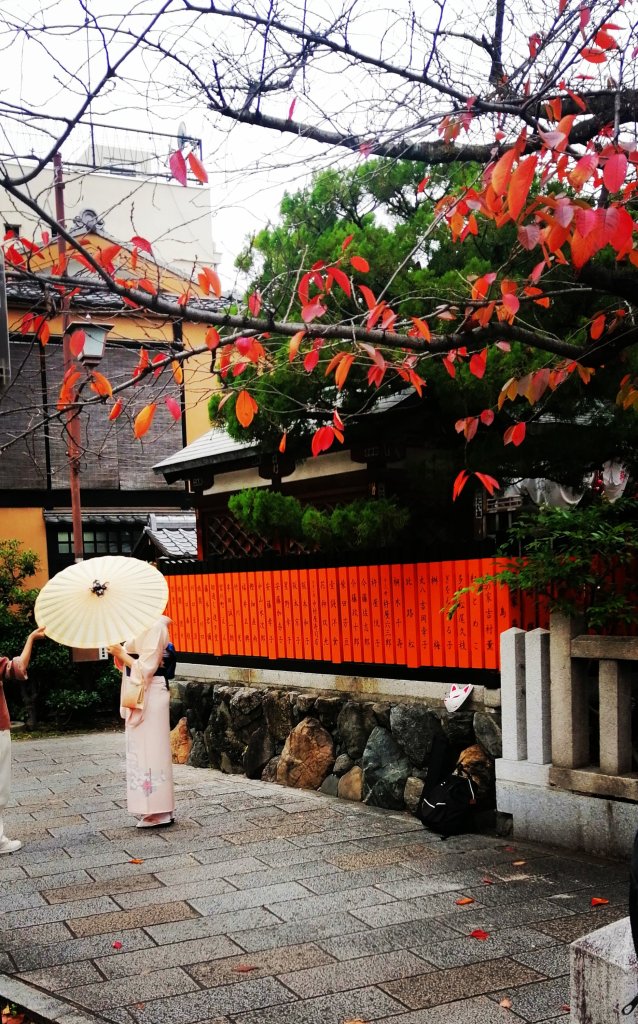
Kyoto is the home of the Geisha culture. The Gion District with its super discreet and exclusive wooden tea houses are still their stomping ground. There were about 250 Geisha entertaining patrons before Covid. No one is quite sure how many of the Geisha and Maiko (apprentice Geisha) will return.
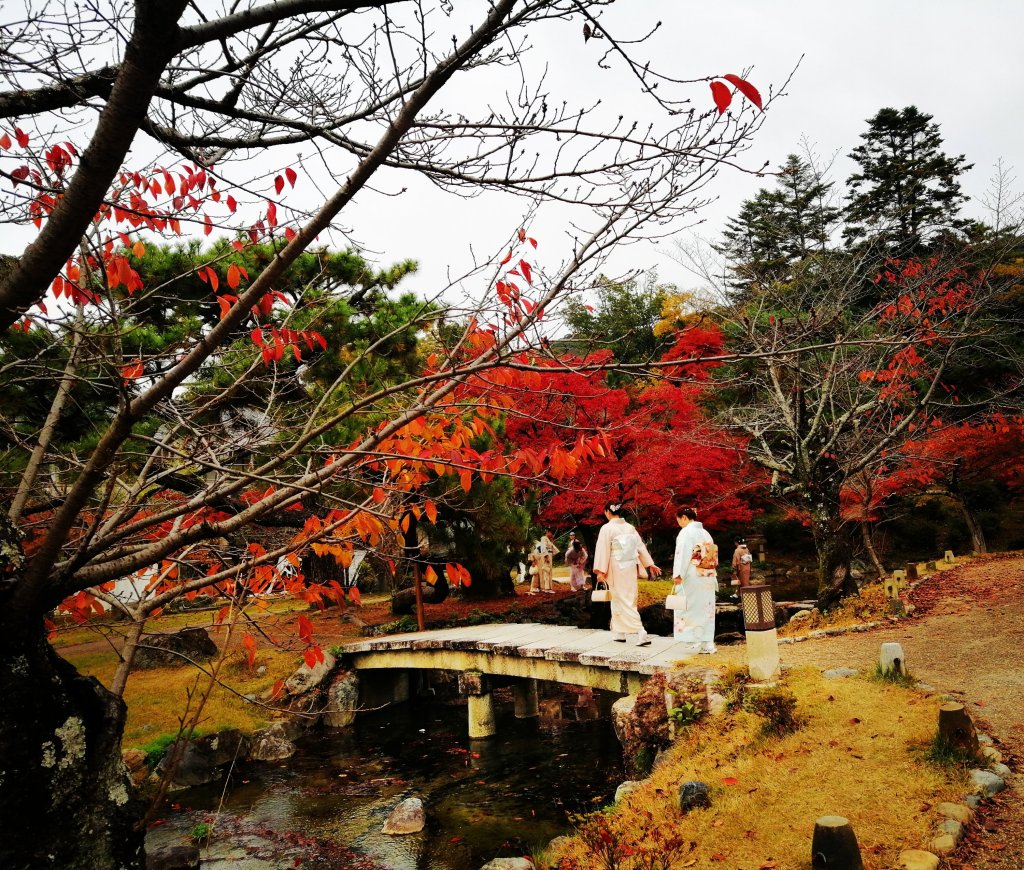
You might be lucky to spot one if you are around the Gion, (I wasn’t) They are literally works of art, with their kimonos alone costing up to £10,000. I’d definitely recommend watching Memoirs of a Geisha to get an idea of the place. It’s really common to see young couples in traditional dress (you can rent kimonos) while site seeing and being given tours in rickshaws.
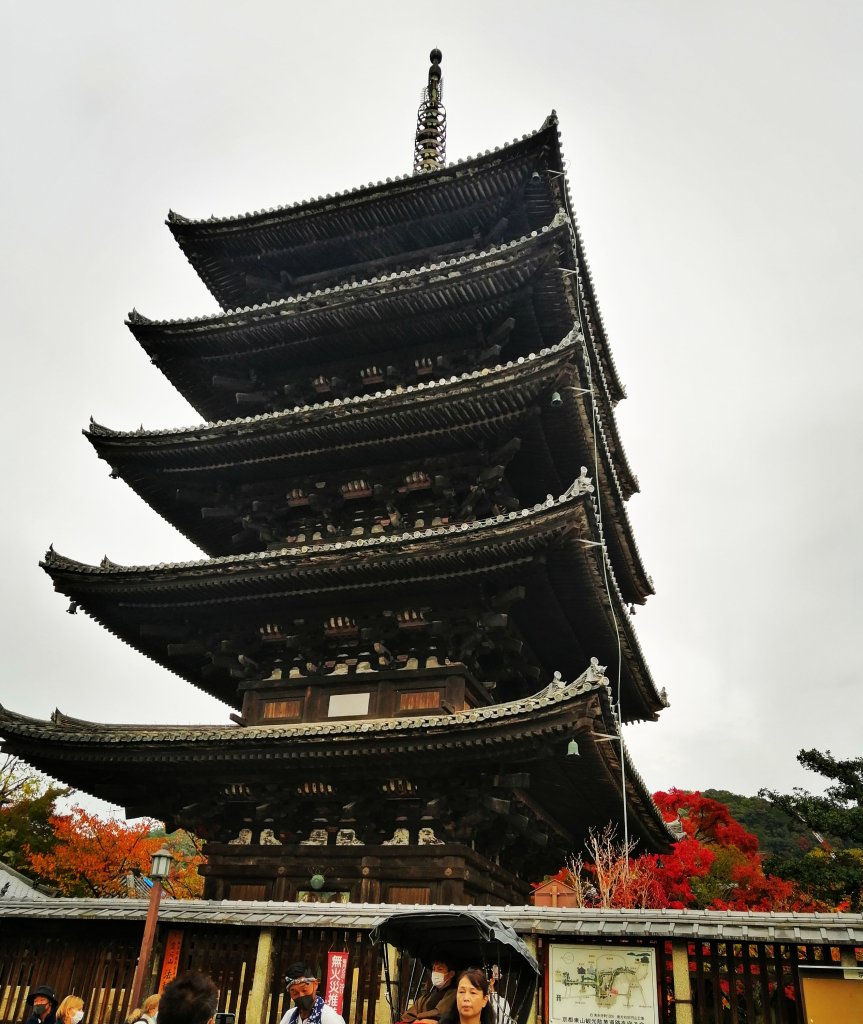
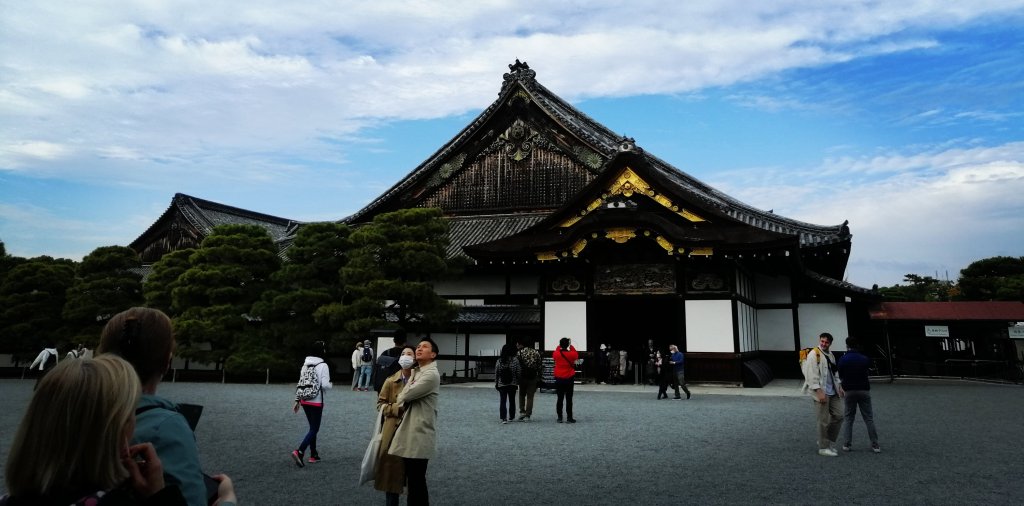
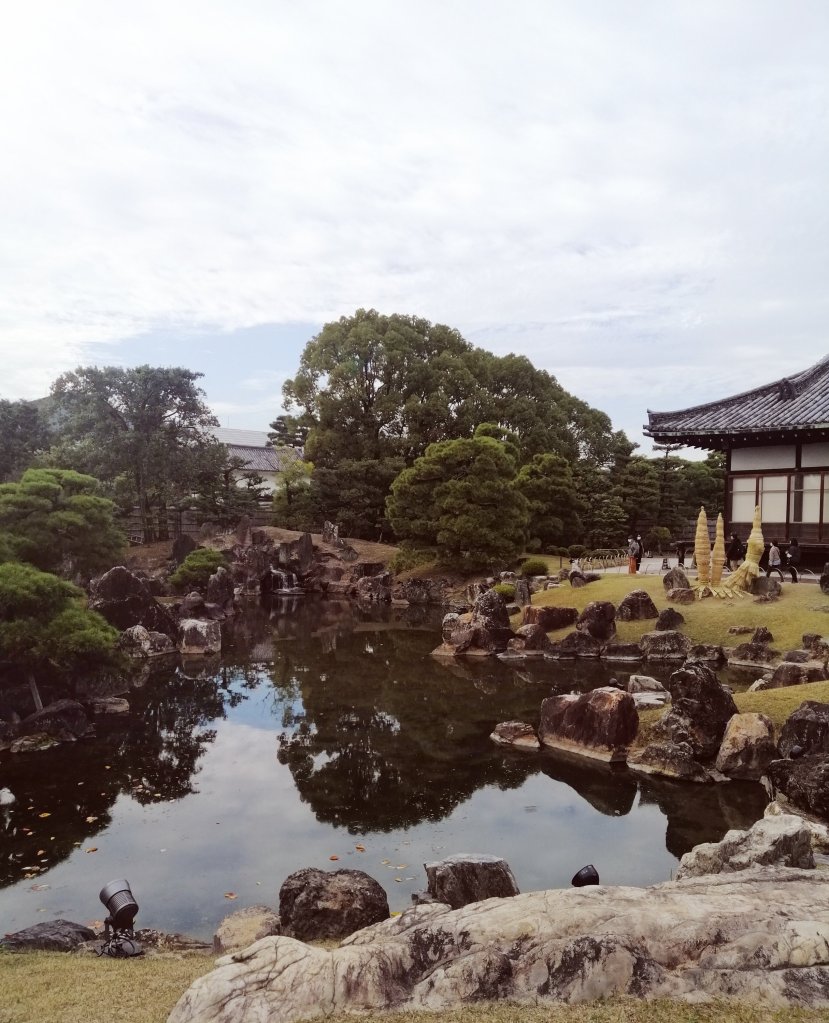
The city is awash with breathtaking palaces (the imperial palace is located here) and temples. We visited Nijo-Jo Castle, which is a UNESCO heritage site. It was built 400 years ago by the first Tokugawa Shogun, who’s family ruled for 14 generations and was also a samurai garrison. The castle complex is made up of graceful gardens and richly decorated audience halls with fabulous gold murals (unfortunately photography is not allowed inside). The buildings have what are referred to as “nightingale floors”. The floors are laid in such a way so that the chirp when walked upon, as an early warning system so they could hear intruders.
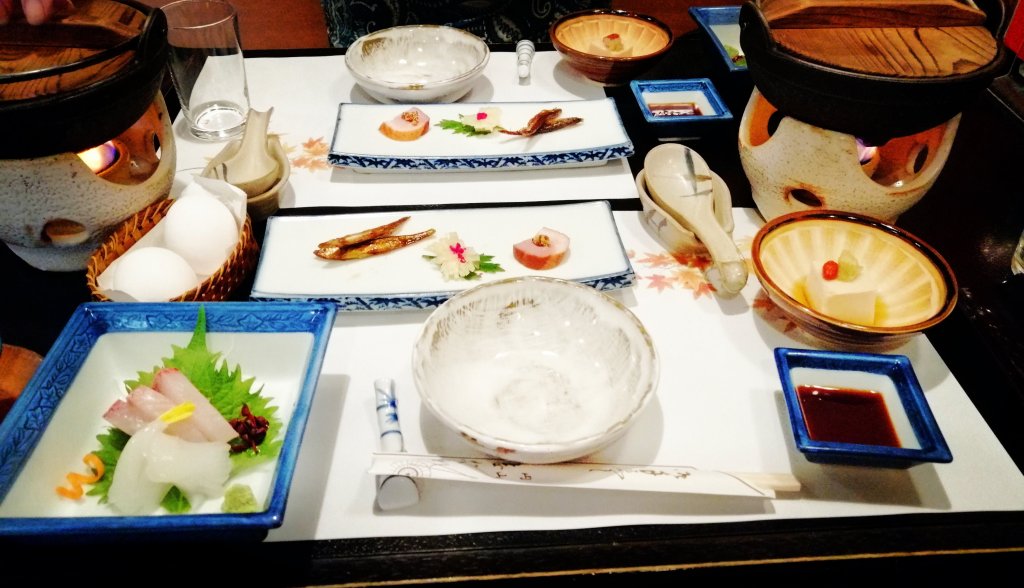
Food is also fantastic in Kyoto, and a speciality of the region is kaiseki. This is a multi course meal and these can be up to 11 courses, many are less than this but all are beautifully presented and change with seasons.
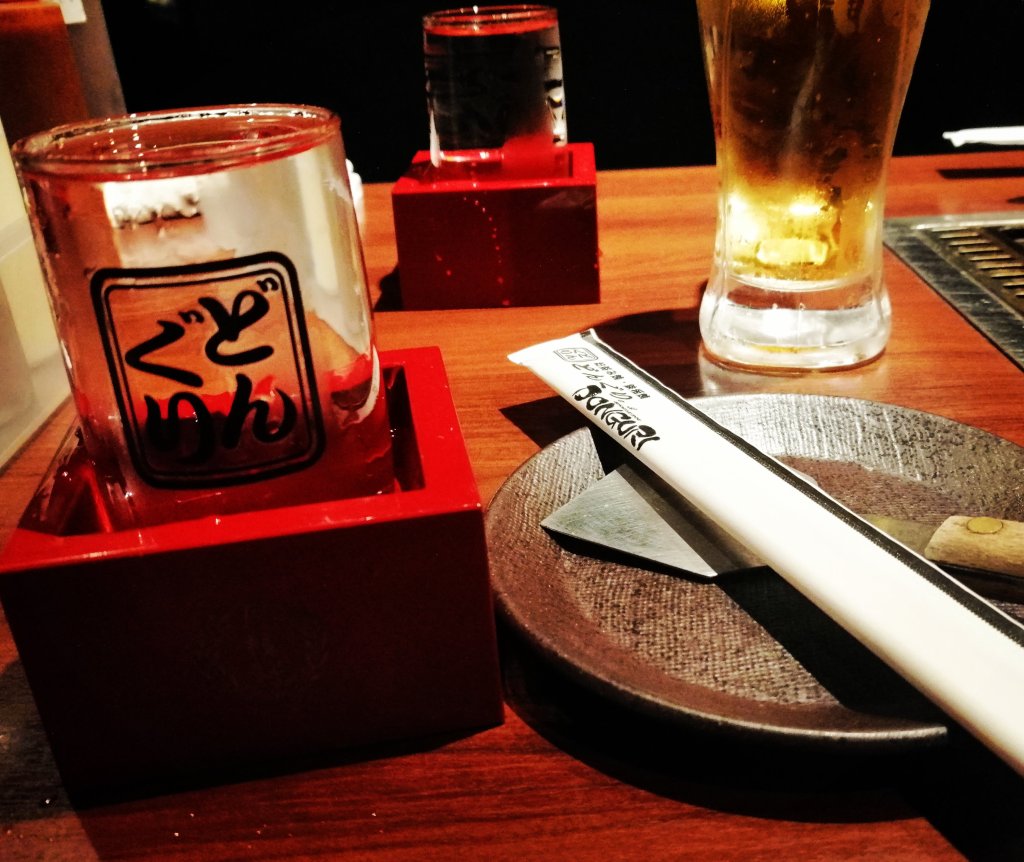
Saki glasses are always served in these wooden boxes
We treated ourselves to one of the more modest versions that included the usual miso soup and rice, as well as sashimi, marinated whitebait, tofu, and a beef hotpot. We decided to go native and the restaurant we visited served the food on low tables and we sat on cushions on tatami mats (not be recommended if you’re full of aches and pains from 2 weeks non stop site seeing) .
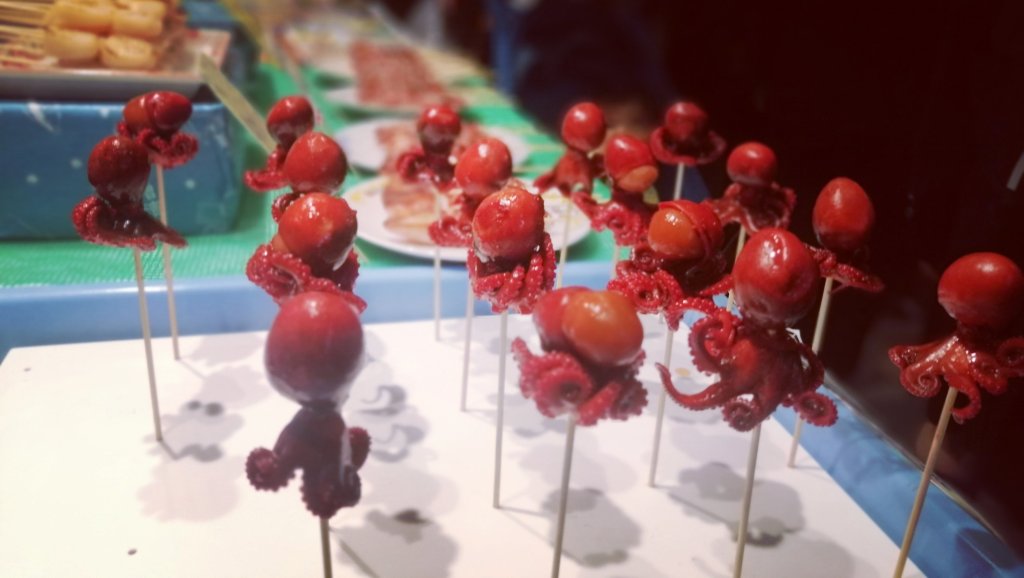
Nishi food market and the surrounding shopping district is also worth visiting, but go early because it gets extremely busy with locals and tourists. It’s a great place to pick up food souvenirs or try new things like squid lollipops.
After two busy days in Tokyo, we took the Shinkansen bullet train to Osaka. If you ever get the chance to do it, please do.
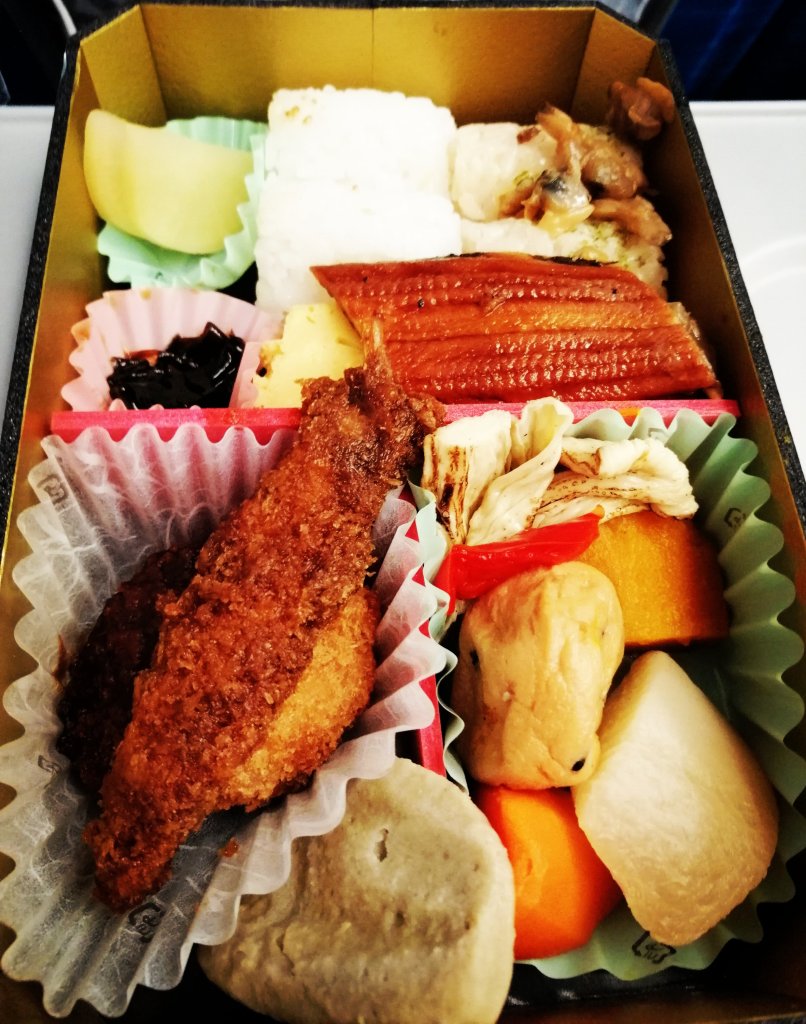
It cost just under £90 per person to travel 319 miles (514 km) and took around 2.5 hours, with an average speed of 200 miles an hour. You can reserve seats with luggage storage in advance. On a good day you can see Mount Fuji, but we were out of luck. There is a drinks and snack service on board but most people opt to buy an ekiben (traditional bento box lunch) at the station before boarding. These were delicious and beautifully presented and cost on average £5.
Ekiben
Osaka has a population of 2.6 million, but according to locals they feel they are more laid back and friendly than Tokyo and everyone we met was lovely, including the world’s sweetest and most excitable bar maid that we almost adopted.
One of reasons I wanted to go to Osaka was to see Osaka Castle, which is really impressive. Easy to reach by metro, the castle has largely been rebuilt, so inside is more like an exhibition space rather than being able to see original parts of castle and how people lived.
There is a lift for anyone with mobility issues which will take you to the 5th floor but there are 3 floors above this that can only accessed by steps. The castle is set in gorgeous park land, and with Autumn arriving it was beautiful, but spring is when it’s really popular at the cherry blossom festival. The castle dates back 450 years and if you’re a history nerd like me, you’ll love the descriptions of various feuds and downfalls of Shoguns, it also has a great displays of samurai armour.
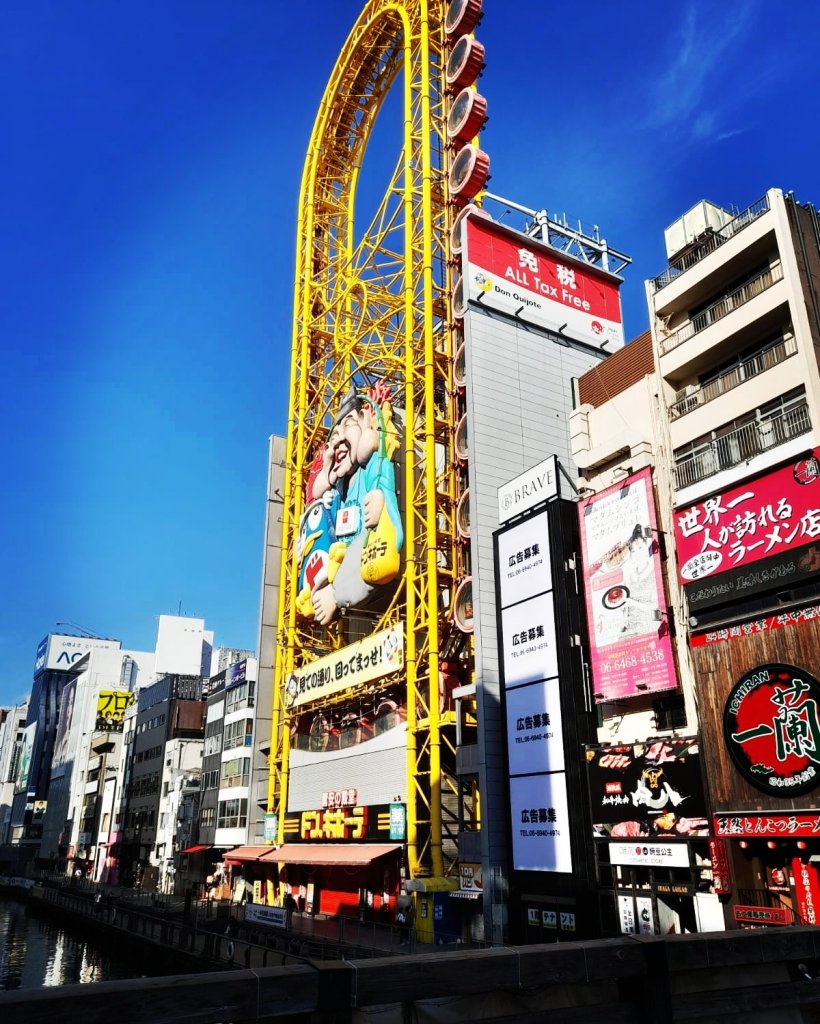
We stayed close to the Dotonbori area, named after the river that flows through it. This is a busy and cosmopolitan area with high end designer shops on one side of the river and local shops, bars and restaurants on the other. Street food is really big in Osaka and squid balls are the local favourite.
By the river you’ll find the oblong Ferris wheel, which is built around a 24-hour discount shop locally known as Donki (formal name is Don Quijote). This may have been the busiest shop I’ve ever visited and if you plan to go early because an average Friday evening felt like the January sales. But there is literally everything a human being could ever need in this shop.
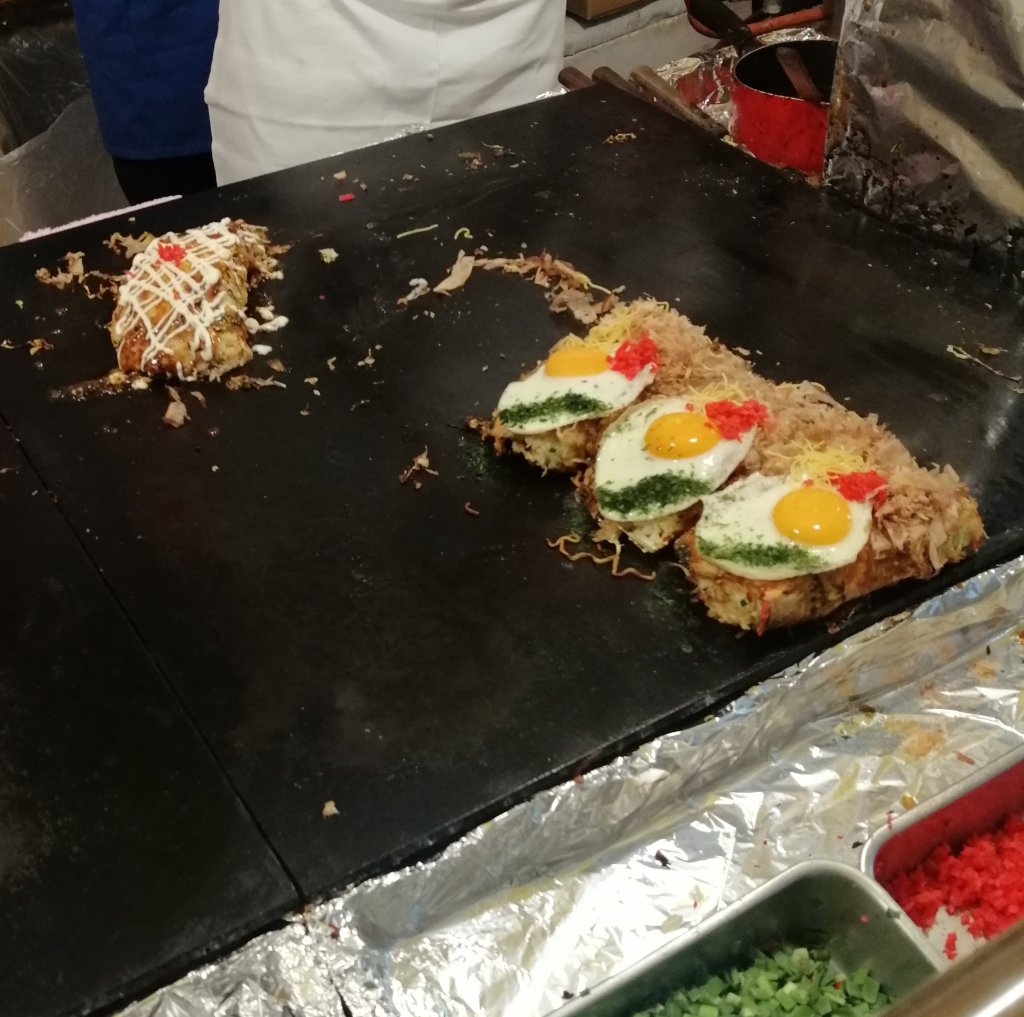
Another local speciality is okonomiyaki, this is a very thin pancake stuffed primarily with fried noodles and shredded cabbage and leeks/onion. Other toppings can include pork, fried egg, bonito flakes, nori seaweed. pickled ginger or kimchi, this is then drizzled with a rich savoury sauce and mayonnaise. I realise my description is not selling it, but it was one of the nicest things I ate in Japan (and I pretty much loved everything).
Dotonbori never stops. In early evening families are out with their kids enjoying the waterfront and street food. Later in the evening “Salary Men” (office workers) get stupifyingly drunk in the hostess bars, and the local petrol heads hang out and compare cars. People are friendly and the area feels very safe and a lot more pleasant than most UK and European city centres late at night.
I like to think of myself as an adventurous eater, but I stalled at some of the local offerings which included “fish abductor muscle” and “beef nerve”, but maybe next time.
Japan has always been on my bucket list, but after a 13 hour flight from Paris and standing in a Customs line for 2 hours, I was less than impressed to find out Air France had lost my suitcase.
Being on average 6 inches taller, and a foot wider than most Japanese women, finding clothes for 2 weeks in Japan was a challenge. But when these things happen you can choose to let it ruin your holiday or just get on with it and that’s what I did. (Air France are still a pack of d*cks though).
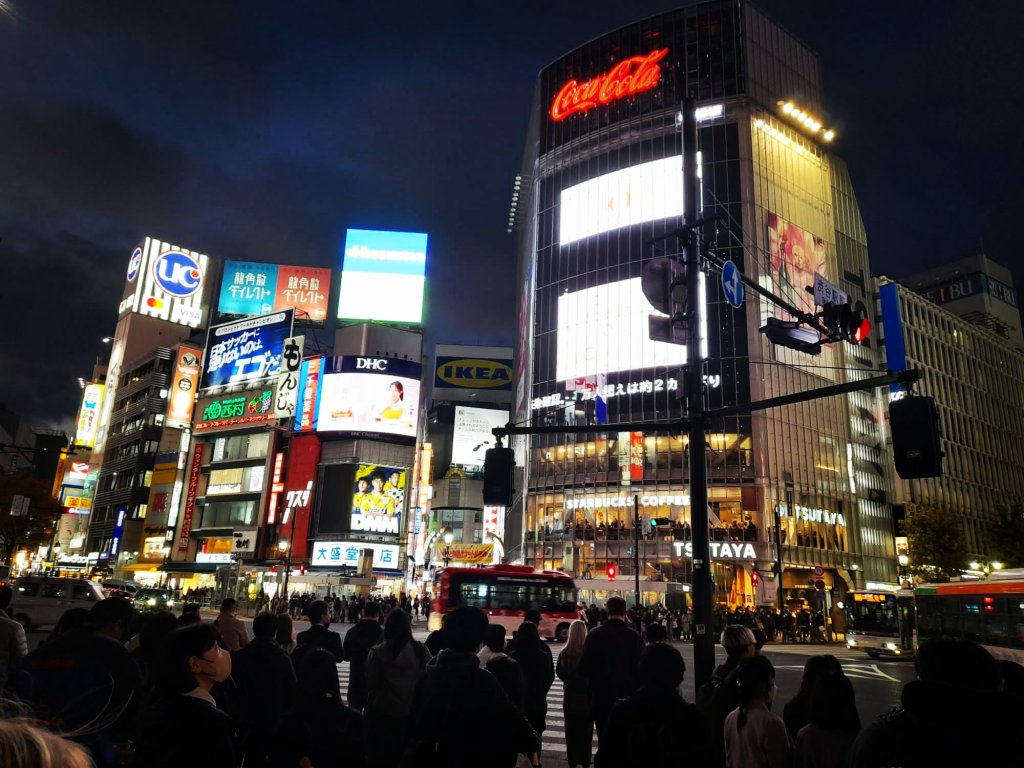
Tokyo is amazing, a city of just under 14 million people, with every square inch of space used. It really is open 24 hours a day. I was so impressed that the place is spotless you will not find litter anywhere. You won’t see rubbish bins on the street either, the Japanese will carry their rubbisish until they dispose of it. You’ll also be impressed at how courteous and polite they are to each other.
English is not widely spoken, if I can make any recommendations its to learn a few key words or phrases i.e. please, thank you, hello etc. Then make sure you arrange a bolt on with your mobile phone company (or you can buy a Japanese sim card). Google maps and Google translate will make your life much easier. WiFi availablity can be bit patchy otherwise.
Japan has only recently opened up to travellers again after Covid and you are required to wear a mask when inside shops, on public transport etc., most people still wear them on the street. Given how densly populated Japan’s cities are, this makes sense to curb the spread of the disease. As always when travelling, be a good guest and respect even the unofficial rules of the country you’re in.
When you’re out sightseeing the metro system is excellent. A two day pass cost just under £8 and the longest you’ll wait on a train is 5 minutes. Signs in the station and announcements on the trains are both in Japanese and English. Station staff are very kind and helpful and this is the time to use your Google translate if you get turned about. Tickets can be bought at machines or at tickets offices (the offices only take cash). I would avoid rush hour if possible as the trains are really packed (personal space isn’t really a thing on the Metro), you’ll also be expected to remain quiet out of respect for other travellers.
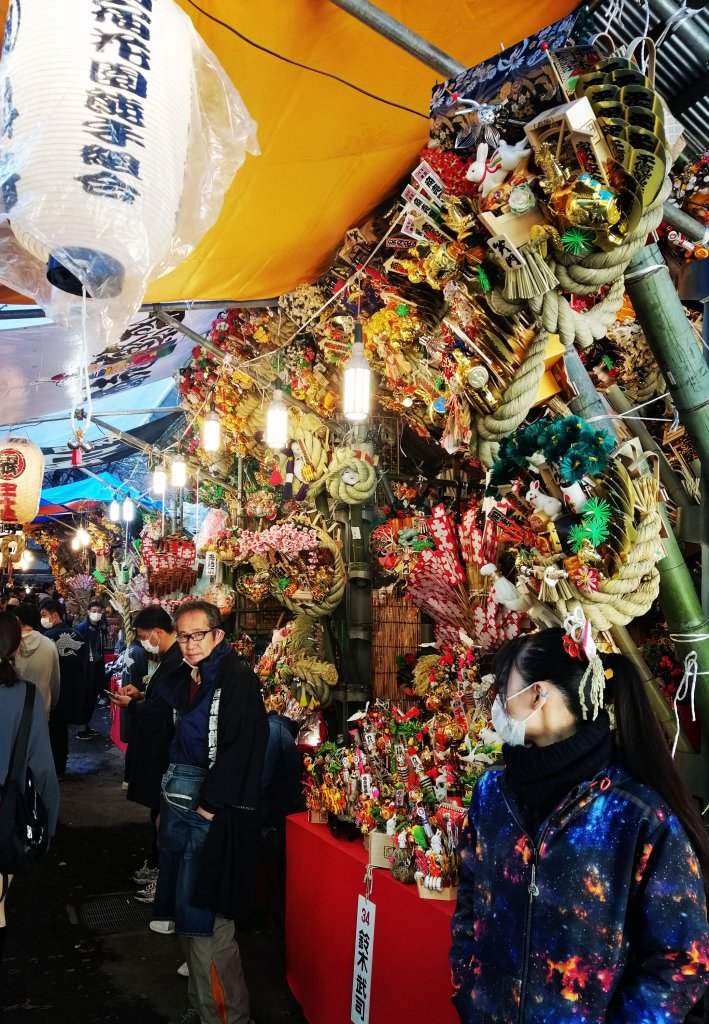
We stayed in the Shinjuku area which is very central for most things. Just up the street the local temple was having a festival and the streets were lined with stalls selling cheap fantastic street food. We were also only a few streets away fron the Golden Gai district. This is a little warren of streets made up of tiny izakayas (bars) that are often only a counter than sits 6-8 people. There is usually a small cover charge per person and staff and locals were friendly.
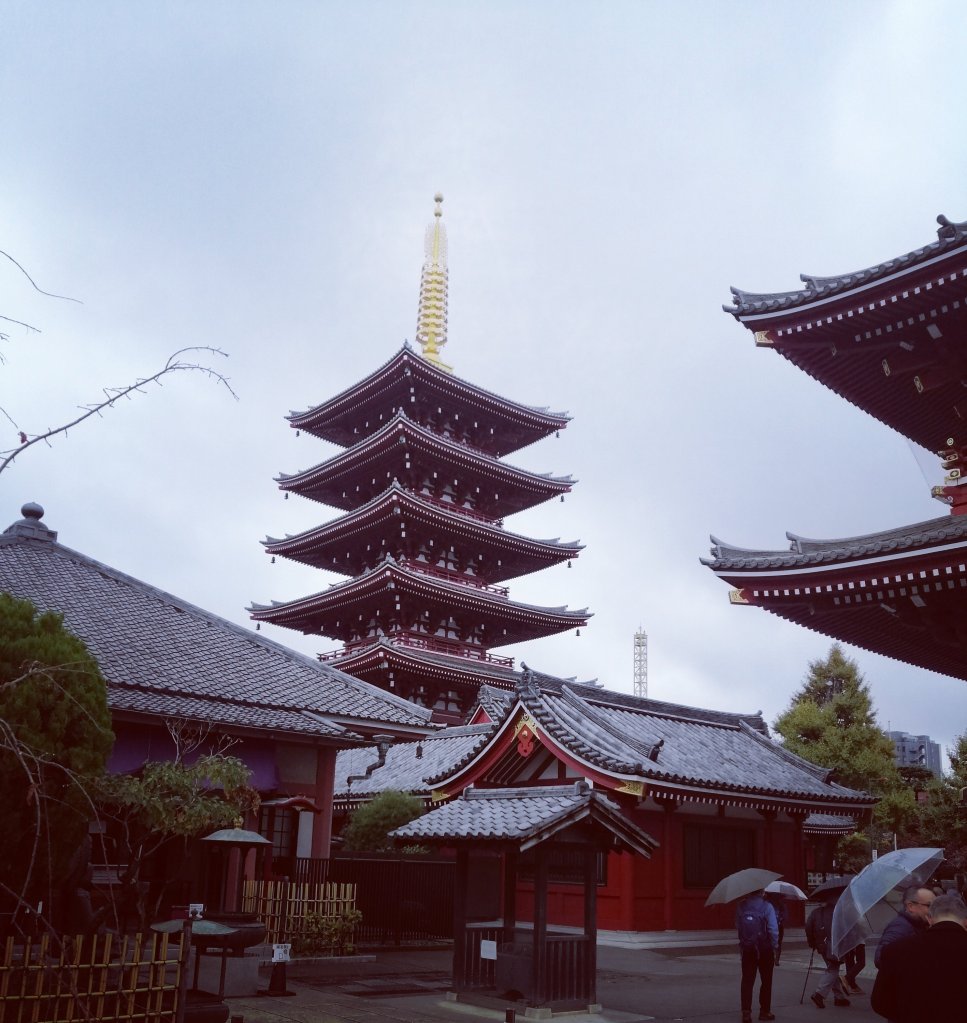
A few stops from Shinjuku you can find the Senso – Ji temple complex. The approach to the temple has a busy shopping area if you want to shop for souvenirs or street food. You can have your fortune told at the temple by shaking a box containing sticks, the one that pops out will have a corresponding fortune)
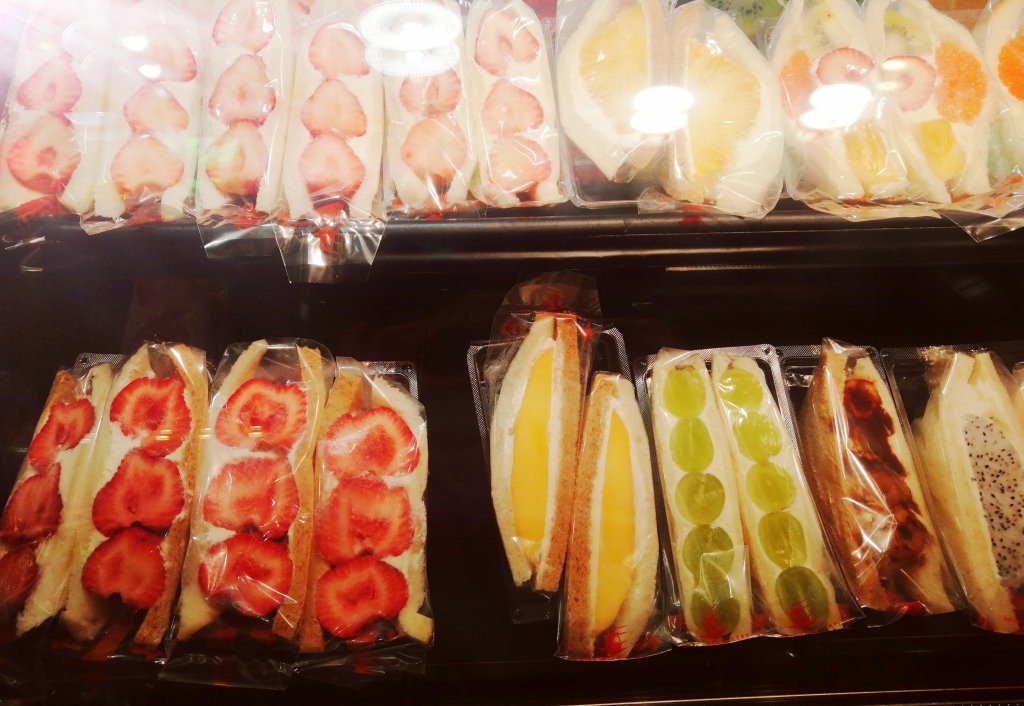
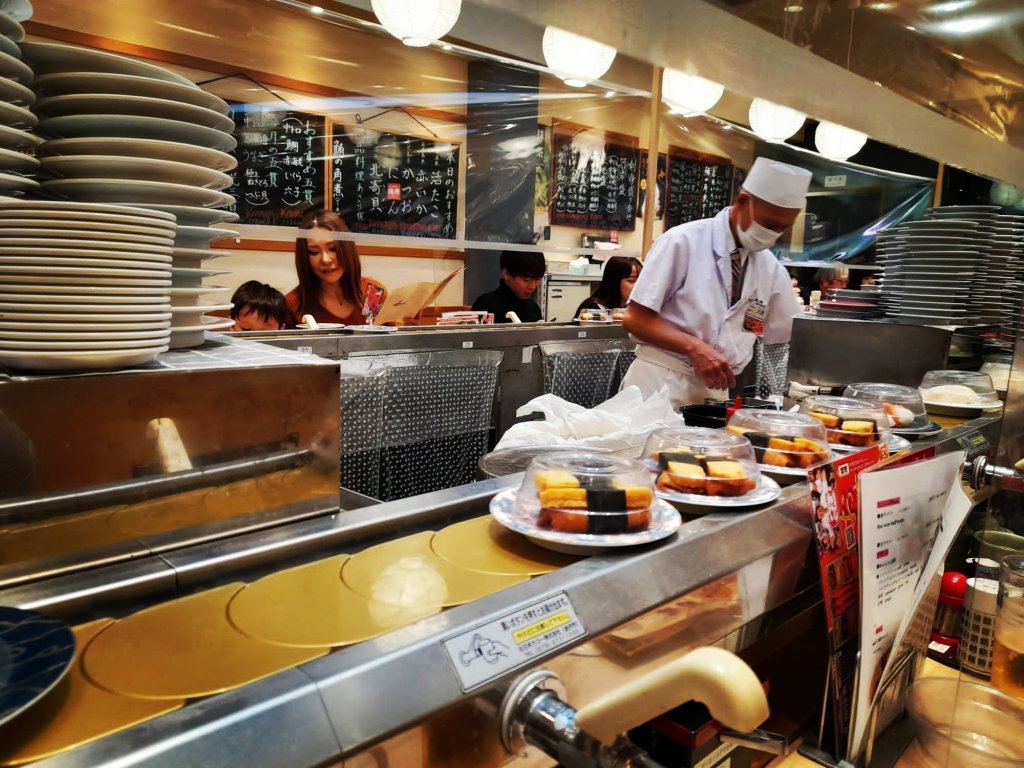
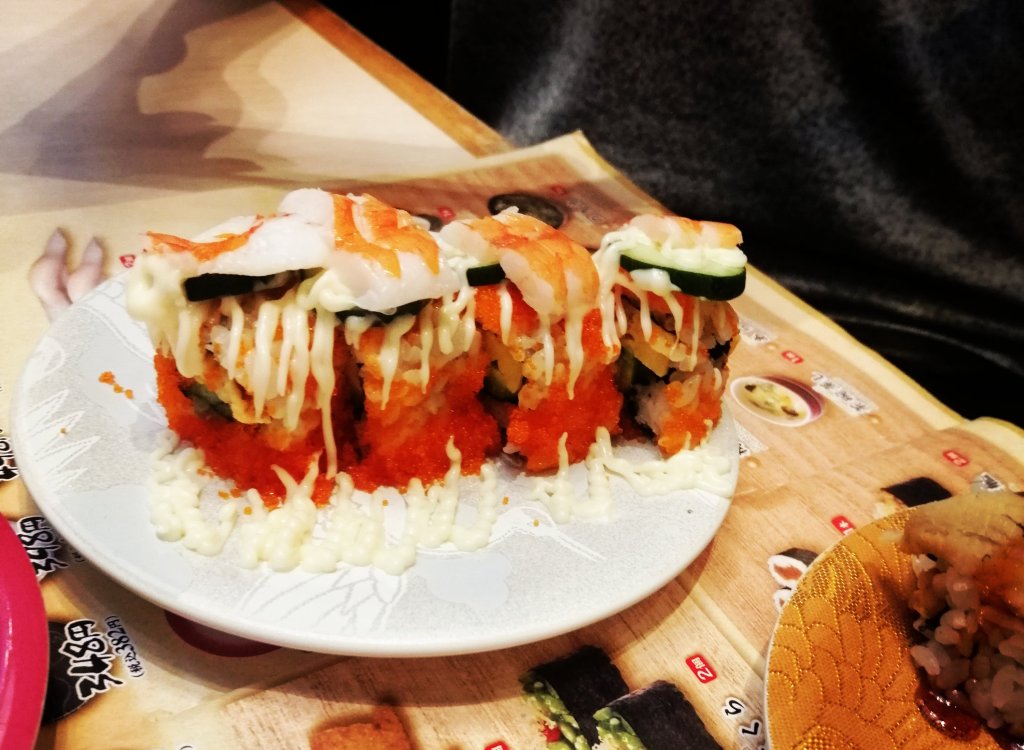
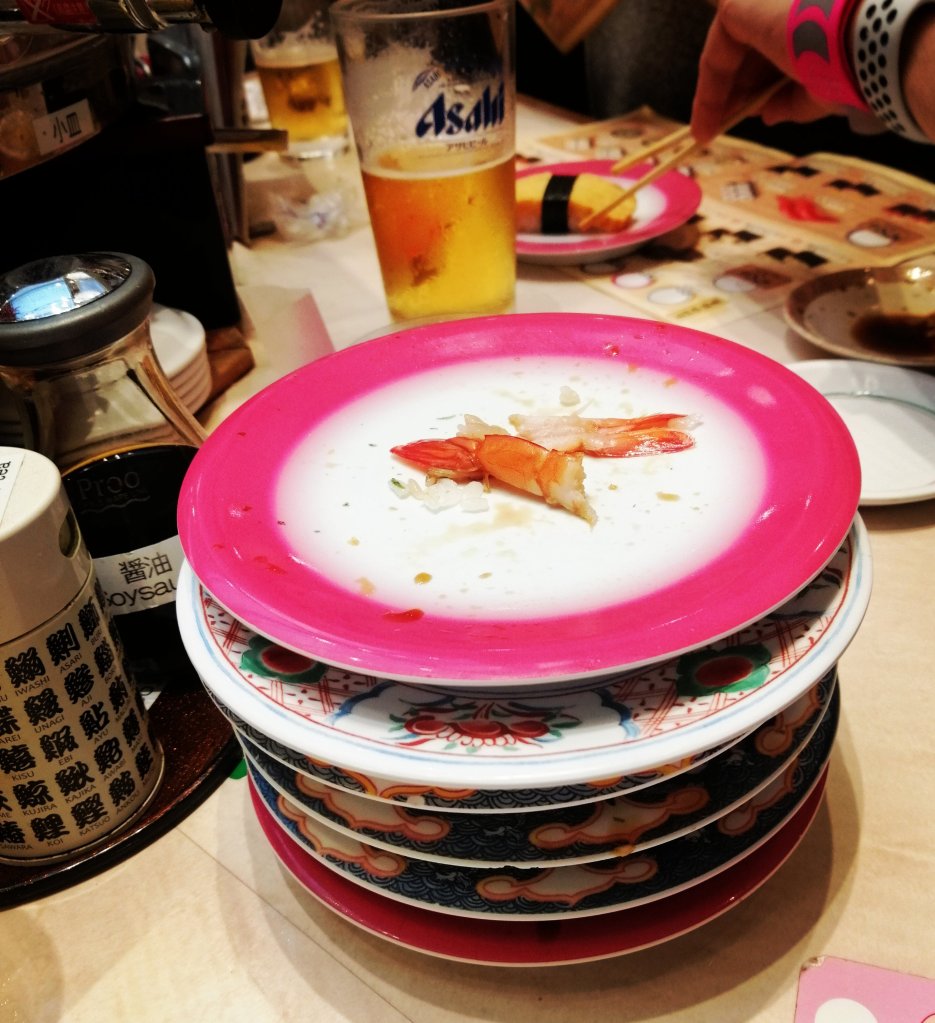
Foodies should visit Tsukiji fish market, which has brilliant seafood spots, and for a tasty sushi lunch with a beer we paid about £10 per head (and we had a lot of sushi). You’ll find fruit in Japan is surprisingly expensive, with specialist types being given as gifts as a show of status.
Food is unfailingly fantastic in Japan, and even convenience stores (Konbini) sell low cost tasty food. Unless you’re wanting want to go fine dining you can get a filling main meal for £5-6 per per person in most restaurants
If you want to see where the cool kids hang out, you should visit the Harajuku District. Full of quirky shops, and places to eat, drink and shop. If you’re interested in visiting a ferret cafe, or have always wanted to buy a Cosplay Bo Peep outfit this is the area for you.
This was my first visit to Japan and some differences that immediately leapt out at me were, cyclists ride on the pavement, not the road and it’s important to be aware of them. Japanese toilets are unbelievable, with heated seats and water jets. You can choose to play birdsong if you want to cover the sound of doing your business, some will even blow dry your nether regions (an unexpected, but not unpleasant sensation).
Smoking is still permitted in many bars, but it’s illegal to smoke in the street. The place feels incredibly safe, and I would have no hesitation to travel alone in Japan (taking the usual sensible precautions).
“Mauritius was made first, and then heaven: heaven being copied after Mauritius”, Mark Twain
As much as I loved relaxing at a resort, old habits die hard and I wanted to explore a bit more of the island.
Port Louis
You can rent a car relatively cheaply, and as Mauritius is a former British colony they drive on the left hand side of the road, and road signs are in English (speed signs are in kilometers). However, rather than having all the stress of getting lost and driving unfamiliar roads we hired a local driver for a day. Rajesh was super helpful and knowledgeable and brought us to the North of the island. Not slowing down at intersections and tail gating seem to be common practice, so I was glad we had a local to help out.
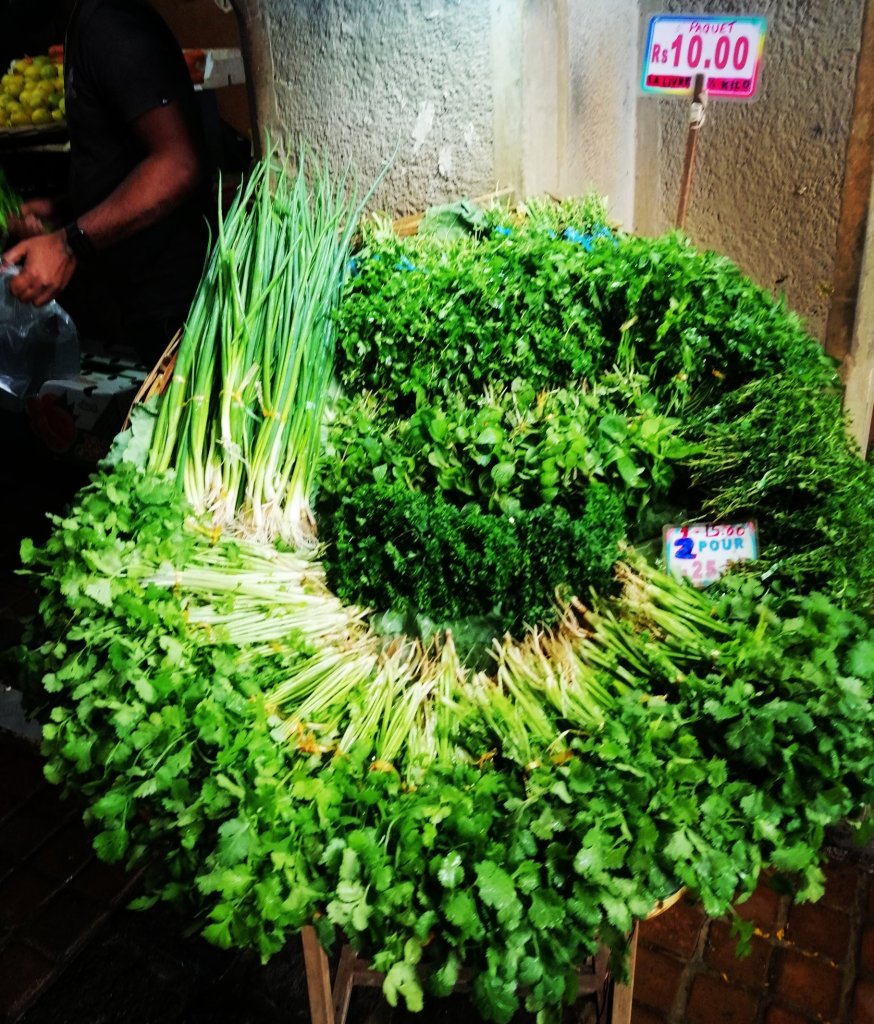
Fresh herbs
Our first stop was the capital, Port Louis. This was a bit of a culture shock after the laid back vibe of a resort. Full of hustle and bustle the city is loud and frenetic with epic traffic jams during rush hour. Once there you’ll find busy markets selling everything imaginable, with traders barking out their bargains in French/Creole.
Soup vegetables
You can shop for souvenirs (haggling is expected) or head to the exotic food markets to stock up on spices. I would recommend asking for prices before buying spices (I think ended up paying some unofficial tourist tax due to not checking first).
Whole spices and spice mixesPink peppercornsStar anise
Mauritius was an important stopping off point in the spice route and local food is fragrant and highly spiced.
Young coconuts
If you are frazzled after Port Louis and want to get in touch with your inner history nerd, then visit the Sugar Museum (L’Aventure de Sucre). A short drive from the city, the museum is fascinating. It was a former sugar refinery and shows how sugar cane growth and production totally shaped the history of the island. Less then 300 years ago there were just 200 people living on the island, the population is now over 1.2 million. Sugar cane production, completely changed the eco system of the island, with new species of plants and animals being introduced. Mauritius is probably best remembered as being the home of the now extinct dodo.
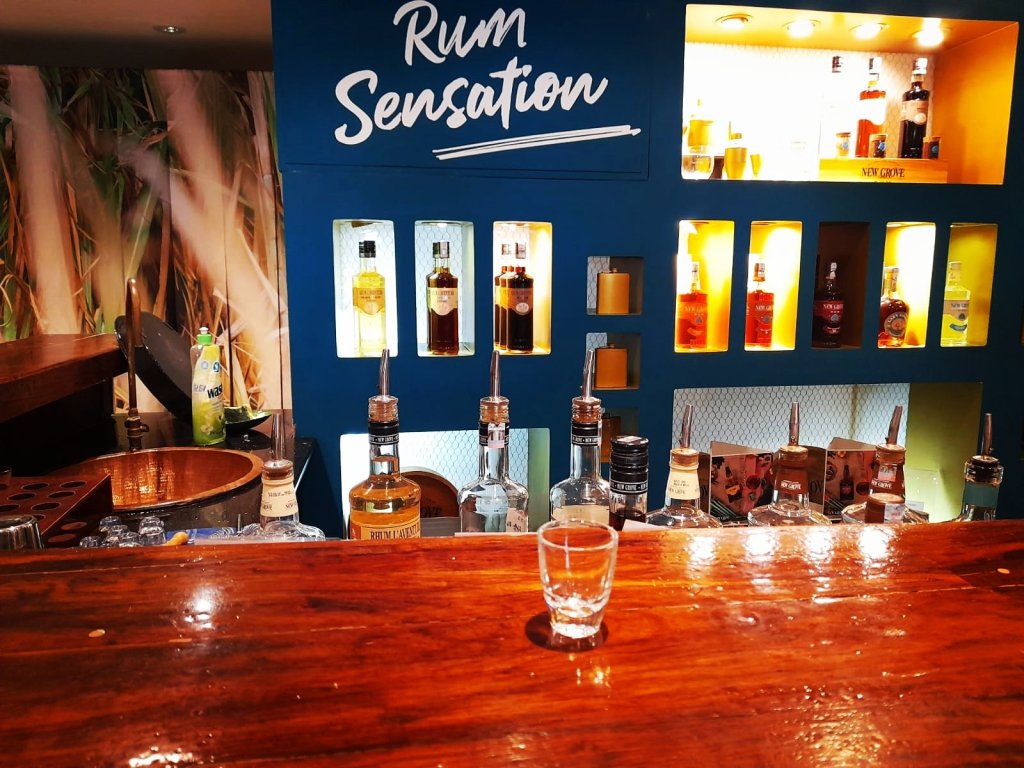
Like most museums you’ll exit through the gift shop, but this is worth doing for the rum tasting that’s included in the entrance fee.
Rum tasting Interior of the sugar museum
Private companies like the East India Company and then colonial powers from the Portuguese, French and British exploited the island and its inhabitants to make obscene amounts of money. Slaves were transported from Bengal and Africa, as well as indentured servants from India and traders from China all led to the multicultural nation Mauritius is today. The museum is honest about the legacy of the slave trade and the immense wealth created by sugar plantations. While the country is seen now as a tropical paradise, it has a much darker history.
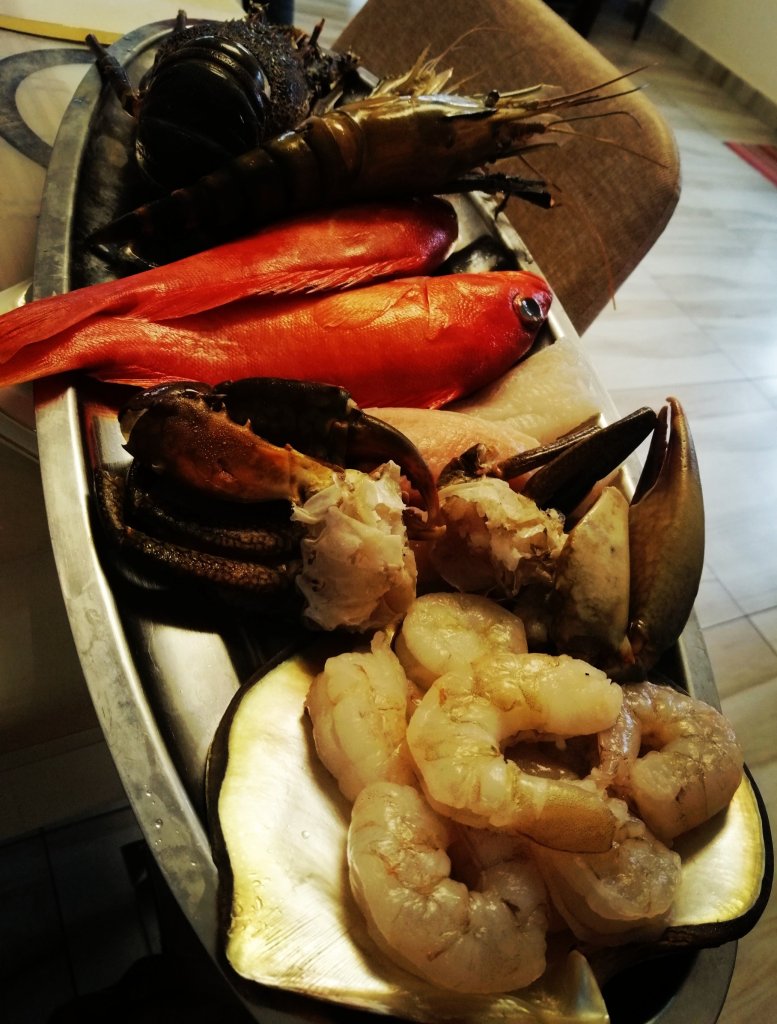
Local restaurants let you select your own sea food for lunch Barbecued red snapper
As you drive along you’ll see vibrantly coloured, Hindu temples, Buddhist shrines, Mosques and Christian churches scattered through out the countryside. By all accounts Mauritians live in relative harmony and differences are respected and celebrated.
Giant tortoises
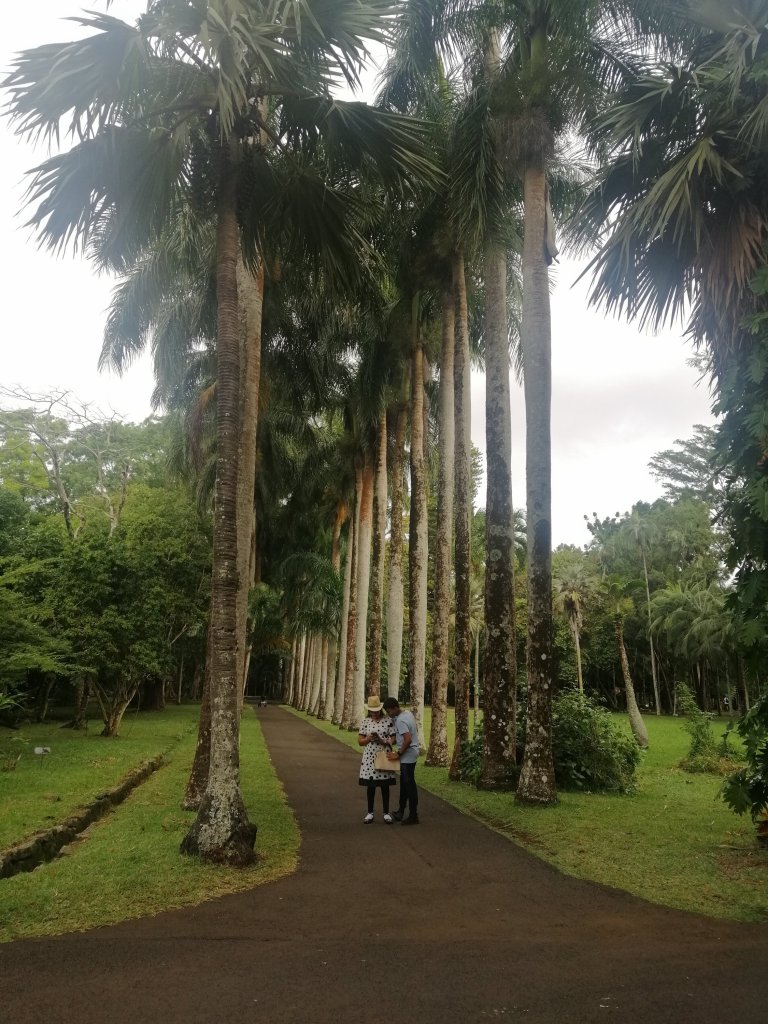
The botanical gardens are really impressive. Because of its climate and fertile soil probably anything could grow here. You can explore on your own or pay for a guide. Unless you’re seriously into horticulture I’d recommend just pottering about on your own. You can also see brightly coloured wildfowl, giant tortoises and deer.
Massive water lilies
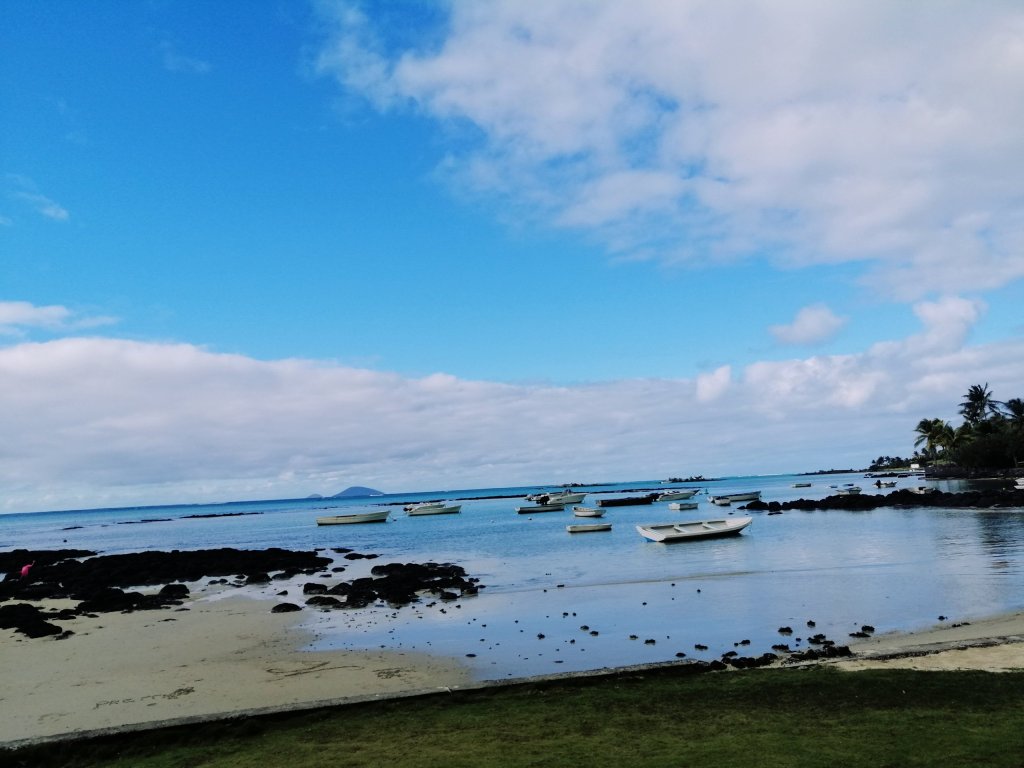
Before heading back to our resort, our driver, Rajesh brought us to Cap Malheureux (Unhappy Cape), so called because of ships who ran aground in the past. The views were breathing taking and the area is most commonly known for the little red roof church that sits on the bay.
The red roofed churchCap Malheureux
Just as the evening was drawing in we headed back to Bel Ombre across the mountain route. The Pitons are a range of jagged volcanic mountains that wouldn’t look out of place in Jurassic Park (the light was dropping so sorry no photos).






















































 Seaneen's Sunnyside Kitchen