

Bali has something for everyone and Ubud is a great example of this.

About 1 hour, 15 minutes from the airport, the main town is always busy with legions of mopeds. It’s not unusual to see a family of 5 on a single moped. If you’re visiting Bali, renting a moped is a popular way to get around. The law is currently changing to require foreigners to have a motor bike licence before renting a moped (largely due to tourists renting them without any experience of driving and getting in accidents).

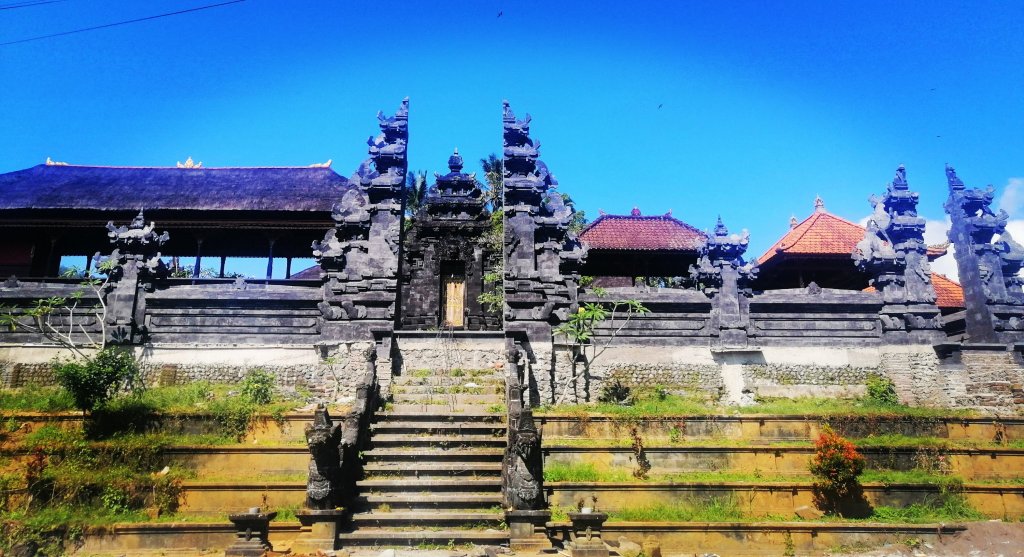
Ubud has a beautifully carved historic palace, where you can buy tickets in the evening to see entertainment from Balinese folklore and amazingly graceful dancers. Parts of the entertainment can be a bit surreal with fantastical creatures and costumes, but well worth experiencing. In the hub of the town there is also a large market and the surrounding streets sell all manner of clothes, shoes, jewellery, handicrafts and assorted tourist tat. Locals also offers taxi rides on every street. Haggling at the stalls and for taxis is expected, but as always give a fair price, as the Covid lock down hit the Balinese extremely hard.

The town is a good base to visit sites like the Tegallalang rice terraces (about a 20-30 minutes taxi ride away). If you’re an Instagram fan there are numerous back drops specially designed for the Gram. For thrill seekers you can use specially designed swings or zip lines to traverse the deep tropical ravine. There are also plenty of cute cafes/warungs where can enjoy lunch or a few drinks and take in the exceptional views. If you plan to visit Ubud, I need to recommend Wayan Sutika, who is an exceptional driver/tour guide, as well as being super nice and fluent in English. He and his family also have their own beautiful home stay (B & B accommodation) on the the outskirts of town. Wayan has acted as a guide/driver for us each time we visited Bali and has always shown us new and fascinating places and is extremely knowledgeable about the history of the fabulous places he’ll show you.
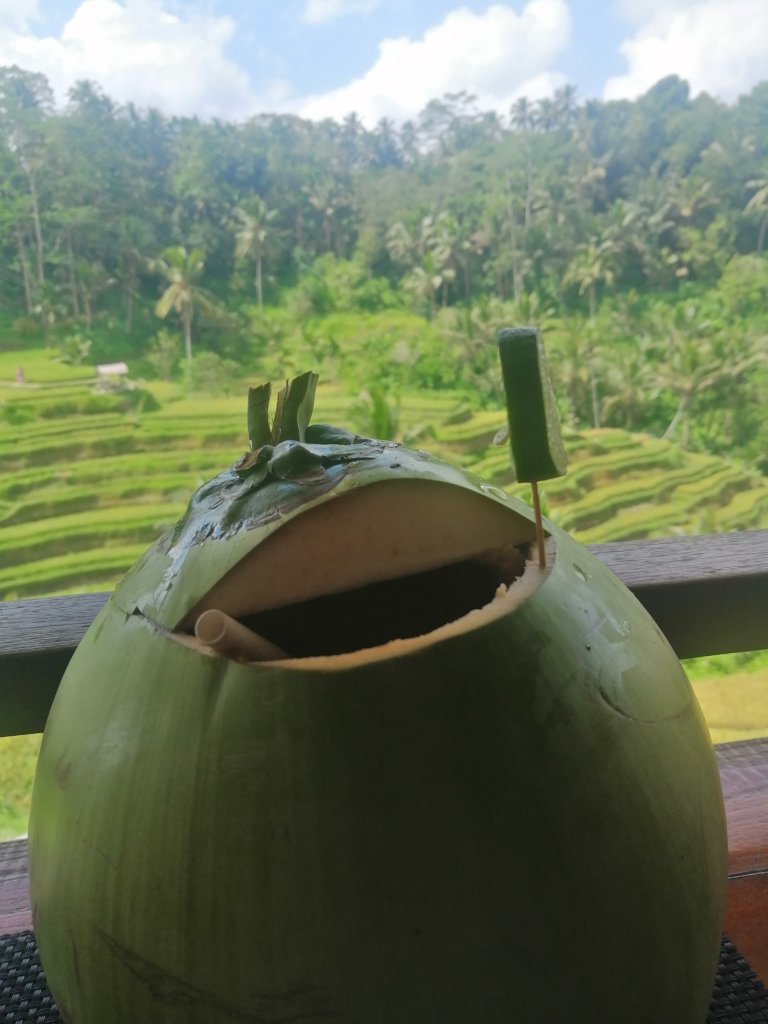
Ubud attracts visitors from all over the world. Visitors range from backpackers and old hippies, through to those who enjoy the high end ultra luxury resorts on the outskirts of the town. With such a diverse range of people you will find any type of food/drink you can think of. Many visitors are interested in health and fitness, and there are fantastic spots all around Ubud if you want to join yoga or mediation classes. There are also plenty of vegetarian/vegan/raw food restaurants and cafes if you enjoy clean eating.
If you feel like kicking back for an afternoon or encounter a rainy day the Pondock Library is well worth a visit. It’s a not for profit organisation that has a library and also runs classes were local artisans can teach you local crafts or skills. Classes include Balinese cookery, woodcarving, dance, music, and painting. You can join a group class or arrange for private class, and costs are very reasonable.
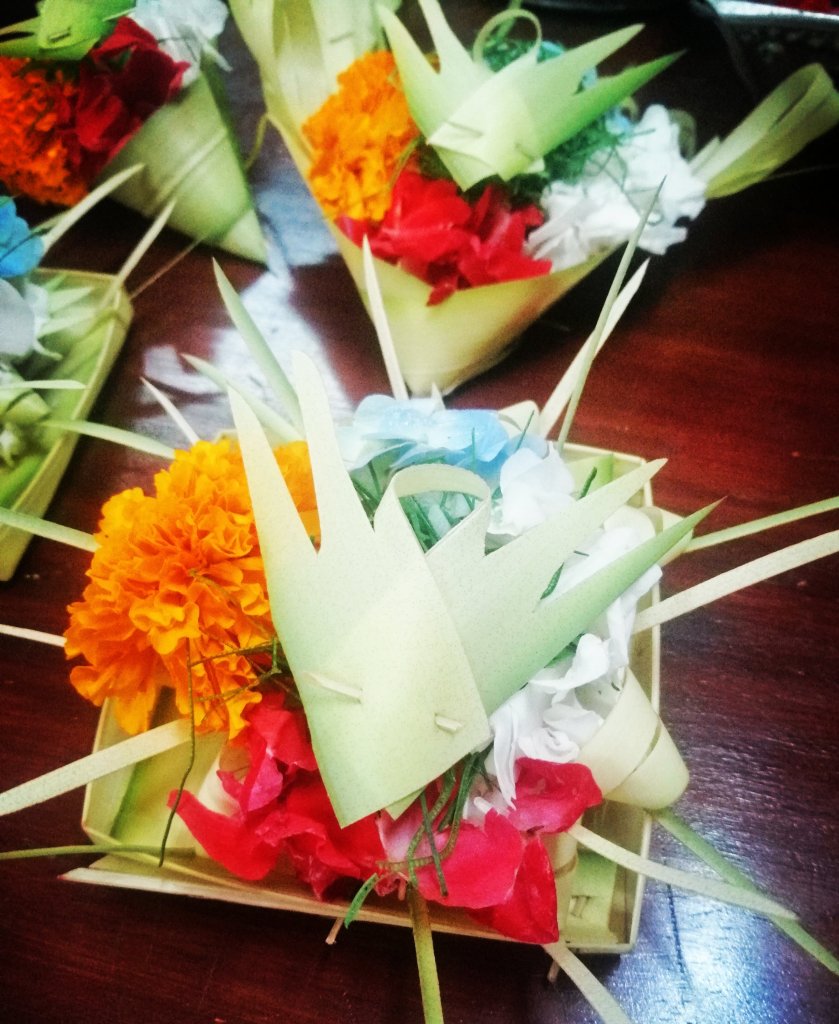
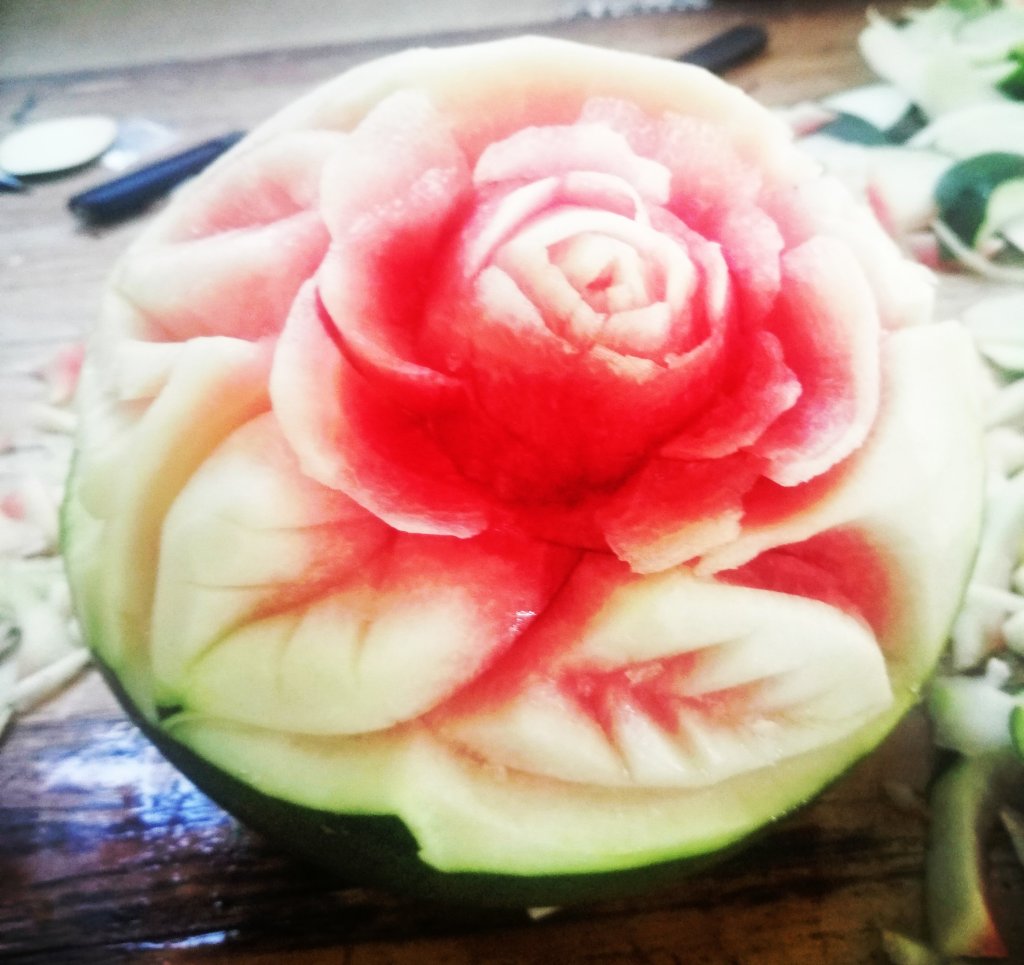
I had a couple afternoons when I just wanted to relax and learned how to make traditional offerings you’ll see everywhere you go, and another class to learn fruit carving (I was beyond of proud myself and will never leave a melon uncarved again).
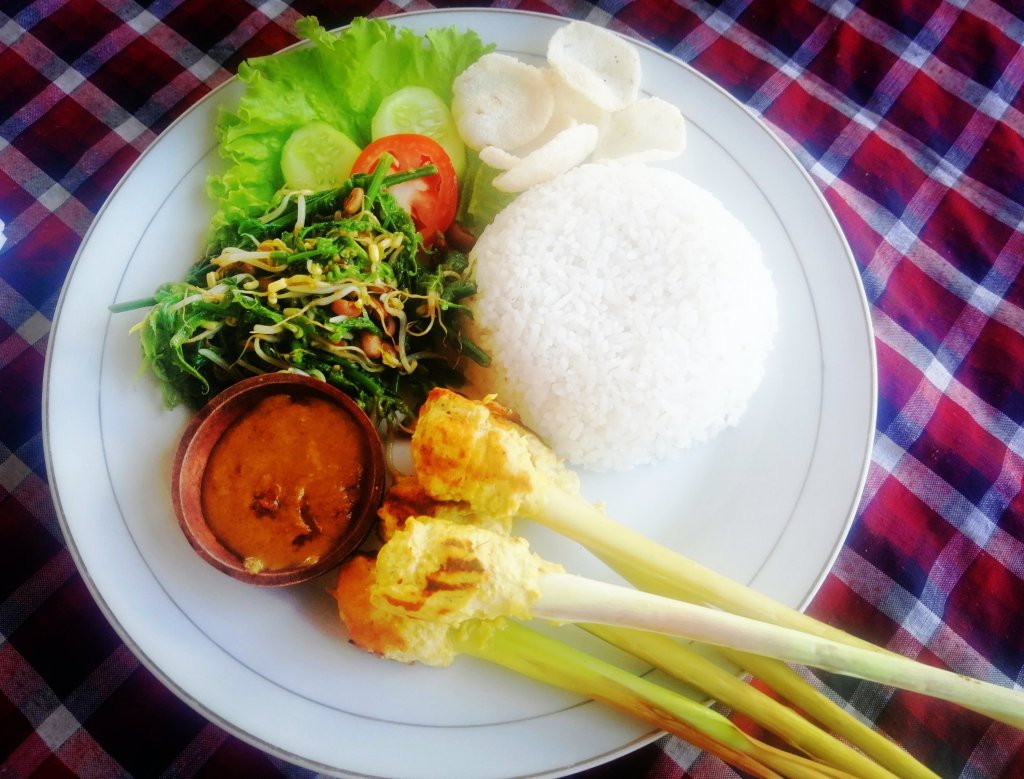
I’d definitely recommend trying local Indonesian food. One of the best restaurants I’ve visited is Cafe Wayan which is very atmospheric and you can choose to sit at traditional low tables or at western tables and chairs. The place also has the prettiest bathrooms you’ll ever see and are always adorned with fresh flowers.

The other thing you’ll find around Ubud are beauty salons or spas, offering all sorts of treatments, with massages being the most popular. Prices in salons are usually set, so I would advise against haggling. One of the best I have ever visited is Karsa Spa. It’s about a 10 minute taxi ride from the centre of town, or if you’re feeling athletic you can go on a 40 minute trek along the Campuhan Ridge to it (It’s uphill, but not too challenging, I would advise against doing it at midday like I did).

Karsa Spa offers different packages and I would recommend getting one that includes their flower baths if you want to indulge yourself. The spa is set in beautiful gardens and you can’t help but feel bougee having your nails done sitting in a garden looking out on rice terraces.

While the town has expanded and got busier from when I last visited 4 years ago, there are still plenty of beautiful walks 5 minutes from the town centre. You can also visit the monkey forest, about a 5-10 minute from the town centre (Personally I find monkeys terrifying, but if you like them you can go visit and quite possibly have your sunglasses stolen by the cheeky little sh1ts). My one word of caution is that the Balinese have a bit of a laissez-faire attitude to health and safety. Footpaths around the town centre are often uneven so watch your step. Zebra crossings also seem to be more a suggestion than the actual law so be careful crossing busy streets.





 Seaneen's Sunnyside Kitchen