Classic Pesto

Once you try homemade pesto, you’ll never eat the stuff in a jar again.

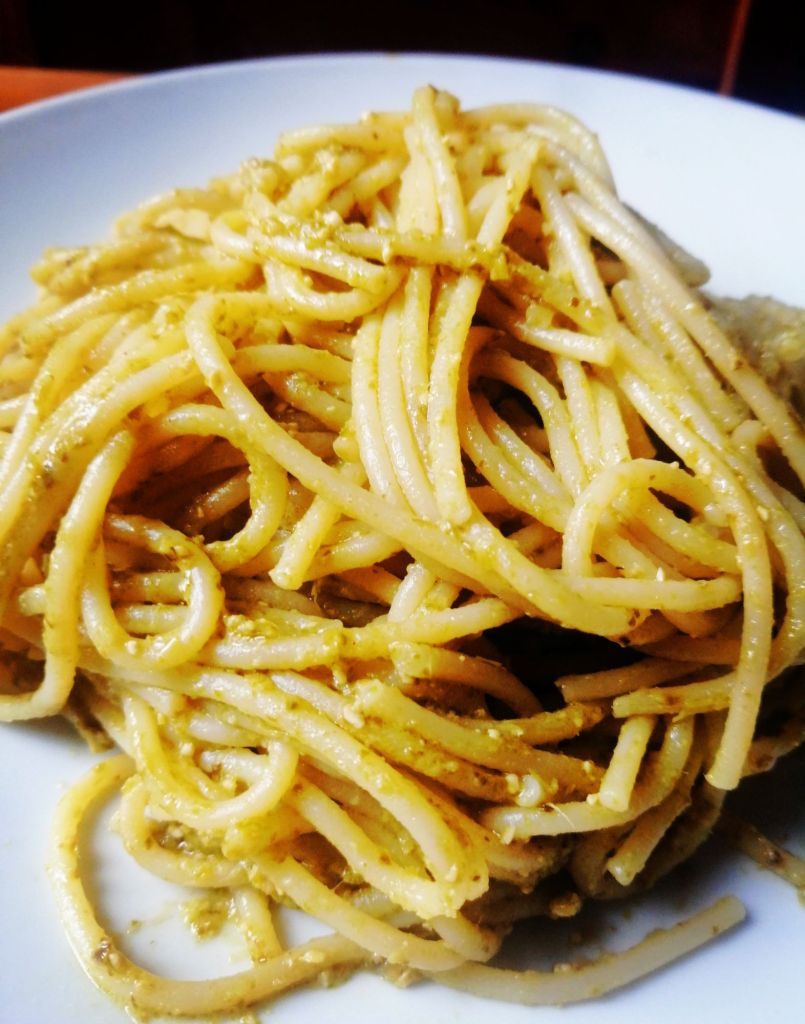
Most people have tried pesto with pasta, and it’s a classic for a reason plus it takes only 5-10 minutes to make.  I use a food processer, but you can use a pestle and mortar if you want to go old school.
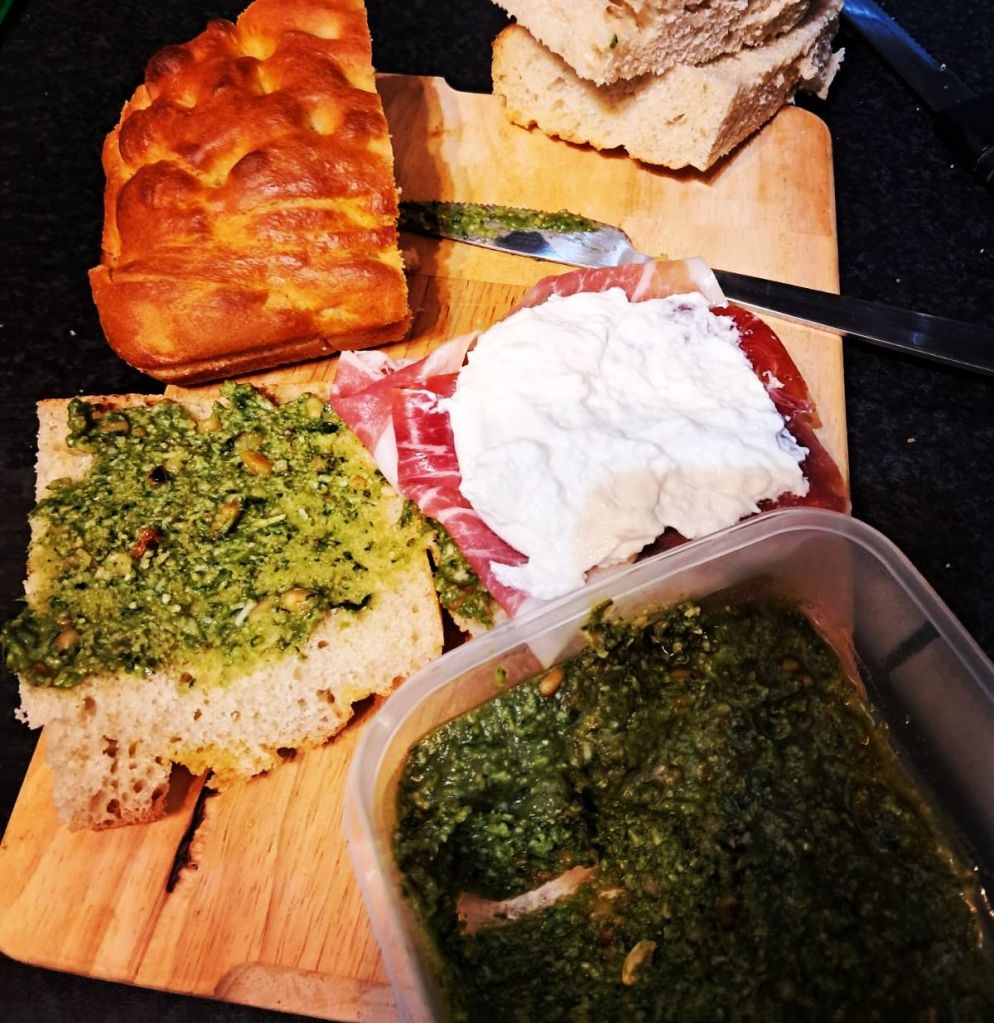
I love it in Italian sandwiches made with focaccia and filled prosciutto and buratta (you can use any combo and it will still taste amazing with the pesto).

Ingredients

100 Grams Pine nuts (or you can use blanched almonds if you can’t find them)

1 Large bunch of basil

50 Grams Parmasan or Granna (finely grated)

1-2 Cloves of garlic (peeled and roughly chopped)

100mil Olive oil (you may want to use more or less depending on how lose you want the pesto)

Method

  • In a dry pan, heat the pine nuts until the start to brown, remove from the pan and allow to cool
  • Add the pine nuts to a food processer and blitz a couple of times until the nuts have broken up
  • Add the rest of the ingredients (hold back half the oil) and blitz for a couple of seconds.
  • Check the consistency of the pesto, and continue to add the olive oil until you have reached the thickness you want (I like it quite thick and chunky but some people prefer a smoother pesto)
  • Use as a spread in sandwiches or as a pasta sauce.  It will keep well in fridge for 2-3 days

Bologna (not just Bolognese)

About 30 minutes by train from Florence you’ll find Bologna (arguably the food capital of northern Italy).

Most of us have eaten spaghetti bolognese, and the locals are slightly aghast at our version.  Firstly they use tagliatelle (never spaghetti), the sauce is more meat heavy, sometimes using a mix of pork and beef and only a small bit of tomato is used to make the sauce a more appealing colour.

What the locals are really obsessed with is tortolini in broth (compulsory at Christmas, with people putting their orders in to local pasta shops months in advance) and the larger tortoloni served with butter and sage and usually filled with the region’s famous cured meats like mortadella or salami.

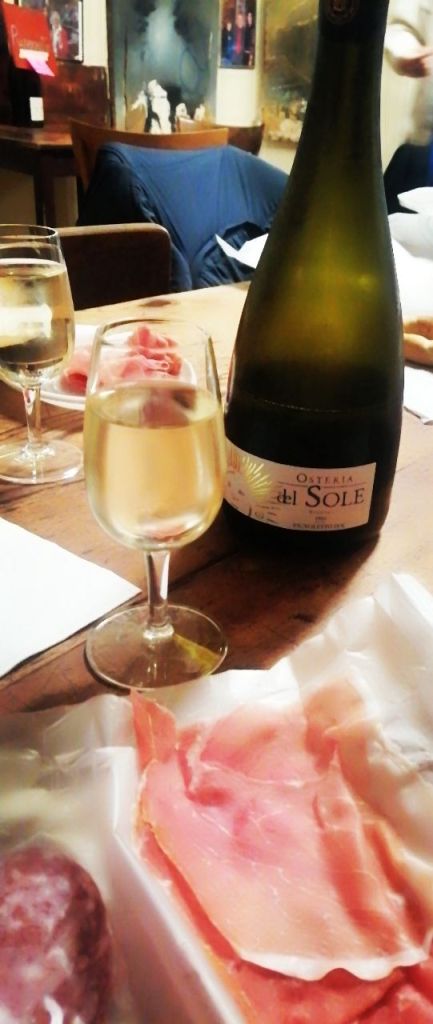
The city offers various food tours and if you’re a foodie I’d highly recommend going on one.  You’ll be able to taste some outstanding food and wine, visit great places and meet cool and interesting people.  I’d recommend going hungry, as the samples are generous and I needed to go lie down after mine and was in a food coma for several hours.

The city’s history dates back to before the Romans, with the oldest university in Europe, in existence since the 11th century.  It still has a huge student population and there’s no shortage of good affordable places to eat catering to them.

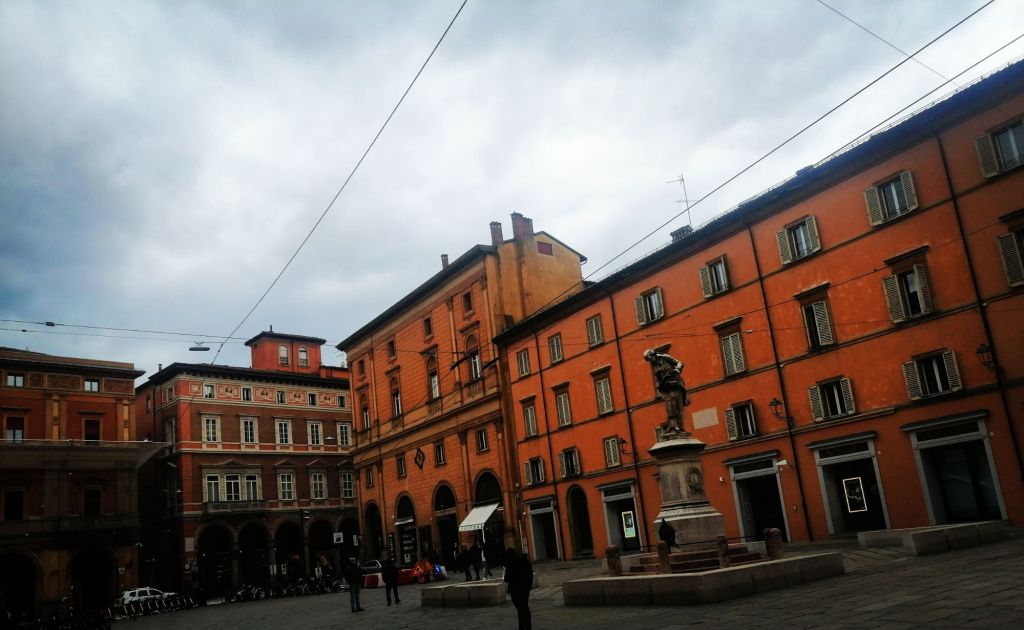
The city is definitely a bit rougher around the edges than other Italian cities I’ve visited but is probably more authentic and less touristy.  Bologna’s nickname amongst Italians is il Rosso (the red one).  Due to the colour of the buildings and the city’s history of left wing politics. In reality the city’s buildings are various shades of red, orange and deep yellow making it especially pretty in the evenings as the light begins to fall.

You’ll also find covered portico walkways all over the old city (40 km worth).  These were built from the medieval age onwards as a way of resolving the issue of accommodating all the students in the city.  The streets were already small and narrow and the town council didn’t want to use up any more valuable space.  So building owners could build up from the first floor and the street level was unaffected, as people could still pass below.  (Quick traveller tip, if visiting, research where you are staying.  I stayed on a street with 3 bars close by, all of which had outdoor seating. The bars here close at 3am, and the street scene afterwards can be “lively”.  My host left me a set of ear plugs which should have been my first clue).

There are plenty of different tours if you want to find out more about city’s history but if you’re a petrol head you can also book visits to the Ducatti and Lamborgini factories close by.  I got talking to a Dutch biker who had visited the Ducatti factory and he was quite misty eyed and super impressed by it.  There is even a police car Lamborgini donated by the factory.

Bologna is well worth a visit and has something for everyone.

Roast Shoulder of Venison with Miso Butter

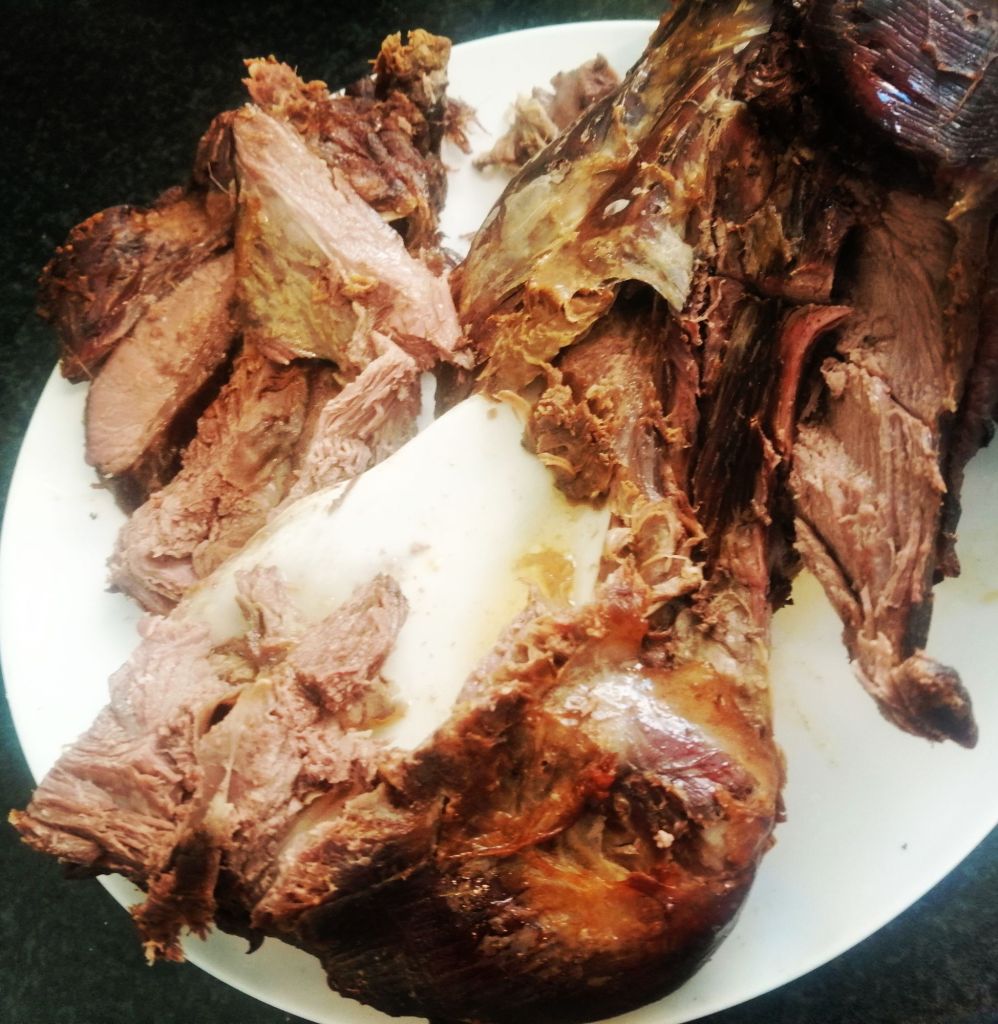
I’m lucky enough to have a friend who’s husband culls local deer.  She recently turned with a big of venison including a shoulder of venison (thank you Dermot and Bronagh). Apologies that the photos don’t do this justice, but we fell on this like a pack of animals and were too interested in feeding our faces with delicious roast meat to take decent photos.

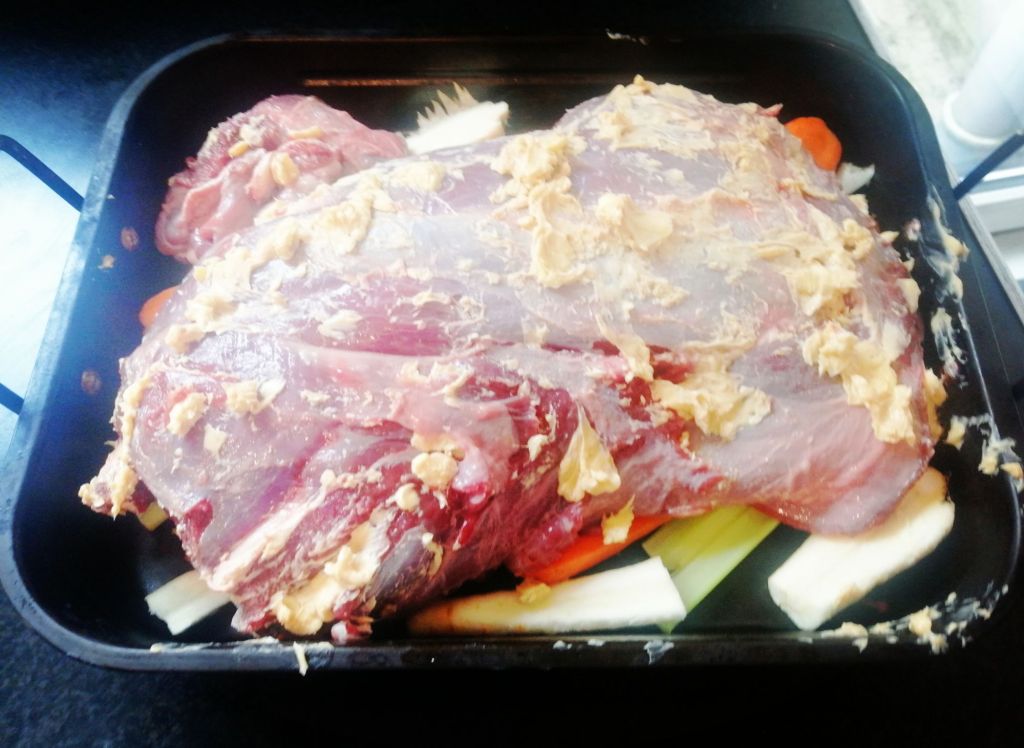
This was a bit of an experiment (I’ve never cooked with this cut before, but as its from a really muscular part of the animal so I knew to cook it long and slow, at least 4 hours, plus resting time). Because venison is so lean I wanted to keep it from drying out.  I did this by slathering it in miso butter (which tasted yummy but didn’t overwhelm the taste of the meat).

I served this as part of an Easter dinner with roast potatoes and vegetables, but you’ll have plenty of meat left over and it’s great in sandwiches, wraps etc.

Ingredients

2.5 Kg Shoulder of venison (including the bone

125 Grams Butter (softened)

1.5 Tbsp Miso paste

Carrots/celery/parsnips

1 Glass White wine (optional)

Method

  • Remove the venison from the fridge and allow to come to room temperature
  • Preheat your oven to 200 degrees (Celsius)
  • In a large roasting pan, cover the base with celery stalks, halved carrots or parsnips (this will act as a bed for meat to stop it sticking to bottom and will help flavour the meat juices.  I use old wonky vegetables that have hanging around the fridge, these won’t be eaten but are just to add flavour)
  • Mix the butter and miso paste together and rub all over the venison, making sure to get into all the nooks and crannies.
  • Set the venison on top of the bed of vegetables and add a class of white and a glass of water to the pan (or 2 glasses of water if you’re not using wine)
  • Cover the roasting dish tightly with aluminium foil and place in the oven
  • Cook at 200 degrees (Celsius) for 30 minutes before turning the heat down to 150 degrees for at 3.5 hours
  • After 2 hours remove the pan from the oven. Turn the meat over and baste with juices in the pan.  Cover again with foil and return to the oven
  • After 4 hours check on the meat, if it still feels a little tough, cook for another 20-30 minutes.  Remove from the oven and keep covered while the meat rests for at least 30-45 minutes (it’s important not to rush this part as it will help the meat stay tender).  Drain of the meat juices and use to make really delicious gravy, or spoon over any left over meat to help keep it moist

Sienna and the Chianti Region

If you’re staying in Florence it’s easy to arrange day trips to neighbouring cities like Sienna and Pisa, with stop offs to visit local wineries (do your research as these can vary in quality depending on what you’re looking for).

I opted for that visited Montereggianni, Sienna and San Giammano.

The medieval hill town of Montereggiani with its 14 towers was called the crown of Tuscany by Dante.  The town is tiny with currently only 40 inhabitants, but is worth a quick visit for its stunning views.

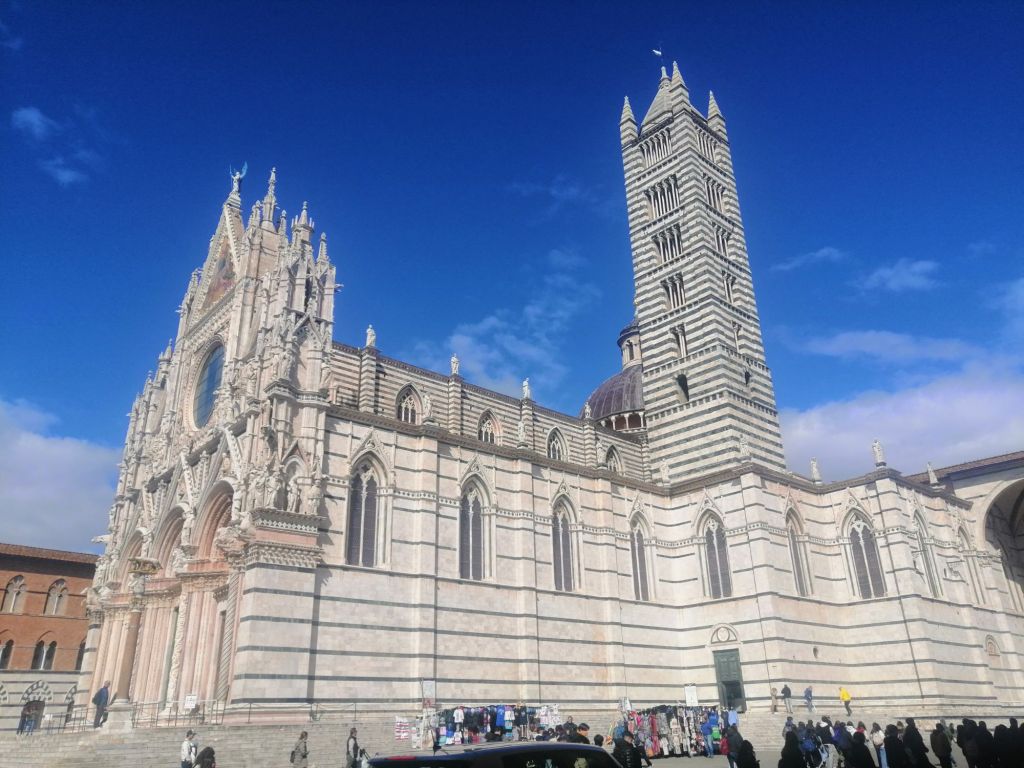
Sienna was Florence’s sworn enemy from the medieval period and like Florence has an abundance of history and beautiful architecture.  More hilly than Florence, the historic main square (site every summer of a super violent horse race dating back to the middle ages, jockies are still allowed to punch, whip and kick each other during the race). 

The gothic cathedral is also well worth a visit (entrance fee is €5) and is beautiful with its black and white striped columns, sumptuous paintings and library, displaying illuminated texts that are hundreds of years old, in a richly painted gothic hall.

(Quick Traveller Tip) Public bathrooms aren’t really a thing in Italy, so make sure to use the facilities if you stop in for a coffee or a meal.  If you do find a public bathroom you’ll probably have to pay to use, so always keep a couple of euro coins handy)

We moved on to visit San Giammano, a gorgeous hill fort that once boasted of having 77 towers (now there are only 12), built for defense but also to show off the wealth and status of prominent families.  The city boasts the world’s best gelateria, with saffron and pine nuts being their signature flavour (it was yummy).

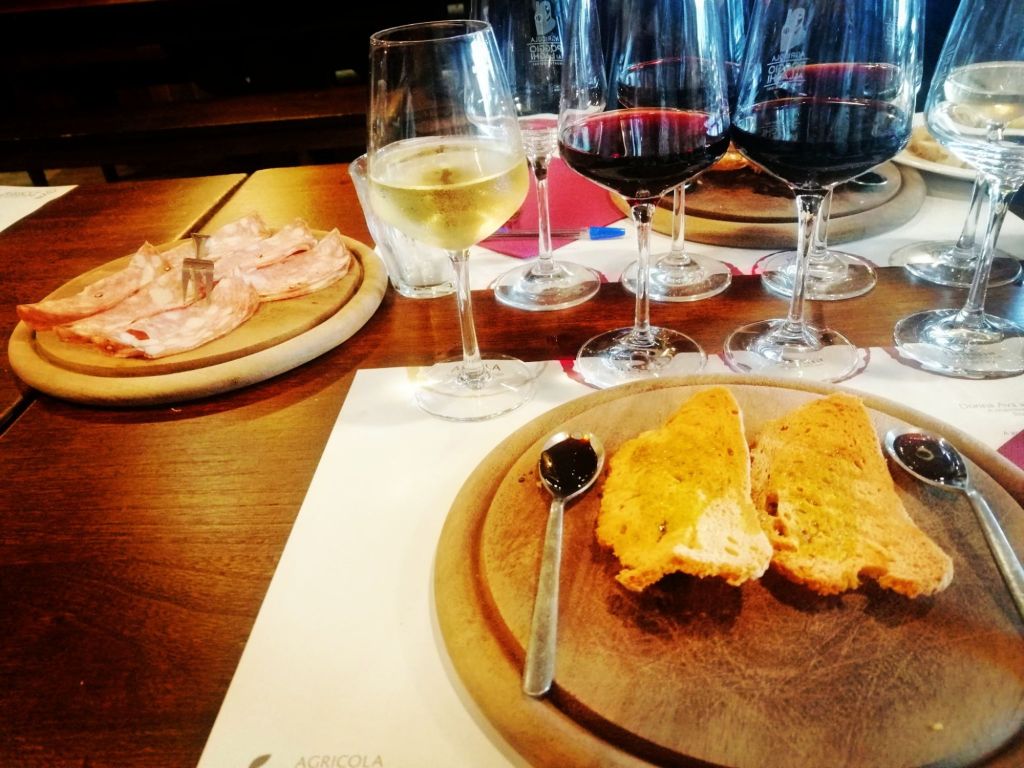
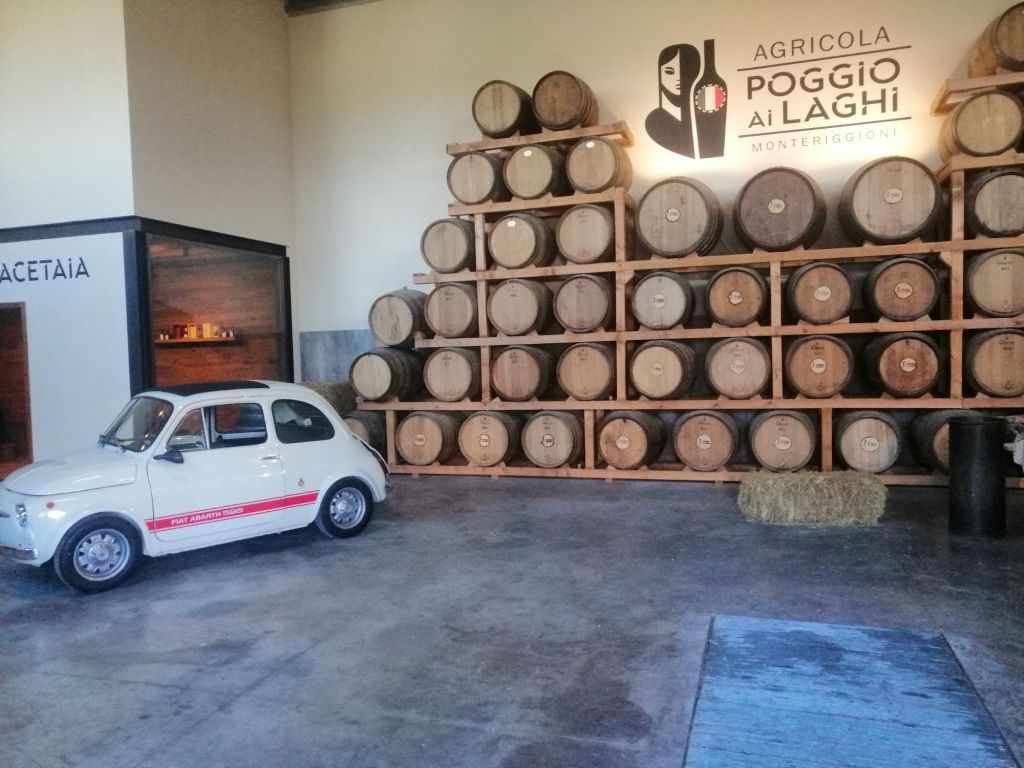
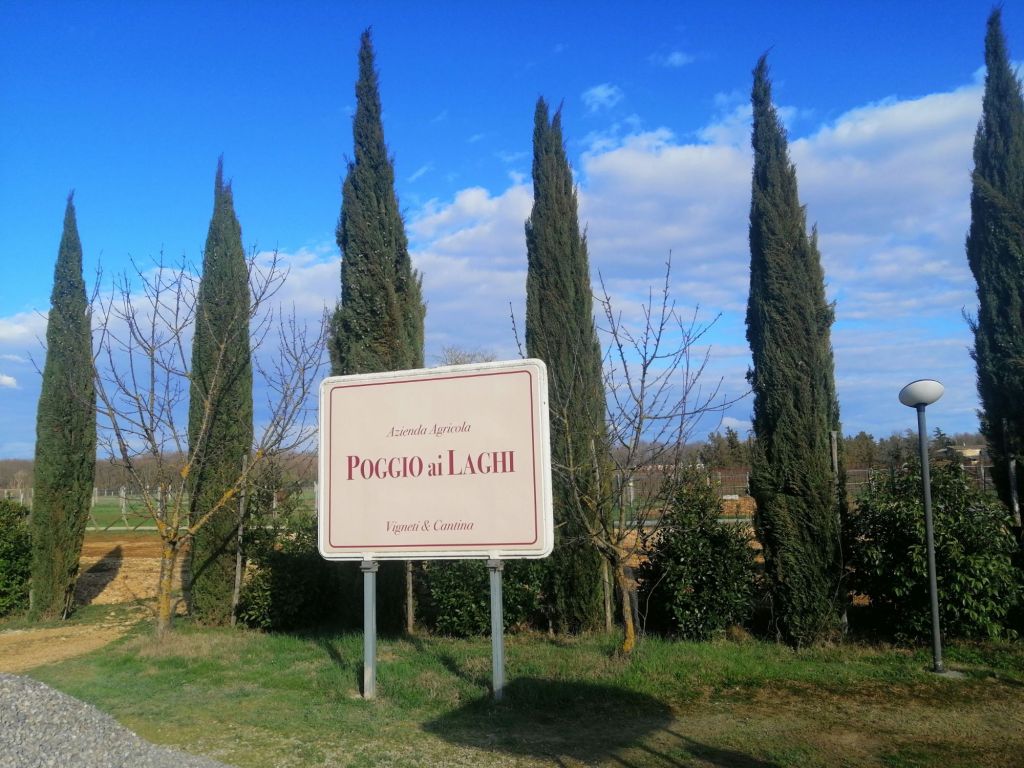
I also visited the Poggio ai Lachi winery, and learnt more about Italian wines (Chianti classico like champagne has to be from a specific region and can be recognised by a black rooster on the bottle).

I tasted several of their fabulous wines along with local specialities like balsamic vinegar and olive oils. The hosts were also great fun.  Like many of these places you’ll be encouraged to buy the products you try, but there wasn’t a hard sell which was cool.

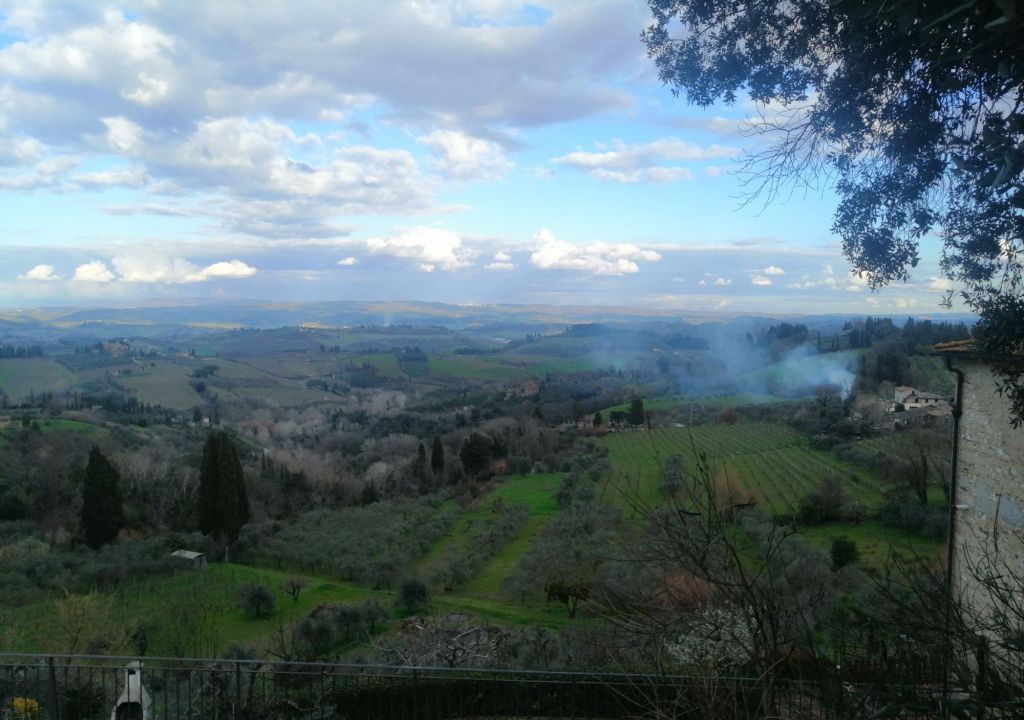
It’s hard not to fall in love with the romance of the Tuscan countryside.  My new life plan is to win the Euro millions lottery and retire to the region having bought a beautiful farm with an olive grove, vineyard and dog who’ll hunt truffles for me (just putting it out to the universe, (please and thank you).