Once you try homemade pesto, you’ll never eat the stuff in a jar again.
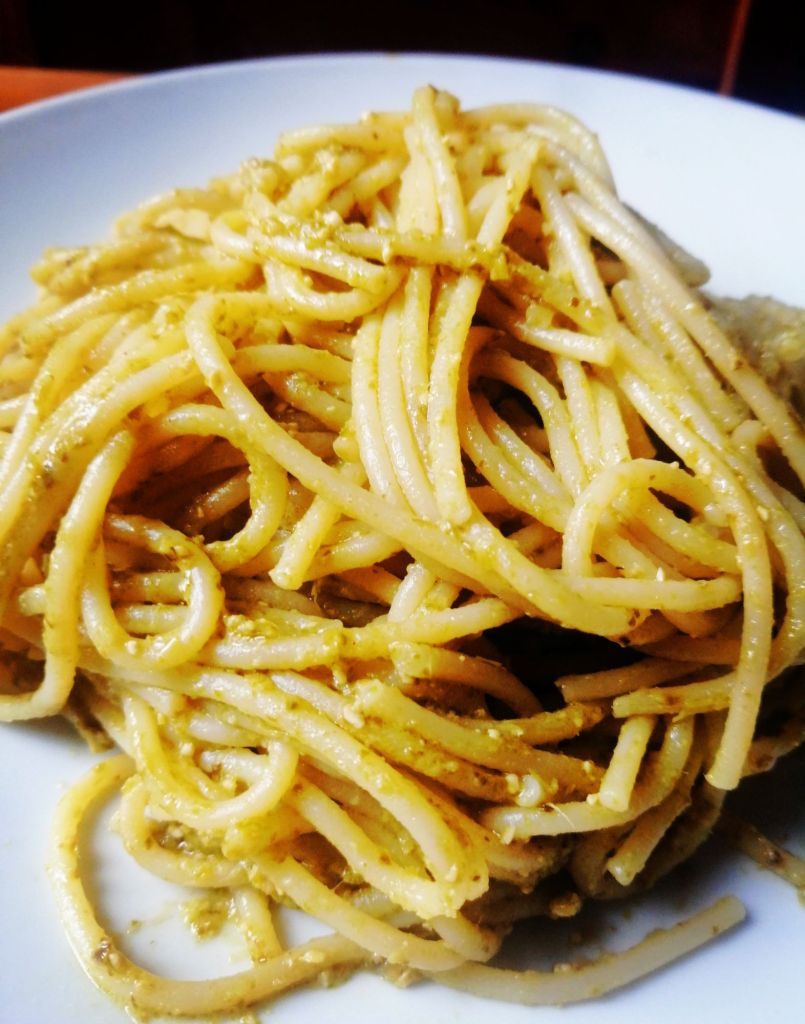
Most people have tried pesto with pasta, and it’s a classic for a reason plus it takes only 5-10 minutes to make. I use a food processer, but you can use a pestle and mortar if you want to go old school.
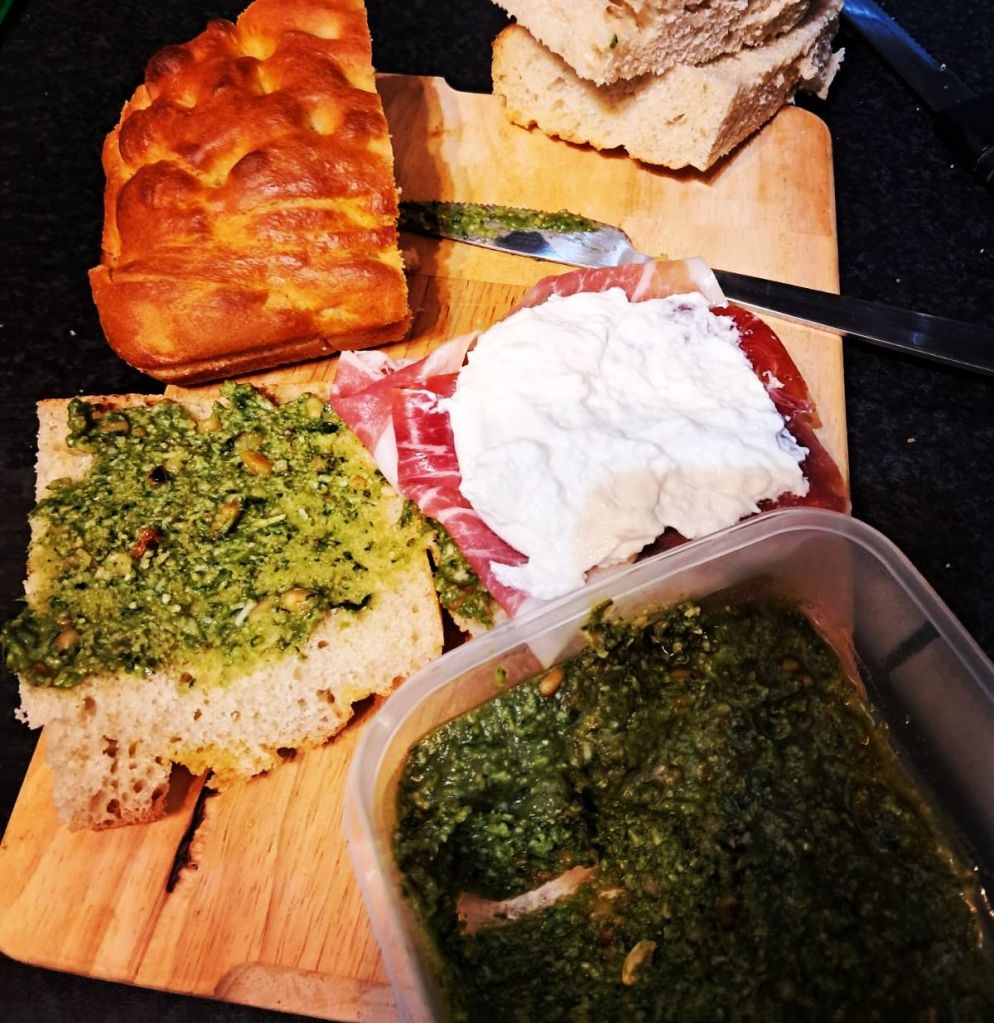
I love it in Italian sandwiches made with focaccia and filled prosciutto and buratta (you can use any combo and it will still taste amazing with the pesto).
Ingredients
100 Grams Pine nuts (or you can use blanched almonds if you can’t find them)
1 Large bunch of basil
50 Grams Parmasan or Granna (finely grated)
1-2 Cloves of garlic (peeled and roughly chopped)
100mil Olive oil (you may want to use more or less depending on how lose you want the pesto)
Method
In a dry pan, heat the pine nuts until the start to brown, remove from the pan and allow to cool
Add the pine nuts to a food processer and blitz a couple of times until the nuts have broken up
Add the rest of the ingredients (hold back half the oil) and blitz for a couple of seconds.
Check the consistency of the pesto, and continue to add the olive oil until you have reached the thickness you want (I like it quite thick and chunky but some people prefer a smoother pesto)
Use as a spread in sandwiches or as a pasta sauce. It will keep well in fridge for 2-3 days
About 30 minutes by train from Florence you’ll find Bologna (arguably the food capital of northern Italy).
Most of us have eaten spaghetti bolognese, and the locals are slightly aghast at our version. Firstly they use tagliatelle (never spaghetti), the sauce is more meat heavy, sometimes using a mix of pork and beef and only a small bit of tomato is used to make the sauce a more appealing colour.
What the locals are really obsessed with is tortolini in broth (compulsory at Christmas, with people putting their orders in to local pasta shops months in advance) and the larger tortoloni served with butter and sage and usually filled with the region’s famous cured meats like mortadella or salami.
The city offers various food tours and if you’re a foodie I’d highly recommend going on one. You’ll be able to taste some outstanding food and wine, visit great places and meet cool and interesting people. I’d recommend going hungry, as the samples are generous and I needed to go lie down after mine and was in a food coma for several hours.
The city’s history dates back to before the Romans, with the oldest university in Europe, in existence since the 11th century. It still has a huge student population and there’s no shortage of good affordable places to eat catering to them.
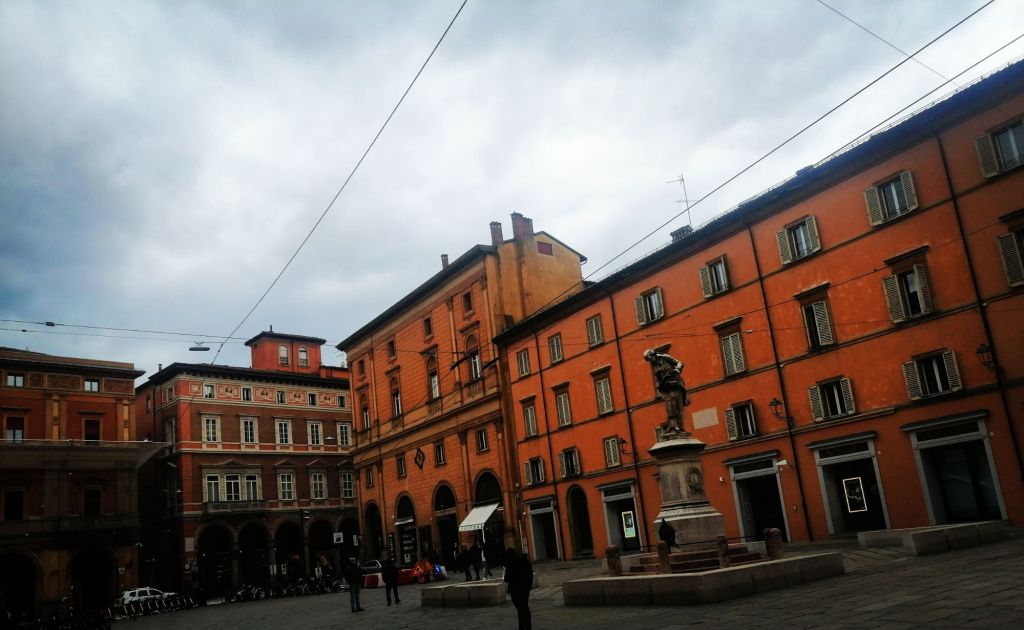
The city is definitely a bit rougher around the edges than other Italian cities I’ve visited but is probably more authentic and less touristy. Bologna’s nickname amongst Italians is il Rosso (the red one). Due to the colour of the buildings and the city’s history of left wing politics. In reality the city’s buildings are various shades of red, orange and deep yellow making it especially pretty in the evenings as the light begins to fall.
You’ll also find covered portico walkways all over the old city (40 km worth). These were built from the medieval age onwards as a way of resolving the issue of accommodating all the students in the city. The streets were already small and narrow and the town council didn’t want to use up any more valuable space. So building owners could build up from the first floor and the street level was unaffected, as people could still pass below. (Quick traveller tip, if visiting, research where you are staying. I stayed on a street with 3 bars close by, all of which had outdoor seating. The bars here close at 3am, and the street scene afterwards can be “lively”. My host left me a set of ear plugs which should have been my first clue).
There are plenty of different tours if you want to find out more about city’s history but if you’re a petrol head you can also book visits to the Ducatti and Lamborgini factories close by. I got talking to a Dutch biker who had visited the Ducatti factory and he was quite misty eyed and super impressed by it. There is even a police car Lamborgini donated by the factory.
Bologna is well worth a visit and has something for everyone.
I want you to keep an open mind. When I first heard of this stale bread soup I thought hell no!
However, I had it when I visited Italy and I’m now a total convert, it was one of the best dishes I tried. Like most popular Italian dishes, this is peasant food, and came about when servants would be given scraps that they would reboil into a soup. Ribollita is actually more like a stew and is extremely satisfying and the perfect comfort food. Each family has their own version, but the basic ingredients are a sofritto (this is a base of finely chopped carrots, celery and onion, I whizz mine in a food precessor when I can’t be bothered standing chopping). For the bread part, I used some stale ciabatta I had, other types of bread like French baguette would also work (not sure how ideal sliced white supermarket bread would be).
Italian Grannies save the rind of parmasan to flavour this, but I just added some of the grated cheese. If you want to make this a vegan dish you can swap this out for pine nuts. The beauty of this is that it is the original zero waste recipe. Basically you use what ever you have and it’s perfect for using up those left over bits in your fridge. You can also season with the flavours you like. The original version I tried had fennel seeds, for the version I made at home I used oregano because it’s what I had. Rosemary or basil would also work well, so feel free to experiment.
Serves 3-4
400 Mil Can Chopped tomatoes or pasatta
400 Mil Can Cannalini beans (set aside half the tin and mash with a fork, this will help mske the ribollita creamy, as with the other ingredients feel free to use whatever type of brand you have)
1/2 Tsp Chilli flakes
1 Tbsp Olive oil
1 Tbsp Tomato puree
100 Grams Stale bread (broken into 3-4cm chunks)
2 Handfuls shredded cabbage (I used savoy cabbage because this is what I had, but kale or cavelo nero also work well in this dish
This might be the most beautiful city I’ve ever visited and has been on my bucket list since I was a teenager.
The city is full of breathtaking architecture and history, with a total of 77 museums (all of which you’ll need to pay to visit) . The best and most well known is theq Uffizzi. (tickets will cost €29 to book in advance, and you can get a combination ticket that will also allow you to visit the Pritti Palace and Bomboli gardens a short walk over the Ponte Vecchio).
A quick word of warning, even if you book your ticket online in advance you’ll need to queue to collect your physical ticket (no scanning QR codes) and then join another queue for entry. Also don’t bring a heavy coat (the gallery gets really warm even on a cool Spring day) the cloakroom ironically doesn’t accept coats or jackets but you can stash backpacks there.
The Birth of Venus
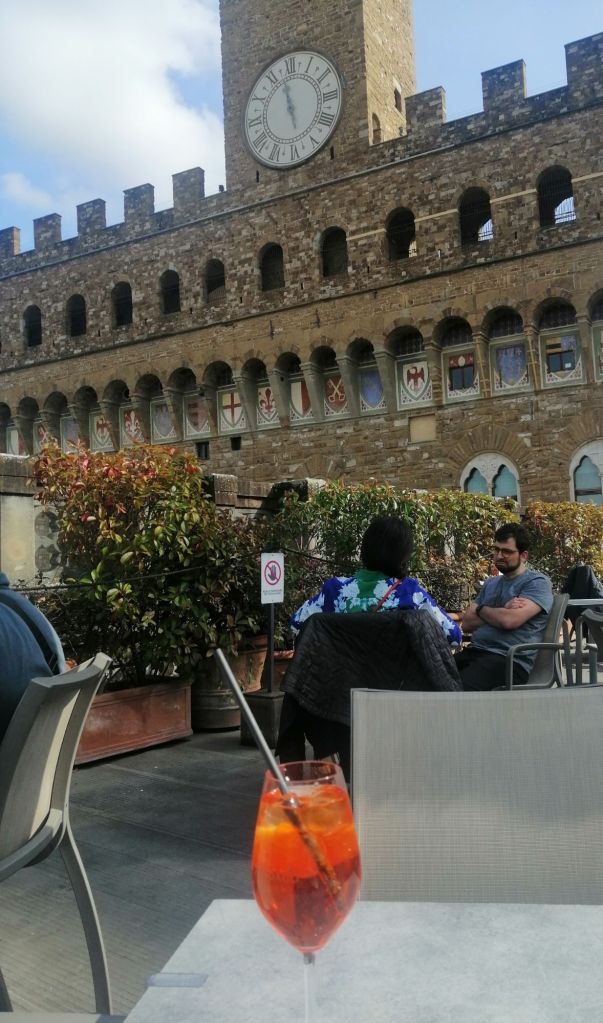
Once you get inside you’ll see arguably the best collection of Renaissance art in the world from Botticelli, Michael Angelo and Leonardo da Vinci among others. If you need a break from all this fabulousness the museum has a cafe that serves drinks, snacks and lunch and if you take a table on the terrace you get an amazing view of the Palazzo Vecchio while enjoying your Aperol Spritz, with prices that are compatible with the surrounding bars and restaurants.
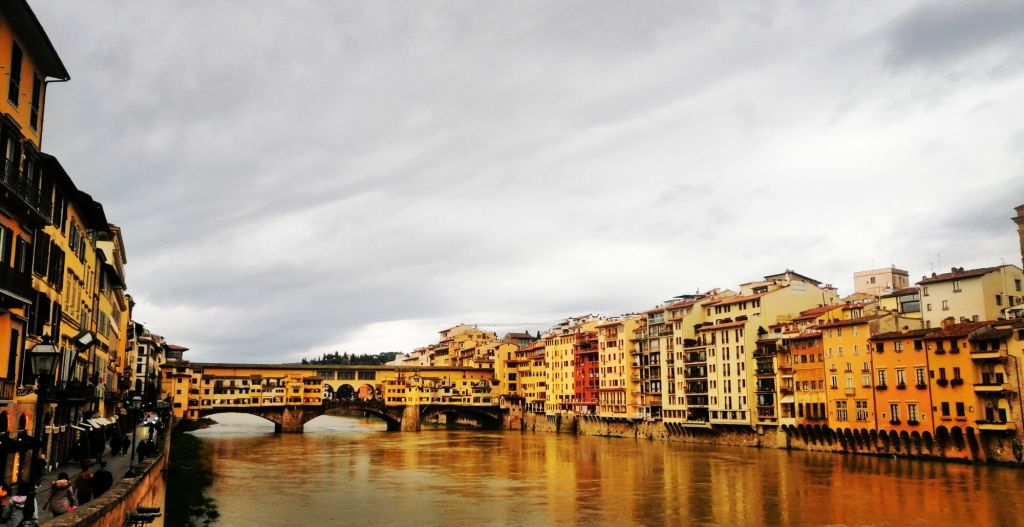
When you’ve finished with the Uffizi you can walk a short distance to the famous Ponte Vecchio lined with super expensive jewellers. On the other side of the river you’ll find the Pritti palace (home of Elanora Di Medici who believed the air was better in that side of the river).
Enjoy Negronis with the locals.
If you cross the river Arno at the bridge before the Ponte Vecchio you’ll find yourself in the Santo Spirito district which is still inhabited by locals (virtually everyone has been priced out of the historic areas). You’ll find authentic food, shops selling delicious mortadella, salami with fennel and great cheeses. As this is still a local neighbourhood it’s less touristy and prices in restaurants are about 25-30% cheaper than in the main tourist drags. You can try authentic dishes like gnudi (potato and ricotta dumplings) and ribolleta (a thick hearty soup, cooked to use up left over bread and vegetables which is incredibley tasty).
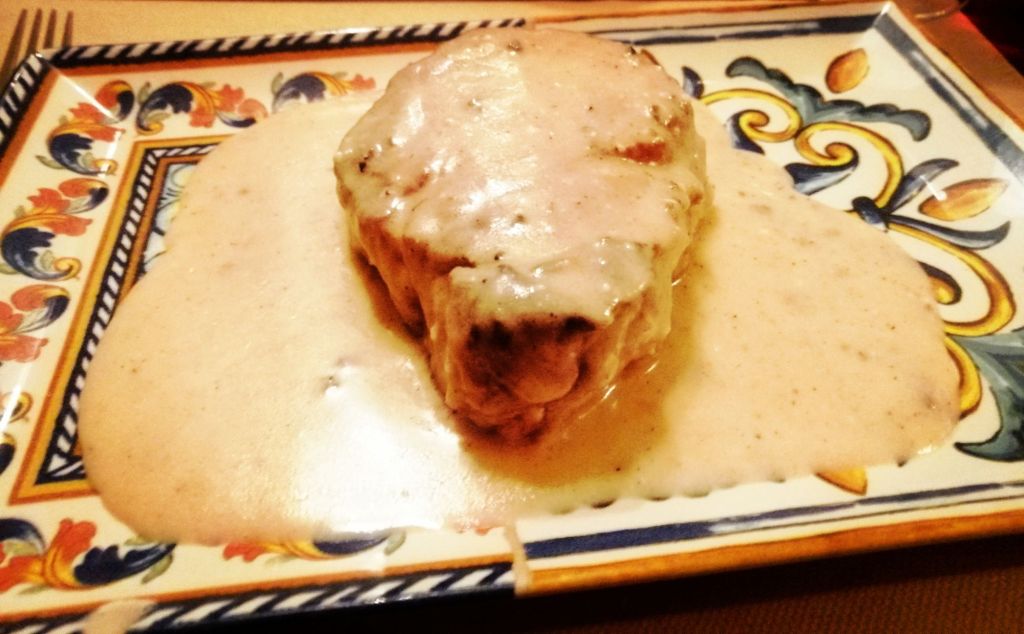
Food in Florence as you can imagine is amazing. The city is a meat lovers paradise with the most famous dish being steak, the traditional cut is split between 2 people and officially needs to weigh at least a kilo and according to locals should be least 4 fingers wide and is served rare (you might be asked to leave the restaurant if you ask for a well done steak). I had tried a regular steak served with a black truffle sauce (it was so good I think I may have left my body at one point) Wild boar stew cooked long and slow with red wine and lots of black pepper is also popular. You’ll find great pasta everywhere and one of my favourite things we’re the huge schiaccatia (flat Tuscan bread) sandwiches filled with the local cold cuts and cheese (don’t worry vegetarians won’t starve, you’ll find lots of tasty food, vegans may struggle a little).
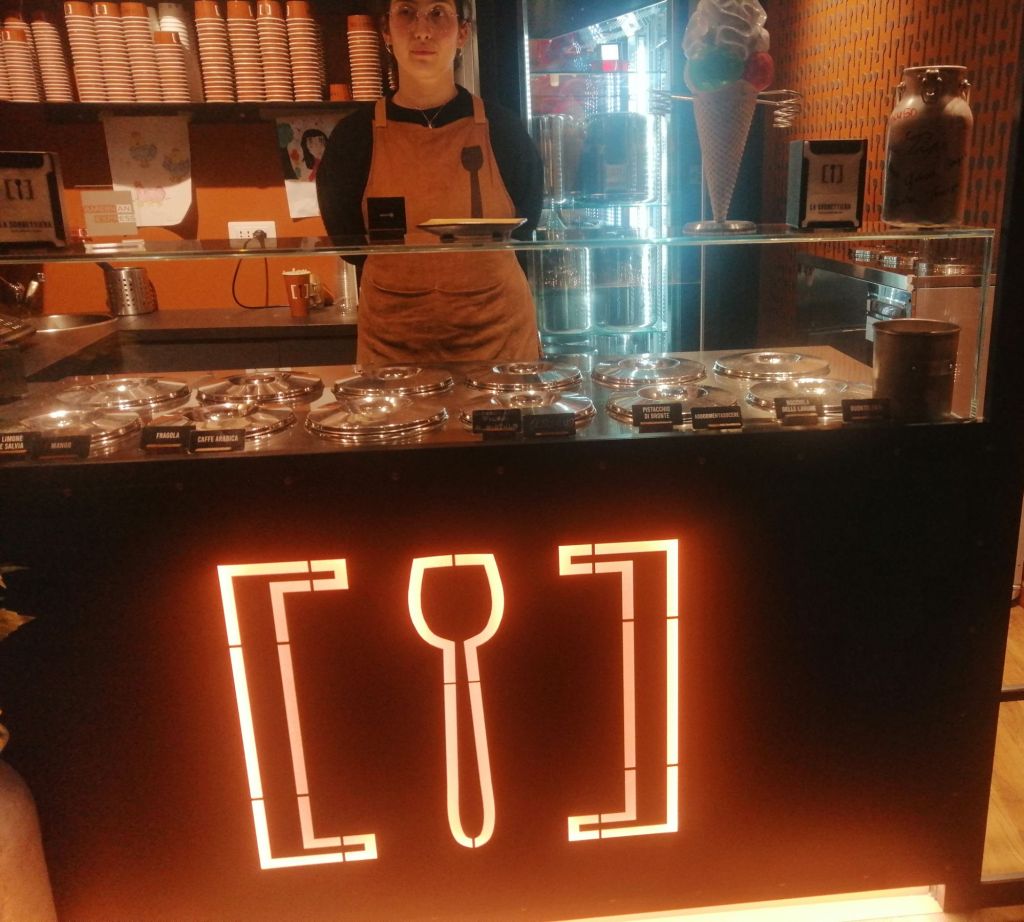
You’ll find gelato (Italian ice cream) everywhere, it was invented in Florence. Local foodies say to avoid brightly coloured gelato (articial colouring is a no no) and you should also try to avoid shops where the gelato is not covered.
If you feel like treating yourself to something luxurious Florence is famous for its gorgeous perfumeries where you can pre book an appointment and they will help you make your bespoke fragrance in beautiful shops full of original polished wood and apothecary cabinets . Leather goods are also really popular and the San Lorenzo market close to the Duomo is a good place to haggle with the stall holders for nice leather bags. There are also some super fancy cafes and restaurants if you feel like pushing the boat out (the fancy little cake below was €8 but was indescribably delicious).
One of my favourite things in Florence were the walking tours. Lots of companies offer “free” walking tours and simply ask that you tip the guide (usually a minimum of at least €10) and last between 2-3 hours . These guys are great and you’ll learn so much. Florence was founded by the Etruscans (pre Roman empire), but became famous mainly, due to the Medici family 5-6 hundred years ago.
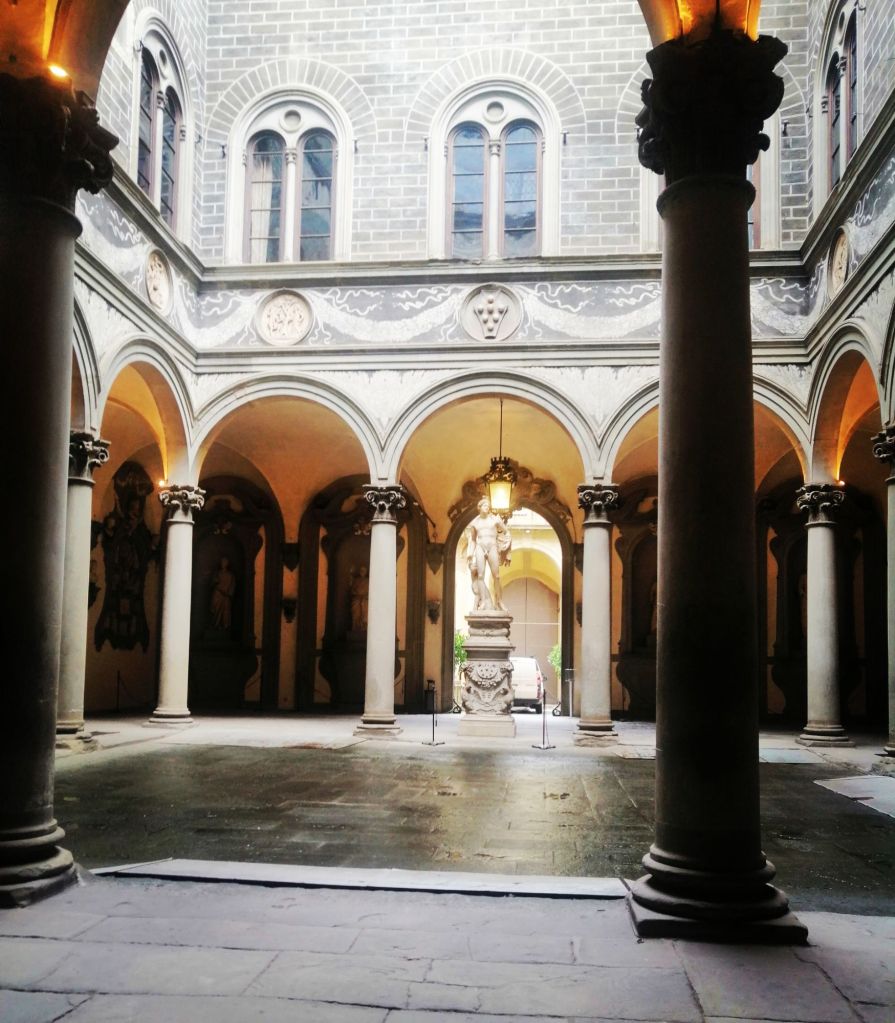
Medici Palace
If you’ve never heard of them try watching the series on Netflix. They were a ruthless banking dynasty that invented the mortgages and cheques. More interestingly they were probably the most important patrons of the arts in Italy, which kicked of the Renaissance along with other wealthy families. It was probably the equivalent of the rivalry between today’s billionaires sponsoring space travel (basically guys with too much money getting into d1ck measuring contests with each other and being afraid of being forgotten after they die like the rest of us). The Medici history is fascinating, full of betrayal, vandettas, intrigue and double crossing. But hey we got lots of stunning art and architecture out of it so it wasn’t all bad.
I’m sad to be leaving Florence and will definitely come back. It’s an incredible city but very busy, so if possible avoid visiting during the Summer when the crowds and heat are meant be unbearable. (Quick traveller tip, if you’re staying in the historic part of the city many of the hotels aren’t based on street level which can make them hard to spot. You’ll also pay a premium for modern luxuries like elavators, air conditioning and en suite bathrooms. But it’s worth foregoing these if you want to stay in a great central location at an affordable price). I stayed in the Hotel Bavaria, which still had beautiful frescoes on the the outside of the building and a now defunct wine window (if you’ve watched Stanley Tucci’s Italian food adventure you’ll see more about these, they were used during times of epidemics to avoid contamination (if they’re good enough for the Tooch, they’re good enough for me).
I was lucky enough to have a short stop over in Milan. Unfortunately due to the weather and a scheduling snafu, my original plan of taking a day trip Lake Como didn’t happen. But when things don’t work out as planned go to plan B.
It turned out to be a great plan B. While I’m a bit of a history nerd, I’m also a confirmed caffeine fiend, so when I saw a tour combining both I was sold. Maria our guide not only took us around the interesting historical areas of the city like the cathedral, royal palace, the Galleria Vittorio Emanuele ll, La Scala opera house and the trendy Brera district, she interspersed these with stop offs for coffee in interesting coffee spots serving different styles of coffee (coffee is a big thing in Milan).
(Quick traveller tip, museums in Milan are free on the first Sunday of the month, but expect long lines). Leonardo Da Vini also moved to Milan when he was 30 and you can visit different museums to see his work. You can also try to book to view his Last Supper but this can be booked up months in advance so be prepared. If you feel like even more culture you can don your glad rags and visit the world famous La Scala opera house. Performances can book out months in advance as well but you can try your luck and visit the box office at 1.30pm to see if any tickets are available. You might be able to get a seat (with obstructed view) for €10. It was a great way to get a feel for the vibe of the city and not just haul around historic buildings.
Remember to pace yourself, I went all in and was pretty wired afterwards as I wasn’t used to having so many espressos in one morning (totally worth it though). I would definitely recommend doing this tour and you can find out more by visiting @cliotales on Instagram.
Milan is kind of like a European version of New York but with more history and better architecture. It’s famous not only as business and financial hub but as the fashion capital of Italy. The super elegant Galleria Vittorio Emanuele ll is right beside the Duomo and has gorgeous high end designer shops like Prada and Dior (many of these you have to visit by appointment, to keep the tourist riff-raff like myself out). If you feel the need for some refreshment you can visit the Camparinella bar just inside the Galleria.
Milan is the birthplace of Campari, so when in Milan! A Campiri and soda will set you back about €8 if you stand at the beautiful art deco bar being served by well appointed barmen in crisp white jackets. You’ll pay a little more if you want to sit at a table. (Quick traveller tip, you may incur a small surcharge if you take a table in a cafe or bar in Italy) . Instead many Italians prefer to eat and drink at a counter. This is really common if you’re going out for breakfast, don’t expect bacon and eggs, as a common Italian version of breakfast is a quick coffee/cappuccino and pastry eaten standing at a counter.)
The are any number of great places to eat ranging from super filling sandwiches to grab and go, to very posh fine dining restaurants. Milan is famous for its risotto (risotto Milanese). This is bright yellow, and coloured with saffron (although apparently less scrupulous restaurants will use turmeric or yellow food colouring because it’s cheaper). I had it for lunch one day and to be honest, while I enjoyed it, I wasn’t blown away (maybe I didn’t get a great version) . Milan also has some amazing bakeries and I tried pistachio coffee for the first time (Italians love pistachios so much so, you can even them on pizzas), and that for me was my favourite taste of Milan.
Milan is pretty cheap to fly to, as a couple of different low cost airlines fly there. I flew into Milan Bergemo airport and the bus transfer to the city centre dropping off at the central station was €10. The city also has great public transport links with buses, trams and metro service. €2.20 will get you to most parts of the city and is valid for 90 minutes. Day cards and multiple day passes are also very reasonably priced. If you’re not staying Milan for a long time I’d suggest staying by the central station. It also has metro stops and it’s a good base for seeing the city and the next leg of your trip. It also has an amazing food court (go to the mercato side of the station). You can get coffee and a pastry or select from pizza, sandwiches, aranccini, sushi or steak all while having a beer while waiting your train.













 Seaneen's Sunnyside Kitchen