Black Olive and Chilli Focaccia

I made this as I needed to rage bake as I was totally pissed off.  Belfast has had far right knuckle draggers riot over the weekend and destroyed businesses owned by people who immigrated here for no other reason than the colour of their skin.  For the record, if you don’t know Belfast this is a tiny minority of fuckwits (many of whom had travelled here to start shit) and while these morons were destroying people’s livelihoods we also had the Feile (brilliant festival) with 10,000 people partying happily at an 80s-90s concert where everyone was welcome.

So at the weekends when you have a little bit more free time, make this and it takes time to prove while you get on with all those mundane tasks that steal your free time (yes laundry, I’m giving you serious side eye).  But hey, at least you have delicious freshly baked focaccia at the end of it all).

Ingredients

500 Grams Strong white flour

7 Grams Dried yeast

1 Tsp Salt

300-400 Mil Luke warm water

100 Grams Black Olives (well drained if in brine)

1 Large chilli pepper (sliced in 1/2 cm slices)

4-5 Tbsp Olive oil

Method

  • 1. Mix your yeast with 300ml of luke warm water and set to one side while you measure out the flour and add it to a large bowl
  • 2. Add a teaspoon of salt to one side of the (this will stop it coming into direct contact with the yeast and killing it). Make a well in the centre of the flour, add two tablespoons of olive oil and the water and yeast mix.
  • 3. Mix well, you may need to add more water, your dough should be quite soft and sticky, but not super wet
  • 4. Turn your dough onto a floured surface and knead for 5-10 minutes. If you have a mixer with a dough hook you can also use this, but I enjoy kneading the bread
  • 5. Clean the bowl you were using, (I always give the bowl a quick wipe with a little oil to stop your dough sticking). Put your dough back in the bowl and cover with a tea towel and prove for one hour
  • 6. Grease an 8 x 12 inch tin with some olive oil and transfer the dough from the bowl to the tin. Stretch the dough out to fill the tin. Cover with a tea towel again and prove for 45 minutes
  • 7. Pre-heat your oven to 220 degree (Celsius). Remove the tea towel from your baking tin, and with your finger tips press little dimples into the dough. Gently press the olives and chilli slices into the dough
  • 8. Sprinkle 2 tablespoons of olive oil across the top of the dough.
  • 9. Bake for 20 minutes, until golden brown. Allow to cool in the tin for 10-15 minutes
Classic Pesto

Once you try homemade pesto, you’ll never eat the stuff in a jar again.

Most people have tried pesto with pasta, and it’s a classic for a reason plus it takes only 5-10 minutes to make.  I use a food processer, but you can use a pestle and mortar if you want to go old school.

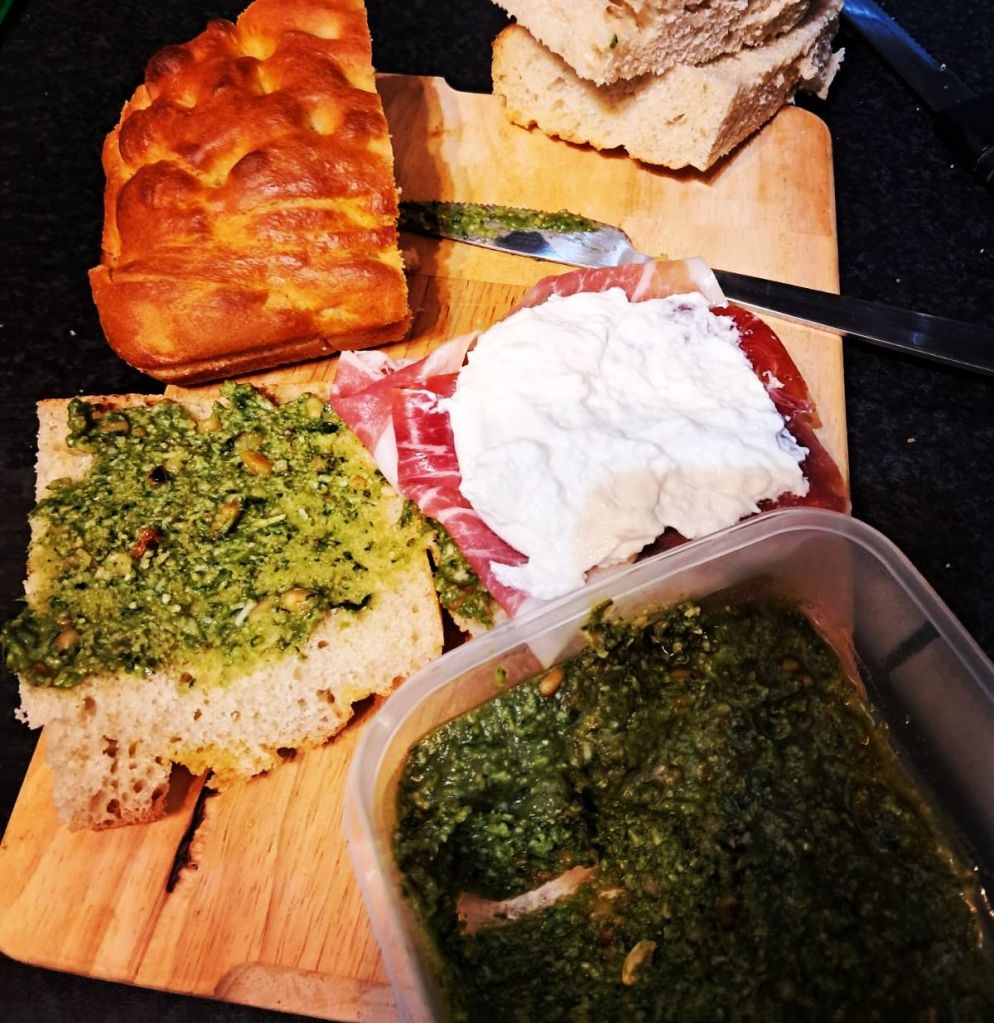
I love it in Italian sandwiches made with focaccia and filled prosciutto and buratta (you can use any combo and it will still taste amazing with the pesto).

Ingredients

100 Grams Pine nuts (or you can use blanched almonds if you can’t find them)

1 Large bunch of basil

50 Grams Parmasan or Granna (finely grated)

1-2 Cloves of garlic (peeled and roughly chopped)

100mil Olive oil (you may want to use more or less depending on how lose you want the pesto)

Method

  • In a dry pan, heat the pine nuts until the start to brown, remove from the pan and allow to cool
  • Add the pine nuts to a food processer and blitz a couple of times until the nuts have broken up
  • Add the rest of the ingredients (hold back half the oil) and blitz for a couple of seconds.
  • Check the consistency of the pesto, and continue to add the olive oil until you have reached the thickness you want (I like it quite thick and chunky but some people prefer a smoother pesto)
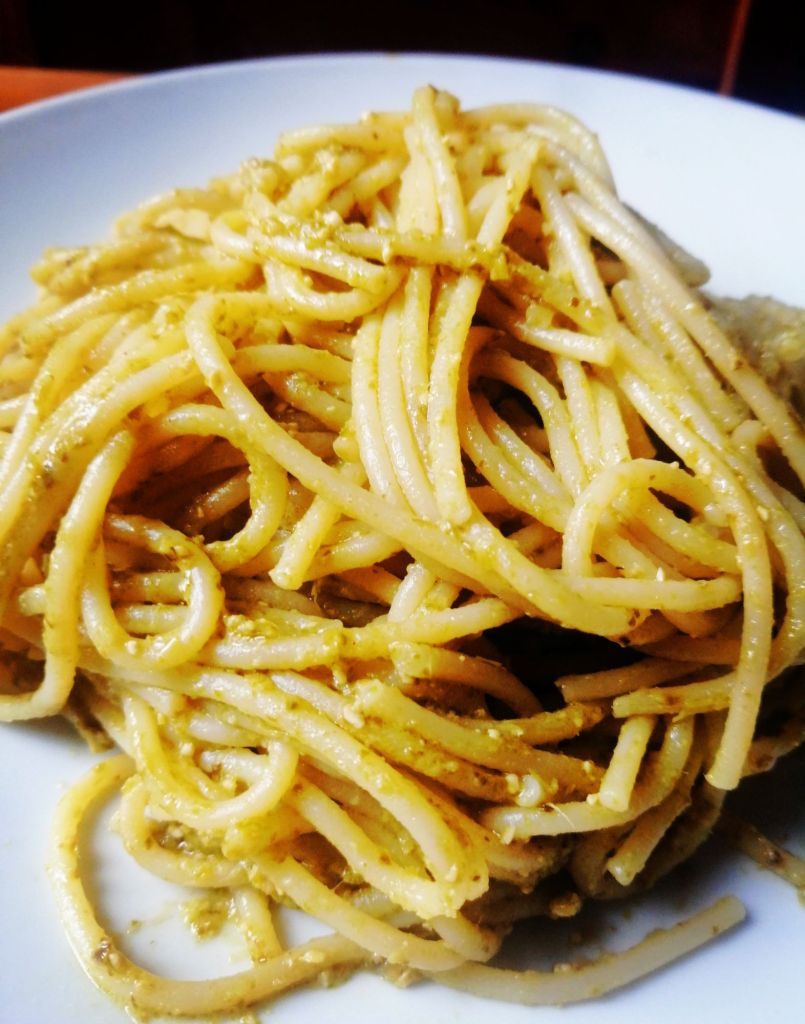
  • Use as a spread in sandwiches or as a pasta sauce.  It will keep well in fridge for 2-3 days

Ribollita

I want you to keep an open mind.  When I first heard of this stale bread soup I thought hell no!

However, I had it when I visited Italy and I’m now a total convert, it was one of the best dishes I tried.  Like most popular Italian dishes, this is peasant food, and came about when servants would be given scraps that they would reboil into a soup.  Ribollita is actually more like a stew and is extremely satisfying and the perfect comfort food.  Each family has their own version, but the basic ingredients are a sofritto (this is a base of finely chopped carrots, celery and onion, I whizz mine in a food precessor when I can’t be bothered standing chopping). For the bread part, I used some stale ciabatta I had, other types of bread like French baguette would also work (not sure how ideal sliced white supermarket bread would be).

Italian Grannies save the rind of parmasan to flavour this, but I just added some of the grated cheese. If you want to make this a vegan dish you can swap this out for pine nuts. The beauty of this is that it is the original zero waste recipe.  Basically you use what ever you have and it’s perfect for using up those left over bits in your fridge.  You can also season with the flavours you like.  The original version I tried had fennel seeds, for the version I made at home I used oregano because it’s what I had.  Rosemary or basil would also work well, so feel free to experiment.

Serves 3-4

400 Mil Can Chopped tomatoes or pasatta

400 Mil Can Cannalini beans (set aside half the tin and mash with a fork, this will help mske the ribollita creamy, as with the other ingredients feel free to use whatever type of brand you have)

1/2 Tsp Chilli flakes

1 Tbsp Olive oil

1 Tbsp Tomato puree

100 Grams Stale bread (broken into 3-4cm chunks)

2 Handfuls shredded cabbage (I used savoy cabbage because this is what I had, but kale or cavelo nero also work well in this dish

500 Mil Vegetable stock

2 Carrots (finely chopped)

2 Sticks of celery (finely chopped)

1 Onion (finely chopped)

2-3 Cloves of garlic (finely chopped)

25 Grams Grated Parmasan (plus extra for serving

1 Tbsp Chopped fresh oregano (or 1 Tsp dried herbs)

1 tablespoon of red wine vinegar (or a splash of red wine if you have a bottle open)

Method

  • Heat the oil in a large pot, and gently fry the onion, celery and carrot over a medium heat for 2-3 minutes
  • Add the cabbage and tomato puree and fry for a further couple of minutes
  • Add rest of the ingredients and simmer for another 15-20 minutes before checking the seasoning
  • Ladle into large bowls and sprinkle with some grated parmasan (or whichever cheese you have)

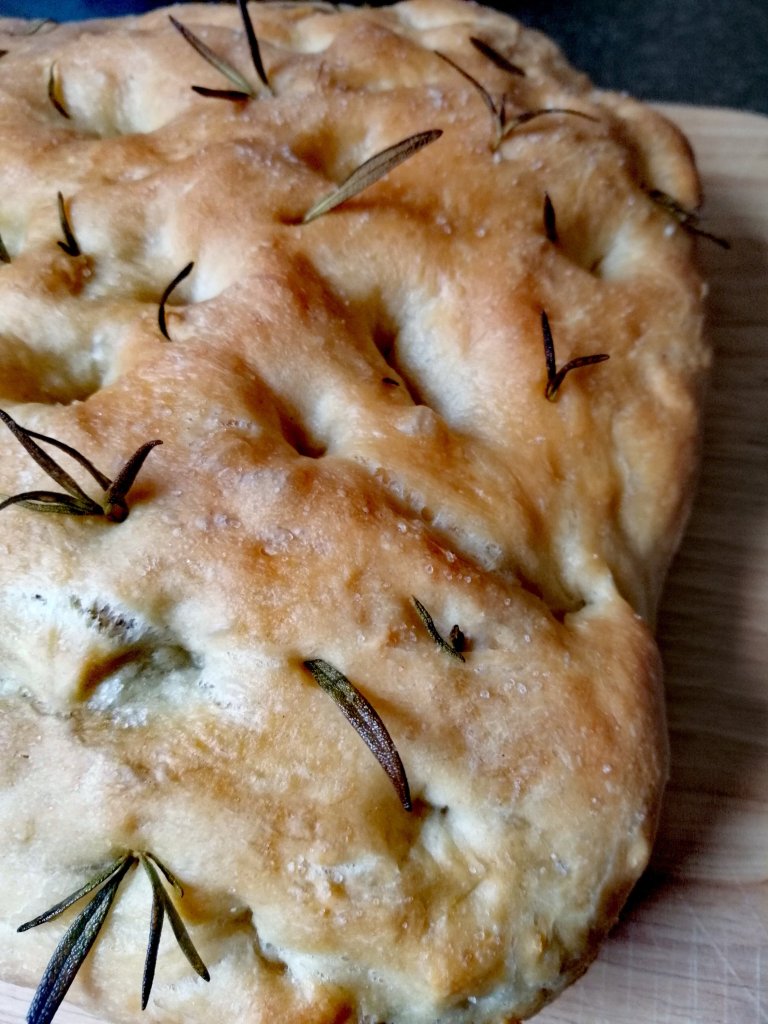
Homemade Rosemary Focaccia

Nothing smells better than freshly baked bread straight out of the oven. Making your own focaccia also costs about a third of the price of buying one from a fancy bakery or deli.

Like most people I don’t bake my own bread everyday. At the weekend when you have a little more time its nice to shake off the stresses of the week and kneading bread is a great way to work off any residual tension. Although this bread only needs 5 minutes kneading and you’re rewarded with amazingly tasty bread that can be sliced in half for sandwiches or is a delicious side dish served along side soups, stews, or pasta.

I’ve used a traditional salt and rosemary topping, but caramelised onion or olives are also brilliant alternatives. This also freezes really well.

Ready for the oven

Ingredients

500 Grams Strong white flour

7 Grams Dried yeast

1 Tsp Salt

300-400 Mil Luke warm water

4-5 Tbsp Olive oil

2-3 Sprigs Rosemary

Method

  • 1. Mix your yeast with 300ml of luke warm water and set to one side while you measure out the flour and add it to a large bowl
  • 2. Add a teaspoon of salt to one side of the (this will stop it coming into direct contact with the yeast and killing it). Make a well in the centre of the flour, add two tablespoons of olive oil and the water and yeast mix.
  • 3. Mix well, you may need to add more water, your dough should be quite soft and sticky, but not super wet
  • 4. Turn your dough onto a floured surface and knead for 5-10 minutes (or until the urge to punch someone has passed, if I haven’t mentioned it before I sometimes “rage bake”)
  • 5. Clean the bowl you were using, (I always give the bowl a quick wipe with a little oil to stop your dough sticking). Put your dough back in the bowl and cover with a tea towel and prove for one hour
  • 6. Grease an 8 x 12 inch tin with some olive oil and transfer the dough from the bowl to the tin. Stretch the dough out to fill the tin. Cover with a tea towel again and prove for 45 minutes
  • 7. Pre-heat your oven to 220 degree (Celsius). Remove the tea towel from your baking tin, and with your finger tips press little dimples into the dough
  • 8. Sprinkle 2 tablespoons of olive oil across the top of the dough. Pluck leaves of rosemary and poke them into the dough (it will just sit on top and then fall off if you don’t). Sprinkle a teaspoon is salt across the top of the dough (sea salt is best if you have it, but just use a little less ordinary salt if you don’t)
  • 9. Bake for 20 minutes, until golden brown. Allow to cool in the tin for 10-15 minutes
Almondina

After Christmas many of us want a break from big heavy sit down dinners. With cheese and grazing boards becoming popular, almondina are the perfect addition to lend some interest if you’re bored of crackers.

This is also a great recipe to use up any left over nuts or dried fruit. I actually think it’s better to have mix of fruit and nuts.

Ingredients

175 Grams Nuts (I used a mix of almonds, walnuts and pecans, but any mixture will work)

125 Grams Plain flour

25 Grams Brown sugar

125 Grams Dried fruit (I used roughly chopped apricots and dates, if you are using smaller fruit like raisins or sultanas, keep an eye in them during the second bake as they can catch quickly)

1/4 Tsp Baking soda (bicarbonate of soda)

1/2 Tsp Salt

175Ml Milk

Method

  1. Pre-heat your oven to 180 degrees (Celsius). Grease a loaf pan
  2. Add all the dry ingredients to a large bowl and combine
  3. Stir in the milk with a wooden spoon and when thoroughly mixed transfer to the loaf tin and bake for 60 minutes
  4. Remove from the oven and allow to cool
  5. Wrap in cling film and freeze for 1 hour. This will help you slice the almondina thinly. Do not freeze for longer than this
  6. Pre-heat your oven to 200 degrees (Celsius) and line a baking sheet with parchment
  7. Take the almondina out of the freezer and remove the cling film
  8. With a bread knife, slice the loaf into 1/2 cm thick slices and place on the baking sheet for 12-15 mins (until they brown around the edges), before cooling on a wire wrack
  9. These will last in an airtight container for up to a week