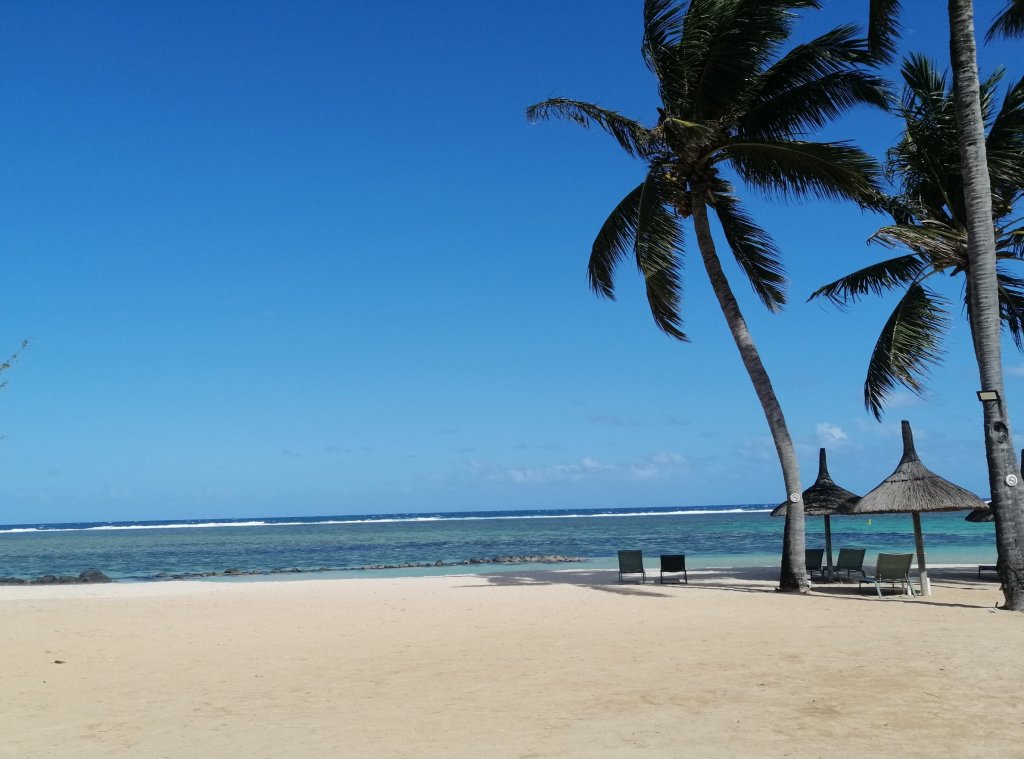
Outrigger Resort, Bel Ombre, Mauritius

Due to an unusual piece of luck I was fortunate enough to stay in the Outrigger Resort in Bel Ombre, in the south western coast of Mauritius.
I’m usually a city break type of person, but if all resorts could be as heavenly as this place then I’m a convert.
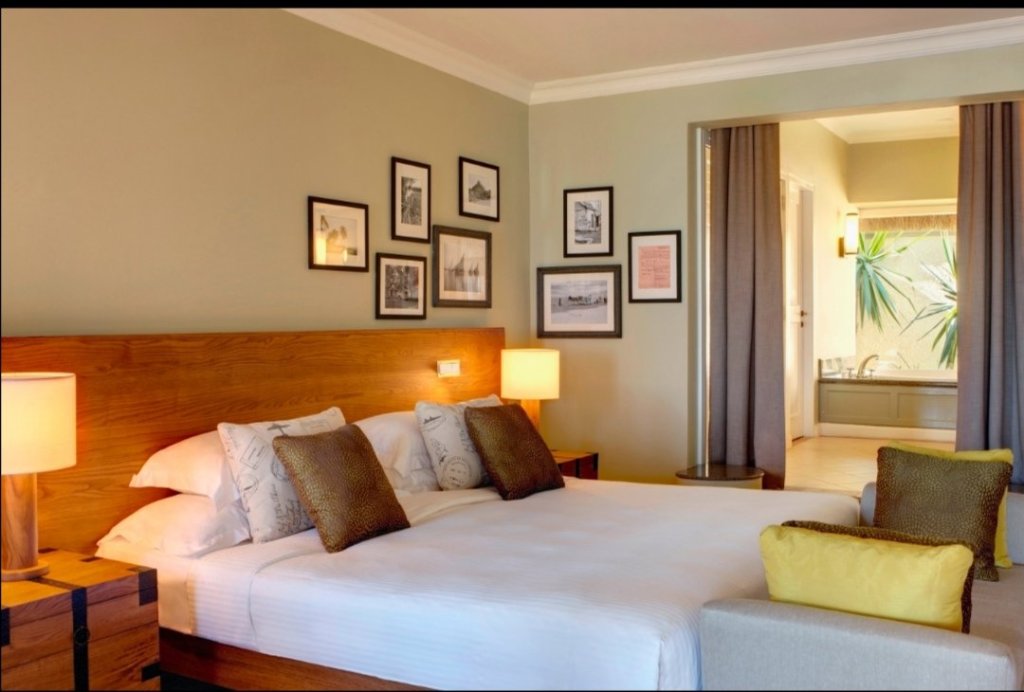
The resort has large airy bedrooms, with luxurious bathrooms and dressing area (we had the largest bathtub I’ve ever seen). A well stocked mini bar and complementary snacks and fancy coffee machine make sure you want for nothing while in your room.
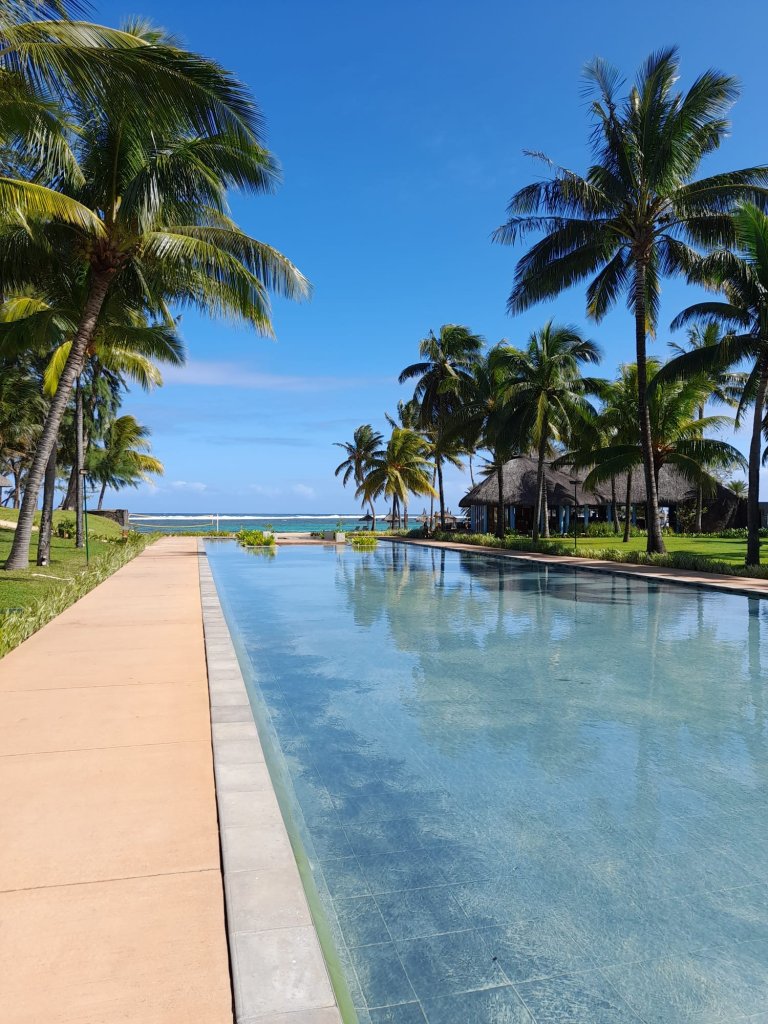
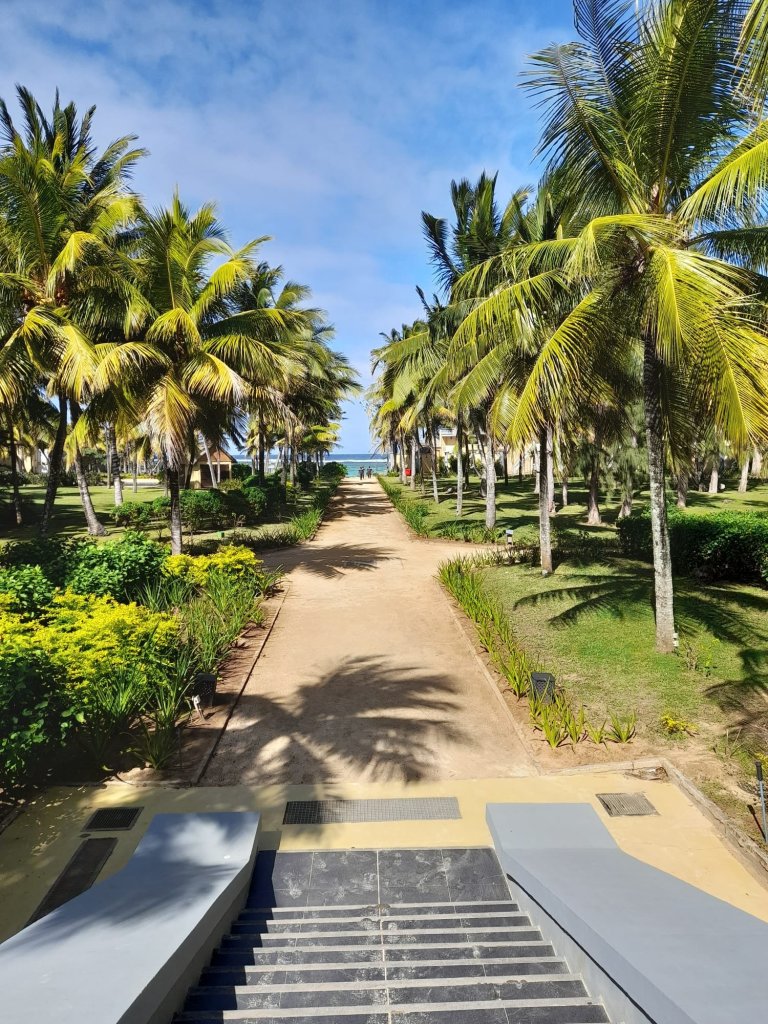
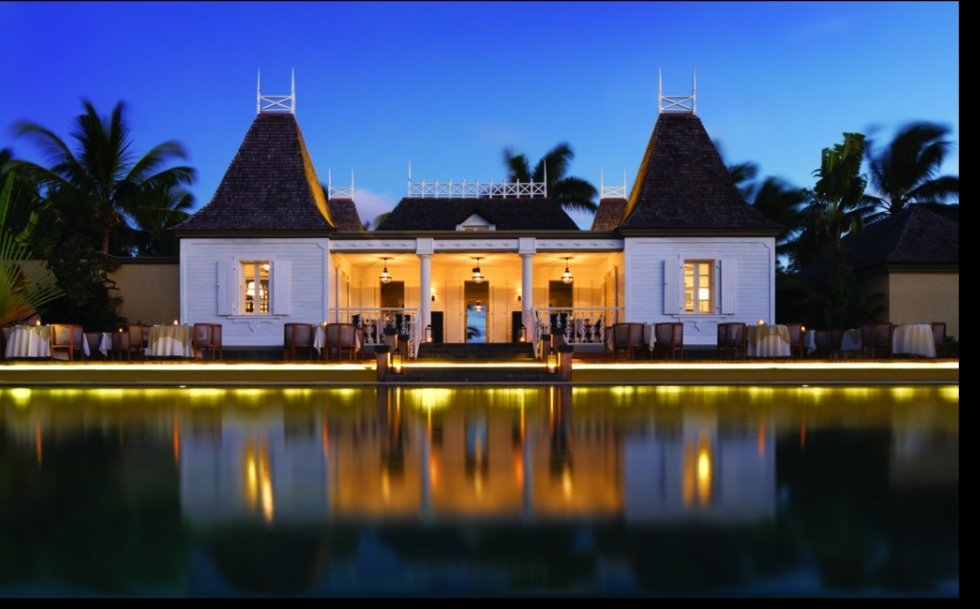
Accommodation either has views of the lush tropical gardens with banyan, and frangipani trees, as well as coconut and date palms throughout, or ocean views of the pristine lagoon with a coral reef about 100 yards from the beautiful sandy beach dotted with black volcanic rock. You can wander along the beach and watch the sea change from bright turquoise to dark lapiz blues as the sun moves throughout the day. (Top tip: aqua shoes are a good choice as the beach has lots of coral and can be uncomfortable to walk on in parts). The resort also has two large pools as well as a reflection pool for those who love an Instagram post. Although there isn’t a single view in the place that isn’t fabulous.

Beach walk at the Outrigger

I went in early July which is the Mauritian winter, but it was still in the mid 20s (Celsius) everyday and was very pleasant. If you prefer it really hot then from August onwards is the time to go.

Other visitors were made up of a fairly cosmopolitan mix of European, Indian and Middle Eastern and this is reflected in the food offered.

Reflection pool and the Mercado

There are several eating areas. The Mercado serves breakfast and dinner and served international buffet style food. Breakfast in the morning ranges from curries, a large selection of topical fruits and juices, omelette stations, cereals, cooked items and french breads and patisserie. For dinner there is a theme of a different country’s cuisine each evening (Mauritian night was my favourite, but all the food was excellent). There are always plenty of options for children, vegans and halal diners.

Sea urchins for the more adventurous eaters at Mauritian night at the Mercado.

If you prefer a la carte dining the Edge Water restaurant is right on the beach, and Le Bleu is a beach front bar serving freshly made pizzas and panninis and is a good call for lunch. There are also plenty of sun loungers and comfortable seating areas along the beach and pools.

Enjoying a mocktail at Le Bleu
The Plantation Club

We had one afternoon with rain, and the ever helpful staff (thank you Sephora) arranged for me to be taught some Mauritian dishes with the very lovely Chef Matthieu. He is a great teacher, and showed me how to make apple chutney, yam fritters, Mauritian chicken curry and roti (flat bread). His enthusiasm and passion for his local cuisine really shone through, and to paraphrase Julia Childs, “people who love food are always the best people”

Chef Matthieu

The Plantation Club provides a fine dining option offering old world luxury. You can opt to visit for afternoon tea or to dine a la carte. However, my suggestion would be to try one of their tasting menu evenings. We opted for lobster night, and having met Chef Matthieu the day before we knew we would be in for a treat. He is passionate about fusion cooking, and because Mauritius is such a melting pot who’s population is a mix of Portuguese, Indian, Chinese, African and French heritage, the range of flavours in Mauritian food is something else.

Everything on the menu was delicious but my two stand out dishes were the makki roll and lobster with arbarica sauce (coffee sauce with lobster might sound really strange but it was so well balanced, it was like nothing I’ve ever tasted).
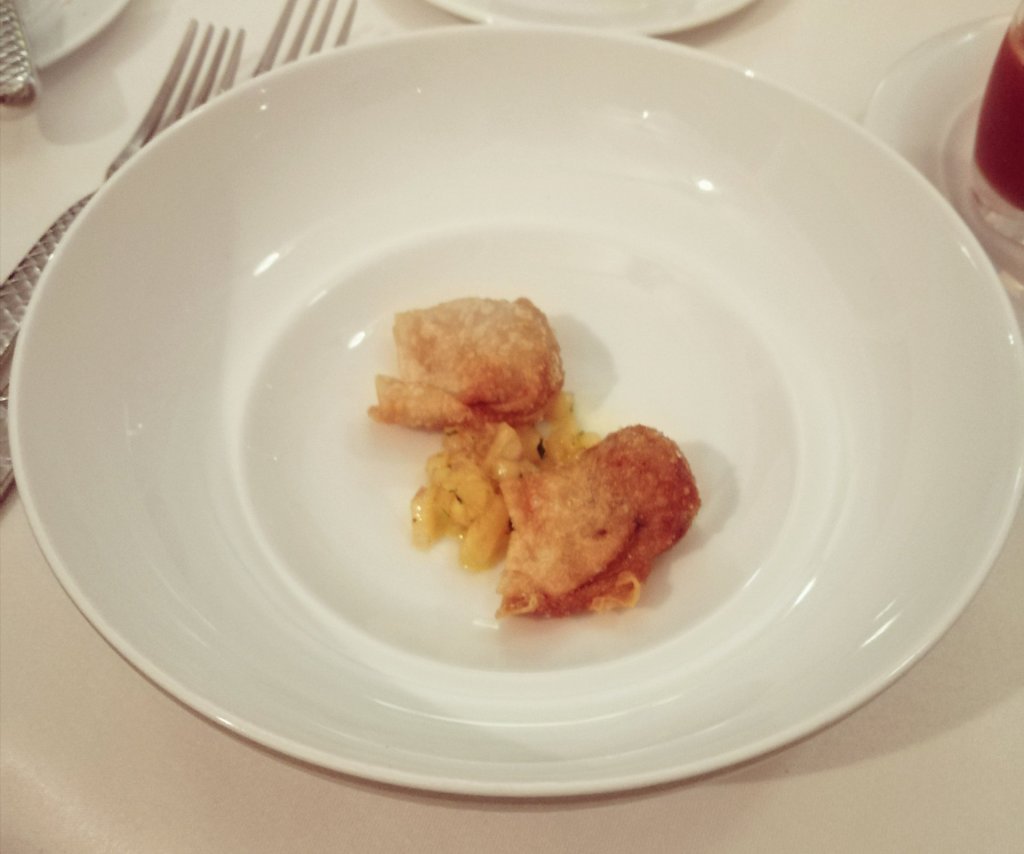
Lobster wonton with mango and tamarind dipping sauce.
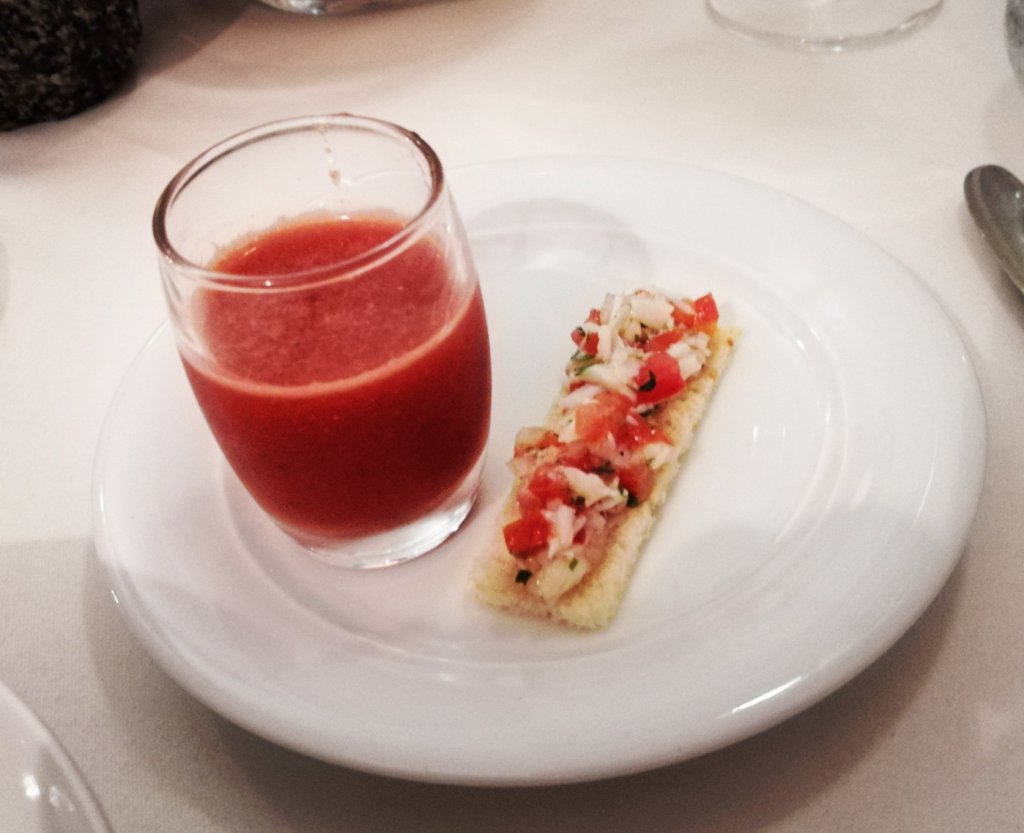
Water melon and tomato gazpacho with lobster crostini.
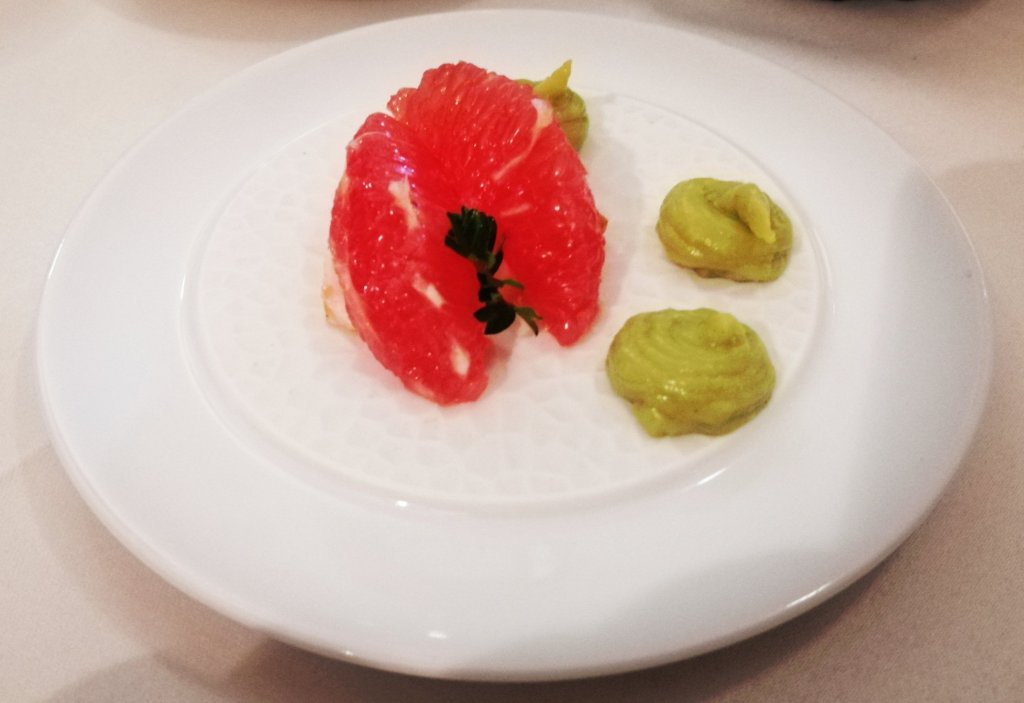
Citrus, avocado and lobster salad.
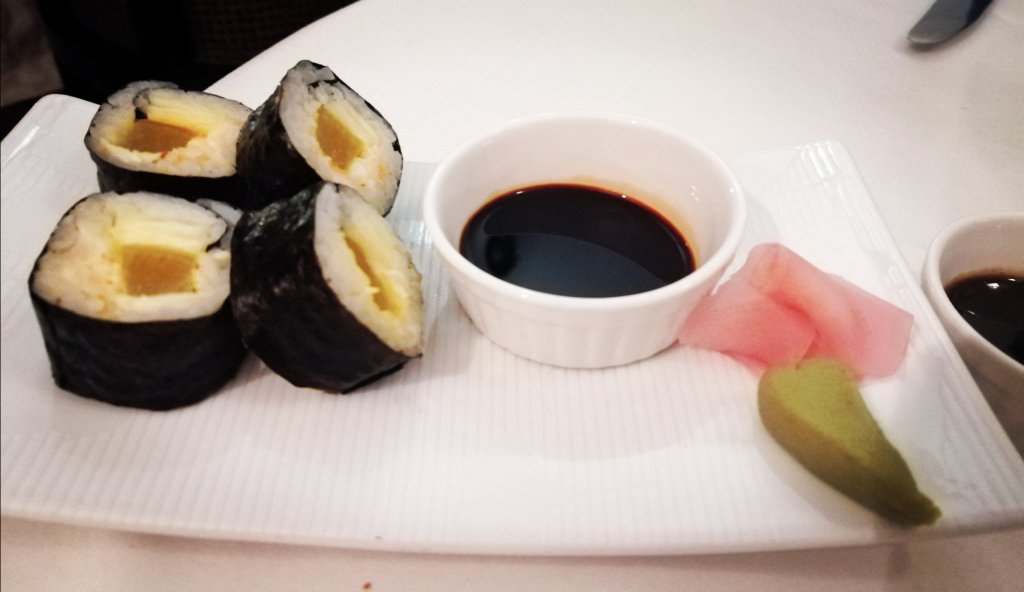
Lobster makki rolls
Lobster 3 ways, served with creamy arbarica sauce, lobster with dashi, and lobster with papaya.
Lobster risotto
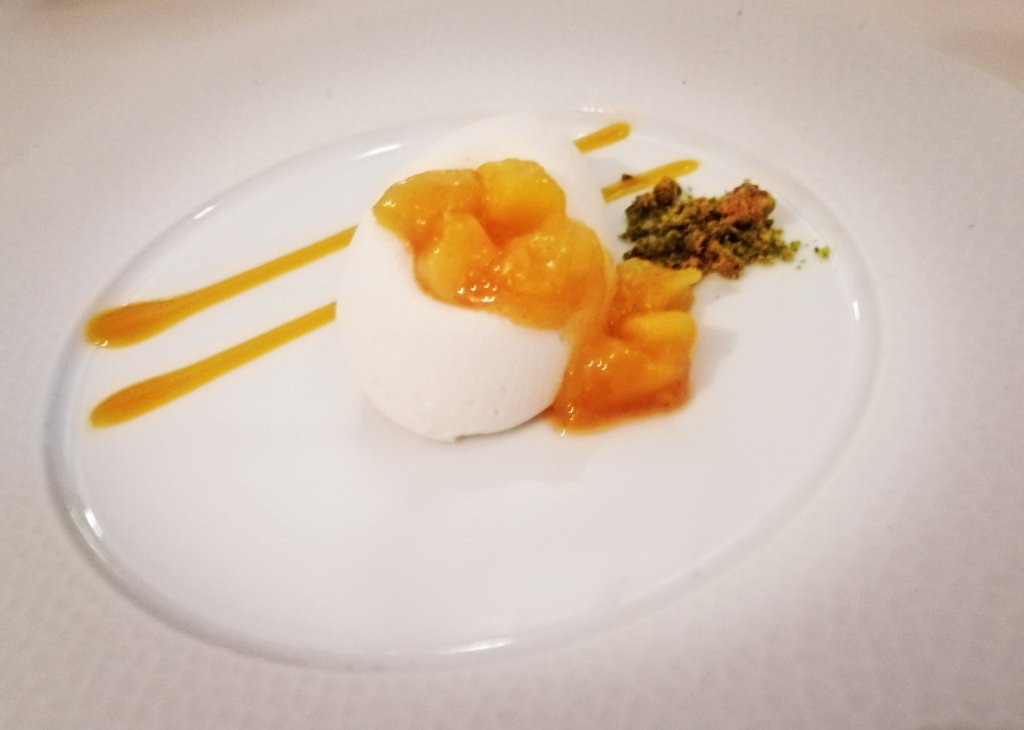
White chocolate and ginger mousse with mango.
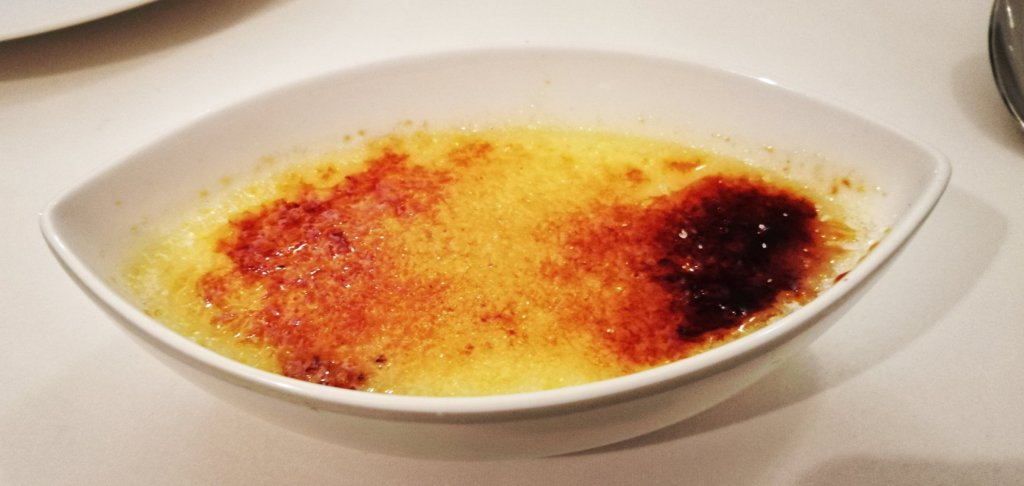
Cardomon creme brulee
Mango and local rum granita

You could spend your entire day just chilling and listening to the roar of the sea against the coral reef and the rustling of the palms (I can highly recommend spending at least one afternoon doing this to find your happy place). If you prefer to be a bit more active there are gorgeous beach walks and the resort offers free activities like snorkeling, tours of the lagoon in a glass bottom boat (we had a sea turtle come and swim along side us), and on set days there are activities such as aquafit, volleyball, and yoga.

View of the coral reef from the glass bottom boat.

The concierges at the resort are an excellent source of information if you’d like to get out and about and see more of the island. They can help arrange visits to see capital Port Louis if you like to shop and see the local markets, historic areas on the island or activities like swimming with dolphins or sea turtles, visiting the impressive botanical gardens or sailing out to neighbouring islands on a catamaran.

If you want something to do in the evenings the resort has live music every night which was always really good. My favourite was the Mauritian night which had local artists play traditional Sega music and display local dances, which are based on the African music played by slaves in the sugar cane plantations and made the colonial owners the equivalent of modern billionaires.
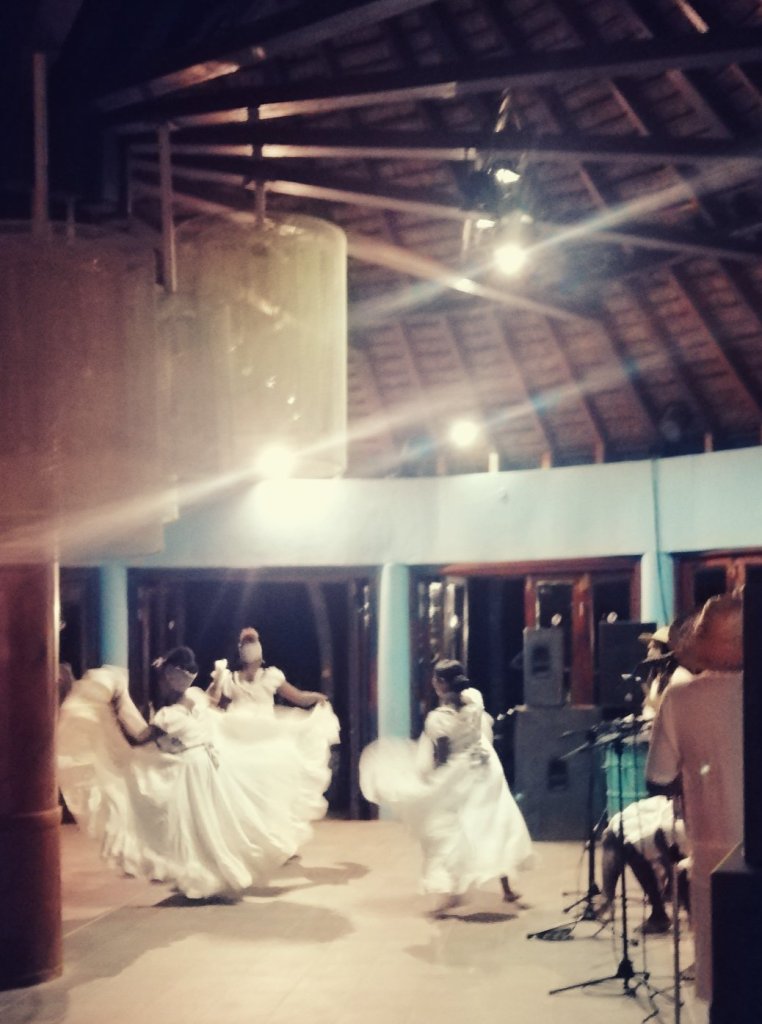
Sega dancers

Staff at the resort are multi lingual (French is the most widely spoken language on the island), and were incredibly warm and helpful. Mauritius is developing quickly, but tourism is still the largest employer on the island, and it was hit badly due to Covid and also the global rise in the cost of living. You will always receive excellent service from the well trained staff at the resort, but the average monthly salary in Mauritius is around £600 per month. So if you do get a chance to visit this little slice of paradise, try to tip as well as you can afford to (and like most places cash is always preferable).
Carcassonne – The Food

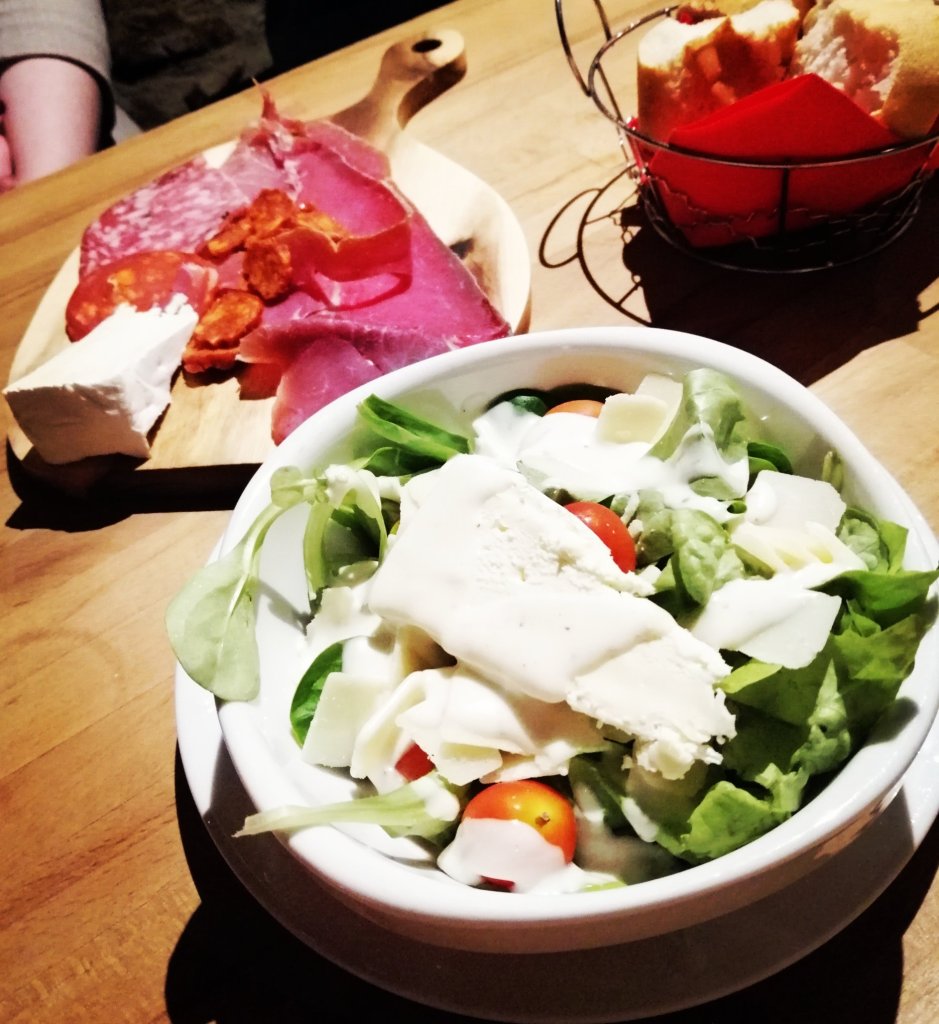
Inside the walls of the medieval city there are numerous cafes and restaurants selling everything from crepes and baguettes through to fine dining restaurants.

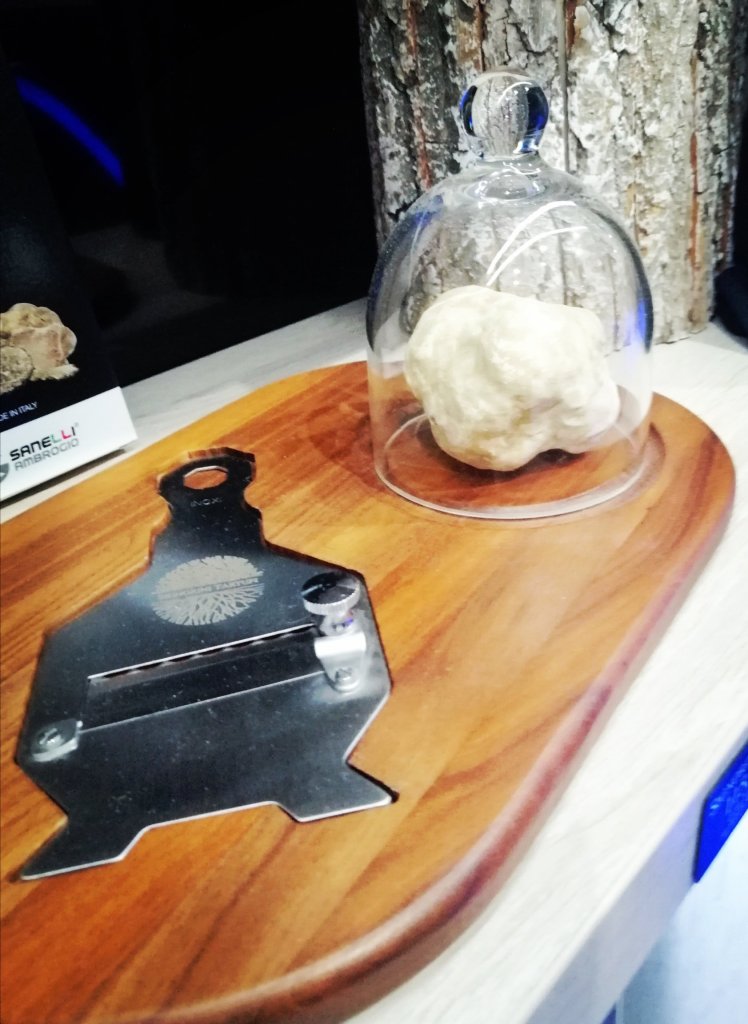
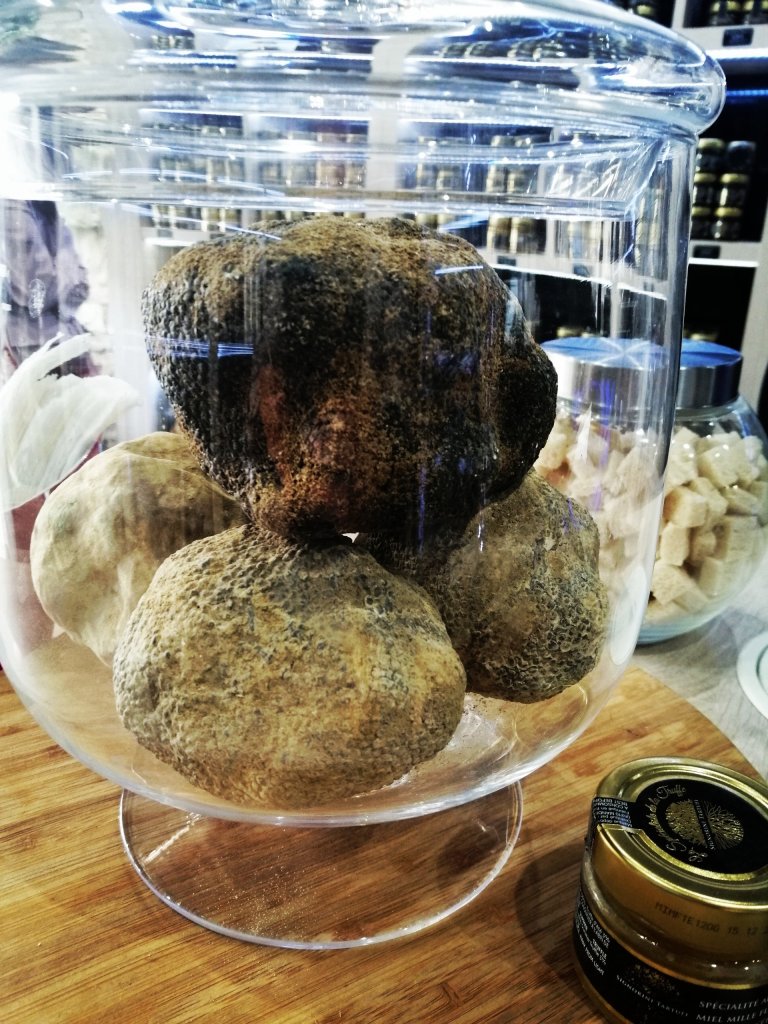
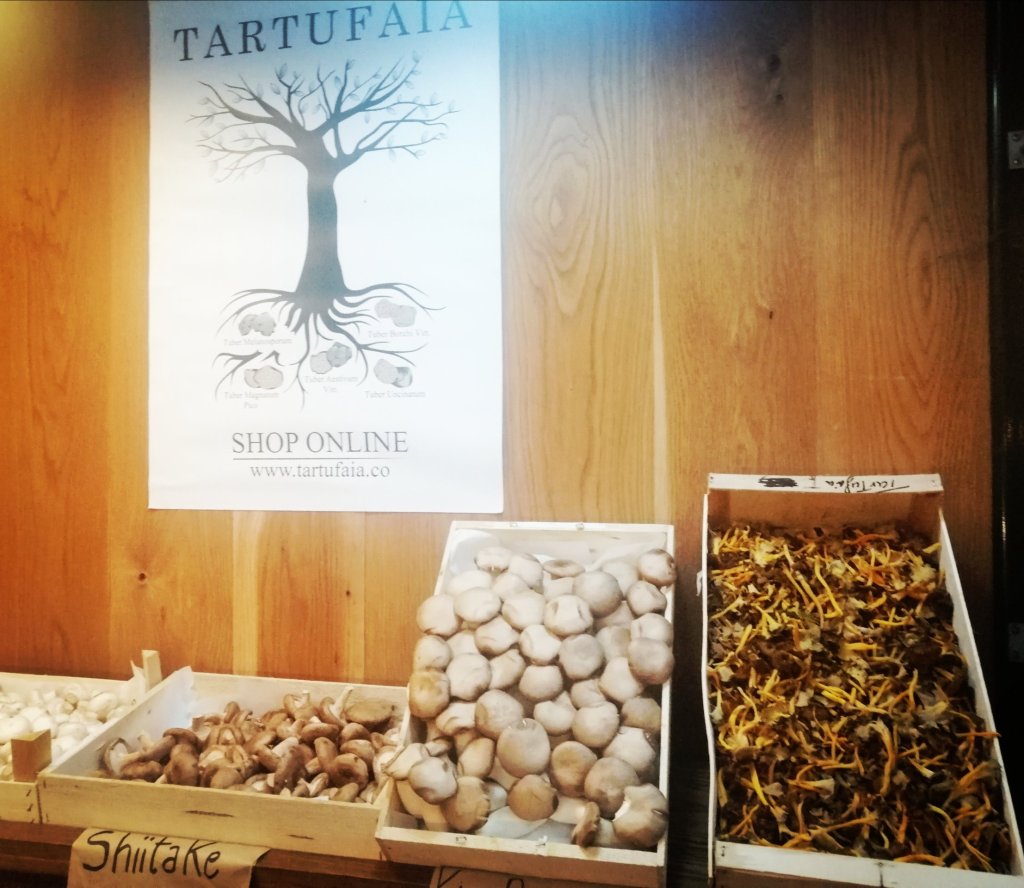
The Occitane region enjoys a great climate and has lots of regional specialities. Truffles are found locally and are highly prized. People either love or hate them, but I adore them. Weight for weight white truffles are more expensive than gold. Most of us aren’t lucky enough to afford the fist sized truffles kept under glass cloches. However, specialist shops sell a range of products including truffle oil, truffle honey, tapenade and truffle salt.

White truffle and shaving blade
Well guarded truffles

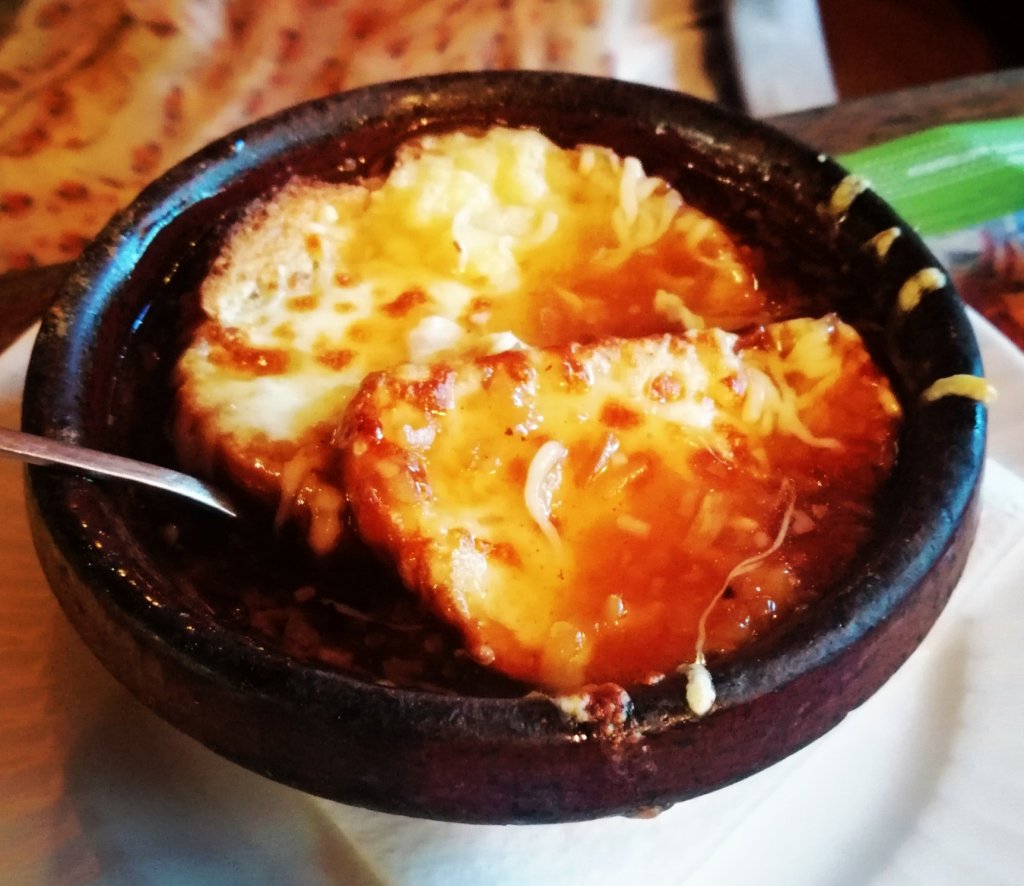
The other main speciality of the region is cassoulet. If you haven’t had it before it’s a rich dish of white beans, duck legs, and Toulouse sausage. You can find this in pretty much every restaurant in Caracasonne. Like every peasant dish, this is made to fill you up and keep you feeling full. While it’s delicious it’s important to warn that you will probably need to lie down after eating of it, but it is good fuel for sight seeing.

Thick and unctuous, cassoulet is the perfect meal after a day’s sightseeing.

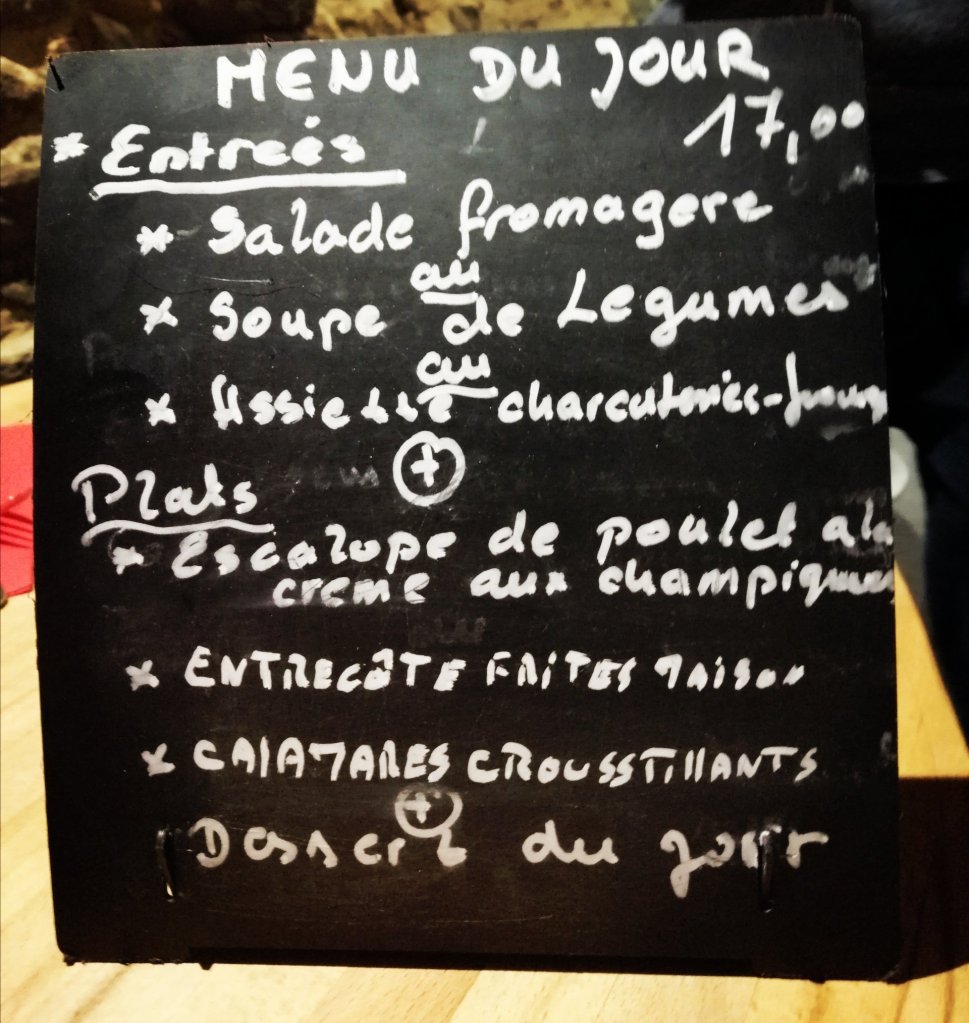
We found great little bistros that offered simple tasty food, starting at 3 courses for 15 Euros for the daily Prix Fixe menu, and were happy enough to stay with these.

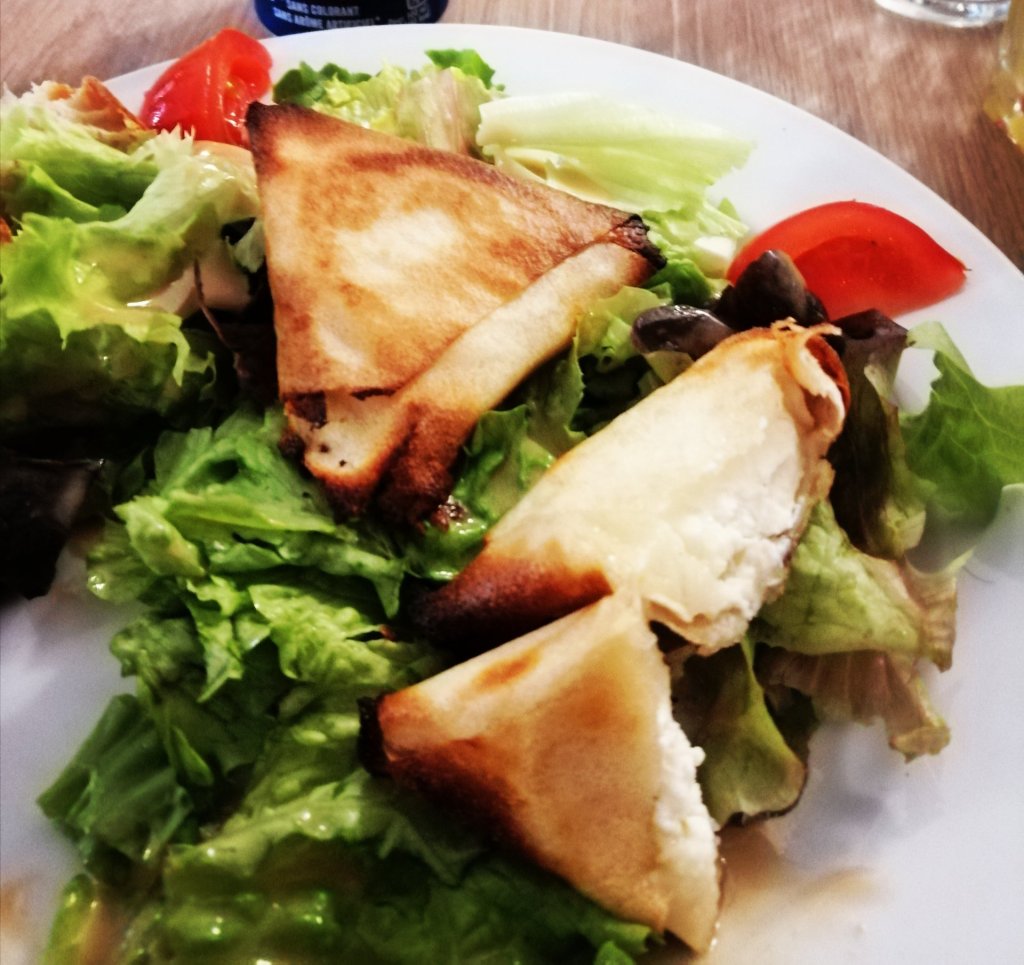
Chevre wrapped in filo pastry with salad
Steak and frites

These bistro meals were usually uncomplicated with cheese, soup or charcuterie to start, fish or meat for the main and dessert or cheese to finish.

Chocolate tart
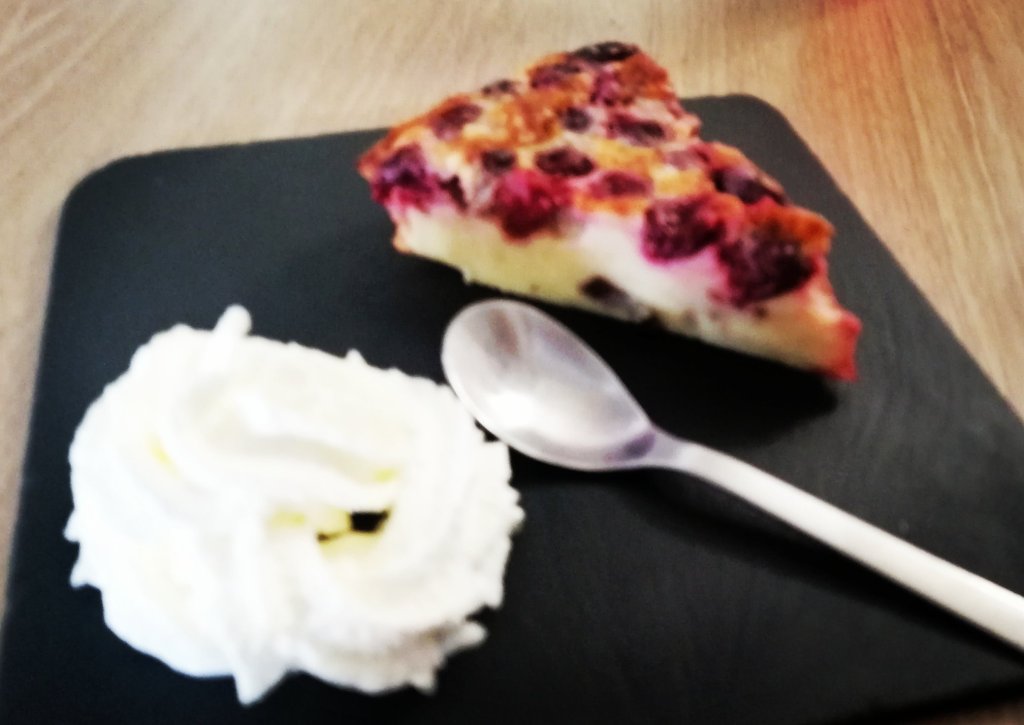
Cherry clafoutis

The area also has some great wine. We usually orded the house wine, which was affordable and very drinkable.

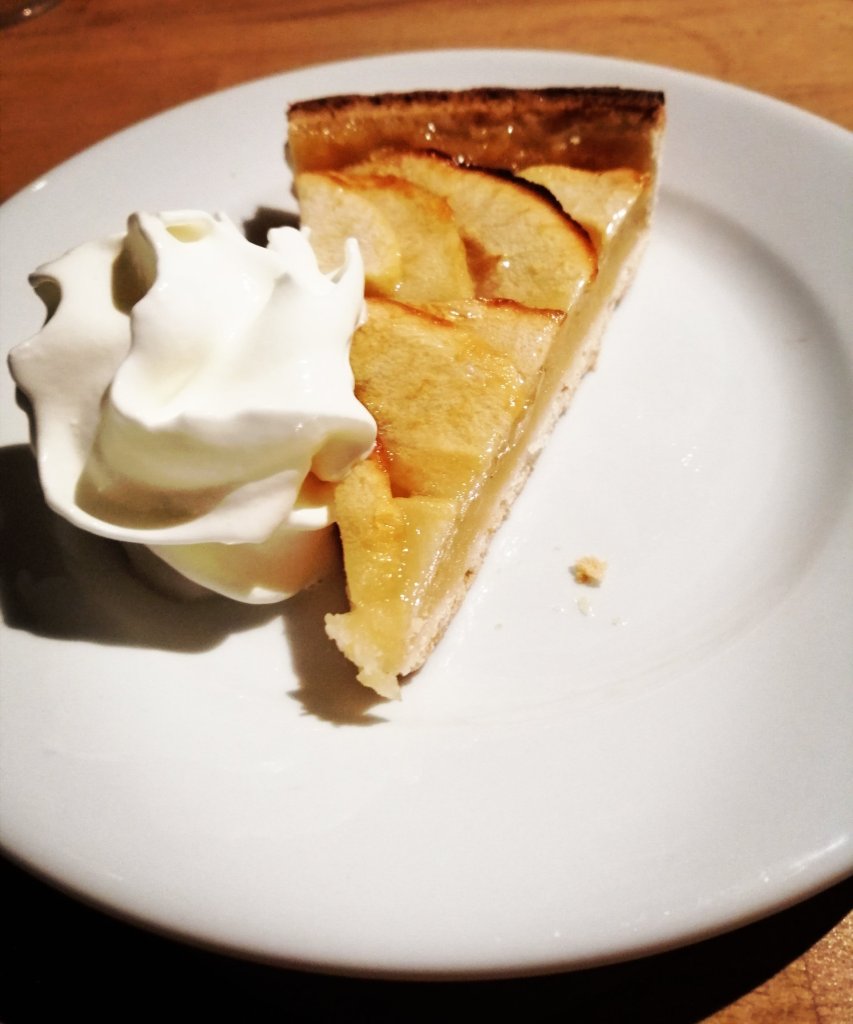
Tarte au pomme

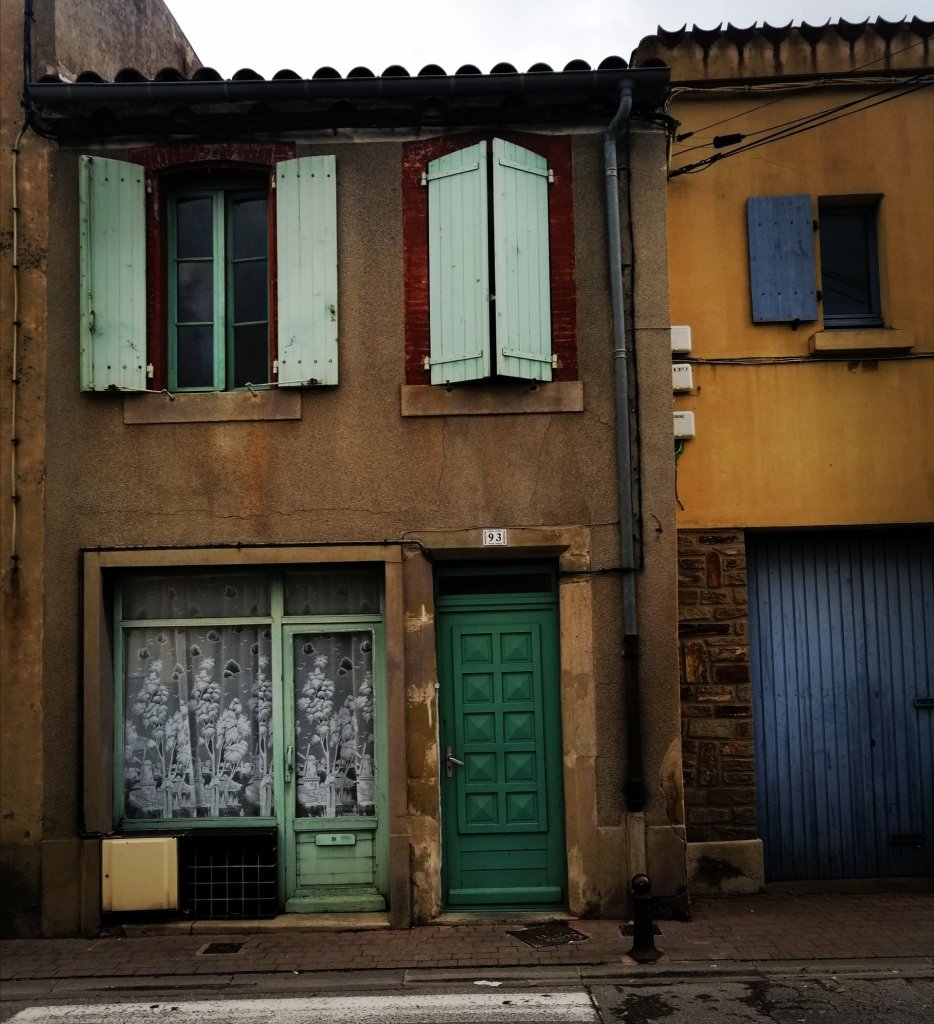
Carcassonne

Low cost airlines can be great for opening routes to places you may not have normally visited. One of these is the ancient city of Caracasonne in the Occitane region of France.

The city has two parts, the Cite (old town), which contains the largest medieval town in Europe and is a UNESCO World Heritage site. There has been a settlement in Carcasonne since around 3500 BC, and because of it’s strategic position has been taken by everyone from the Romans, Visigoths, and Moors.

The castle was also an important hub during the crusades when infighting amongst christian sects like the Cathars and Knights Templar were rife (if you’re a history fan or have ever read any of Dan Brown or Kate Moss’ books this will make more sense).

The fortified city was demilitarised by Napoleon Bonaparte, and fell into disrepair until thankfully restoration began in the mid 1850s.

Inside the walls of the Cite the are countless artisan shops selling hand made confectionery, toy swords shields, and costumes (little visitors go crazy for them), and regional specialities. As well as fabulous well priced restaurants, with Prix Fixe 3 course menus starting from 15 euros per person.

The city is split by the River Aude, the new city still has lots of character. The main square is the Place Carnot, with a very pretty marble fountain in the centre and bars and restaurants lining the edges. A market is held there twice weekly, although I missed both due to how my flights fell.

The city seems to be busiest in July and August, and although the place is super quaint and amazing to look at, it is very quiet outside this time . We stayed in a great Air B&B, but most hotels, including those inside the old town seem well priced. We didn’t have time, but if you are driving/renting a car, you can organise visits to local vineyards within about 20 minutes of town.

Place Carnot

If you are bit of history nerd, enjoy good restaurants and aren’t too put out that there isn’t a throbbing nightlife scene then Carcasonne is the place for you.

London – Covent Garden and Dinner at the Ivy

Covent Garden

You could visit London twenty times and never see the same thing twice. However, there are some places that draw you back.

Monmouth Street

Covent Garden and the Seven Dials area are probably thought of as pure tourist areas, but I’m OK with that.

Neal’s Yard

If gorgeous buildings, quaint shops, street performers and bustling nightlife are your thing then you’ll love it.

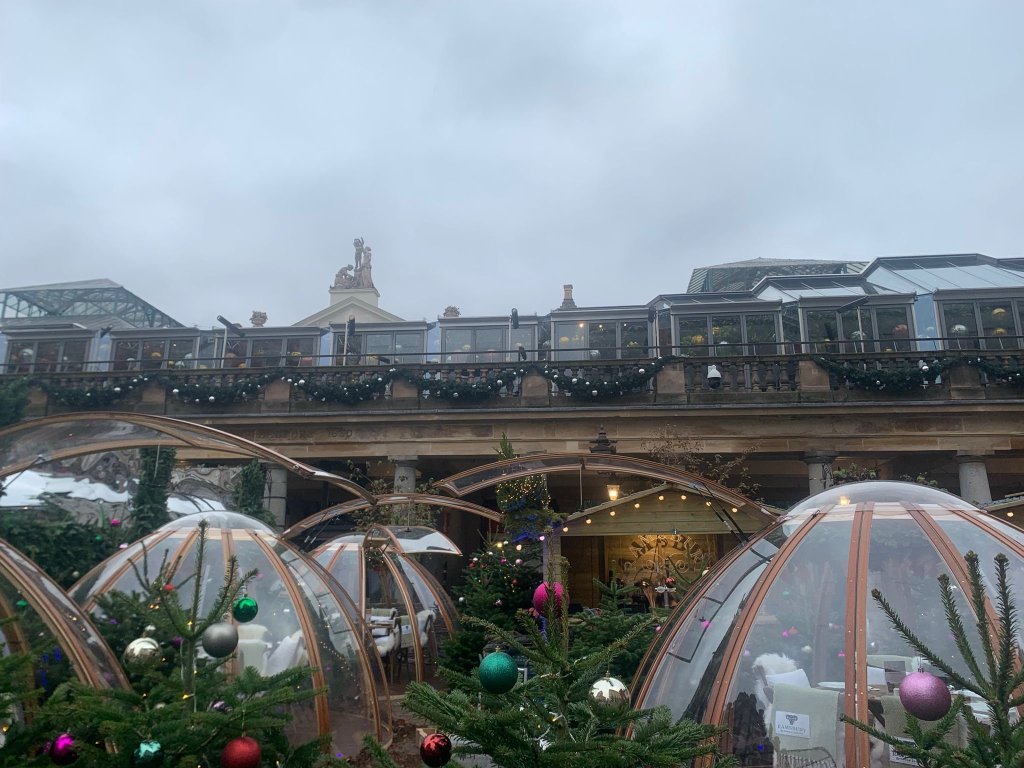
I visited last week when the area was being decorated for Christmas. Little outdoor pods are popping up everywhere to allow people to enjoy outdoor drinking/dining.

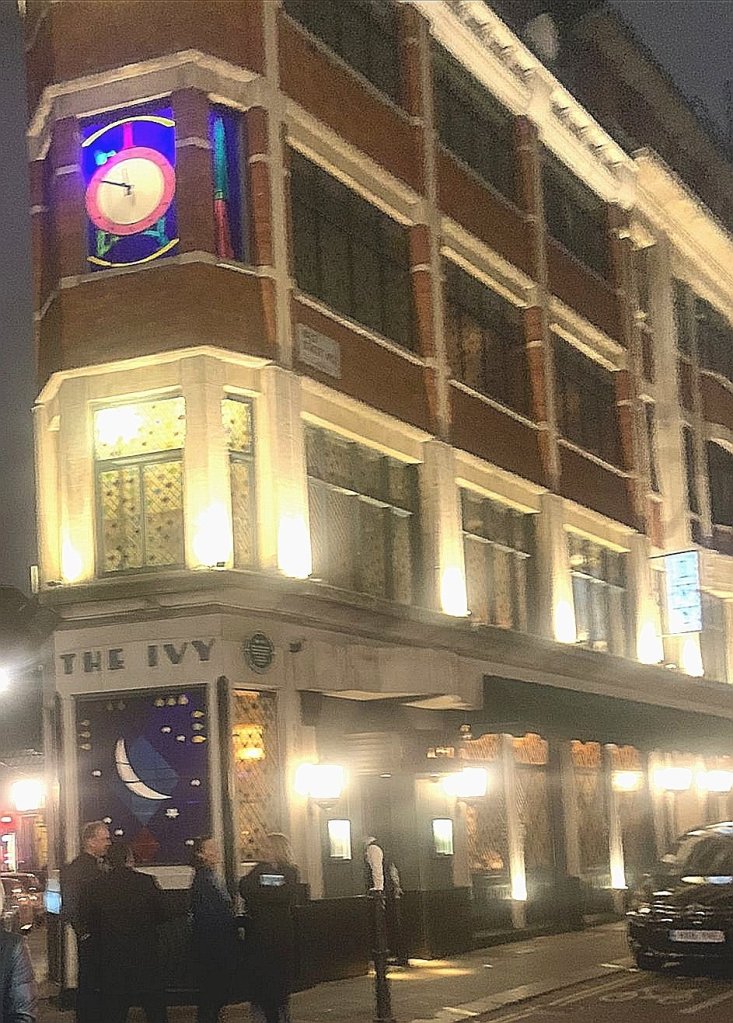
The Ivy

As a birthday treat, my friend Bronagh booked us into the Ivy for dinner. There are several Ivy restaurants in London, but the original is in the heart of theatre land and has always been a favourite haunt of acting luvvies as far back as Noel Coward.

Seafood bisque

Smaller than I expected, the service was immaculate from the minute you walk through the door until you leave when the lovely coat check lady slips your coat on and artfully arranges your scarf for you.

Veal Holstein

The gorgeous art deco interior is classy but understated. The lighting is the perfect mix of being flattering to anyone over 30, bright enough to let you celeb spot (you can often catch sight of a Hollywood A lister), and dark enough for people who want to dine ‘discreetly’. It’s the perfect restaurant for people watching.

Chocolate fondant and hazelnut ice cream

The food is also excellent, you don’t survive for as long as the Ivy has in a city with so many restaurants if your food isn’t up to scratch.

The Ivy knows its audience, the food is rich and comforting, with dishes like cottage pie and steaks seeming popular. Classic dishes done well, you won’t find infused foams and molecular gastronomy on the menu.

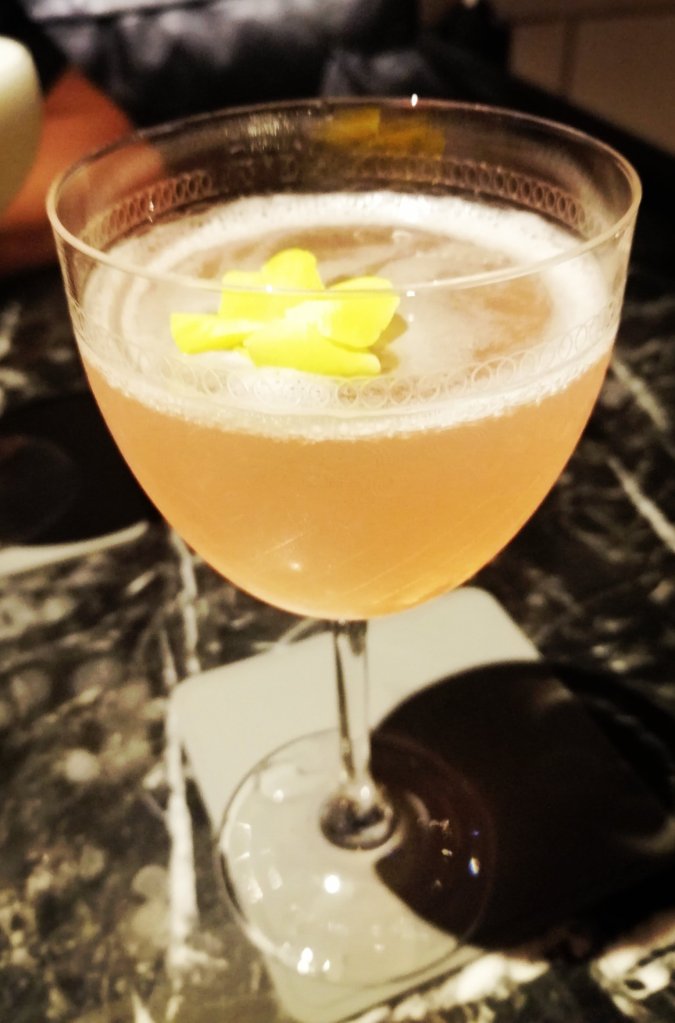
Pisco and Yuzu Sour
Elderflower and Lychee Martini

It may not be somewhere most people would visit weekly, but well worth visiting for a treat. There are also fabulous watering holes nearby for pre or post dinner cocktails.

London – Borough Food Market

I have visited London lots of times, but it never fails to show me something new.

I visited recently, and heard great things about Borough Market along the South Bank.

The place is a foodies dream, serving street food from around the world, as well as specialist retailers selling everything from sea urchins to hand made pasta and pastries.

If you’re eating from one of the street food vendors you’ll be spoiled for choice, but seating is limited. The market also has good bathroom facilities.

Some vendors are only there on certain days but the market will definitely have something for everyone.

Krakow – Jewish Quarter Food Tour

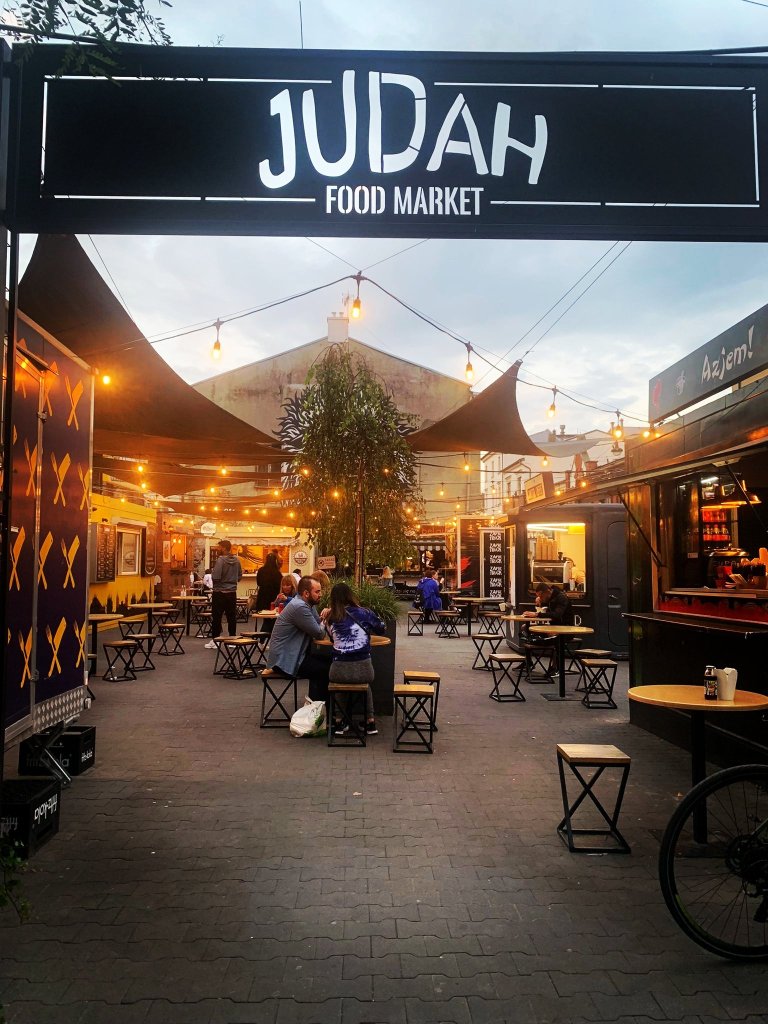
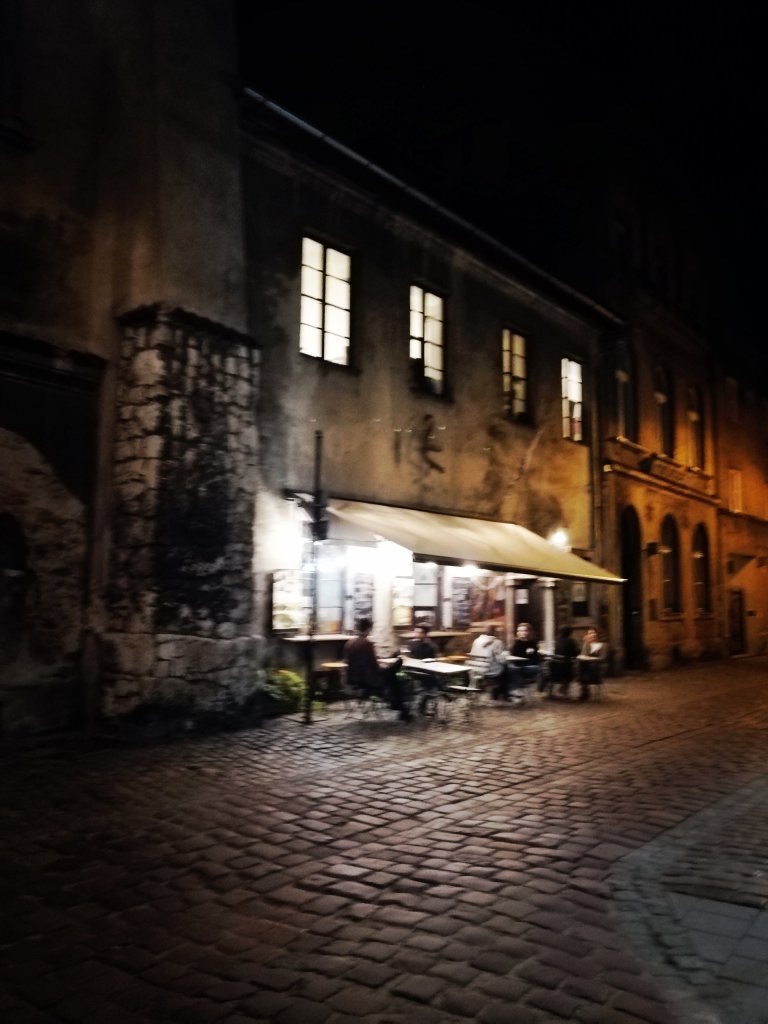
Just one of the little courtyards serving fantastic street food.

I have been seriously jonesing to travel again.  Having been fully vaccinated and gone through enough paperwork to keep a small government department busy, I was eventually able to set off.

I had heard great things about Krakow from anyone who had visited before, but wasn’t sure exactly what to expect.

With this in mind my travelling companions and I booked a food and history tour of the Kazimierz or Jewish quarter.  We placed ourselves in the very capable hands of George.  A trained chef originally from Turkey, he gave us a great tour discussing the history of the district and it’s up and coming food culture.

Hebrew street art

Before the second world war about 25% of those living in the district were Jewish having originally been encouraged to settle on the city by King Kazimierz centuries earlier.  The Jewish population was forced into a ghetto when Germany invaded and unfortunately we’re all aware of what followed.  Auschwitz concentration camp is within travelling distance of Krakow.  While I think it’s important that what happened at the camp shouldn’t be forgotten, honestly I’ve had a really tough year and just didn’t feel up to visiting.

Poland’s oldest synagogue

The Jewish population of the district is now less than 1% but the district still maintains it’s Jewish identity and the oldest synagogue in Poland is still located there.  In the main square there are lovely restaurants serving kosher food and drinks and offering traditional Jewish folk music at weekends.

After the war many of the buildings stood empty, so students and artists eventually moved in due to the low rents.  The area now has a bohemian feel and is becoming gentrified.

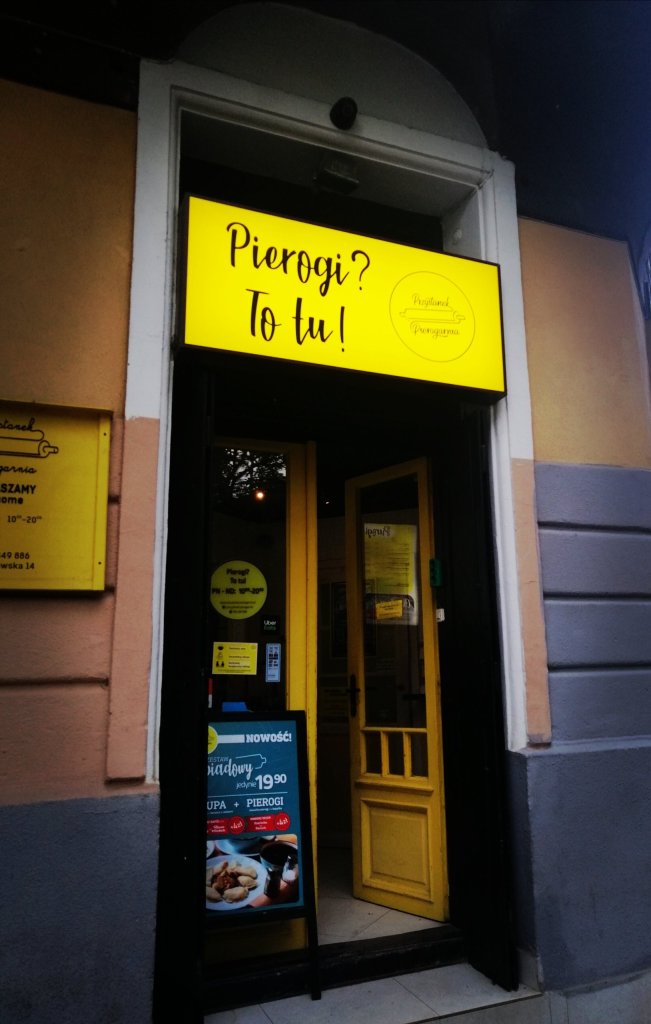
With such a young population the area is full of great places to eat and drink.  Our first stop was at a popular perogi shop.  If you haven’t had these before, they are little dumplings. The most common filling is potato, cottage type cheese and fried onion (my personal favourite).

Perogis with spinach and cheese.
Blueberry perogis with sour cream.

We also tried other versions including suarkraut and mushroom (traditionally eaten on Christmas Eve), spinach and cheese, and a sweet version made with blueberries and topped with sour cream.  Perogis are really common with most restaurants offering several different kinds.

The district has some great street art as well food.

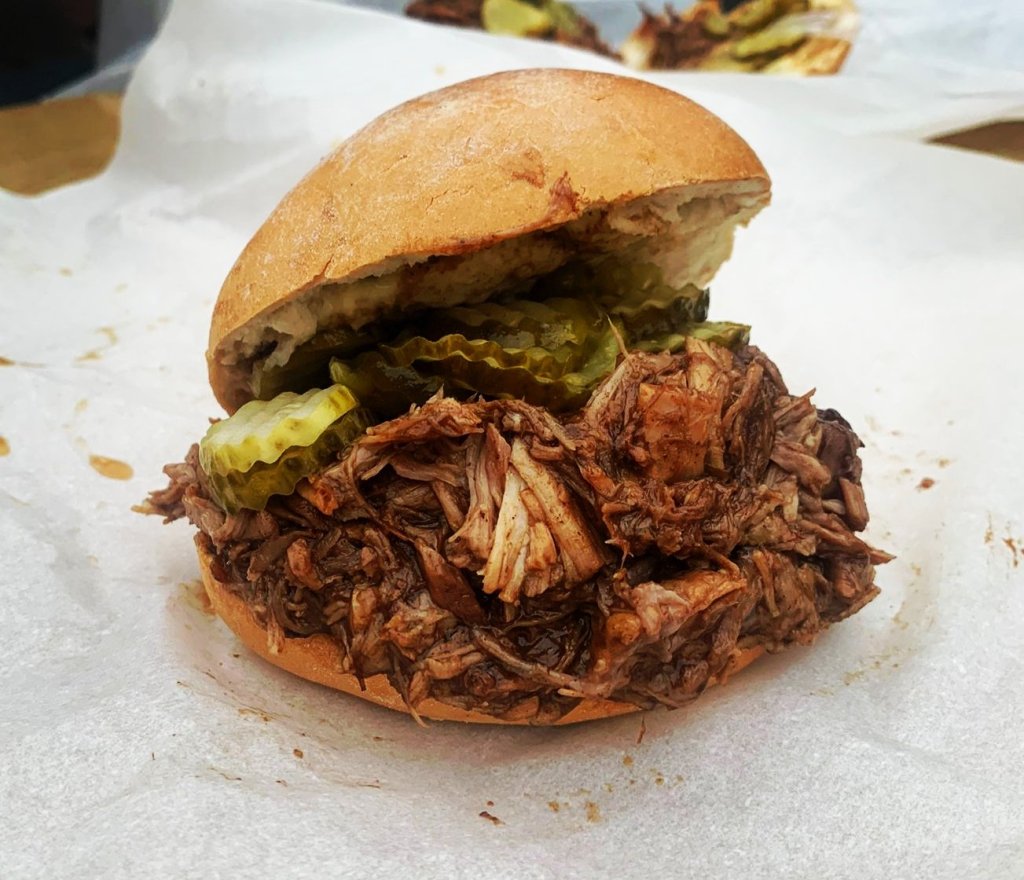
Small courtyards with little food trucks are popping up across the area, serving everything from traditional Polish pork dishes to Asian ramen bowls.  It was at one of these courtyards we had excellent traditional pulled pork rolls with pickles and fantastic bread.

The new square has a central hub of red brick buildings selling a range of different street foods.  It was here we tried the Polish version of a French bread pizza topped with spicy ketchup and lots of chopped chives.  Apparently these were made my Mothers who couldn’t get theirs kids to come in from playing outside, to make sure the didn’t starve.

Polish pizza

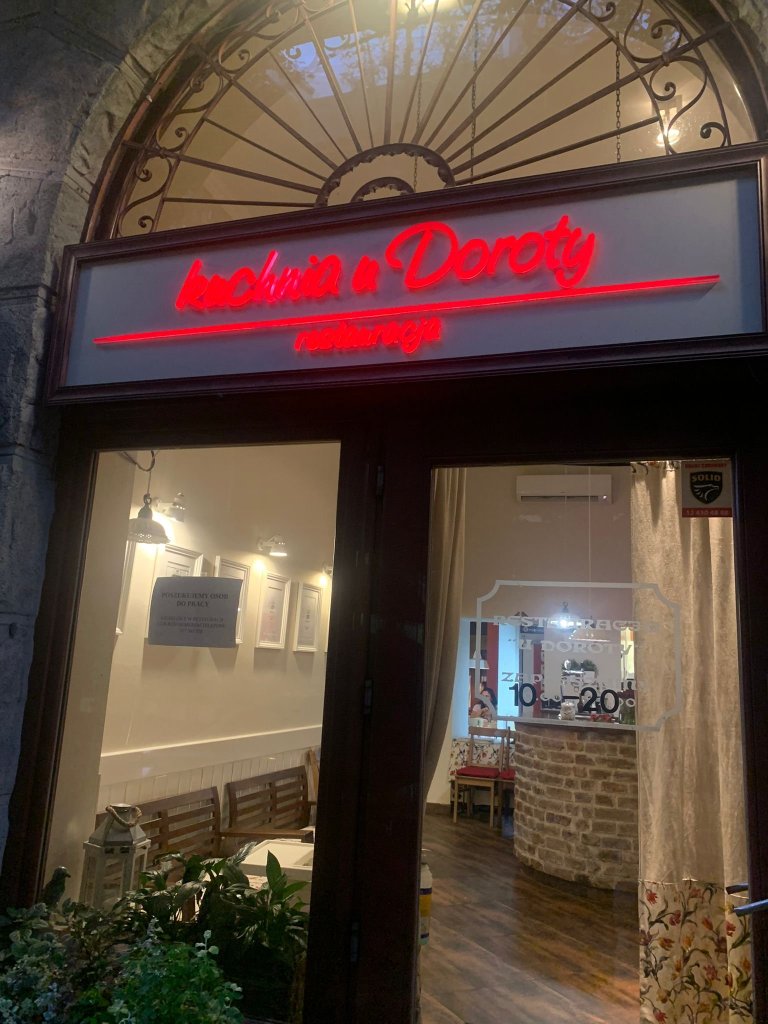
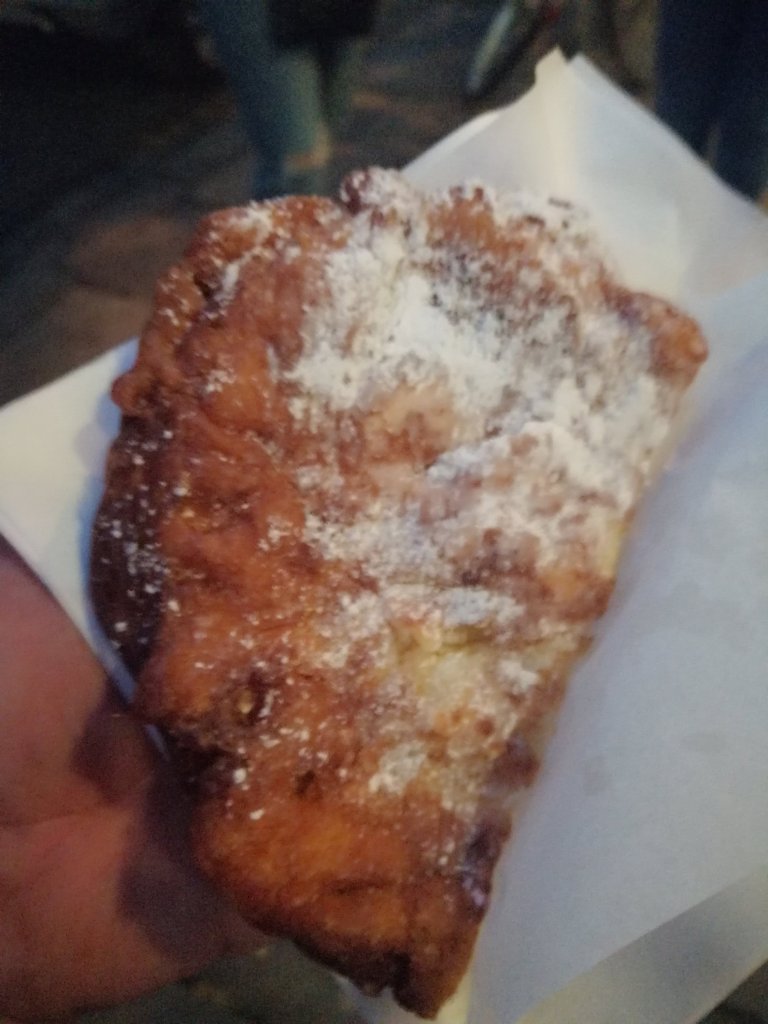
If you have sweet tooth, we also enjoyed excellent apple fritters at Kuchina Doroty.  Rich with vanilla these probably had 1 million calories, but were worth every single one.

Krakow has great bars everywhere, these range from very dark but not unwelcoming local dive bars through to sophisticated cocktail bars. The most common beverages seem to be beer and vodka. Lots of bars are introducing small batch artisanal beers often brewed in people’s sheds (they are well worth trying). I’ve always had an aversion to vodka, (I think it tastes like hairspray). However, George our tour guide got us to try a shot of bison grass vodka which is popular in Poland, and it’s much more a agreeable than the normal stuff. If vodka is your thing there are several different tasting experiences available in the area.

Bison grass vodka, tastes fresh and almost sweet. It reminded me of the smell of hay.

To sum it up the area is well worth a visit, great food, lots of history and movie buffs can spot the different streets where Schindler’s List was filmed.

Vegetable Samosas

Light crispy pastry, with a soft well flavoured filling, I like these served with mango chutney.

I was doing another scan around my kitchen cupboards for something to make, and decided on samosas.

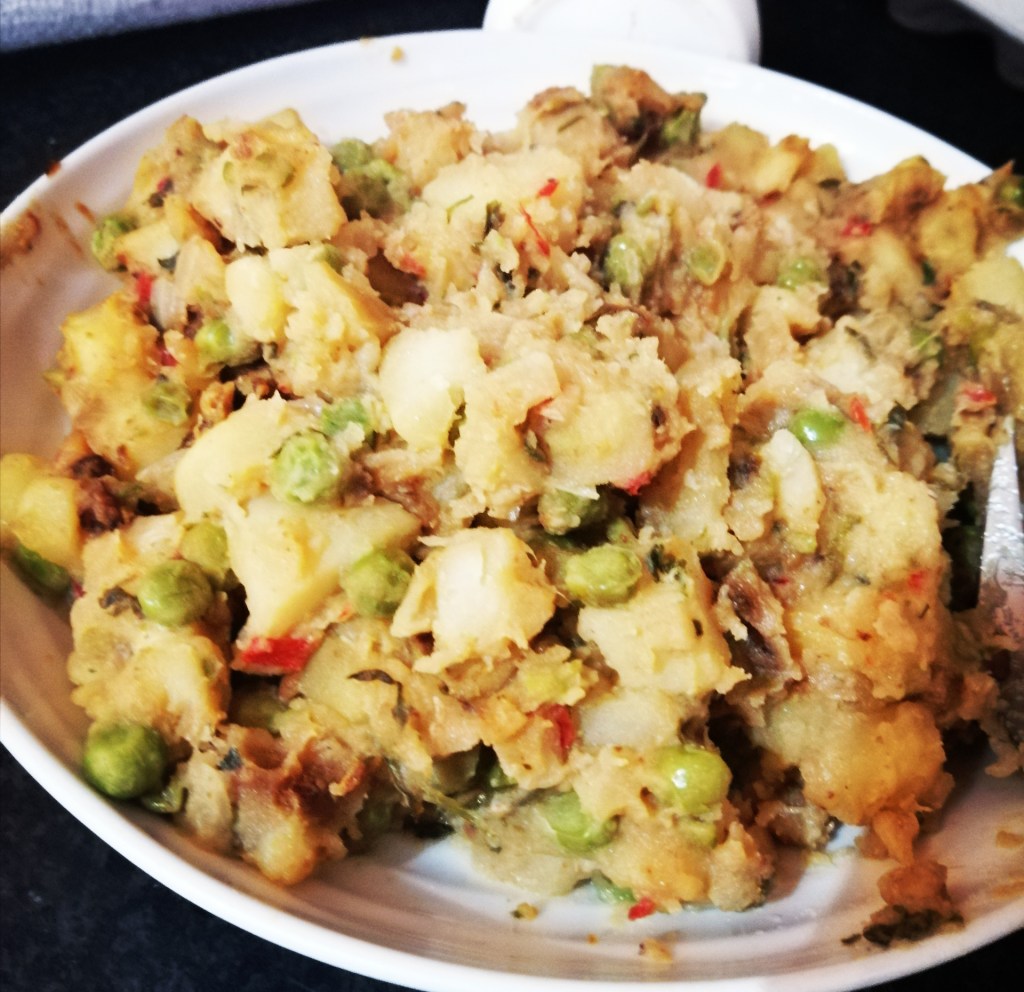
Potato and pea filling

I love a samosa, those delicious little Indian flavour bombs are usually deep fried, but these are baked to make them a little healthier. This recipe is vegan, but you can use spiced lamb as a filling. I’ve used potatoes and peas, but you swap out the peas for green beans or spinach.

Roll your divided dough into a circle and cut in half

The first couple of samosas will probably look a bit wonky until you get into the way of making them. Don’t panic these will still taste great, and if you don’t want to serve them then they will be the cook’s perk!

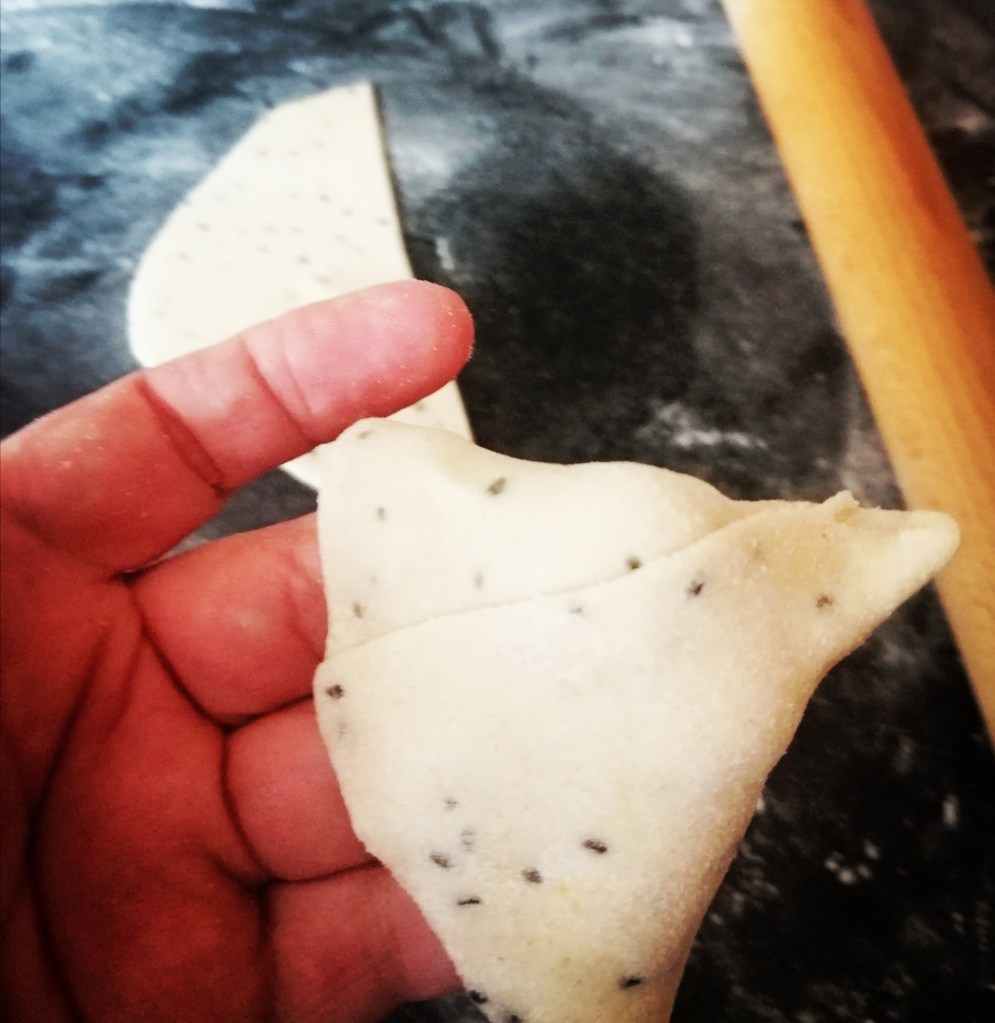
Wet the edges and press together to form a cone

Makes 16

For the pastry

225 Grams Plain Flour

2 Tbsp Oil or ghee

1 Tsp Onion (Nigella) seeds (optional)

Seal the edges to make a cone that you can filk

For the filling

3 Large potatoes (peeled and cut into small cubes)

1 Large onion (finely chopped)

2 Cloves of Garlic (finely chopped)

Thumb sized piece of ginger (grated)

2 Chillies, (finely chopped, you can add more or less depending on how much heat you like)

4 Tbsp Oil

100 Grams Peas (I use frozen, and let them thaw)

2 Tbsp Coriander (finely chopped)

1 Tsp Salt

Yummy hot or cold

Method

  1. Add the oil, onion seeds, and flour to a bowl and gradually add luke warm water until you have a dough. Knead for 5 minutes, and then wrap in cling film and rest in the fridge
  2. Add 2 tablespoons of oil to a large frying pan, and add the shopped onion. Fry over a medium heat for 5 minutes, and then add the garlic, ginger, and chillies
  3. Lower the heat and add the cubed potatoes, and a little water and simmer until potatoes are soft (you might need to add a little water as it cooks, but it should be a runny mix)
  4. Add the peas, salt and coriander and check the seasoning before allowing to cool
  5. Preheat your oven to 200 degrees, and line a baking sheet with parchment
  6. Once the pastry has rested, divide it into 8 balls. On a lightly floured surface, roll out the ball into a thin circle. Cut the circle in half.
  7. Pick up the half moon shape and wet the edges with a little water. Make a cone by pressing the edges together and fill the cone with potato mixture. Press the remaining edges together to seal the samosa, ending up with a triangle shape
  8. Continue rolling out the pastry and filling the samosas until you are finished, placing the samosas on the baking sheet. Brush them with the remaining oil and bake for 20 minutes until golden and crispy

Hong Kong – Tian Tan Buddha and Po Lin Monastery

This is a throw back from last year, since COVID 19 has shat all over my travel plans this year, I have been torturing myself looking over photos of places I loved.

Like most people, when I first thought of Hong Kong I thought of the heaving metropolis, full of neon lights and skyscrapers. Take a relatively short bus ride into the lush green mountains in Lantua Island and you’re in a different world.

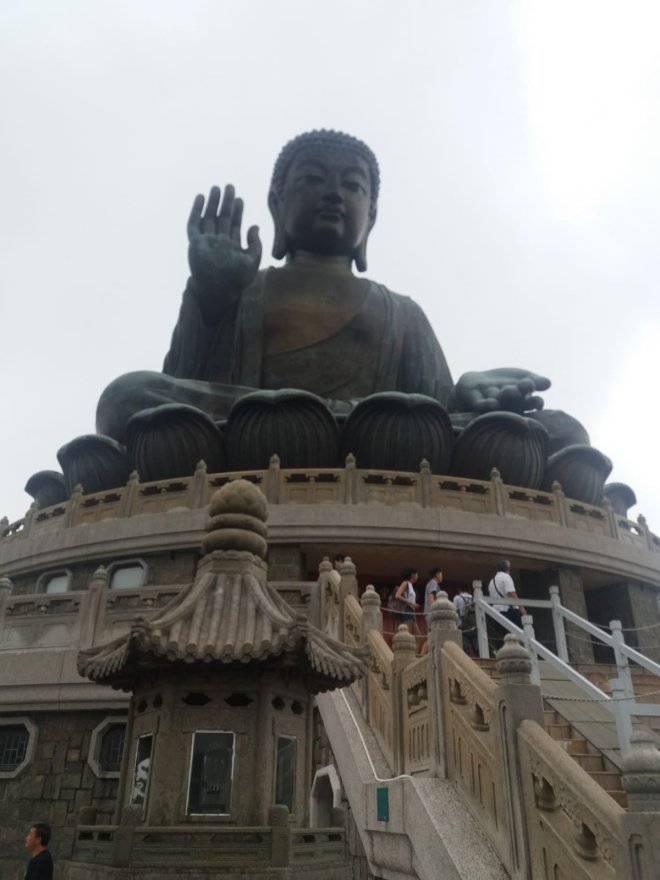
Tian Tan Giant Bronze Buddha, with 268 steps

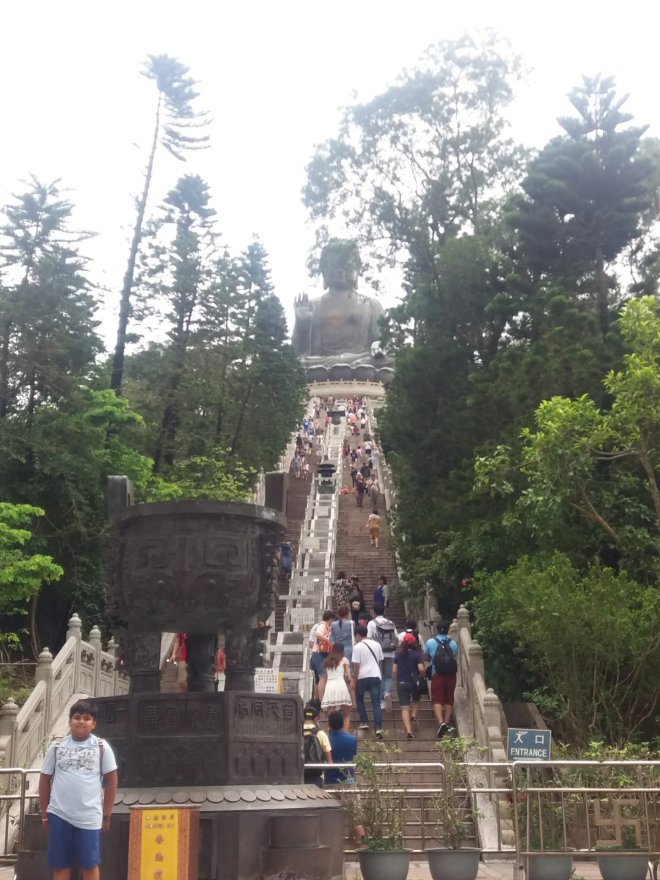
You can take a bus from central Hong Kong or a cable car, to bring you to the summit where you’ll find the Tian Tan Buddha. My traveling companion and expedition photographer (my sister, Bronagh) fibbed when we set off, telling me that our bus would leave us at the top. This turned out to be a filthy lie, and I almost met my death after climbing these 268 steps in 32 degree heat (top tip, do this before lunch and take your time, they are as steep as they look). On the upside, once you can breath normally and your heart doesn’t feel like it’s going to burst any more, you’re treated to a spectacular view of the mountains and Po Lin Monastery.

View from the Tian Tan Buddha

There is also a small village and shopping area at the base of the Buddha if you haven’t bought enough tourist tat in the city. Walk along a paved avenue with statues of Chinese deities and you’ll reach the Po Lin monastery.

Po Lin Monastery

Like most Chinese monasteries, it’s richly decorated and serene. It has manicured courtyards where pilgrims burn giant incense sticks in huge wracks and pray. Beautiful, calm and smelling fantastic, the monastery is the perfect antidote if a couple of days in busy Hong Kong has left you feeling a bit frazzled.

You can also buy lunch at the monastery, there is a small cafe that sells snacks and light bites. I spoke to other visitors who ate there, and they enjoyed the food. We went for the “deluxe ticket” set meal in the monastery’s dining room (I had almost died after all, after climbing the “Big Buddha”). This was reasonably priced set meal with 7 or 8 dishes including pumpkin soup, mushrooms with leafy greens, vegetables plate, bean curd rolls, spring rolls, and tofu in lemon sauce and endless pots of tea. I’m not vegan, but probably could be if this was the sort of food served daily.

Istanbul – What to see

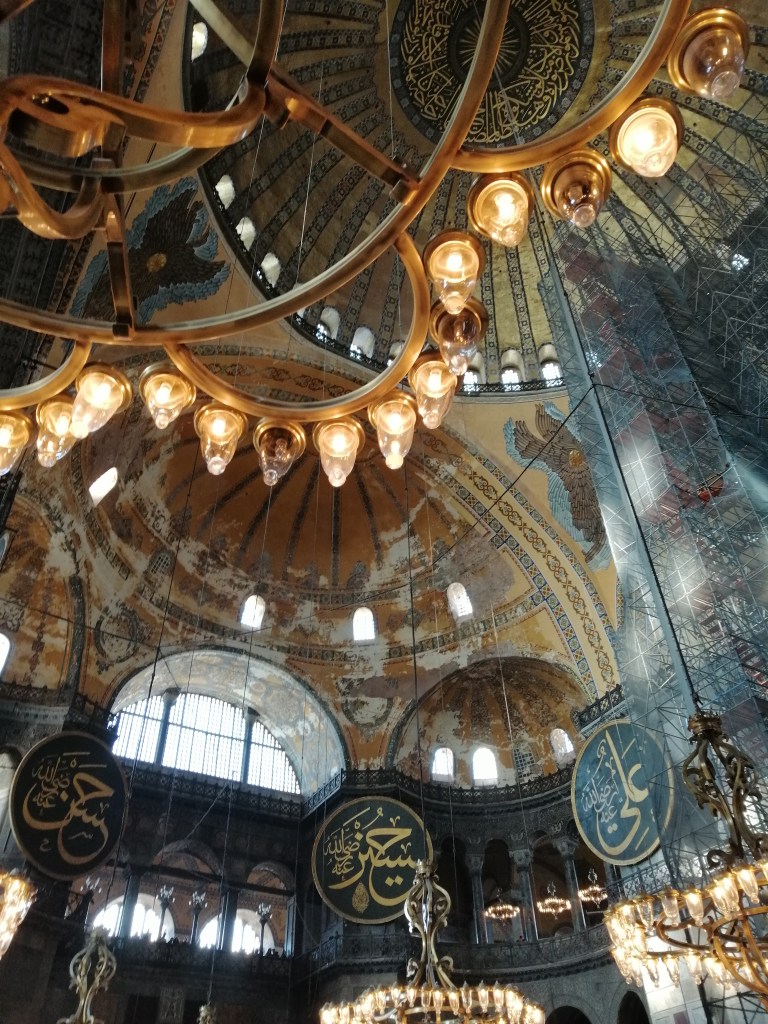
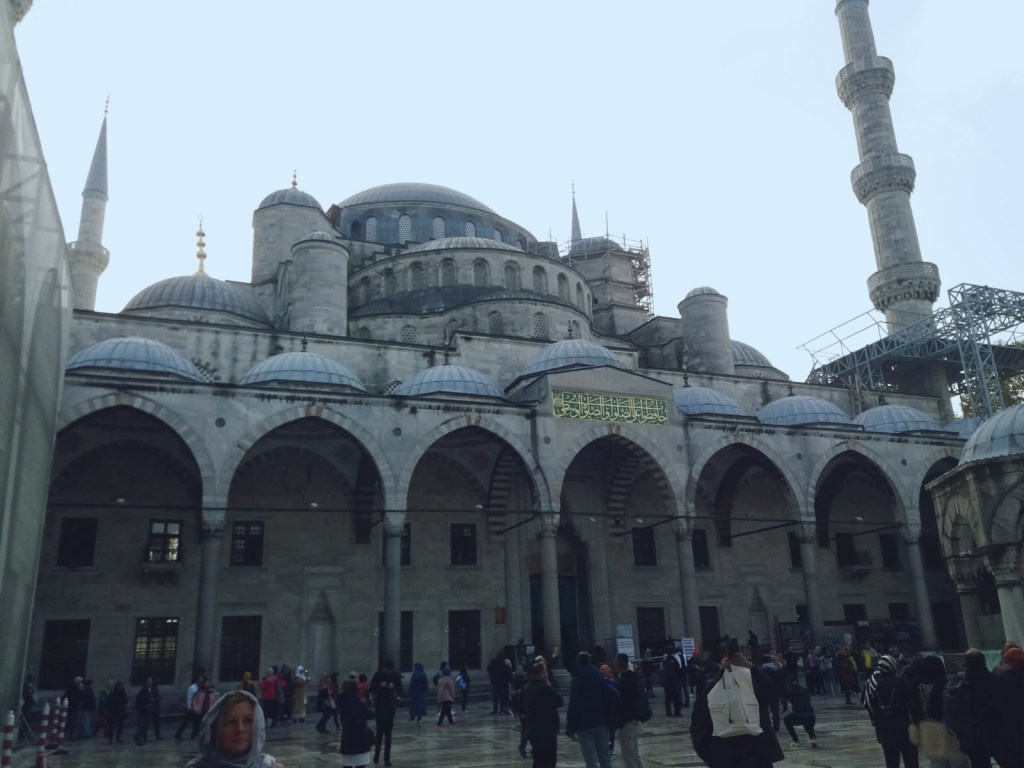
Hagia Sophia, originally built as a Christian Church by the Emporer Constantine, it was later rededicated as a mosque.
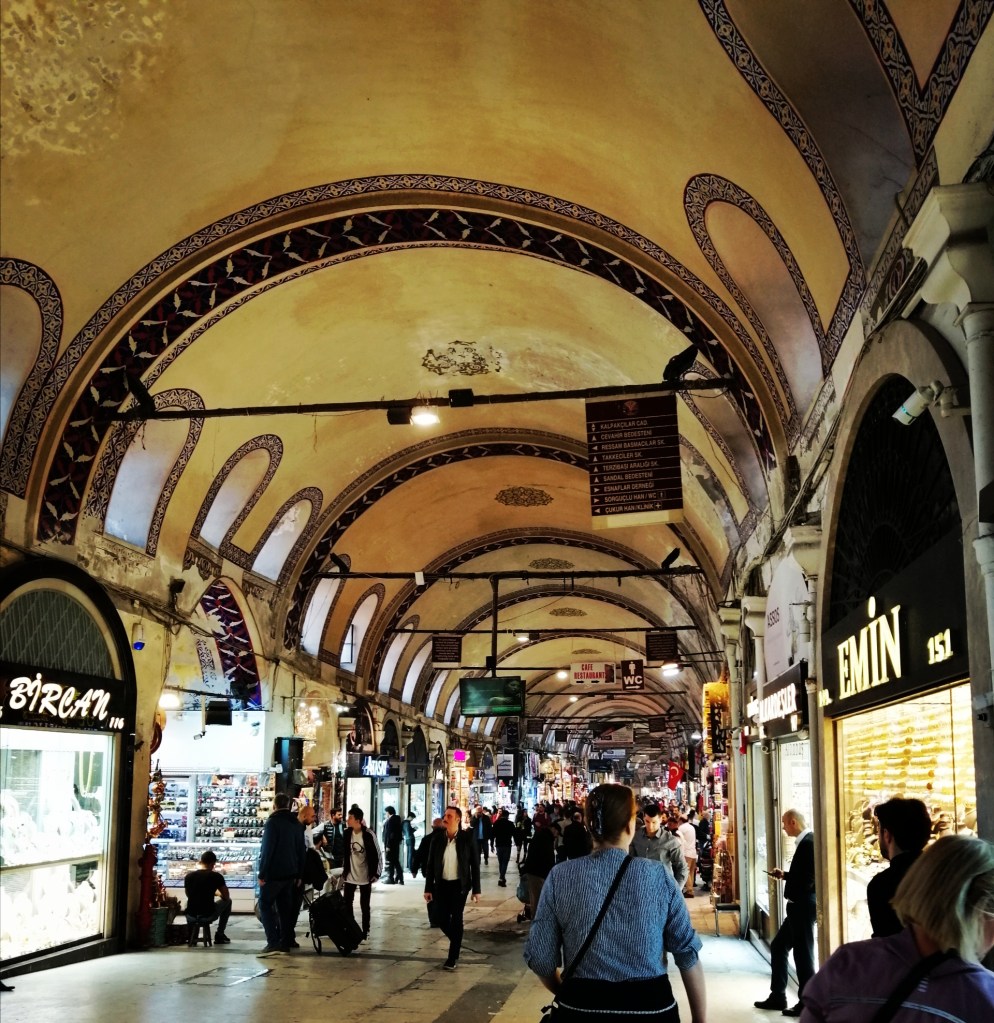
Grand Bazaar – this place has everything, the only problem will be carrying it all home.
Grand Bazaar – a historic setting selling everything from traditional rugs to electronics

A little bit of history

Istanbul wasn’t super high on my list of places to visit. But, I was lucky enough to meet and have dinner a few months ago, with the super lovely Angie Ibarra, an experienced travel blogger, https://travelmoments.net During a great night with maybe too much wine I asked her, up to that point where was the favourite place she had visited.  Her immediate answer was Istanbul.  Since then, loads of people have told me the same thing, you have to go.

I’m a total history nerd, (I’m not even sorry) and Istanbul has oodles of it.  Dating back nearly 3000 years, the city has been seat to the Roman, Byzantine and Ottoman empires.   Istanbul is unique in that it is split between two continents (half the city sits in Asia, the other in Europe, and the two halves are separated by the river Bosphorus).  Being in such a sweet spot, Istanbul has been a meeting point of countless cultures.  The city has trading links with Egypt and China going back two millennia and is still a major trading hub.    Sites such as the Topkapi Palace, Grand Bazaar, Hagia Sophia, and Blue Mosque are within walking distance of each other.  The first two could easily take a day each, if you wanted to take your time.

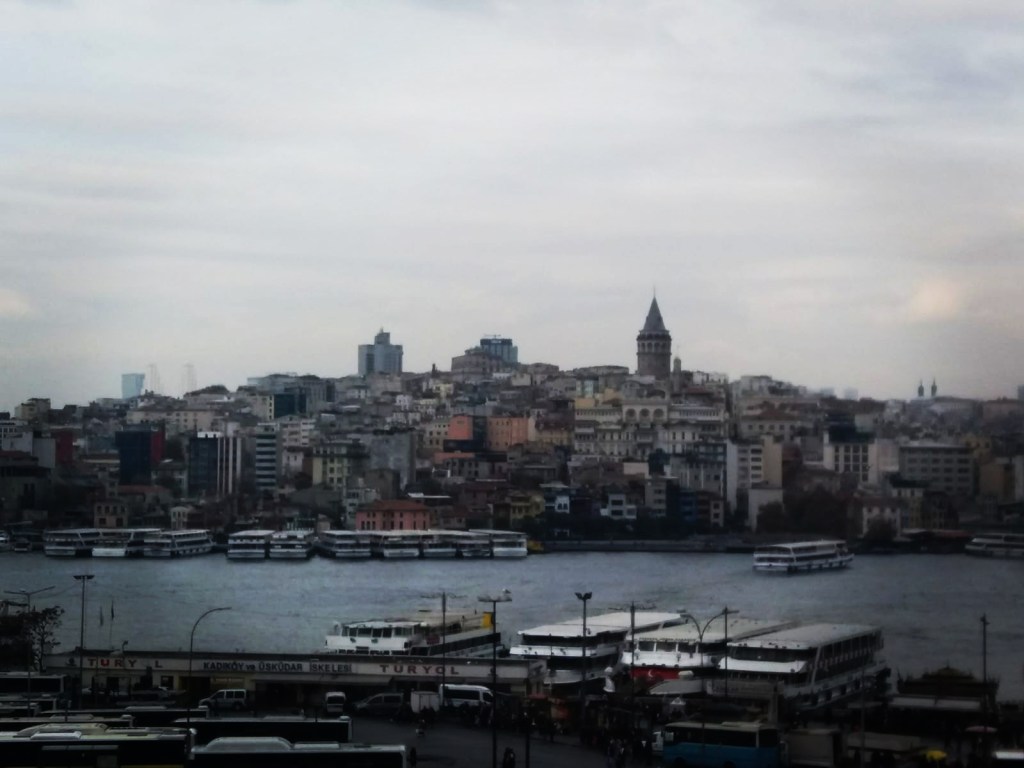
A city split across two continents

This prime location has also meant it has changed hands various times.  The Roman emperor Constantine when he converted to Christianity set up the city as his “new Rome”, and you can still see examples of Roman architecture and engineering throughout the city.  Istanbul then became centre of the Eastern Orthodox Church, and seat of the new Byzantine empire.

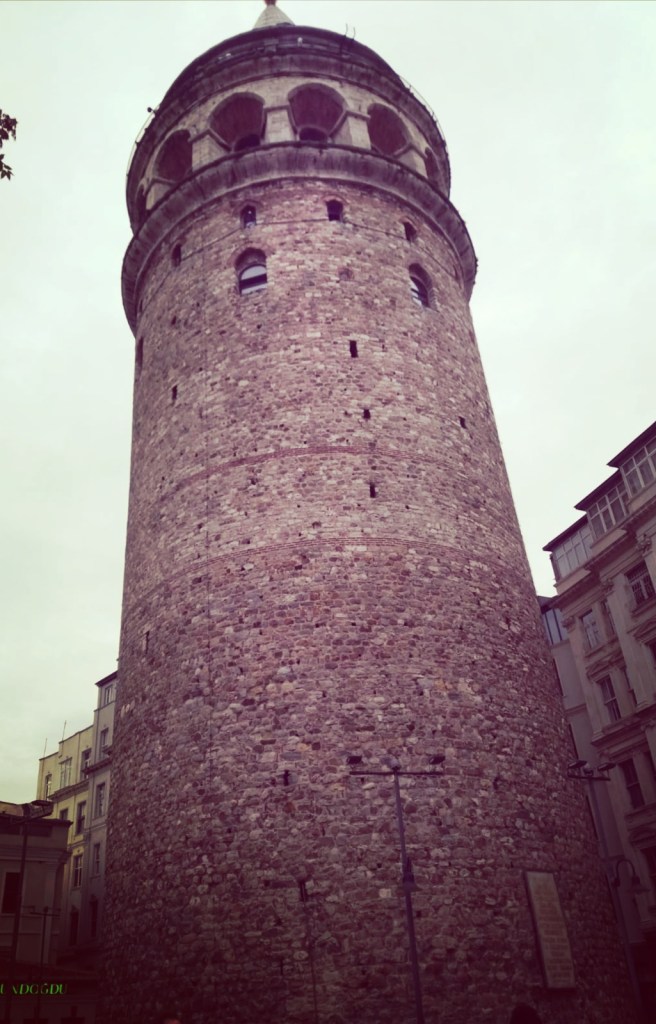
Galata Tower, take the funicular railroad to visit the bohemian Galata district.

The 15th century saw the rise of the Ottoman empire.  Ahead of it’s time in relation to architecture, medicine and the arts, Istanbul continued to be a thriving multicultural metropolis.

The Blue Mosque, decorated with thousands of beautiful hand painted tiles.

Modern times

I was really impressed by the modern Istanbul, but given political tensions in the area there was a heavy security presence in popular areas.   When out shopping in one of the modern shopping areas near Taksim Square (think Oxford Street in London), I was a bit alarmed when I saw police unloading riot shields (being from Belfast, this usually doesn’t bode well).   However I was pleasantly surprised, when the demonstration that started was a large, pretty energetic and good natured Feminist rally.   Turkey is a secular state, but the country is still mainly Muslim and quite traditional.

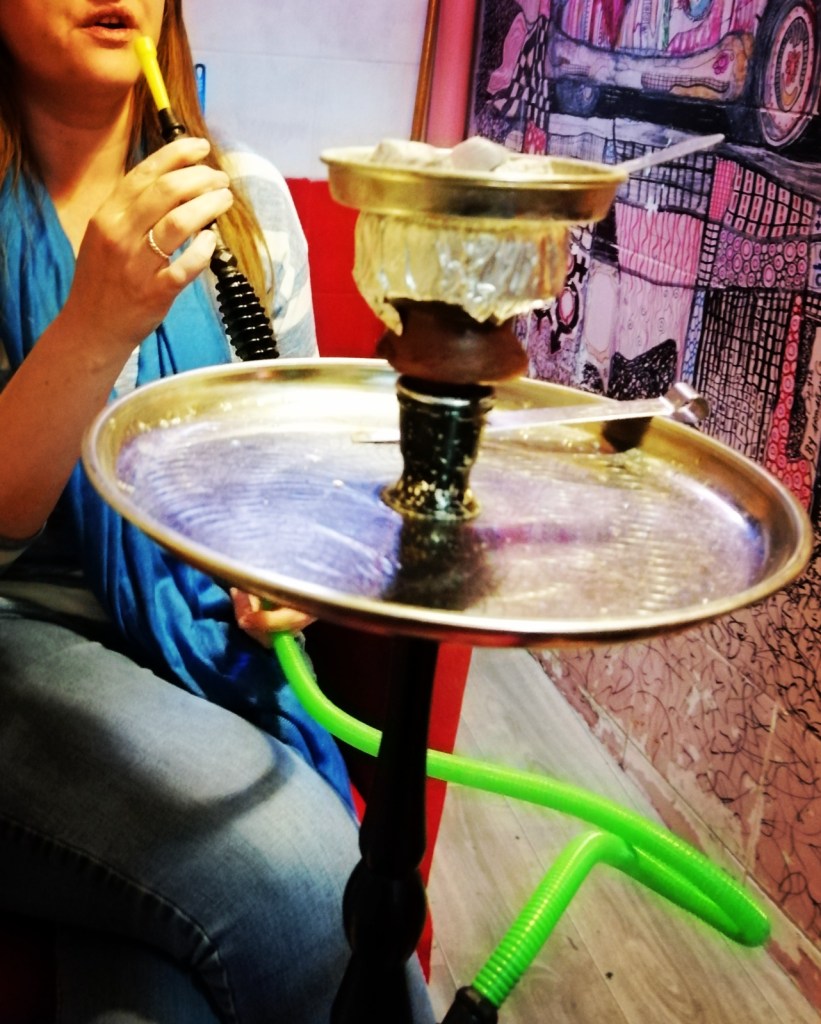
Lots of bars serve hookah pipes, you can share between friends with flavoured tabacco.

Depending on how much time you have, try to visit different neighbourhoods like Galata, or take the ferry across the Bosphorus to Kadikoy. Each has a different personality and great places to shop and eat.

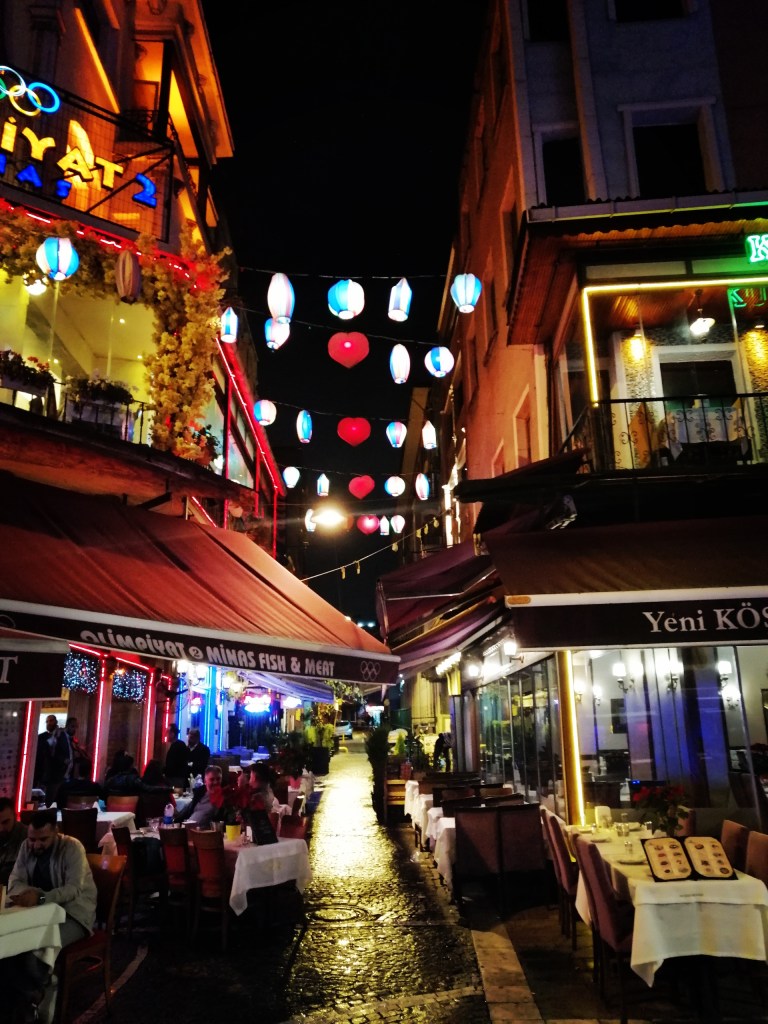
The Sultanahmet District has great seafood restaurants

Istanbul  is still a cultural melting pot and draws in people from outside. I met people from Azerbaijan, Morocco and Armenia who for various reasons  have decided to live there.   By my second day I kept seeing guys with hairbands and surgical dressings taped to the back of their heads.  Totally perplexed as to the reason, the penny finally dropped.  Apparently Istanbul is the place to go for guys wanting hair transplants at a fraction of the price they’d pay in Europe.

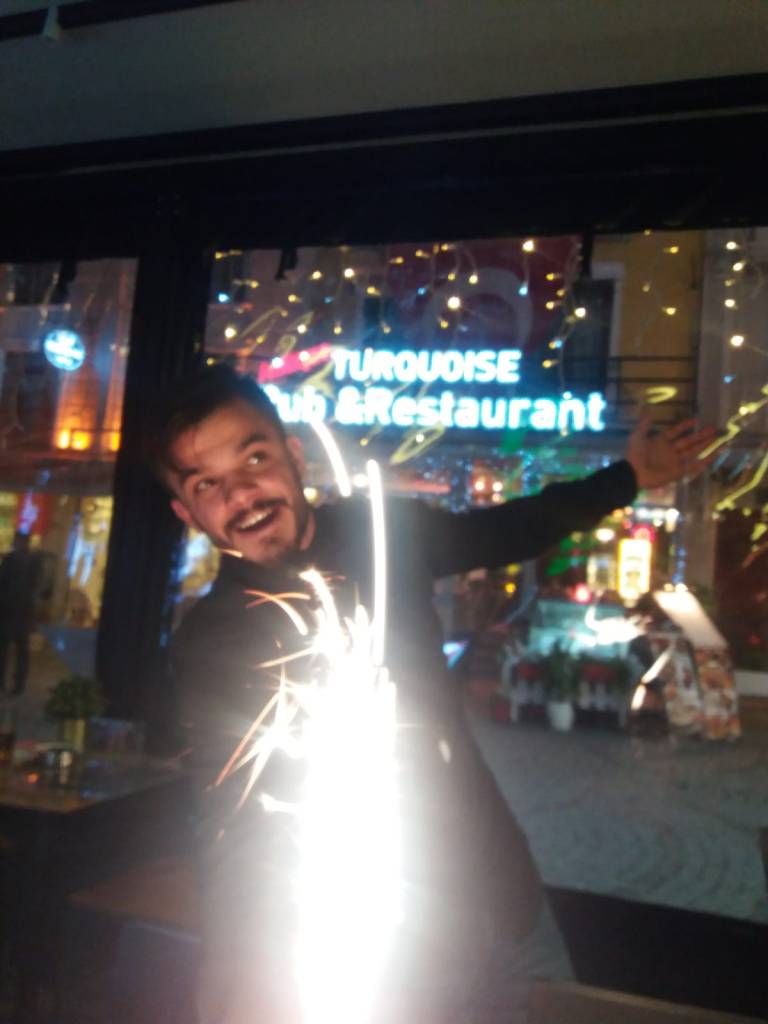
Waiters are usually good fun and are keen to get you stay, this one set off fireworks for my birthday!

The city has a good cheap public transport network, and it’s worth investing in the IstanbulKart (a multi use card that can be topped up in various location).  You’ll see astonishing places, and meet great people.    In the interests of good travel karma if you have credit left, and aren’t planning on returning very soon, be nice and pass it on to a local or fellow traveller, same goes for your museum card.  Give Istanbul a try, you’ll love it.

Supper Club – Menu, and how to book

Come and join us for great food, a good night’s craic, and every likelyhood of a slight hangover in the morning.

At the Supper Club you’ll eat at a communal table, and everyone enjoys the same 3 course set menu (we’re happy to cater for vegetarians). The cost is £25 per person, but you can bring your own wine or beer (should save you a fortune compared to restaurants). We’ll have the fire lit and will welcome you with a drink, and a few extra treats on the night.

Seaneen’s Sunnyside Supper Club

Supper Club, 19 October 2019

£25.00

Menu for the night will be as follows

Starter – Pear, Cashel Blue Cheese (we’ll have other cheese available if blue cheese isn’t your thing), and Walnut Salad.

Main Course – Braised Beef cooked in Belfast Stout with Cheddar Cheese Scone Dumplings (vegetarian option available) , Potatoes Dauphinoise, Buttered Greens.

Dessert – Apple and Blackberry Galette, and Custard.

Tea/coffee

The Supper Club will take place in Sunnyside Street, close to the Ormeau Road. We’ll kick things off about 7.30 for 8pm. You’ll be provided with the address when we have your booking.

Ts & Cs

No refund on cancellations made within 48 hours before the event.

Allergies, we cannot guarantee food will be free from nuts, or prepared in a nut free environment.