Courgette/Zucchini Bread

This is actually more of a sweet loaf/tea bread, but you can kid yourself that this is slightly healthier than normal cake because it also incorporates vegetables. This is really good on it’s own, but I also like to spread cream cheese or butter on it.

The courgette/zuchini keeps the cake super moist and tender, and during the Summer when they courgettes are cheap and plentiful this is a good way to use them up if you are running out of ideas.

If you’re super organised and want to make a double batch this also freezes really well.

Ingredients

2 Eggs

125ml vegetable oil

350 Grams Courgettes, coarsely grated

300 Grams Plain flour

2 Tsp Cinnamon

1tsp baking powder

75g Walnuts (roughly chopped)

150g Dried cranberries or sultanas

75 Grams Brown sugar

1/4 Tsp Salt

(extra butter for greasing the loaf tin)

Method

  • Preheat your oven to 180 degree (Celsius), and line a 2lb loaf tin with parchment paper
  • Add the oil, sugar, and eggs to a large bowl and whisk until combined before adding the courgette
  • In a separate bowl, combine all the dry ingredients before adding to the dry ingredients and mix well
  • Transfer the mix to the prepared baking tin and bake for 1 hour.  Test the loaf with a cocktail stick and if it comes out clean the loaf is cooked.  If it doesn’t give the loaf another 5 minutes in the oven before checking again

Blueberry and Lemon Scones

I haven’t had the best luck with scones, usually they ended up like hockey pucks.

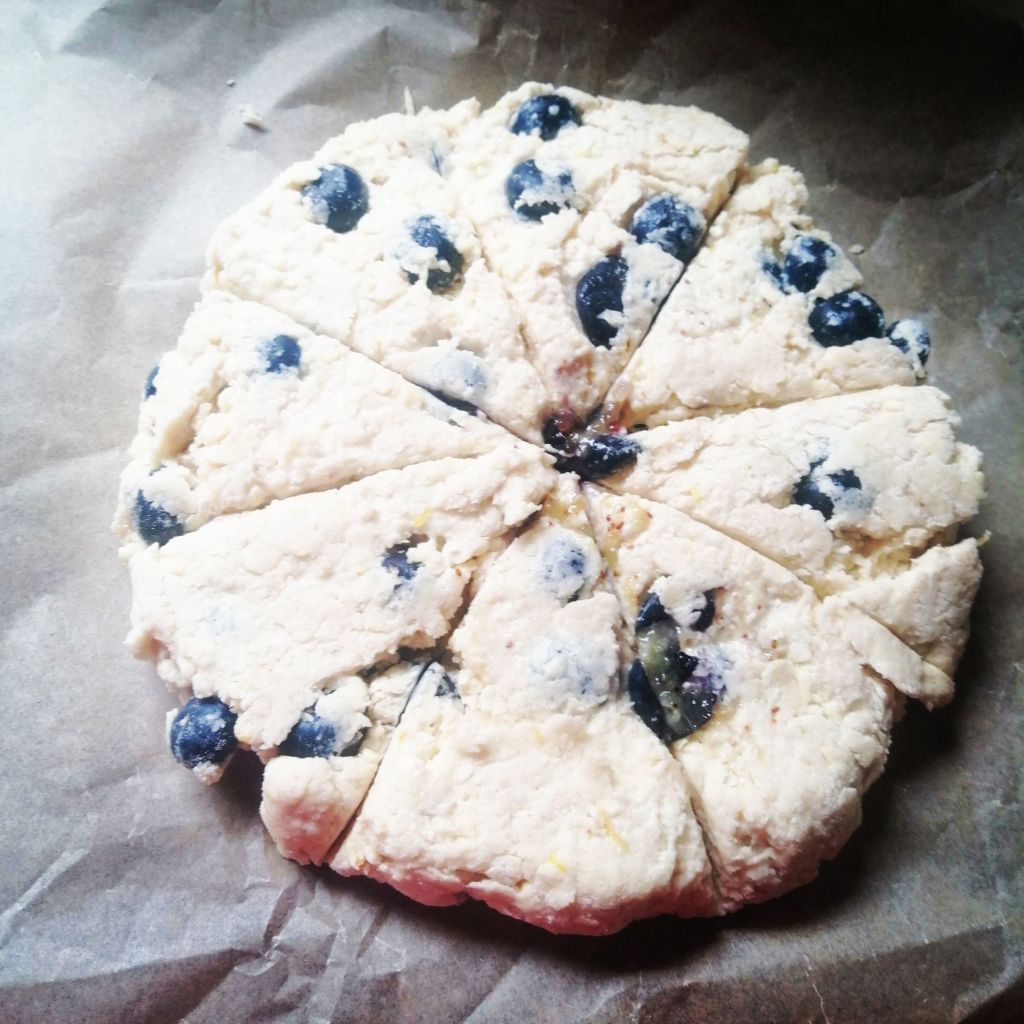
A friend who makes great ones advised me that secret is to handle scone dough as little as possible.  I decided to try this and instead of Irish version I was always taught to make using a cutter, I tried the American method when the dough baked in piece with sections marked out.

This did the job and these had a nice crust on the outside but stayed fluffy inside (yay, I have broken the scone curse placed on me by Sr Claire in 3rd year home economics for throwing dough).  I also gave these a cheeky wee lemon drizzle when the come out of the oven, that brings them to another level.

Serve these with lemon curd and whipped cream if you want to be posh (it’s sooo good), but these are also good with just butter.

You can use defrosted frozen blueberries which are cheaper, but remember to drain them well before adding to the mix so it doesn’t get too messy.  These also freeze well, but don’t use the lemon drizzle if you know you are going to freeze them.

Makes 8

Ingredients

150 Grams Blueberries

1 Lemon (juice and zest)

100 Grams Chilled butter (cut into small cubes)

1 Tsp Baking powder

350 Grams Self raising flours

200mil Milk

2-3 Tbsp. Icing sugar

Method

  • Preheat your oven to 220 degrees (Celsius), and line a baking sheet with parchment (or else grease the baking sheet well if you don’t have parchment)
  • Add the flour, baking powder and butter to a food processer and pulse until the mixture looks like bread crumbs.  If you don’t have a food processer, use the rubbing in method,  rubbing the flour and butter between your fingers until it looks like breadcrumbs
  • Grate the lemon zest wth a fine grater and add to the flour mix along with sugar and mix well.  Add the milk and stir the dough until it is just starting to come together, then gently mix in the blueberries so that they stay whole, but try to make sure they are evenly spread within the dough
  • Gather the dough in a ball, (it should be fairly soft dough).  So that I handled the dough as little as possible, I dusted a little flour onto the baking parchment and sat ball of dough in the centre.  Dust a rolling pin ( or wine bottle or what ever you have) with a little flour, and gently roll the dough out in a circle about 4 cm deep
  • With a sharp knife, score a deep cross into the dough, and then cut these quarters again until you end up with  8 evenly sizes segments (don’t cut the dough right through)
  • Bake for 10-15 minutes, and allow to cool slightly.  In a small bowl add the juice from the lemon you zested and add to the icing sugar and mix well before drizzle over the scones
  • Once cool break the scones into individual sections a serve with butter or lemon curd and cream

Greek Rice

Good side dishes can make a meal.  I love this with roast chicken but it’s also yummy with fish, barbecued meats, or griddled halloumi.

Rice can be a bit meh, but herbs and lemon give this a really fresh taste.  I used chicken stock, but you can swap this for vegetable stock if you’re vegetarian.

Ingredients

100 Grams Uncooked rice (I used basmati, but if you’re using a different type of rice then make sure to rinse it first so it fluffs up)

1 Small onion or shallot (finely chopped)

1-2 Cloves of garlic (finely chopped)

1 Tbsp Olive oil

200 mil Chicken/vegetable stock

1 Lemon (juice and zest)

1 Tsp Dried Oregano (or 1 Tbsp fresh oregano)

1 Tsp Dried Dill (or 1 Tbsp fresh dill)

Method

  • Heat the oil in a large pot with a lid, and gently fry the onion/shallot over a medium heat until it starts to become translucent, then add the garlic and cook for a further minute
  • Add the rice, salt and stock and cover the pot with a lid, before bringing to the boil.  Reduce the heat and simmer for 10 minutes.  Remove from the heat and the rice should continue to cook with the residual heat until the rice has absorbed all the stock (if you’re using brown rice you may need to cook for longer)
  • Grate the zest of the lemon with a fine grater, before squeezing the juice and setting to one side
  • Stir the lemon juice and zest into the rice and cover with a lid again for another 5-10 minutes before checking that the rice is fully cooked before stirring in the herbs.
  • This can be eaten hot or cold.

Classic Pesto

Once you try homemade pesto, you’ll never eat the stuff in a jar again.

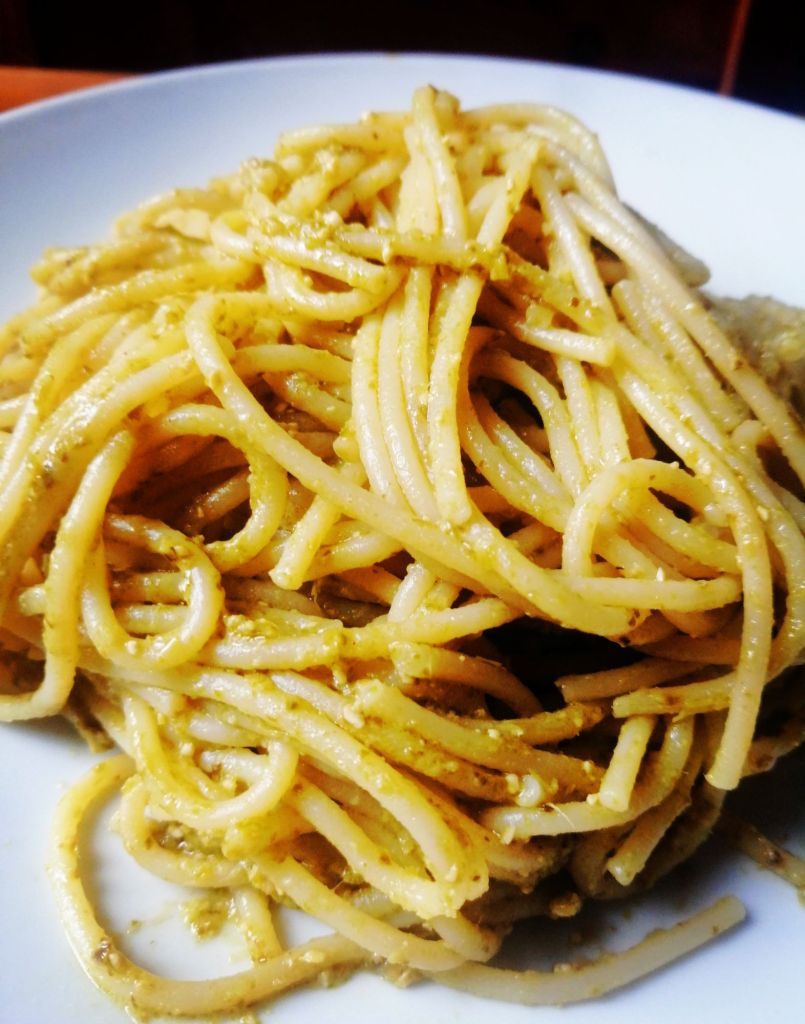
Most people have tried pesto with pasta, and it’s a classic for a reason plus it takes only 5-10 minutes to make.  I use a food processer, but you can use a pestle and mortar if you want to go old school.

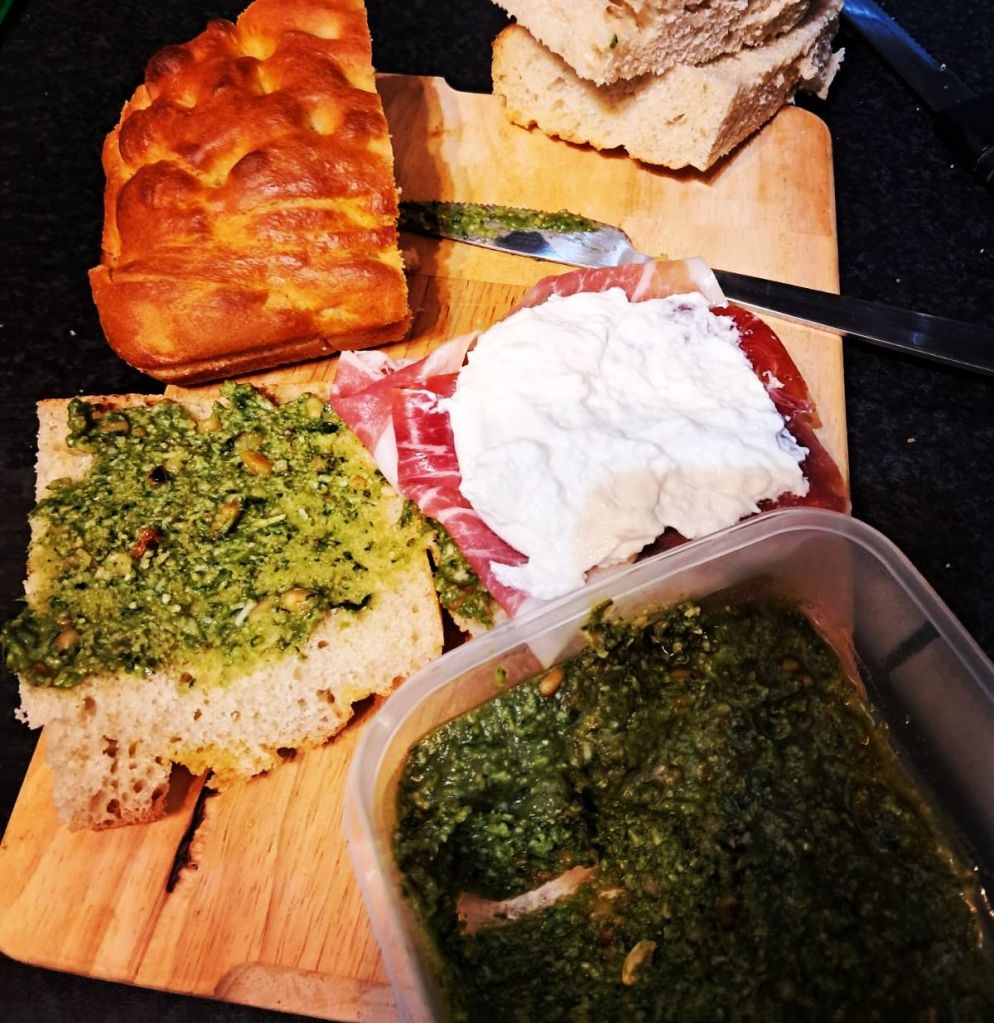
I love it in Italian sandwiches made with focaccia and filled prosciutto and buratta (you can use any combo and it will still taste amazing with the pesto).

Ingredients

100 Grams Pine nuts (or you can use blanched almonds if you can’t find them)

1 Large bunch of basil

50 Grams Parmasan or Granna (finely grated)

1-2 Cloves of garlic (peeled and roughly chopped)

100mil Olive oil (you may want to use more or less depending on how lose you want the pesto)

Method

  • In a dry pan, heat the pine nuts until the start to brown, remove from the pan and allow to cool
  • Add the pine nuts to a food processer and blitz a couple of times until the nuts have broken up
  • Add the rest of the ingredients (hold back half the oil) and blitz for a couple of seconds.
  • Check the consistency of the pesto, and continue to add the olive oil until you have reached the thickness you want (I like it quite thick and chunky but some people prefer a smoother pesto)
  • Use as a spread in sandwiches or as a pasta sauce.  It will keep well in fridge for 2-3 days

Asparagus and Leek Quiche

I love when seasons change and new foods become available.

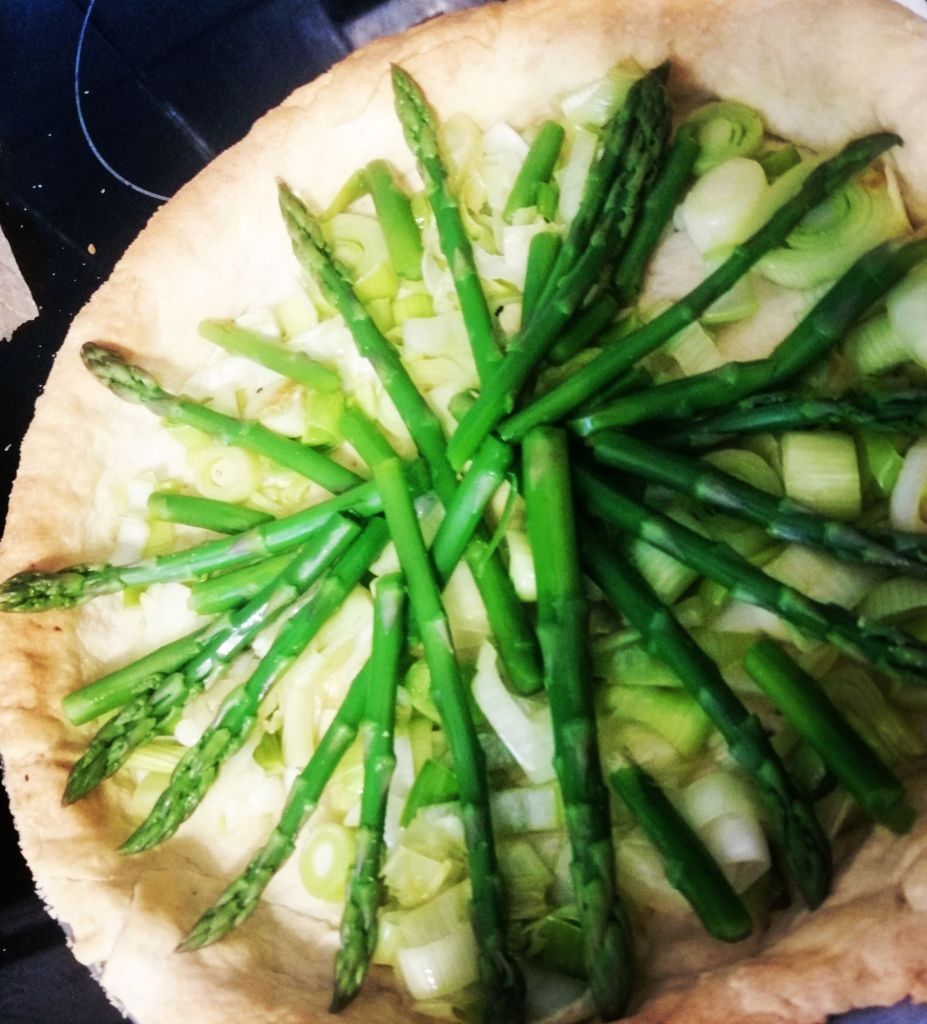
Asparagus is great at the minute, so I decided to make this yummy creamy quiche with it as the centre piece.

I used marscapone to add creaminess the the egg mix, because it’s what I had in the fridge.  You could also use creme fraiche or recotta if this is what have.

I used ready made pastry which made this even easier (it looks quite impressive for not a huge amount of effort if you’re cooking for people and can be serve hot or cold).

Ingredients

1 Sheet of ready made short crust pastry

6 Eggs

1 Leek (finely sliced)

1 Bunch of asparagus

1 Tbsp Oil

100 Grams Marscapone cheese

25 Grams of Parmasan (or other strongly flavoured cheese like mature cheddar)

Salt and pepper

Butter/oil for greasing a loose bottom flan/pie dish

Method

  • Grease the flan dish, and line with the ready made pastry, making sure the it’s pushed well into the edges. Pierce the base of the pastry with a fork and then chill the flan dish for 30 minutes
  • In a frying pan heat the oil over a medium heat and gently fry the Leek until it softens but do not allow to brown (set to one side and allow to cool)
  • To prepare the asparagus, snap off the ends and the blanch the asparagus on boiling water for 30-90 seconds depending on the thickness of the spears). Remove the boiling water and submerge in ice water (this will help keep their bright green colour)
  • Preheat the oven to 180 degrees Celsius.  Cover the base of the pastry with greaseproof paper and poor baking beans or old dried rice or beans on top). Bake for 20 minutes, remove from the oven and carefully remove the greaseproof paper and baking beans
  • In a large bowl, add the marscapone, parmasan and eggs and whisk until smooth (add salt and pepper)
  • Cover the pastry base evenly with the cooked leeks, then arrange the asparagus spears wth tops pointing to the outside of the tin
  • Pour the egg mix on top of the vegetables and carefully place the tin back in the oven ad bake for another 20 minutes or until the centre of the quiche is just starting to set

Ribollita

I want you to keep an open mind.  When I first heard of this stale bread soup I thought hell no!

However, I had it when I visited Italy and I’m now a total convert, it was one of the best dishes I tried.  Like most popular Italian dishes, this is peasant food, and came about when servants would be given scraps that they would reboil into a soup.  Ribollita is actually more like a stew and is extremely satisfying and the perfect comfort food.  Each family has their own version, but the basic ingredients are a sofritto (this is a base of finely chopped carrots, celery and onion, I whizz mine in a food precessor when I can’t be bothered standing chopping). For the bread part, I used some stale ciabatta I had, other types of bread like French baguette would also work (not sure how ideal sliced white supermarket bread would be).

Italian Grannies save the rind of parmasan to flavour this, but I just added some of the grated cheese. If you want to make this a vegan dish you can swap this out for pine nuts. The beauty of this is that it is the original zero waste recipe.  Basically you use what ever you have and it’s perfect for using up those left over bits in your fridge.  You can also season with the flavours you like.  The original version I tried had fennel seeds, for the version I made at home I used oregano because it’s what I had.  Rosemary or basil would also work well, so feel free to experiment.

Serves 3-4

400 Mil Can Chopped tomatoes or pasatta

400 Mil Can Cannalini beans (set aside half the tin and mash with a fork, this will help mske the ribollita creamy, as with the other ingredients feel free to use whatever type of brand you have)

1/2 Tsp Chilli flakes

1 Tbsp Olive oil

1 Tbsp Tomato puree

100 Grams Stale bread (broken into 3-4cm chunks)

2 Handfuls shredded cabbage (I used savoy cabbage because this is what I had, but kale or cavelo nero also work well in this dish

500 Mil Vegetable stock

2 Carrots (finely chopped)

2 Sticks of celery (finely chopped)

1 Onion (finely chopped)

2-3 Cloves of garlic (finely chopped)

25 Grams Grated Parmasan (plus extra for serving

1 Tbsp Chopped fresh oregano (or 1 Tsp dried herbs)

1 tablespoon of red wine vinegar (or a splash of red wine if you have a bottle open)

Method

  • Heat the oil in a large pot, and gently fry the onion, celery and carrot over a medium heat for 2-3 minutes
  • Add the cabbage and tomato puree and fry for a further couple of minutes
  • Add rest of the ingredients and simmer for another 15-20 minutes before checking the seasoning
  • Ladle into large bowls and sprinkle with some grated parmasan (or whichever cheese you have)

Roast Red Pepper, Tomato and Lentil Soup

Cold dark winter days call for warm comforting food.

This delicious bright red soup is super healthy and filling, packed with fibre and flavour.

When I’m using the oven, I always throw in a tray of vegetables to roast so that I get my money’s worth by cooking a couple of things at once. I roasted a red pepper, onion, cherry tomatoes and garlic which give a really intense flavour. I also used a potato which helps give a creamy texture.

Ingredients

1 Red pepper (deseeded and cut into large chunks)

1 Tub Cherry tomatoes

1 onion (peeled and cut into large chunks)

1-2 Cloves of garlic (skin left on)

100 Grams Split red lentils

1 litre Vegetable stock (I used a stock cube)

2 small potatoes (cut into large chunks)

1 Tbsp smoked paprika (add half a teaspoon first then check for taste as some paprika is stronger than others)

1 Tbsp Vegetable oil

Salt

Method

  • Add the onion, pepper, tomatoes and garlic to oven proof dish, drizzle with oil and roast at 180 degrees (Celsius) for around 30 minutes or until the edges of the pepper start to char. Remove from the oven and allow to cool slightly
  • Add the lentils, potatoes, and vegetable stock to a large pot and bring to the boil, before reducing to a simmer. Simmer for 20 minutes (or until the lentils and potatoes are soft)
  • You can use a blender/food processor or an immersion blender. Add the roast vegetables (remove the skin from the garlic), to lentils and stock.
  • Sprinkle in half the smoked paprika and blend the ingredients together until creamy and smooth. Check the seasoning, add more paprika if you like it spicy and salt if you think it needs it
  • I served this with some fried up tortillas that had gone a bit stale (try this it’s yummy), but fresh crusty bread is also delicious with it

Roast Red Cabbage with Orange Dressing

Side dishes can be a bit meh, and this is a tasty and healthy way of getting more vegetables way into your diet.

I like this served on a bed of humus, and it makes a really good vegan meal. It’s also really good served along side roast meat, and takes very little prep.

Makes 4 servings

Ingredients

Half a red cabbage divided into 4

Zest and juice of 1 small orange

1 Tbsp Vegetable oil (plus extra to grease the baking tray and drizzle over the cabbage)

1 Tbsp White wine or cider vinegar

Salt and pepper

Method

  • Preheat the oven to 180 degrees (Celsius), lightly grease a baking tray
  • Divide half the cabbage into 4 (remove most of the stalk in the centre). Lightly drizzle with oil and bake for 25-30 minutes (or until tender)
  • To make the dressing, grate the orange zest, and then squeeze the juice into a bowl. Stir in the oil and vinegar and season with salt and pepper
  • Remove the cabbage from the oven, and drizzle with the dressing before serving

‘El Bulli’ Bean Soup with Picada

El Bulli was one of the most famous 3 Michelin star restaurants in the world.  I don’t claim this was what they served their customers, but apparently they would provide a 3 course meal for staff each day, and this is one of those dishes.

Anyone who’s ever worked in fancy restaurants will you the traditional staff meal can often be a bit ropey to say the least (I worked in a place once that only ever fed us cheap and nasty chicken nuggets).  A cook book based around El Bulli’s staff meals has actually been published called The Family Meal (dropping hints ahead of Christmas, just in case Santa is reading this)

It’s good to see El Bulli fed their staff well, and while it isn’t an extravagant dish, it’s delicious.  The thing that takes it to another level is the Picada (a Catalan version of pesto, made with hazelnuts and parsley).

Do yourself a favour and try to buy ready blanched hazelnuts, it will save a lot of time and effort.

Ingredients

For the soup

1 Onion (finely chopped)

1 Tbsp Oil

1 Clove garlic (finely chopped)

2 x 400 Gram Tins of cannellini beans

1 Litre Vegetable Stock (I used a 2 x stock cubes)

400 Mil Carton of Passata

1 Tsp Rosemary (Finely chopped)

1 Sprig of Thyme (or 1/2 Tsp of dried Thyme)

Salt and Pepper to taste

For the Picada

1 x Large punch of parsley or couple of handfuls (roughly chopped)

1-2 Cloves of garlic

75 Grams Hazelnuts (try to buy the pre-blanched one, as removing the skins is a pain in the a*se)

50-75 Mil Olive oil, (or more if you want the Picada to be looser)

1/2 Tsp Salt

Serves 4

Method

  • For the soup, heat the oil in a large pot, and add the onion and cook over a medium heat until it becomes translucent, add the garlic and cook for 1-2 minutes before adding the rest of the soup ingredients to the pot.  Simmer for over a low heat for 20 minutes.
  • While the soup is cooking you can make the picada.  If you haven’t been able to find ready blanched hazelnuts, heat the nuts in a frying pan until they smell nutty (I know this sounds weird but when you can smell the nut smell it means they are ready),  Transfer the toasted nuts onto the centre of a clean tea towel, bring the edges together and roll the nuts within the towel until the papery outer layer comes away
  • If you have more sense than I did and have bought hazelnuts without skins, add these to a food processer and pulse a couple of times until the nuts have broken up.  Add the rest of the picada ingredients to the food processer and blitz until you have a bright green paste.  I like mine quite chunky and rustic, but you can whizz it up until you get a super smooth paste if that’s your thing. 
  • Transfer the picada to a bowl and wipe the food processer, and you will be ready to transfer half the soup to the food processer and whizz until smooth before returning to the pot and stirring well.  This helps to thicken the soup
  • Add half the picada to the soup and stir well, before serving in large bowls.  Spoon a dollop of the picada in the centre of each bowl, serve crusty bread for a simple but delicious meal.

Cauliflower Cheese Soup

It’s comfort food season and this rich velvety smooth soup will make you feel all warm and cosy inside.

I like to top mine with some croutons made from stale baguette I had left over, and a little grated cheese. It’s also amazing topped with some crunchy bacon bits.

Ingredients

1 Cauliflower (broken into thumb sized florets)

1 Large potato (peeled and into 2-3 cm cubes)

1 Onion (finely chopped)

1 Tbsp Oil

350 Ml Milk

1 Litre Vegetable stock (I used 2 stock cubes)

100 Grams Mature cheddar or other strong cheese (grated)

Method

  • Heat the oil in a large pot and fry over a medium heat until the onion softens
  • Add the potatoes and cauliflower to the pot and cook for 5 minutes stirring occasionally
  • Add the milk and vegetable stock and heat until just before the soup comes to the boil. Turn the heat down and simmer for 15 minutes
  • Check that the potatoes and cauliflower are cooked (they should be soft enough to stick a fork in easily)
  • In a food blender or with an immersion blender whizz the soup until totally smooth. Add the grated cheese and give a final whizz to make sure it incorporated, cook for a further 5 minutes
  • Taste the soup to check the seasoning and add salt and pepper if you think it needs it. Sprinkle with your favourite topping